- 10 October, 2026

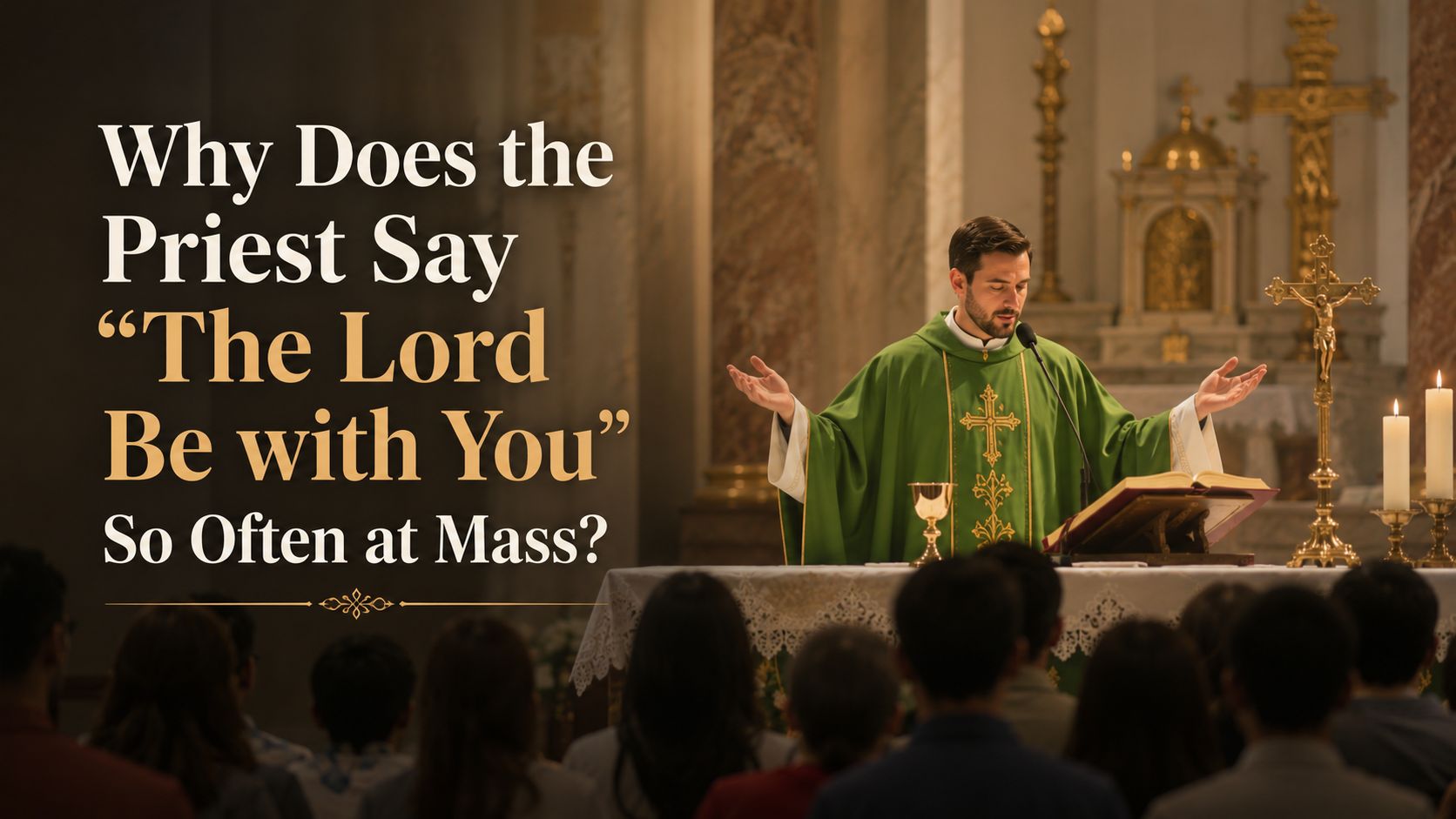
August 14, 2026: Have you ever noticed how often this short exchange happens during Mass?


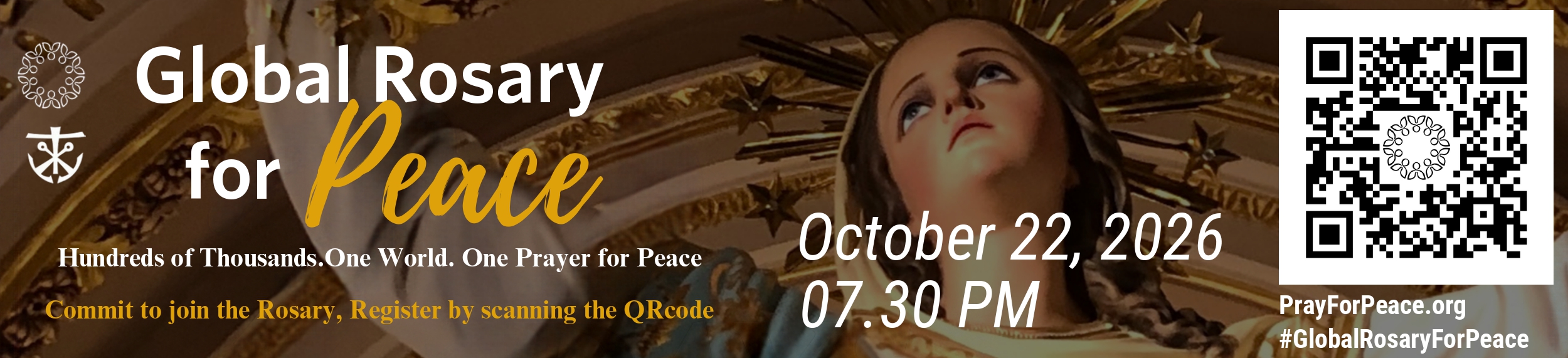
“The Lord be with you.”
“And with your spirit.”
It appears at the beginning of Mass, before the Gospel, before the Eucharistic Prayer, and again before the dismissal. Most Catholics know the words by heart, but have you ever wondered what they actually mean?
The first thing to know is that this is not simply a liturgical way of saying “hello.” It is an ancient Christian greeting that has been used in the Church since the earliest centuries. In fact, similar expressions appear in Scripture, including the greetings found in the letters of St. Paul. The Church has preserved these words because they express something much deeper than a friendly exchange.
When the priest says, “The Lord be with you,” he is not making a statement about himself. Rather, he is praying that God will be present with the people gathered for worship. The greeting often comes just before an important moment in the liturgy, inviting the congregation to focus on what is about to take place.
(Click Here to follow Catholic Connect for regular News & Content)
But what about the response?
Many Catholics who remember the pre-2011 translation still recall saying, “And also with you.” Today, the Church uses the more literal translation of the original Latin phrase, Et cum spiritu tuo — “And with your spirit.”
So why mention the priest’s “spirit”?
The Church teaches that this response is directed specifically to an ordained minister. It is not merely a way of returning the greeting. Instead, it acknowledges the gift of the Holy Spirit that the priest received through the Sacrament of Holy Orders. By responding, the congregation is praying that God will strengthen him in the ministry he is carrying out on behalf of the Church.
In other words, the exchange is not focused on the personality of the priest. It points to the role he has been called to fulfil. The people pray that the Lord will guide him as he proclaims the Gospel, offers the Eucharistic sacrifice, and leads the community in worship.
There is also a beautiful reminder here for the congregation. Just as the priest prays for the people, the people pray for the priest. The dialogue reflects the mutual support that exists within the Body of Christ. No one stands alone at Mass; priest and people journey together in worship.
The next time you hear, “The Lord be with you,” pause for a moment before responding. Those familiar words are not simply part of a routine. They are a prayer that God will be present among His people and a reminder that every Mass is an encounter with Christ, who continues to guide His Church through the ministry of those He has called to serve.
By Catholic Connect Reporter
Read More :
Why Do We Keep Saying “Amen” at Mass? What Are We Really Saying?
The Prayer After “Let Us Pray” Changes at Mass—Do You Know Why?
Why Do Catholics Sing the Gloria—but Not at Every Mass?
Why Do We Confess Our Sins at the Start of Mass? The Deeper Meaning Explained
Why Does the Priest Kiss the Altar at Mass?
Why Does Mass Begin and End with the Sign of the Cross?
What Makes the Catholic Mass Different from Other Christian Worship Services?
If God Made the Seventh Day Holy, Why Do Catholics Worship on Sunday?
Four Parts, One Beautiful Story: Understanding the Flow of the Mass
Why Does the Mass Follow the Same Order Every Time? The Church's Timeless Wisdom
Why Do Catholics Call It the Mass? The Answer Begins with Three Latin Words
How the Mass Developed Over 2,000 Years: A Journey Through History and Worship
If God Made the Seventh Day Holy, Why Do Catholics Worship on Sunday?


© 2026 CATHOLIC CONNECT POWERED BY ATCONLINE LLP