- 05 November, 2026
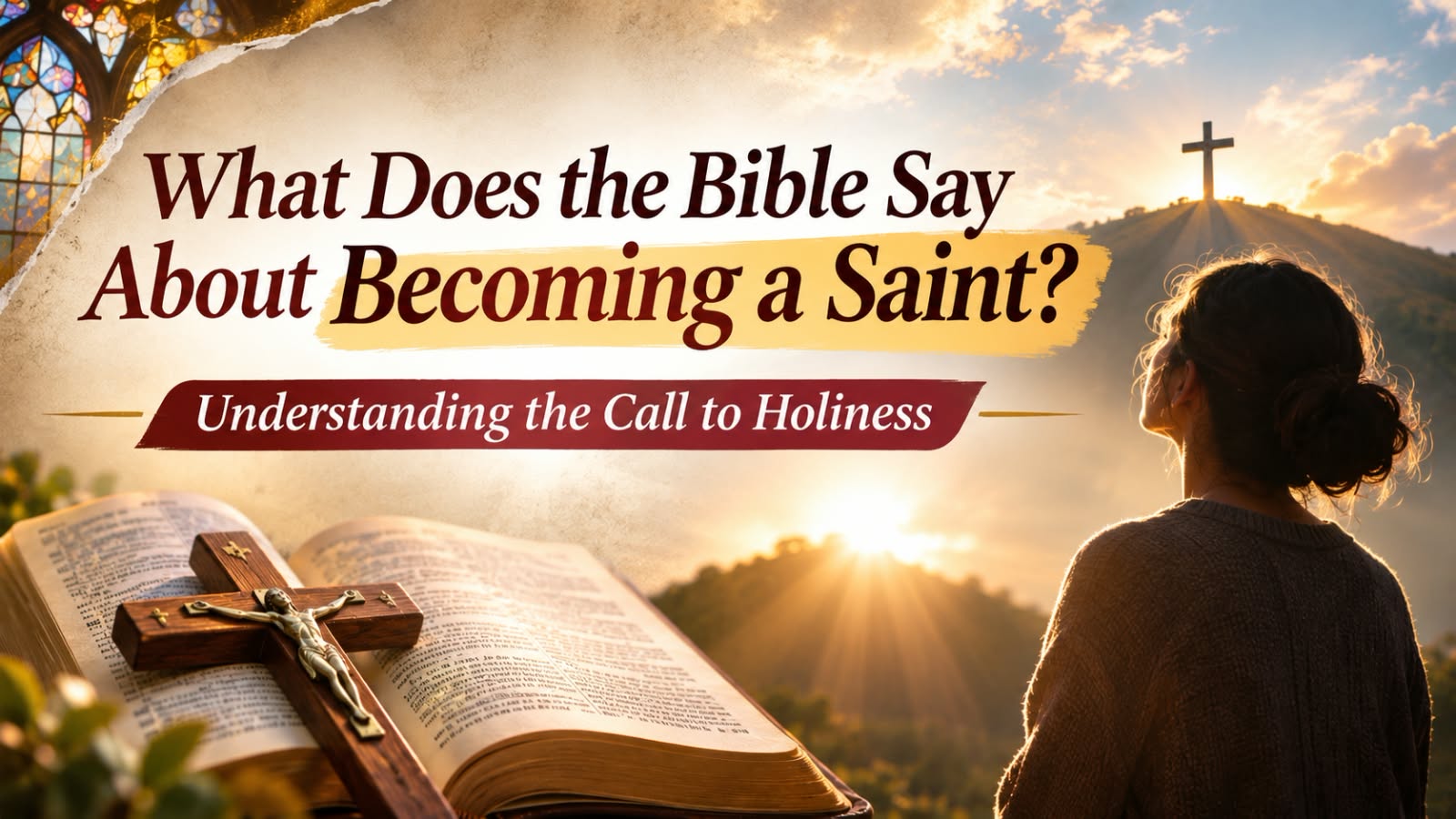
November 5, 2026: When you hear the word saint, what comes to mind? Perhaps someone who lived an exceptionally holy life, made great sacrifices or demonstrated extraordinary faith. It is easy to think that becoming a saint is something meant only for a few special people. But does the Bible see it that way?


The Bible presents a different understanding. Its call to holiness is addressed to all God's people: “Be holy, for I am holy” (Lev 11:44; see also 1 Pet 1:15). This invites us to look at what becoming a saint really means and how this call connects with our everyday lives.
What does “saint” mean?
In the New Testament, the word “saints” can refer to Christians who are set apart for God, not only to people formally recognised by the Church for exceptional holiness. The Second Vatican Council urges the faithful to live “as becomes saints.”
But does being called a saint mean that a person is already perfect? Not at all. This identity is a call to live for God, not a declaration that Christians never sin. The Council itself acknowledges that all “need God’s mercies continually.”
Holiness is a gift—and a response
If holiness is a gift from God, what does that mean for the way we live? Catholic teaching brings together two important truths: God makes us holy by His grace, and we are called to live out the holiness we receive.
*Lumen gentium* teaches that Christians are called not because of their works, but according to God's purpose and grace. Through the “baptism of faith,” they are “really made holy.” The Council further explains that, by God's gift, they must “hold on to and complete in their lives this holiness they have received.”
This means Baptism is not a reward for already being perfect. Rather, it begins a life of grace and transformation. Christians continue to need God's mercy and are called to keep growing in holiness.
What does holiness look like in everyday life?
Does becoming a saint require extraordinary deeds or a life very different from the one we live? The Church's teaching reminds us that the call to holiness belongs to every Christian, whatever their condition or state of life.
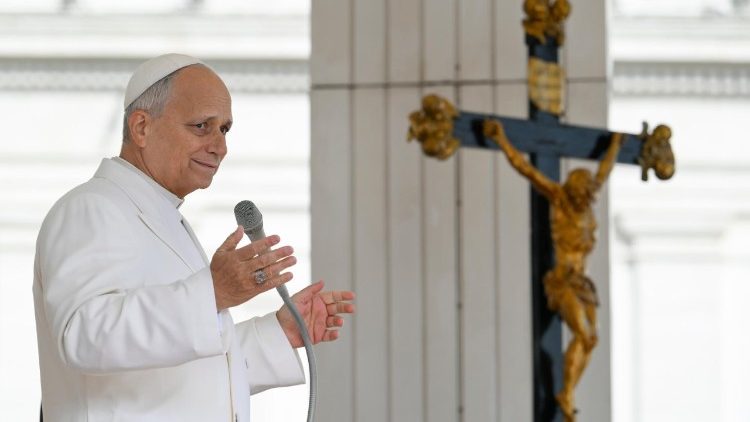
Pope Francis stresses that each person is called to holiness “each in his or her own way.” Holiness is lived through love of God and neighbour, and through virtues such as mercy, kindness, humility, meekness and patience.
It can also be seen in ordinary choices we make every day: refusing to gossip, listening patiently, serving someone in need and seeking to act with charity.
We do not walk this journey alone
The journey towards holiness is not about achieving it through our own strength. God calls us and gives us His grace; we respond through faith, conversion and love.
So, becoming a saint is not about being perfect or having an extraordinary life. It means receiving God's gift of holiness and, with His help, learning to live it faithfully in the circumstances of our own lives.
By Catholic Connect Reporter
Read More:
1) What If You Are Called to Be a Saint? Finding Holiness in Everyday Life
2) The Communion of Saints: How Are We Connected to Those Who Have Gone Before Us?
3) St Ignatius of Loyola: The Five-Minute Practice That Can Bring You Closer to God

© 2026 CATHOLIC CONNECT POWERED BY ATCONLINE LLP