- 02 November, 2026
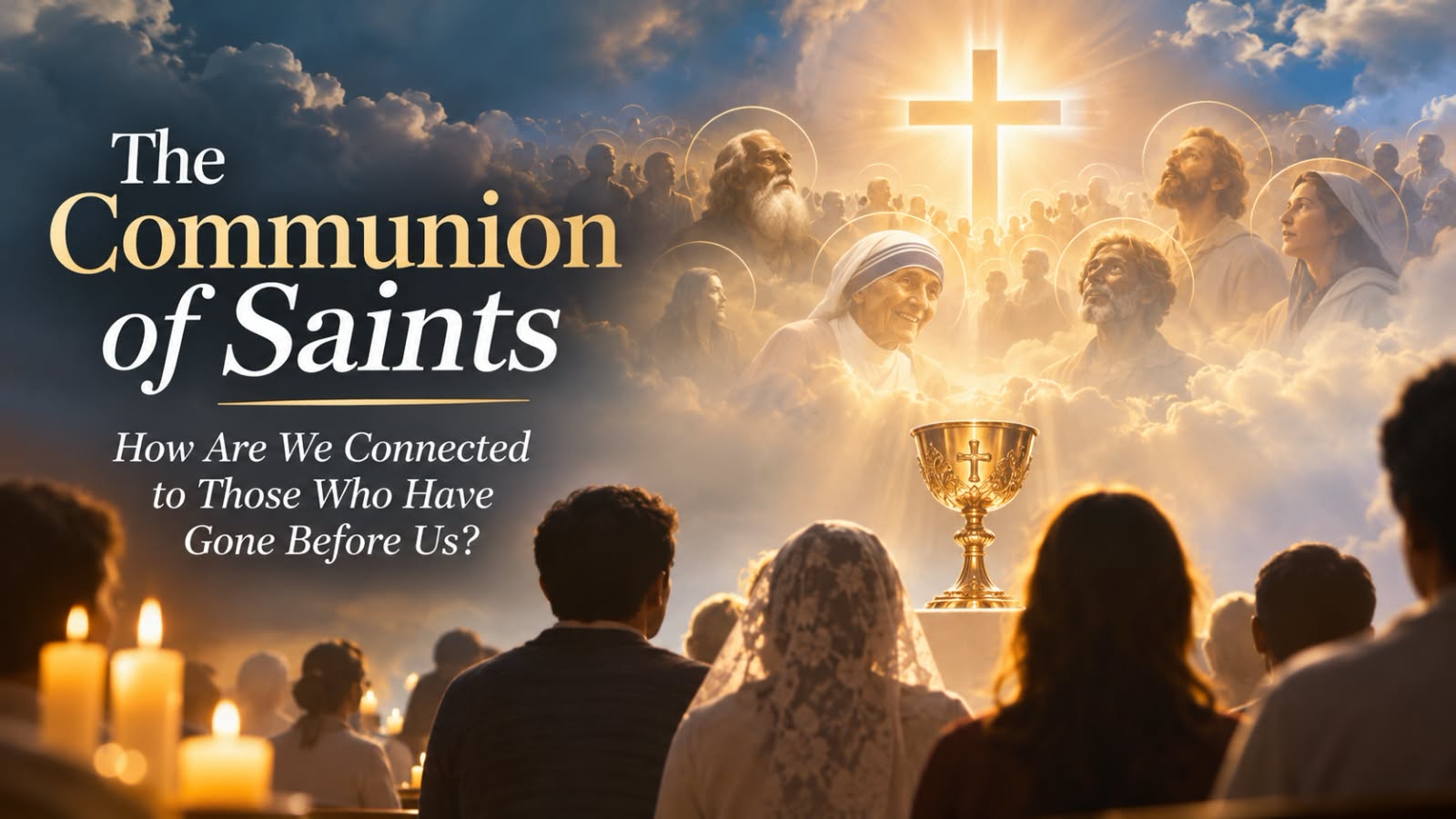
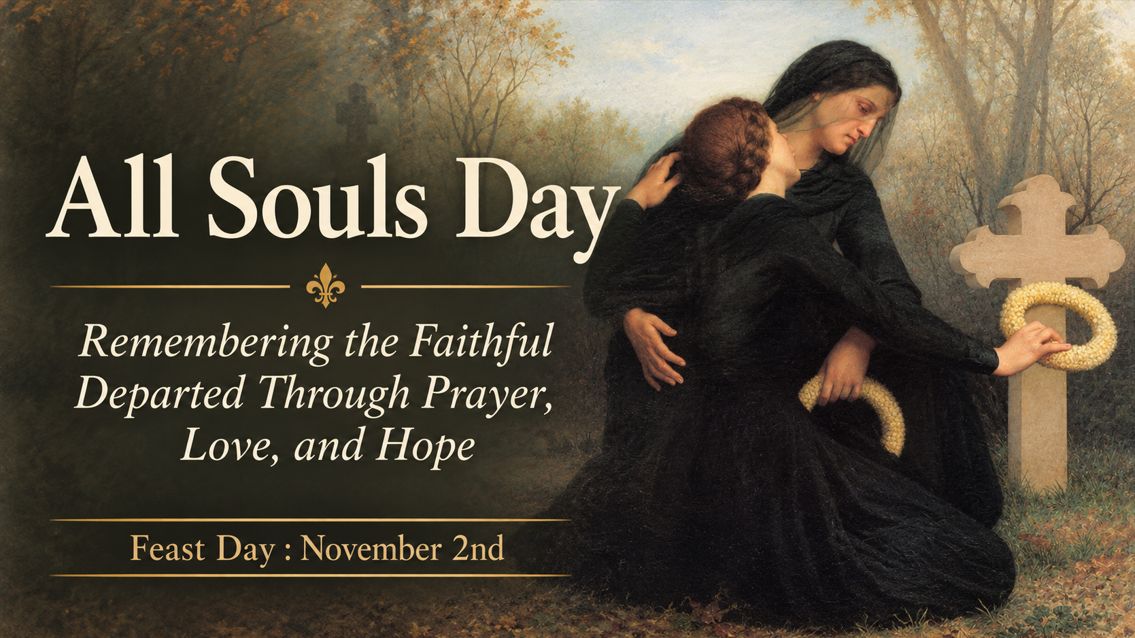
November 2, 2026: Death may bring an end to earthly life, but it does not break the bonds of love and faith shared in Christ. At the heart of Catholic teaching is the belief in the Communion of Saints (Communio Sanctorum), which affirms that believers, both living and departed, remain united as one spiritual family through Jesus Christ.



This foundational Christian belief, particularly emphasised in Catholic, Orthodox and historic Protestant traditions, teaches that physical death does not bring permanent separation. Instead, all believers remain connected through faith, prayer and the grace of God.
One Church, Three States of Communion
According to the Catechism of the Catholic Church (CCC 946–962), the Communion of Saints consists of three interconnected states of the Church.
The Church Militant, or the Pilgrim Church, comprises believers living on earth who continue their spiritual journey, striving to grow in faith and holiness.
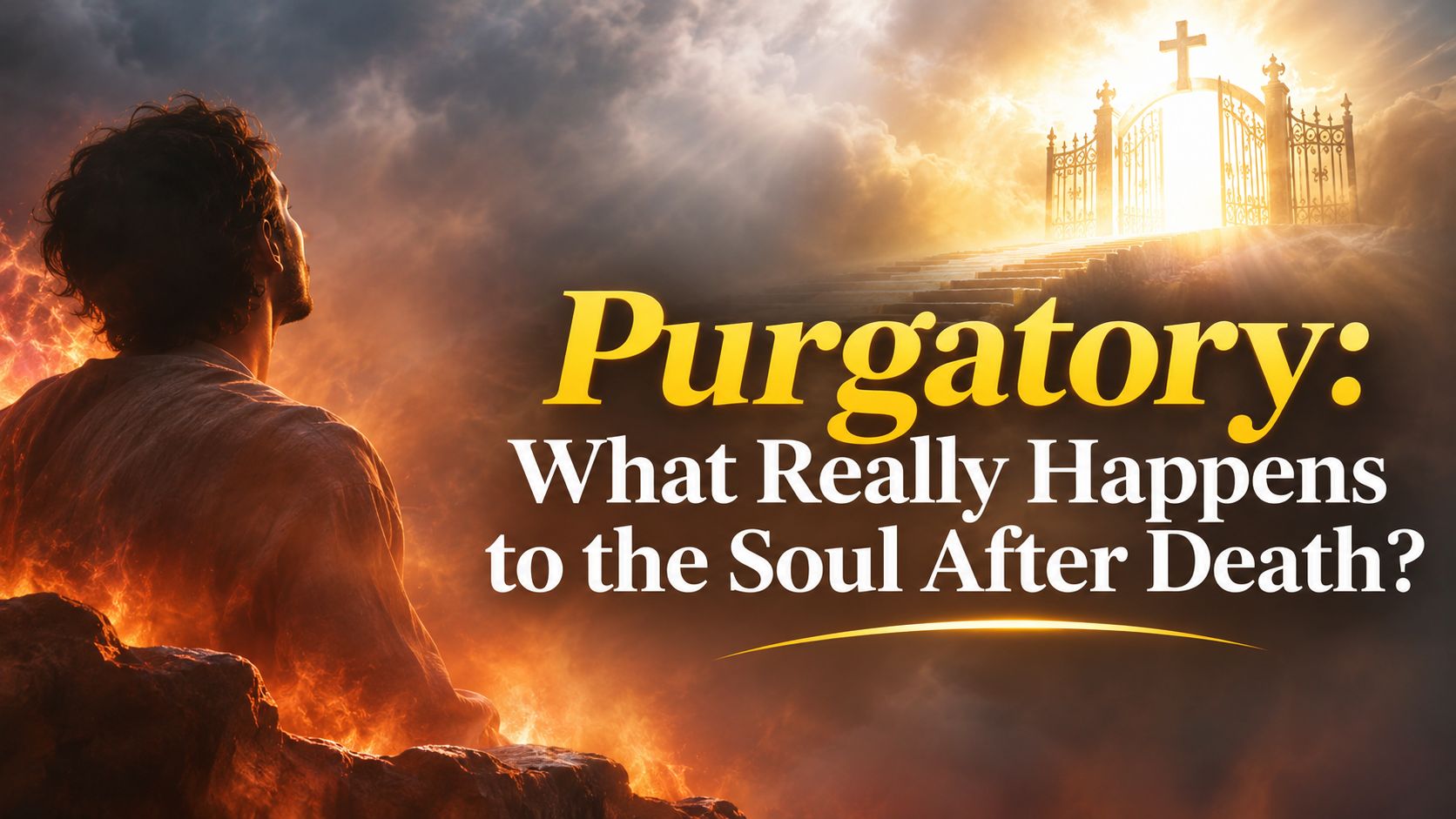
The Church Penitent, also known as the Suffering Church, consists of the faithful departed undergoing purification in purgatory before entering fully into God's presence.
The Church Triumphant comprises those who have entered heaven and now live in eternal union with God.
Though distinct, all three states are united under Jesus Christ, the head of the Church. Together, they form one mystical body. Physical death changes a believer's state of existence but does not end their membership in the Body of Christ.
How Are the Living and the Departed Connected?
The Communion of Saints is not merely a belief in spiritual unity but an active relationship sustained through prayer, intercession and shared faith.
One expression of this communion is the intercession of the saints. Catholics believe that the saints in heaven, living in full union with God, continue to pray for those on earth. Their prayers offer spiritual support to believers facing difficulties and challenges.
Similarly, prayers for the faithful departed express the continuing bond between the living and those undergoing purification. Through prayers, acts of charity and the offering of Holy Masses, believers seek God's mercy and purification for the departed.
The lives of canonised and uncanonised holy men and women also serve as examples of virtue, inspiring believers to deepen their faith and pursue holiness.
The Holy Eucharist is another expression of this communion. Through Holy Communion, believers on earth participate in worship alongside the heavenly host, reflecting a spiritual unity that transcends space and time.
Rooted in Scripture and Christian Tradition
The belief in the Communion of Saints is rooted in Sacred Scripture. Hebrews 12:1 describes a “great cloud of witnesses” surrounding believers, referring to those who have gone before them. Their witness encourages the faithful to persevere in their spiritual journey.
St. Paul further explains this unity through his teaching on the one Body of Christ in 1 Corinthians 12 and Romans 12. He describes believers as different parts of one body, united in Christ. This communion continues beyond earthly life.
The Latin expression Communio Sanctorum also refers to both the communion of holy persons and the sharing of holy things, including the sacraments, grace and common faith that bind the Christian community together.
A Bond That Death Cannot Break
The Communion of Saints reminds believers that death does not end the spiritual bonds formed through Christ. Those in heaven intercede for the faithful on earth, while the living pray for the departed and draw inspiration from the lives of the saints.
At the centre of this communion stands Jesus Christ, whose mystical body unites the Church on earth, those undergoing purification and the blessed in heaven.
Ultimately, this belief offers a message of enduring hope: love and faith do not end at the grave. In Christ, the faithful remain one spiritual family, united beyond death through prayer and the continuing grace of God.
By Catholic Connect Reporter
Read More
What If You Are Called to Be a Saint? Finding Holiness in Everyday Life

© 2026 CATHOLIC CONNECT POWERED BY ATCONLINE LLP