- 27 November, 2026
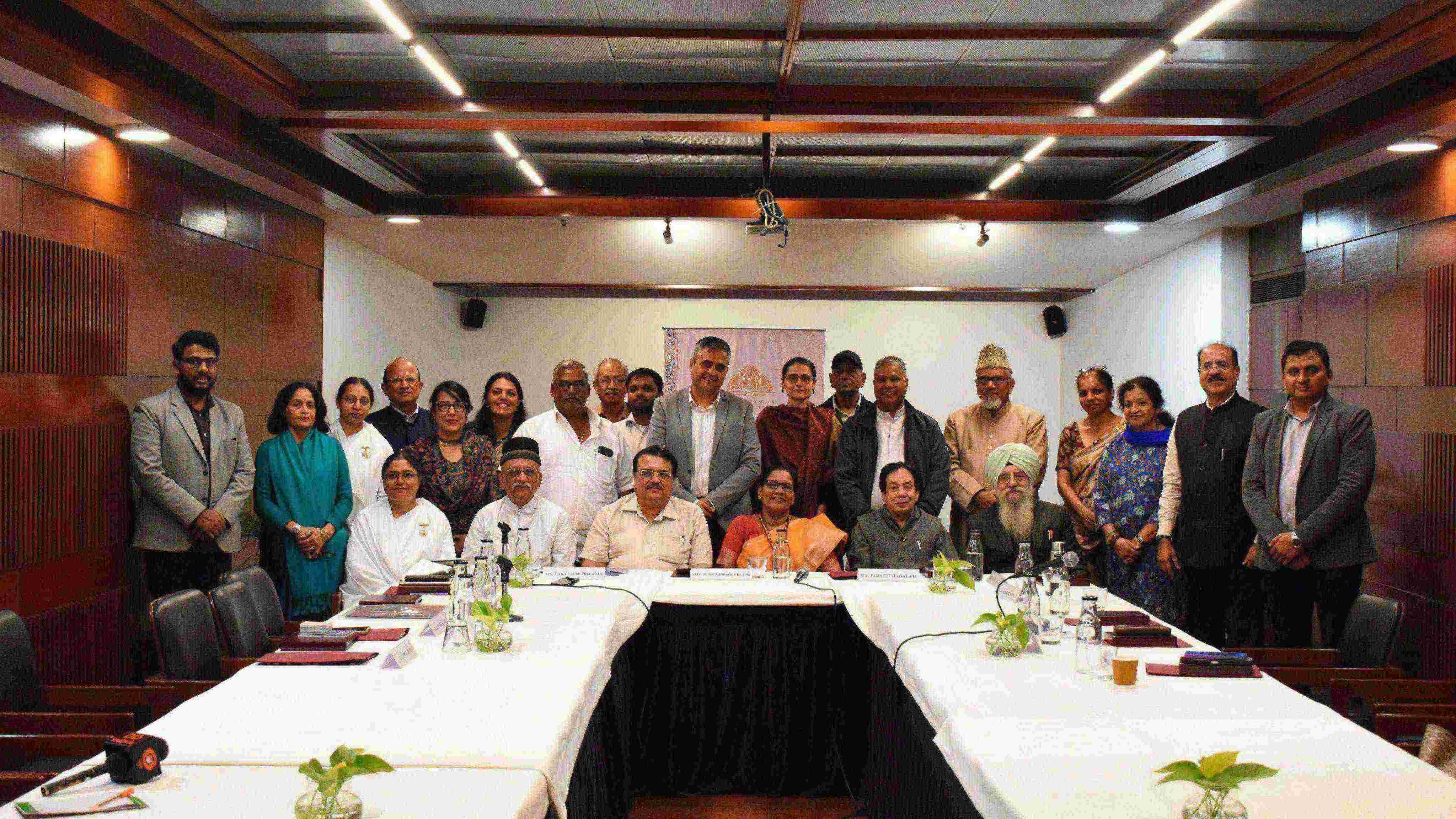
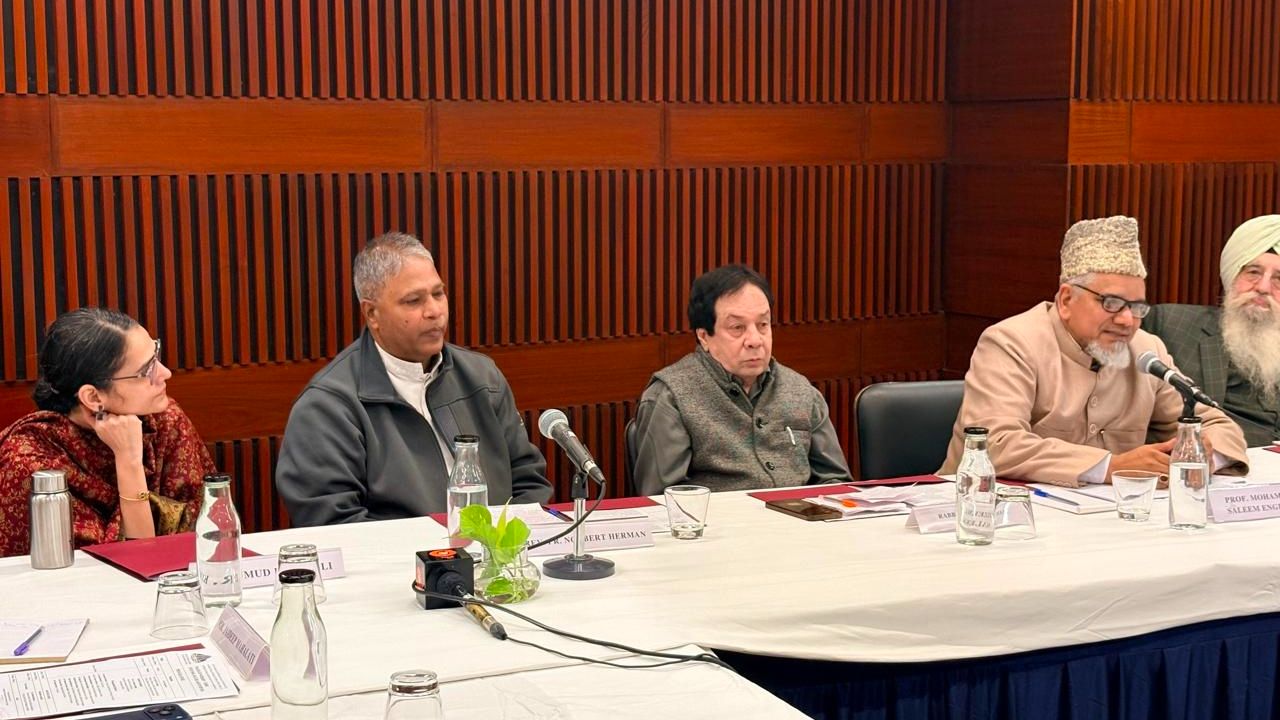
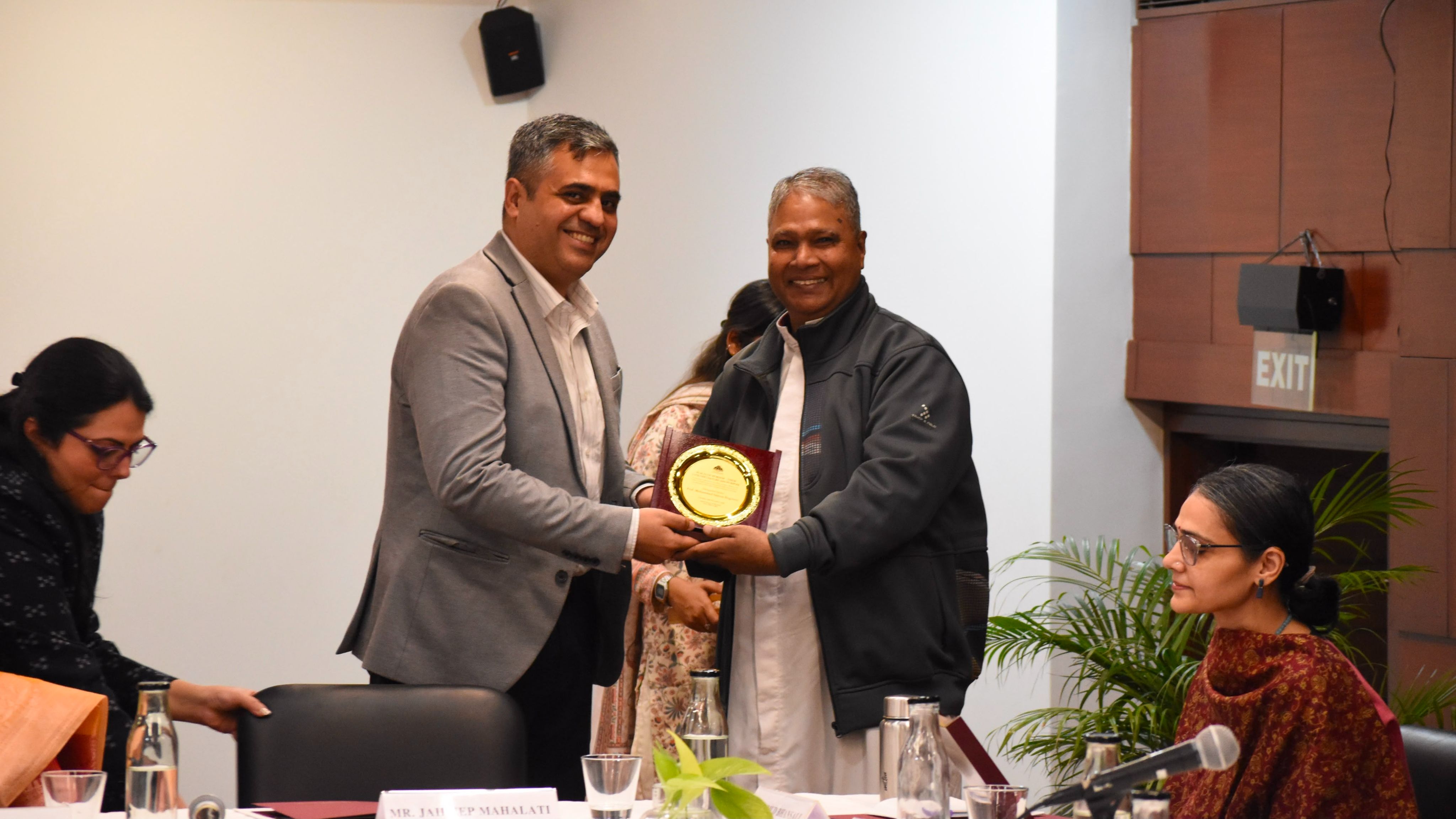
NEW DELHI, November 27, 2026: Places of worship must move beyond religious rituals to become centres of interfaith harmony, spiritual growth, human development and service to society, faith leaders from different religious traditions said at an interfaith roundtable in New Delhi.


The discussion, titled “Places of Worship: Their Evolving Nature and Purpose”, was organised by the Office of Public Affairs of the Bahá’ís of India on November 26 to mark the 40th anniversary of the dedication of the Bahá’í House of Worship, popularly known as the Lotus Temple.
The gathering brought together representatives of different faith traditions to examine how religious institutions could strengthen mutual understanding, promote shared values and contribute to a more compassionate society.
Delivering the keynote address, S. Munawari Begum, Vice-Chairperson of the National Commission for Minorities, Government of India, called on religious leaders to emphasise the common values that unite different faiths. She said all religions teach people to do good and serve others, while stressing the need to make education accessible to everyone.
Fr Norbert Herman, SVD, highlighted love of God and neighbour as essential foundations for human well-being, particularly in responding to the needs of the poor and marginalised. Drawing inspiration from the life and mission of St Mother Teresa, he underscored the importance of selfless service that transcends religious identities and reaches out to all people.
Dr Jaideep Mahati, Director of the Bahá’í House of Worship, invited participants to reflect on the changing role of places of worship and their potential to foster a harmonious and inclusive society.
The roundtable featured contributions from Dr Kumud Bhansali of Tibet House and Prof. Mohammed Saleem Engineer of Jamaat-e-Islami Hind. Senior Supreme Court advocate Sanjay Jain and Rabbi Ezekiel Isaac Malekar of Judah Hyam Synagogue also shared their perspectives.
Other participants included Sardar Surjit Singh Azad, Vice-Chairman of Gurdwara Shri Bangla Sahib; Marazban Nariman Zaiwalla of Parsi Anjuman; and B.K. Sister Kamla, a Rajyoga teacher.
Participants stressed that religious institutions have responsibilities extending beyond worship and religious observances. They said these institutions should actively promote spiritual enrichment, human dignity, interfaith understanding and initiatives addressing pressing social needs.
An interactive session allowed participants and members of the audience to exchange views on the role of religious communities in responding to contemporary social challenges.
The gathering concluded with an interfaith prayer at the Lotus Temple, symbolising the shared commitment to peace, unity and harmony among people of different faiths.
The programme was coordinated by Carmel M. Teipathi and Nilakshi Rajkhowa, Directors of Public Affairs of the Bahá’ís of India.
By Fr. Norbert Herman SVD
Director, Dialogue commission Catholic Archdiocese of Delhi
drnobysvd@gmail.com

© 2026 CATHOLIC CONNECT POWERED BY ATCONLINE LLP