- 27 November, 2026
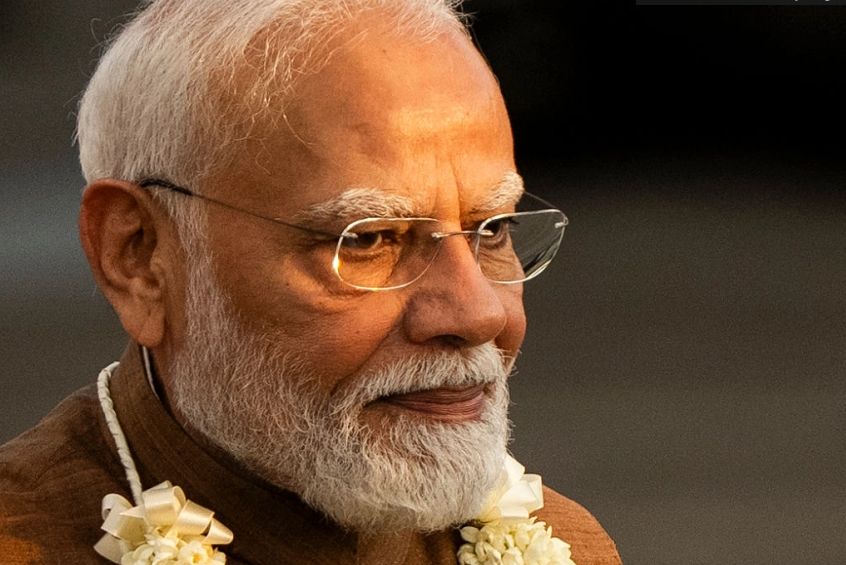
NEW DELHI, November 26, 2026: Christian leaders have expressed concern over the erosion of democratic institutions and growing hostility towards religious minorities in India, following the release of a Human Rights Watch (HRW) report accusing the government of Prime Minister Narendra Modi of weakening democratic safeguards and restricting civil liberties.


The 95-page report, titled ‘So What’s This Democracy We’re Talking About?’: Modi’s Authoritarian Playbook in India, examines the functioning of Parliament, the Election Commission and the judiciary. It alleges that the weakening of these institutions has facilitated the harassment of government critics and contributed to discrimination and violence against Muslims, Christians and other vulnerable communities.
“Over the past decade, the Modi government has been hollowing out India’s independent institutions,” said Elaine Pearson, HRW’s Asia director, stressing that independent institutions are essential to restraining executive power and safeguarding civil liberties.
Christian leaders flag rising attacks
The Rev. Vijayesh Lal, general secretary of the Evangelical Fellowship of India (EFI), said the report reflected the growing insecurity experienced by Christian communities across the country.
According to Lal, the EFI’s Religious Liberty Commission documented 147 incidents targeting Christians in 2014, compared with 747 in 2025. He said the increase was alarming, but the changing nature of the incidents was equally troubling.
“Ordinary expressions of Christian faith are increasingly being criminalised,” he said, citing arrests during prayer meetings and cases in which victims of assaults face criminal charges while their alleged attackers remain at large. He also highlighted difficulties encountered by Christian communities in certain areas in burying their dead.
Journalist and human rights activist John Dayal said Christians continued to face persecution through anti-conversion laws, attacks on churches and clergy, and the prolonged detention of pastors awaiting decisions on bail applications.
The HRW report examines anti-conversion laws in at least 12 states, alleging that they have been used to target voluntary religious conversions, particularly among tribal and Dalit communities. Although state governments defend these laws as measures to prevent conversions through force, fraud or inducement, HRW argues that they have also emboldened vigilante groups to intimidate religious minorities.
Democratic institutions under scrutiny
Jesuit priest and human rights activist Fr. Cedric Prakash described the report as timely, saying it documented patterns of suppressing dissent, restricting media freedom and intimidating minorities and human rights defenders.
He also pointed to growing resistance from civil society, describing it as a response to the deteriorating democratic and human rights situation in the country.
The report recalls the death of Jesuit priest Stan Swamy, who died in judicial custody in July 2021 at the age of 84 while facing charges in the Bhima Koregaon case. Swamy, who suffered from Parkinson’s disease, had worked extensively with Dalit and Adivasi communities.
Dayal also raised concerns over the Special Intensive Revision (SIR) of electoral rolls, alleging that Muslim voters had been disproportionately affected. HRW claims that more than 130 million names were removed from electoral rolls during the exercise. The Election Commission has defended the revision process, while petitions challenging it are pending before the Supreme Court.
Call for accountability and constitutional safeguards
The HRW report questions the independence of several key institutions, including the Election Commission, investigative agencies and minority rights bodies. It calls for an end to the alleged misuse of state institutions against government critics and recommends reforms to strengthen democratic accountability and protect fundamental freedoms.
The Indian government had not issued a response to the report at the time of publication.
Lal urged Christians to stand up for the rights of all communities rather than restrict their concerns to their own religious group.
“We cannot ask for constitutional protections for ourselves and be indifferent when those same protections are denied to others,” he said.
He noted that while India had a strong Constitution, its implementation, particularly in the case of socially and politically vulnerable communities, remained a serious concern.
Courtesy : Christian Daily

© 2026 CATHOLIC CONNECT POWERED BY ATCONLINE LLP