- 27 November, 2026
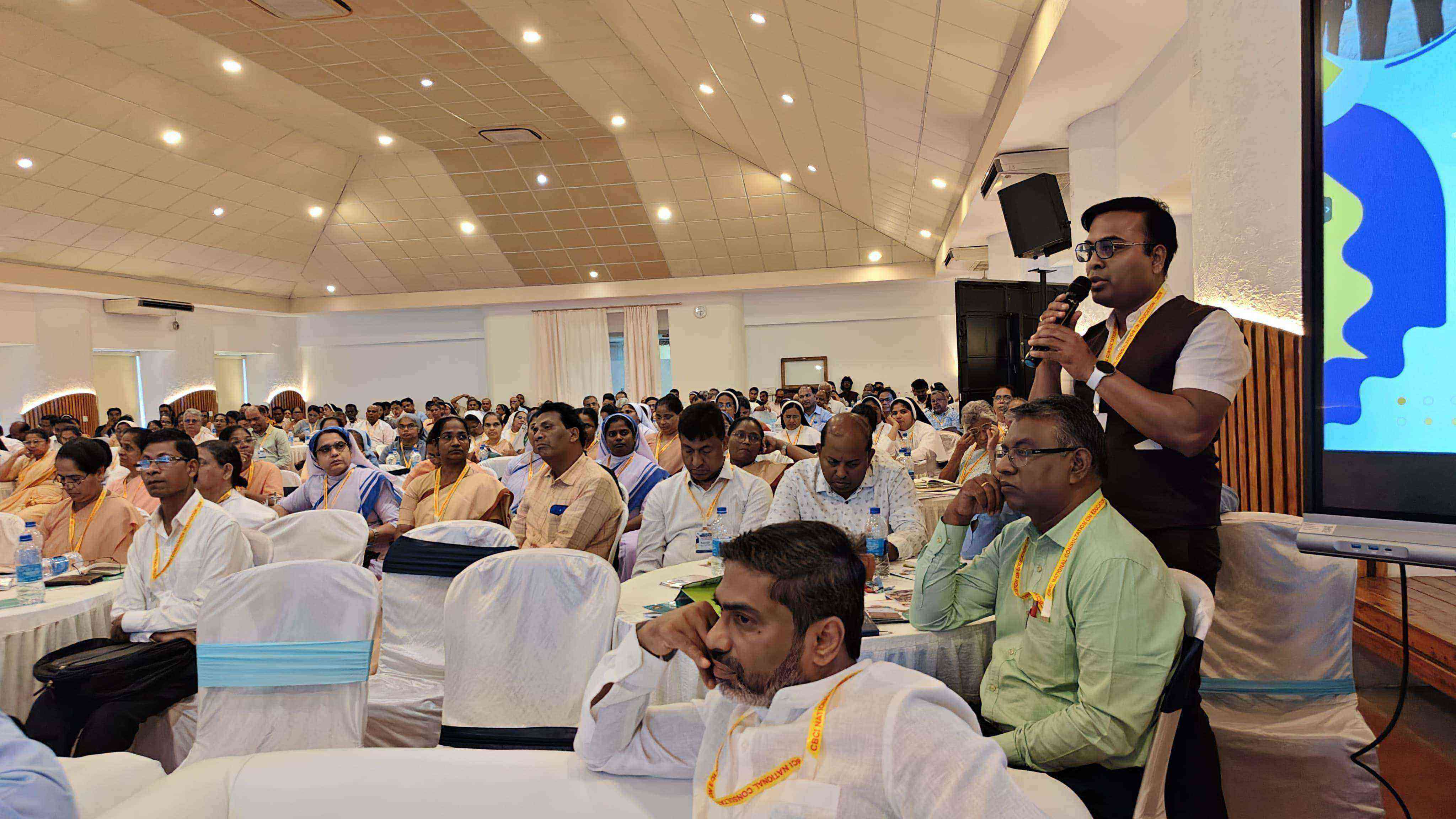
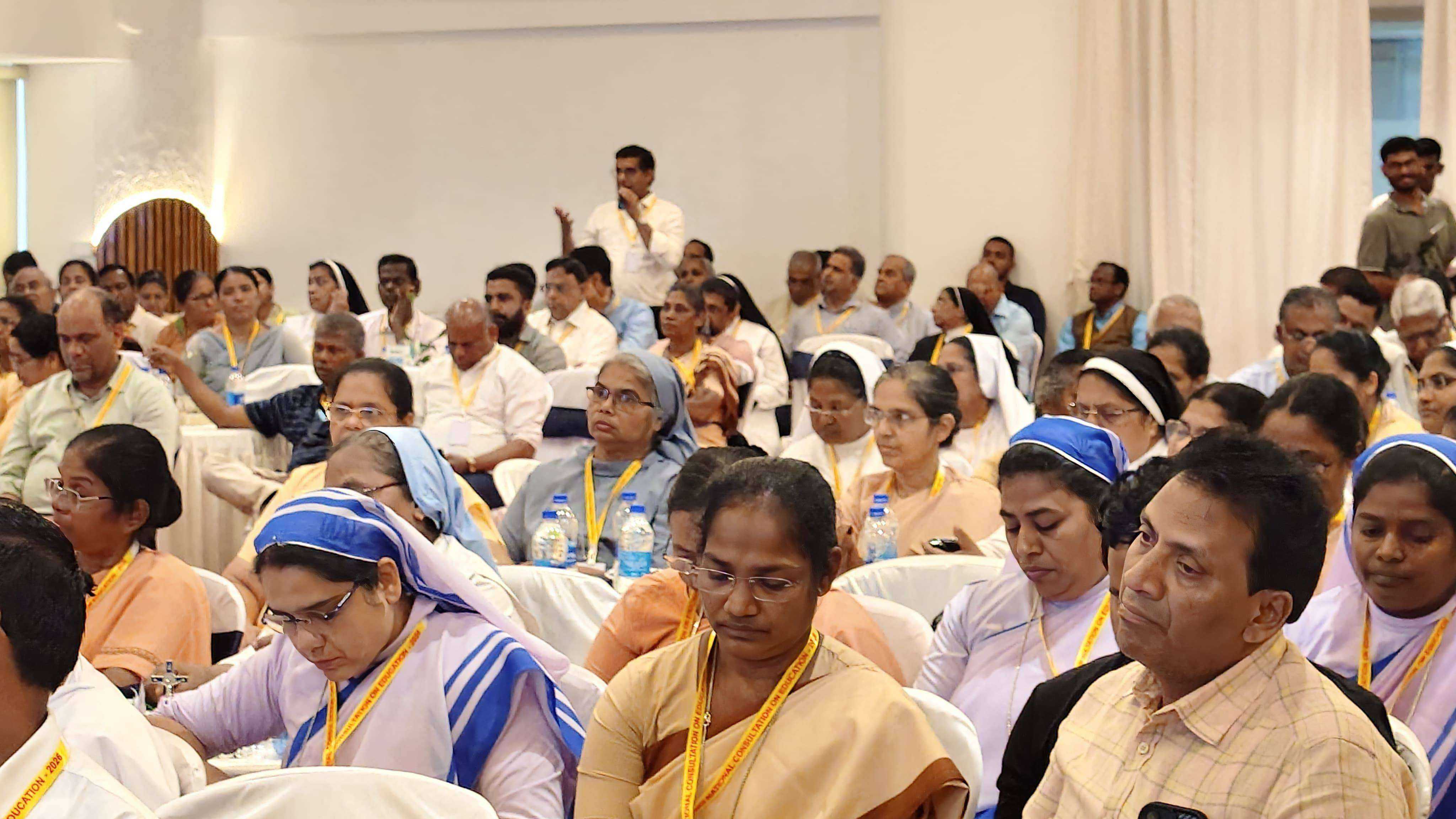
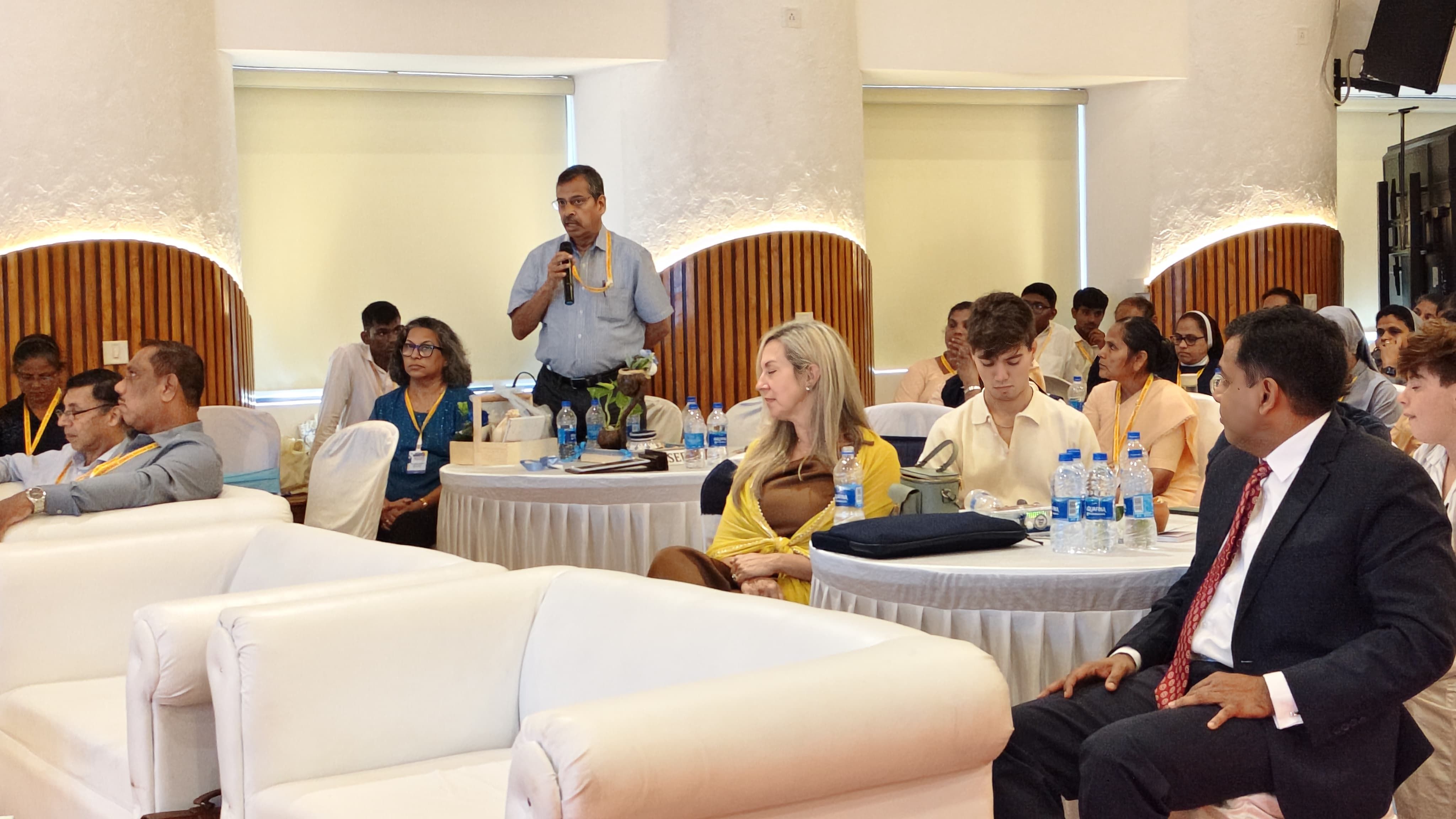
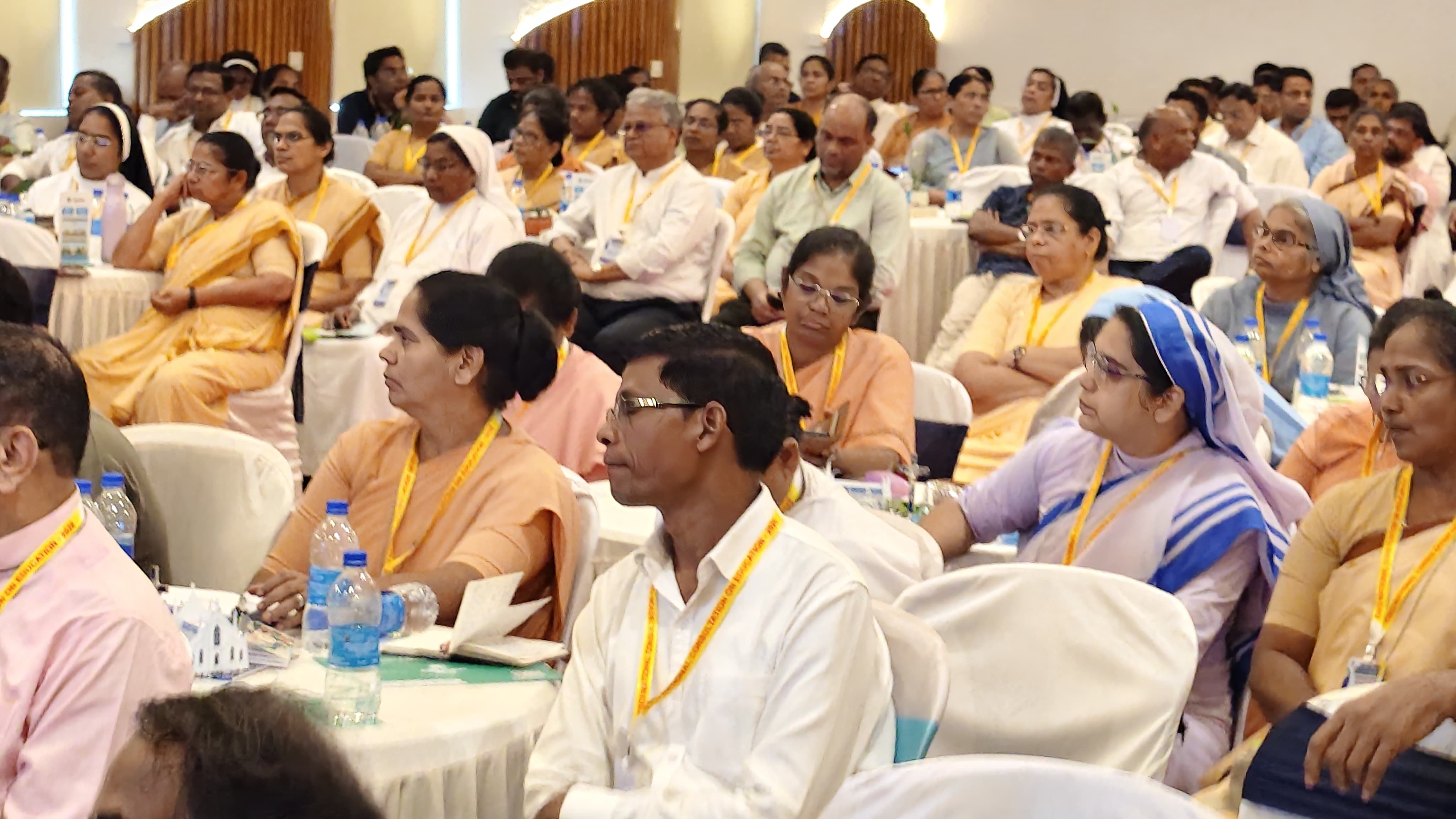
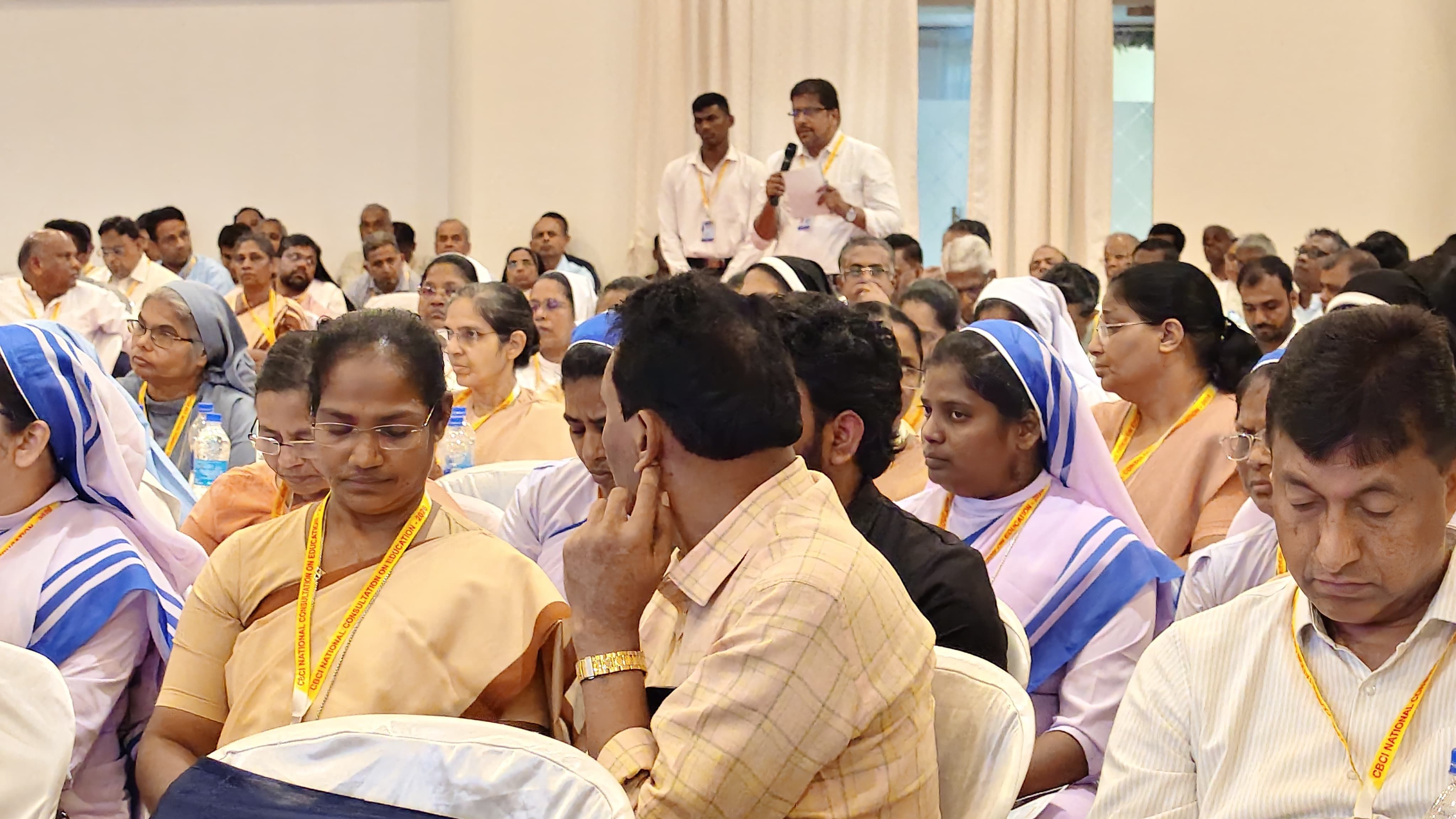
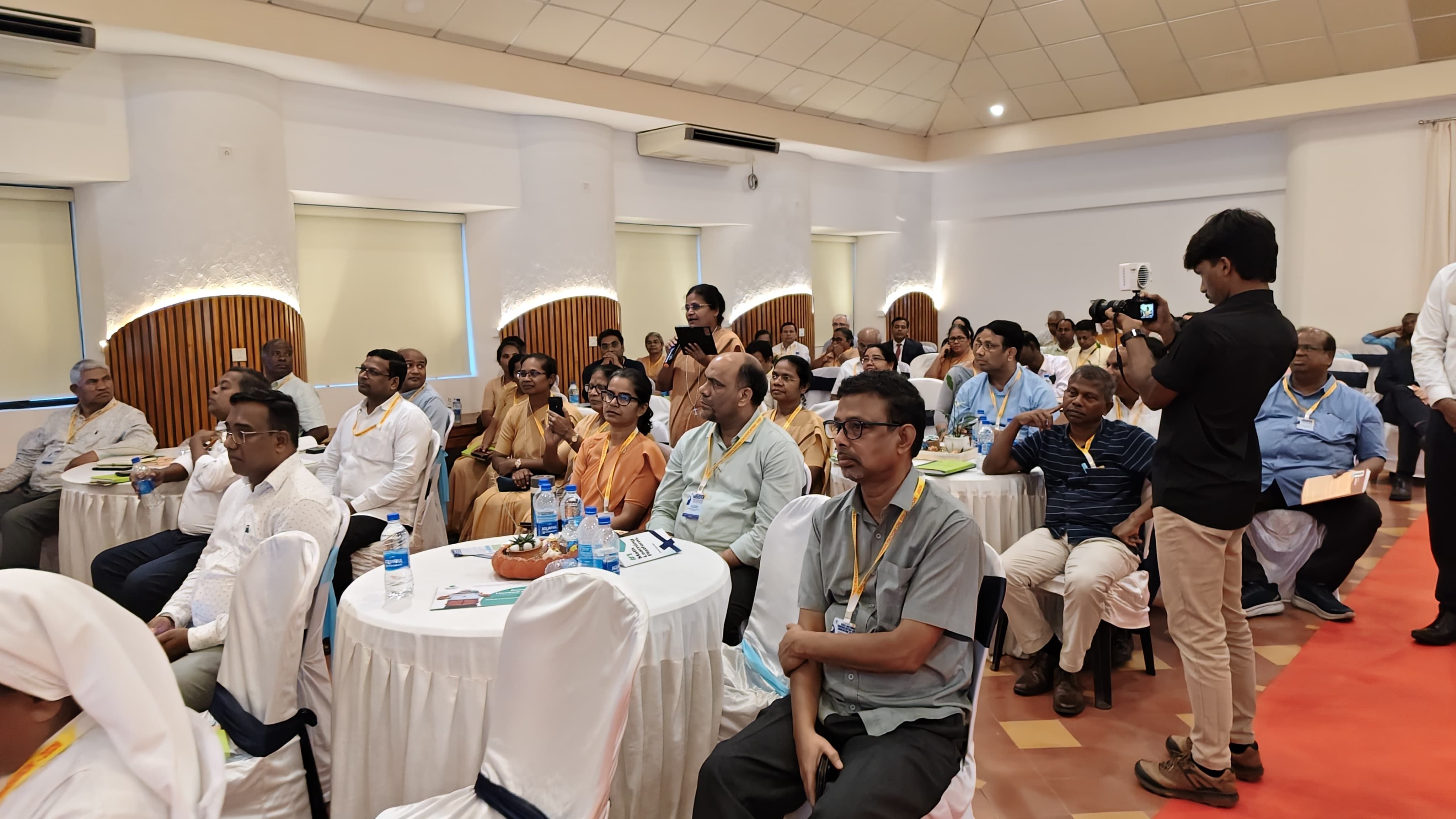
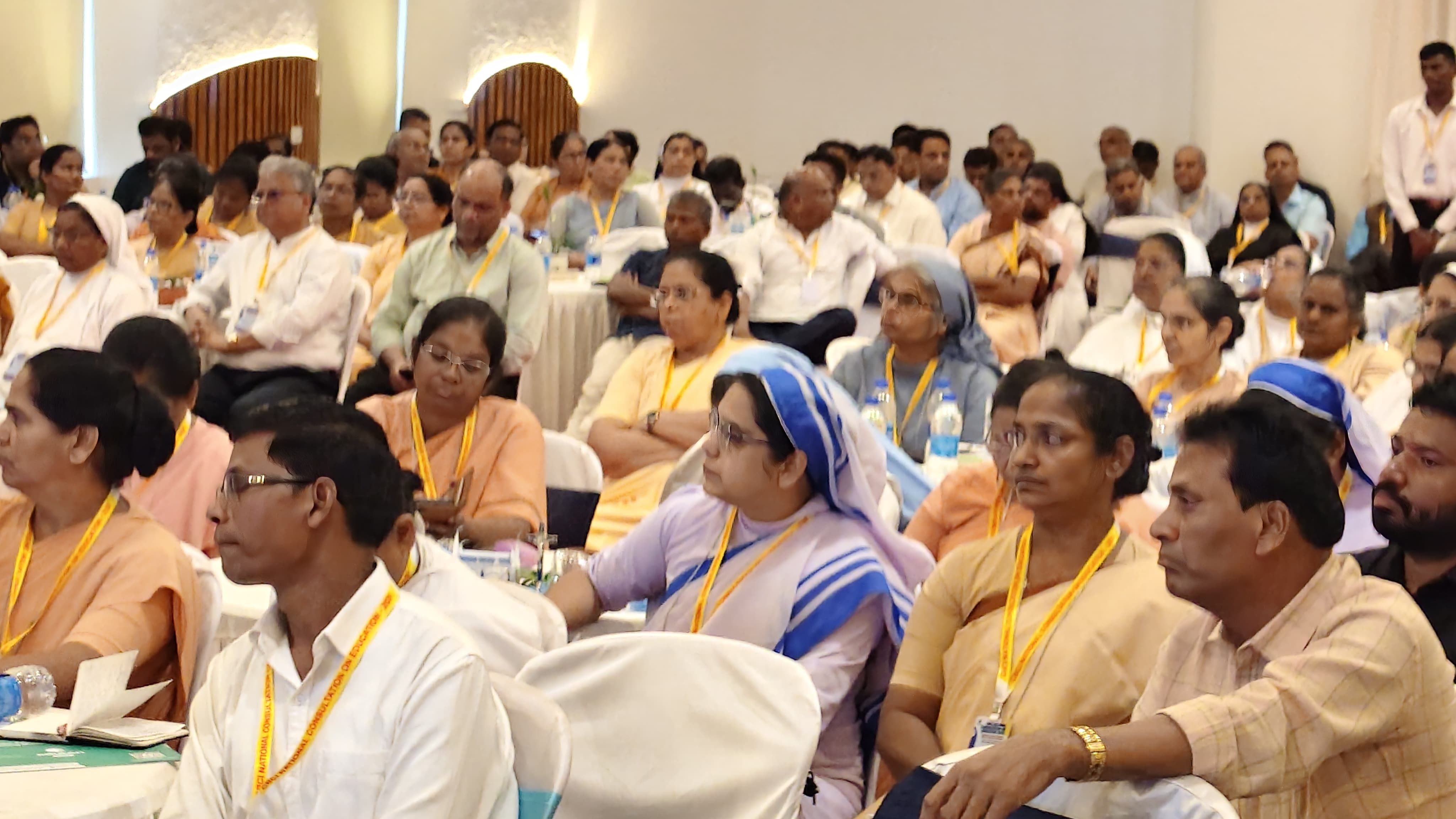
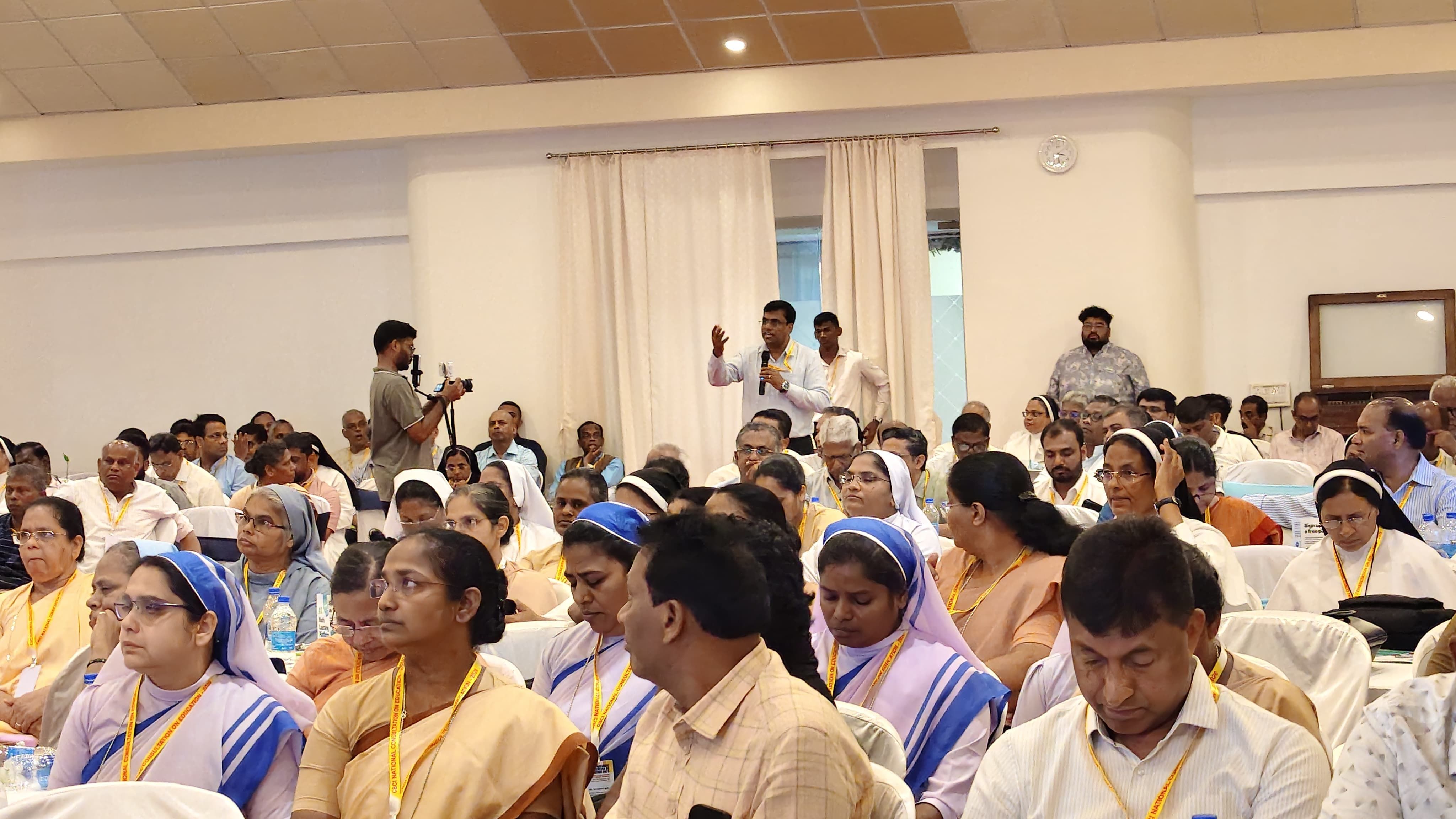
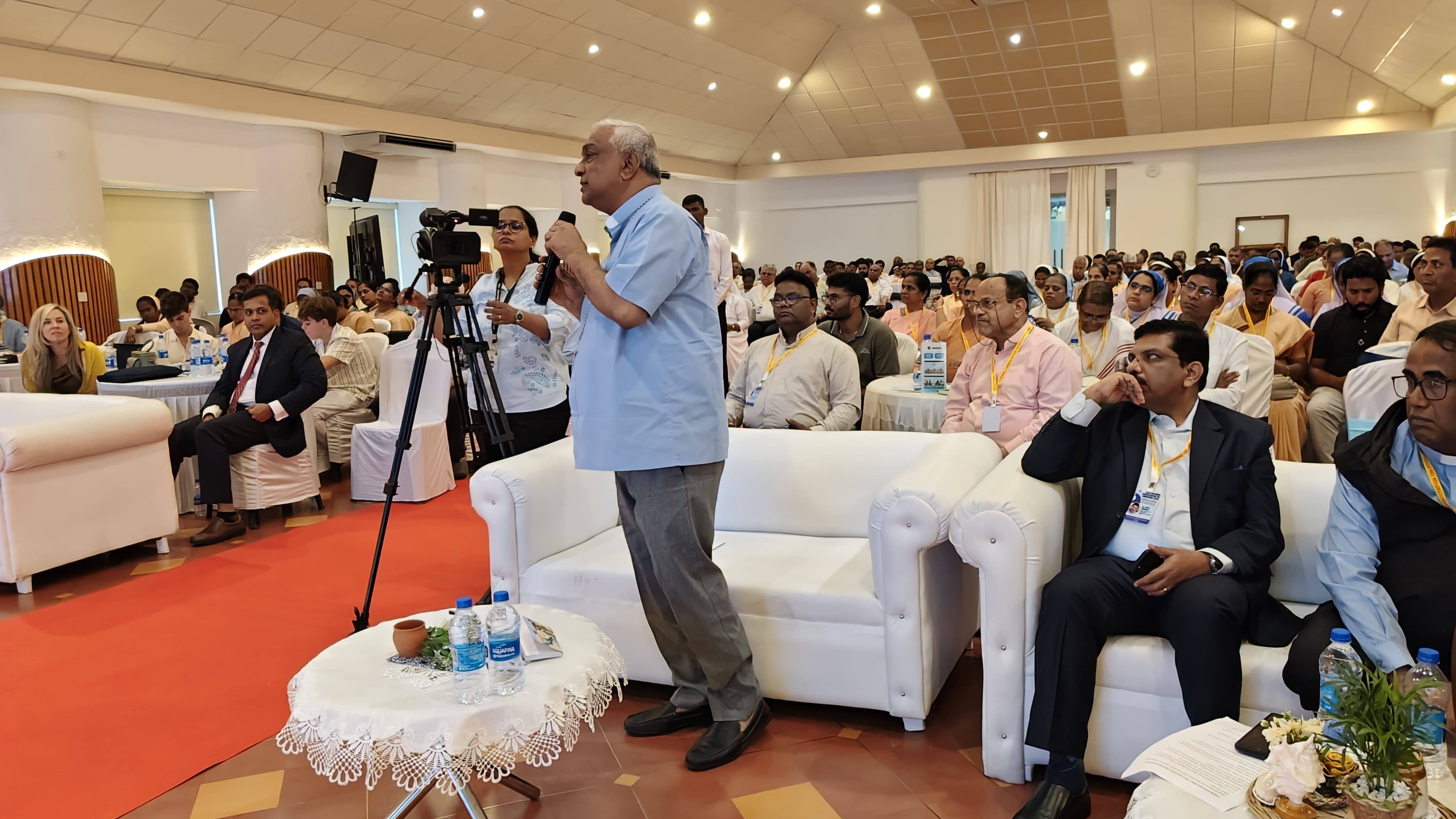
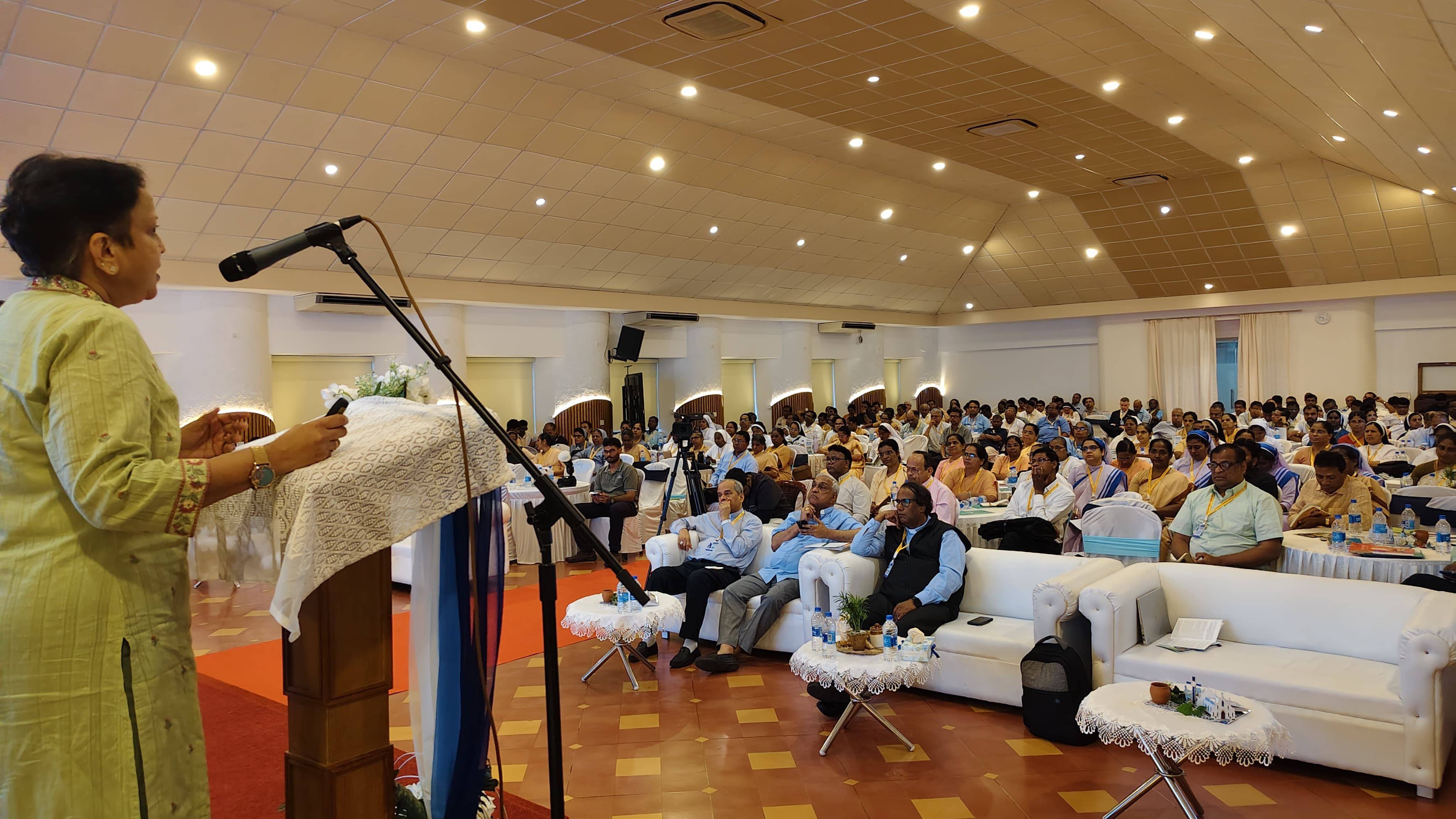
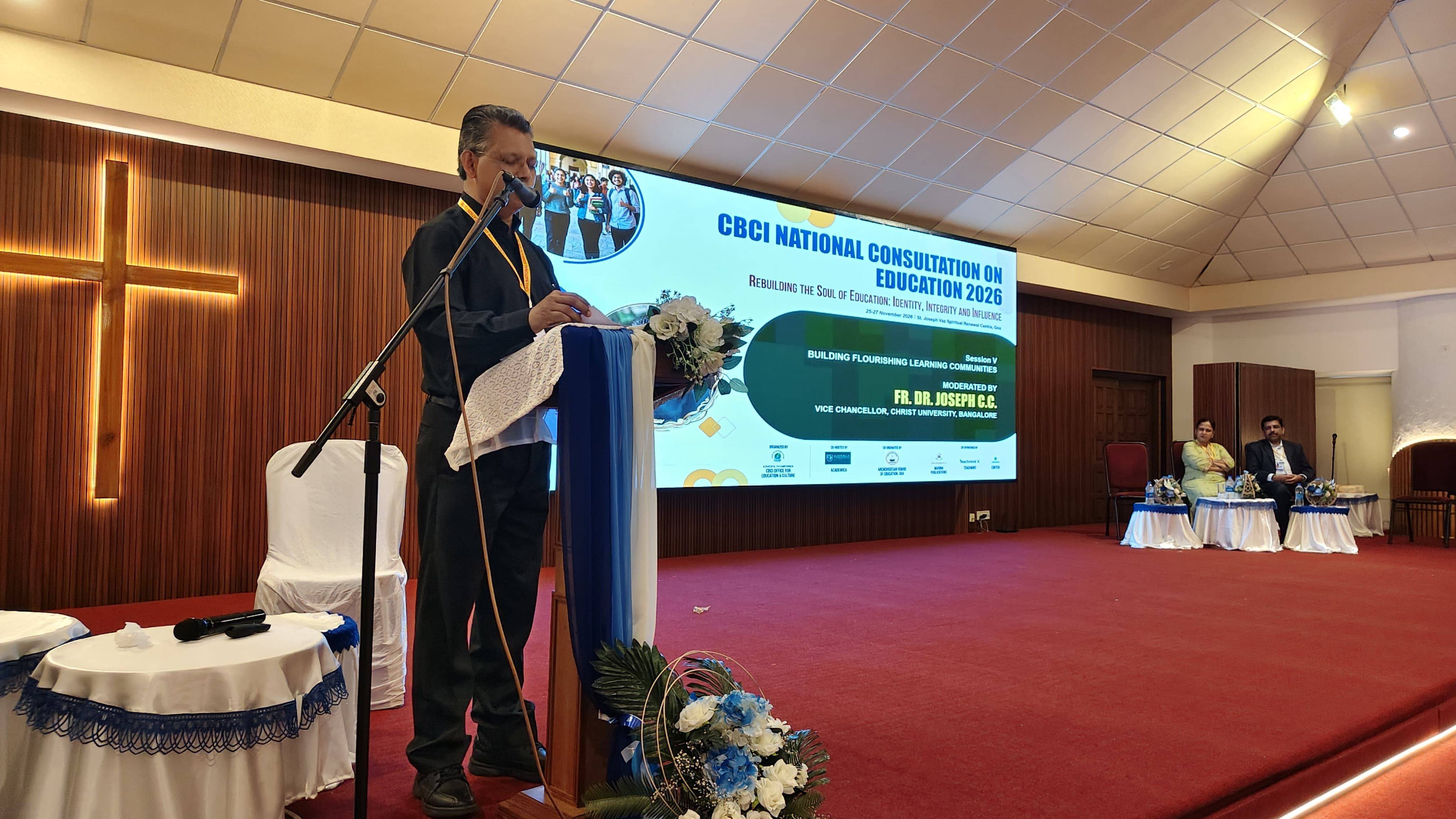
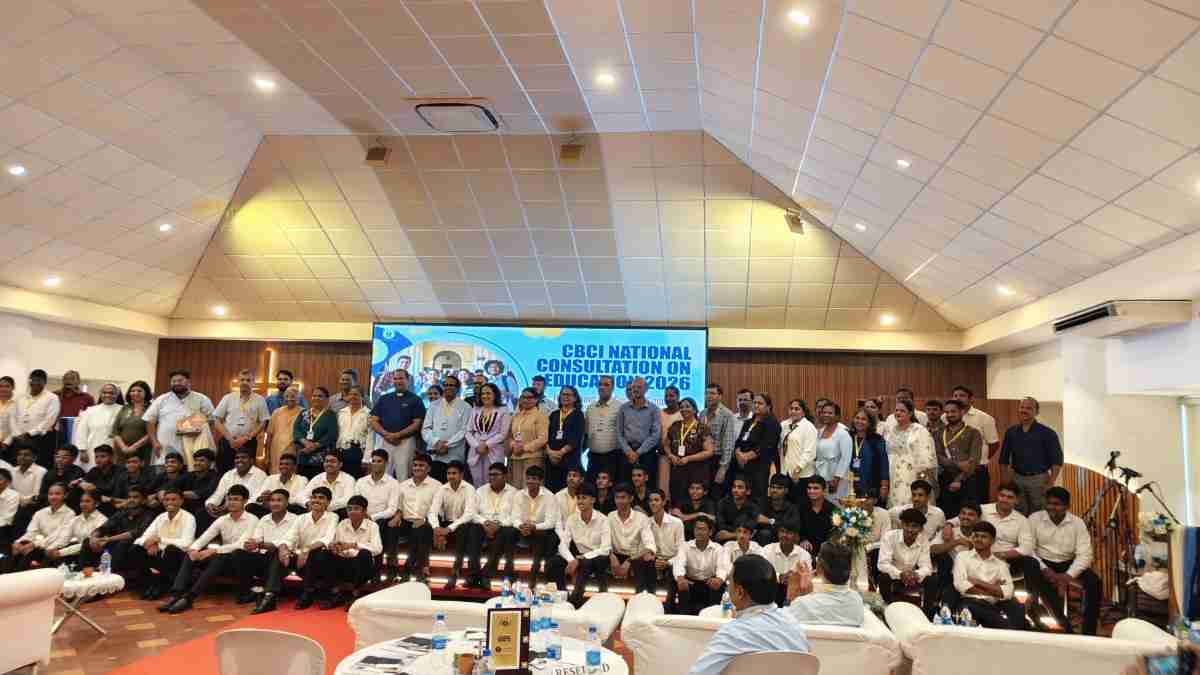
OLD GOA, November 26, 2026: Schools must move beyond examination results and academic rankings to create learning communities where every child feels safe, valued and encouraged to realise their potential, education experts said at the national consultation organised by the Catholic Bishops’ Conference of India (CBCI).


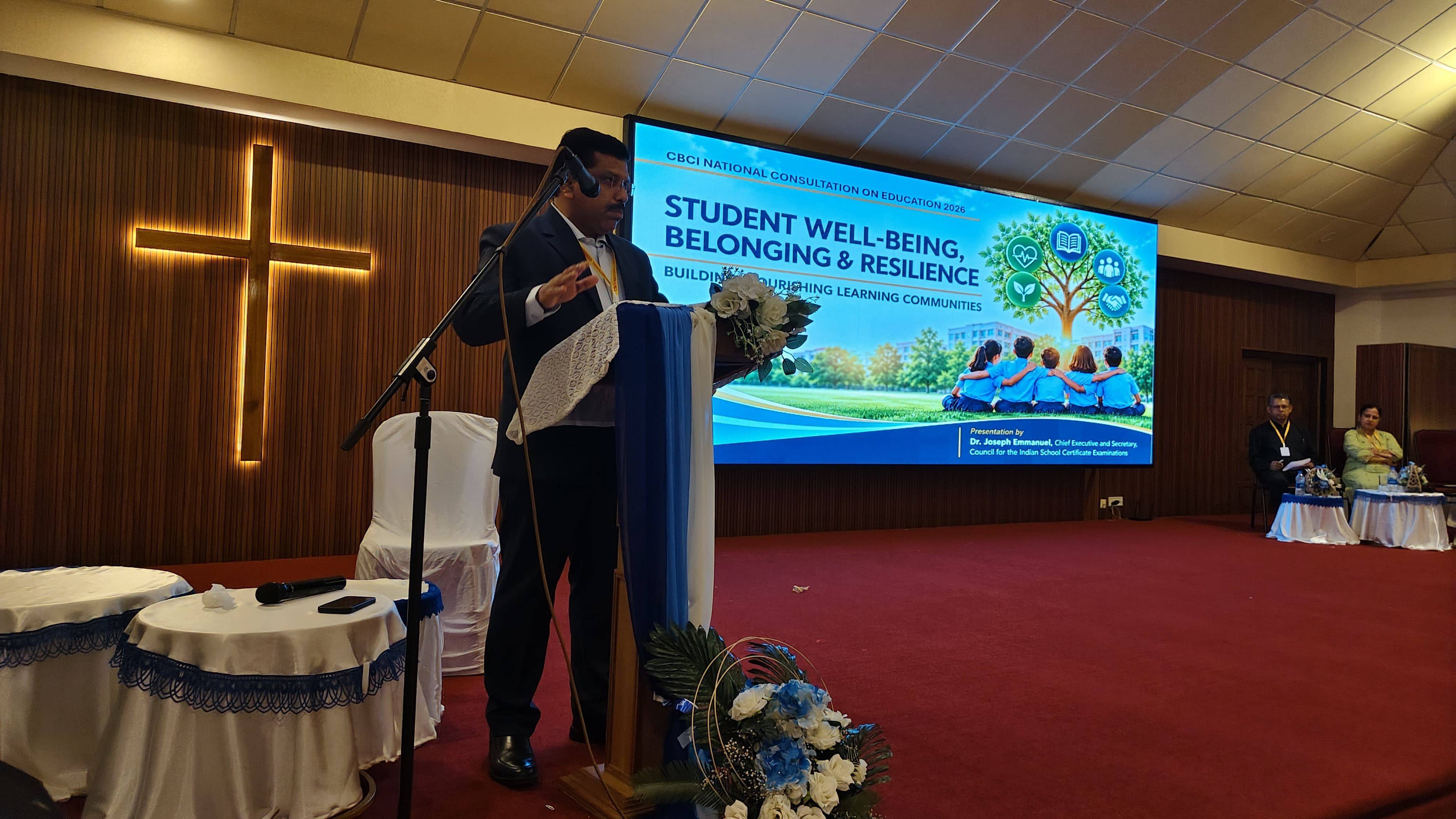
Addressing a session on “Building Flourishing Learning Communities” on November 26, Dr Joseph Emmanuel, Chief Executive and Secretary of the Council for the Indian School Certificate Examinations (CISCE), and Dr Suma Singh, Registrar of Mount Carmel (Deemed to be University), Bengaluru, stressed the importance of student well-being, a sense of belonging and the role of teachers in nurturing resilience and hope.
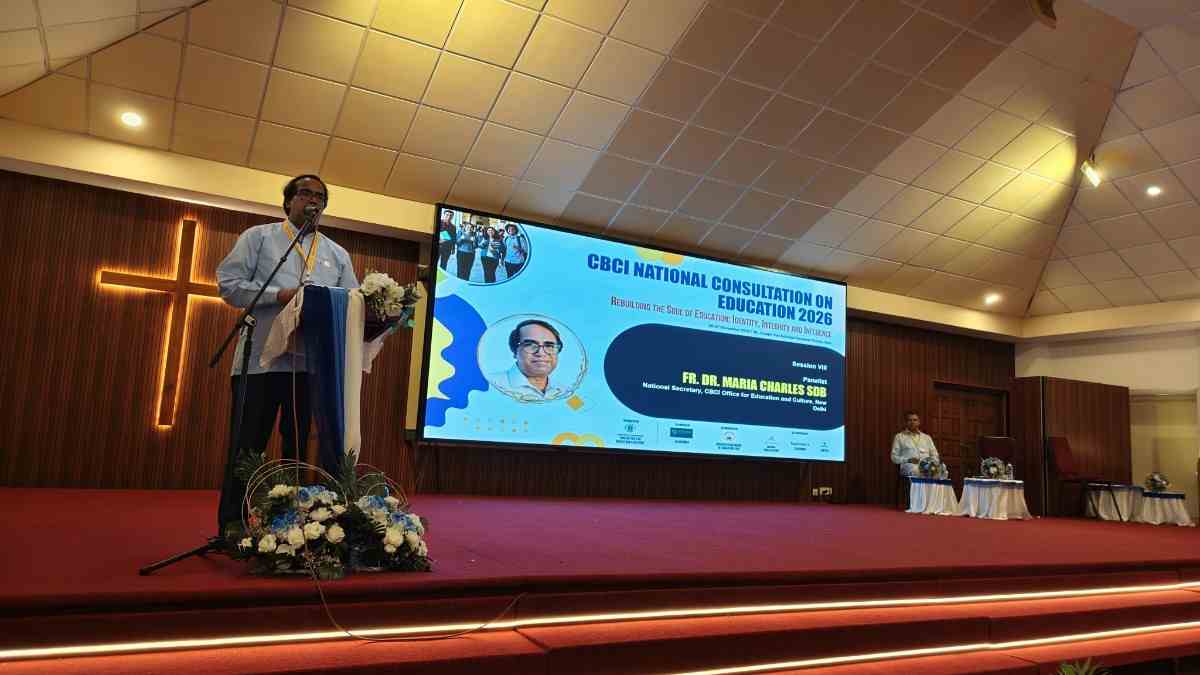
The session, moderated by Dr Joseph C.C., Vice-Chancellor of Christ University, Bengaluru, was held on the second day of the CBCI National Consultation on Education 2026 at St Joseph Vaz Spiritual Renewal Centre, Old Goa.
Speaking on “Student Well-being, Belonging and Resilience”, Dr Emmanuel cited global reports indicating that one in seven adolescents aged 10 to 19 experiences a mental health condition, one in three learners faces bullying, and nearly one billion children experience some form of violence annually. Such challenges, he said, directly affect children's ability to learn and flourish.
He called for a shift from an education system primarily focused on examination results, rankings and career advancement to one that promotes holistic human development, in keeping with the National Education Policy 2020 and the vision of Catholic education.
Education, he said, must nurture intellectual growth, emotional well-being, meaningful relationships, personal agency, purpose and resilience. Its success should be measured not merely by what students know but by how they apply their knowledge in life.
Describing belonging as the foundation of effective learning, Dr Emmanuel said children must feel recognised and valued irrespective of their academic performance.
“A school becomes a community when every child knows, ‘I matter here’,” he said, emphasising the need for classrooms where students can express themselves without fear or humiliation and where diversity is respected.
He urged teachers to develop trusting relationships with students, guide them through personal and career-related challenges and identify situations requiring professional counselling.
Referring to CISCE initiatives, he highlighted the Care Fellowship, which encourages teachers to engage in counselling and resilience education, along with programmes promoting mental health and well-being.
He also called on schools to prepare students for emerging challenges such as artificial intelligence, misinformation, cyberbullying and an uncertain future. Critical thinking, emotional regulation, adaptability and the confidence to seek help, he said, were essential skills for young people.
Technology and artificial intelligence should strengthen the learning process rather than replace the human relationships at the heart of education, he added.
Teachers as mentors and architects of hope
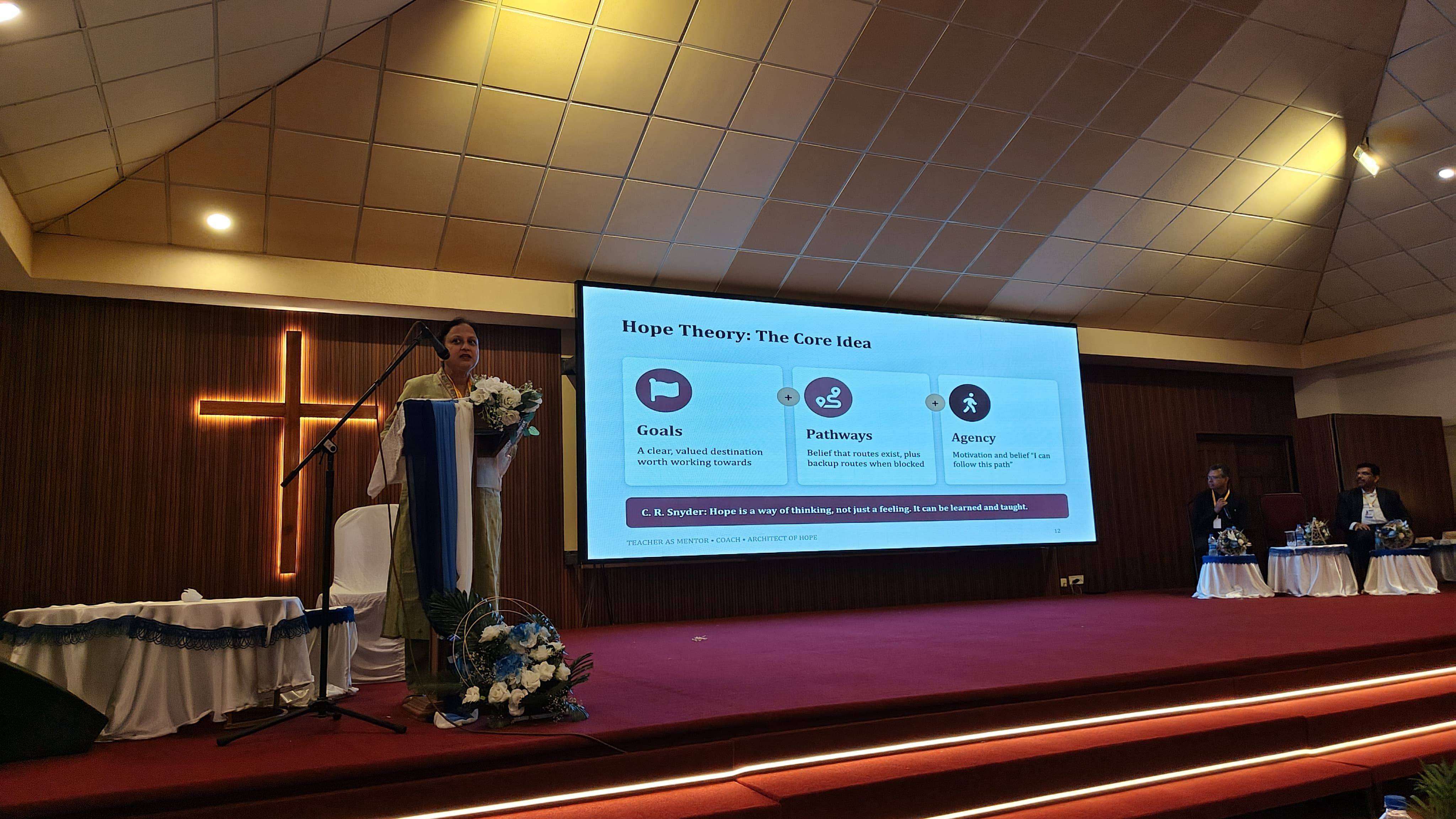
In her presentation on “Teachers as Mentors, Coaches and Architects of Hope”, Dr Singh said the lasting influence of teachers lay not simply in the lessons they taught but in the encouragement and confidence they gave their students.
“The young don't remember what you try to teach them. Let's be honest about it. But they remember what you are,” she said.
Identifying knowledge, capability and hope as three important dimensions of teaching, she said educators must help students understand concepts, develop practical abilities and believe in their capacity to achieve meaningful goals.
With information increasingly accessible through digital platforms and artificial intelligence, teachers must concentrate more on developing critical thinking, communication, practical skills and moral judgement.
Dr Singh described teachers as mentors who listen and guide students, coaches who help them develop abilities through clear goals and constructive feedback, and architects of hope who create inclusive and psychologically safe learning environments.
Drawing on psychologist C. R. Snyder's Hope Theory, she explained that hope develops through the ability to set goals, identify pathways to achieve them and sustain the motivation to act.
She suggested practical measures such as brief daily interactions with students, meaningful feedback and connecting learners with role models and opportunities.
Citing Anand Kumar's Super 30 initiative, she illustrated how sustained encouragement, guidance and access to opportunities could help students from disadvantaged backgrounds overcome barriers and pursue ambitious educational goals.
Both speakers called on educational institutions to build cultures of care, inclusion and participation, placing the well-being and development of every student at the centre of their mission.
Summing up the broader purpose of education, Dr Emmanuel said: “The true success of education is not simply the number of students who rise to the top, but the number of students we ensure are never left behind.”
Br. Malvino Alfonso OCD





© 2026 CATHOLIC CONNECT POWERED BY ATCONLINE LLP