- 27 November, 2026
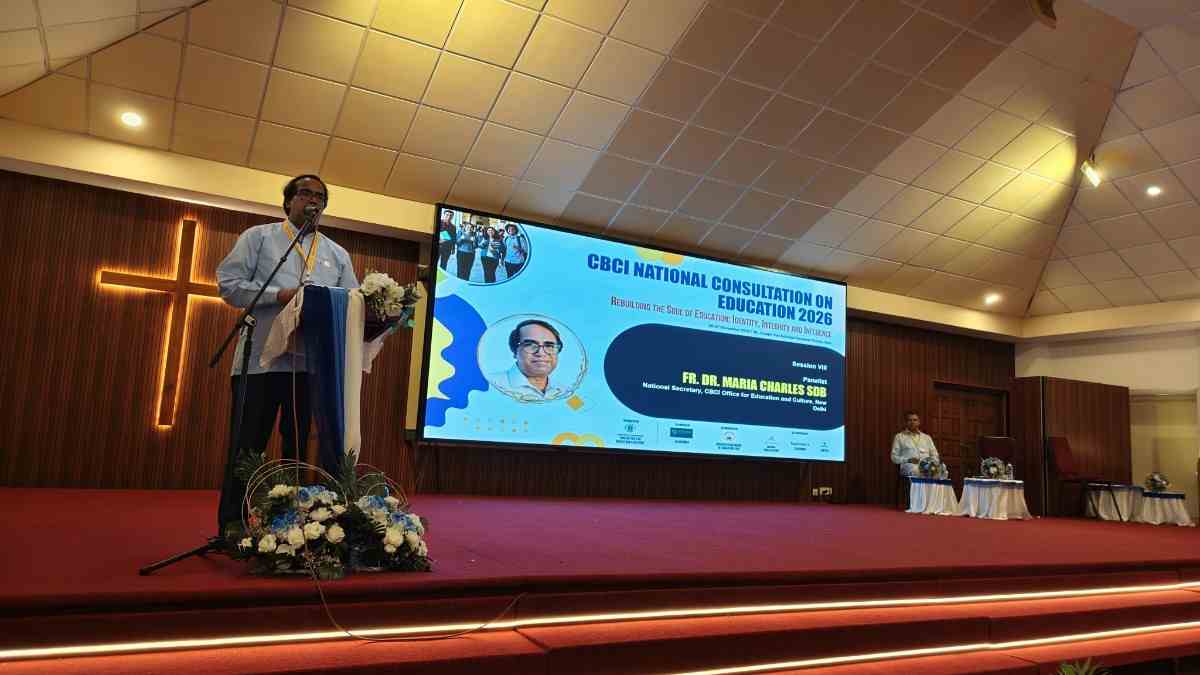
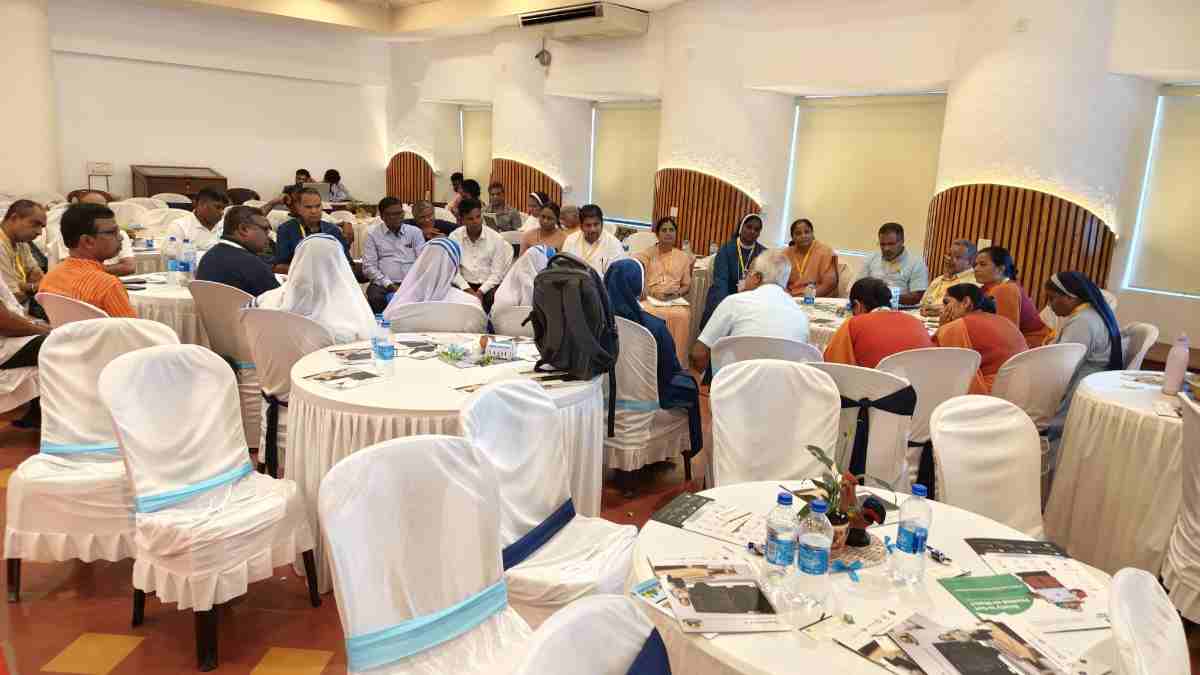
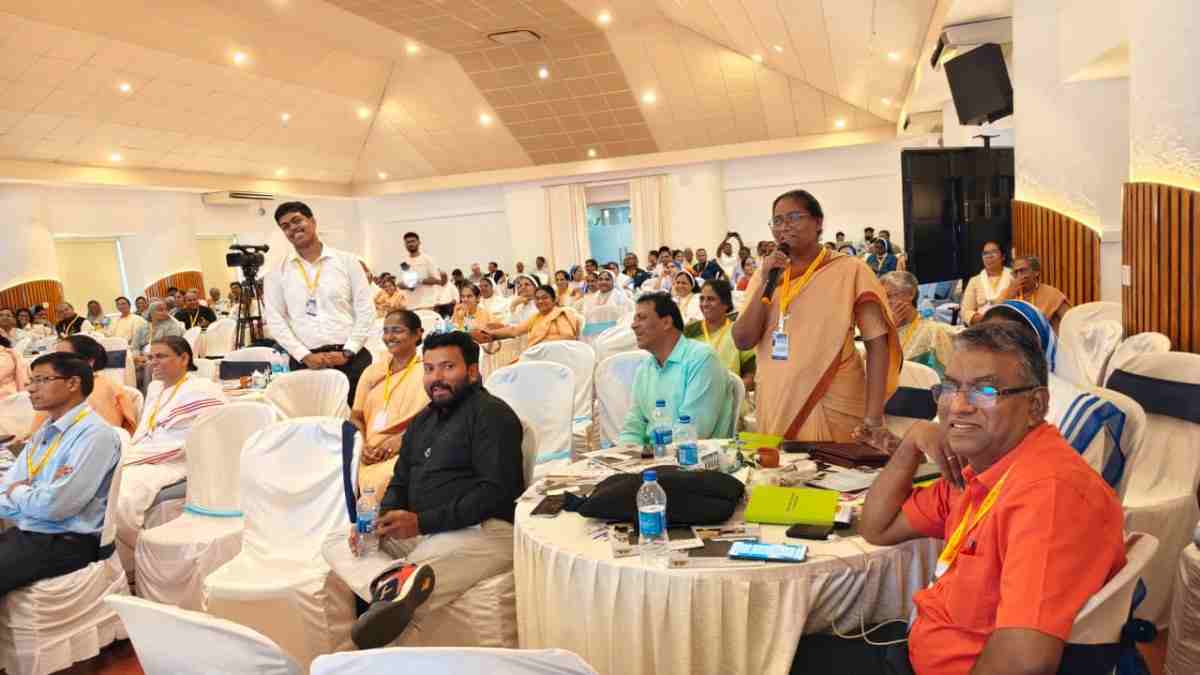
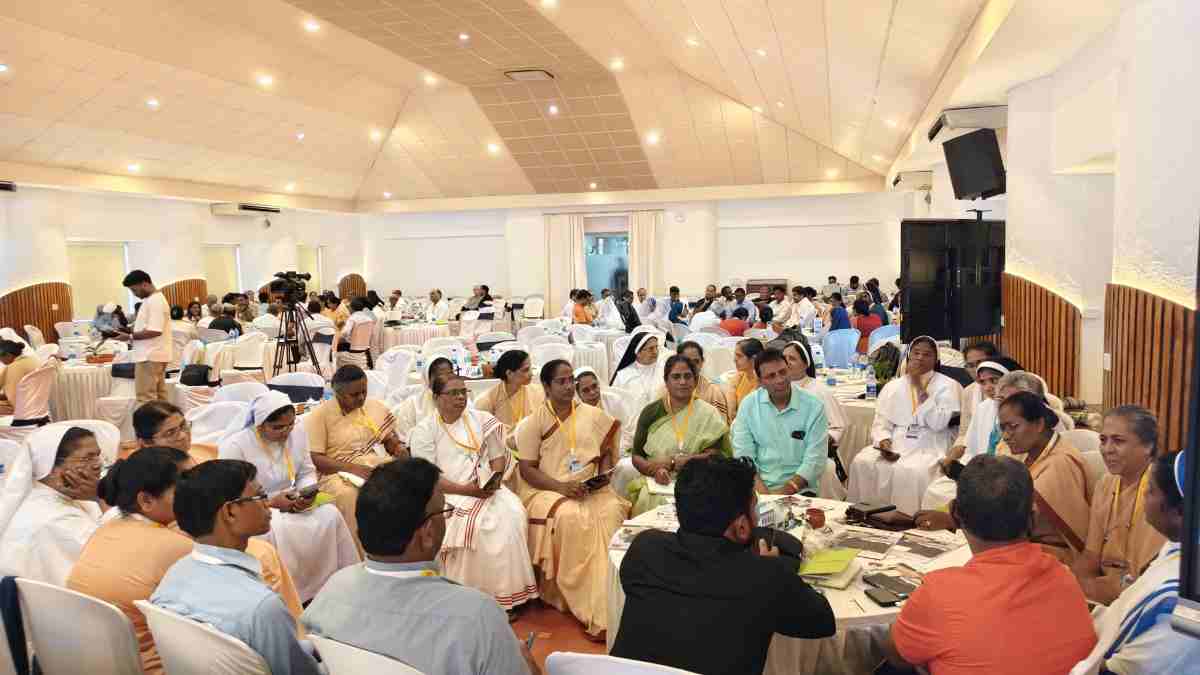
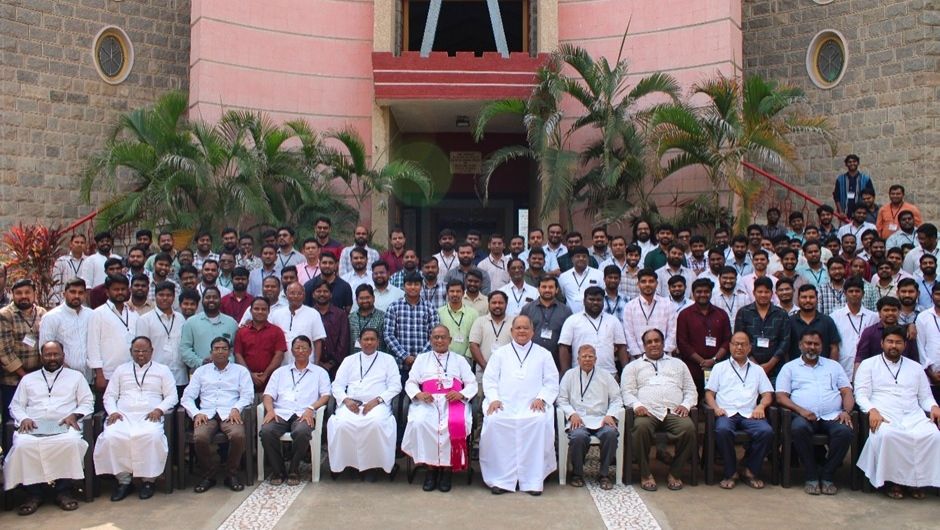
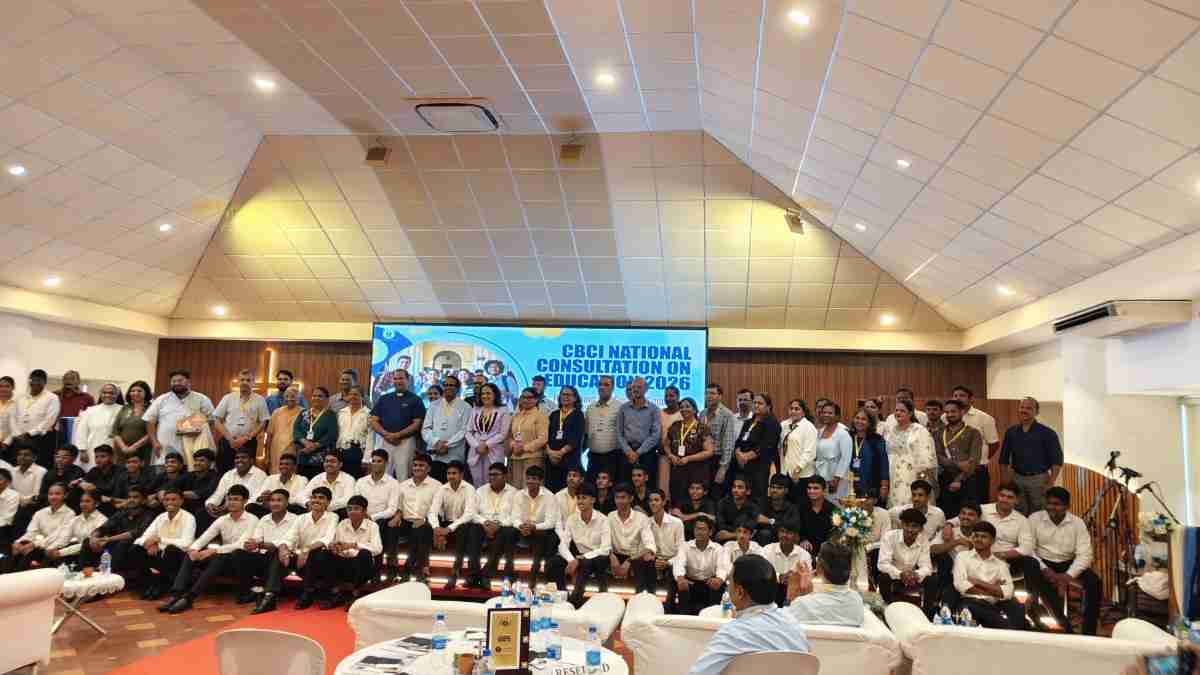
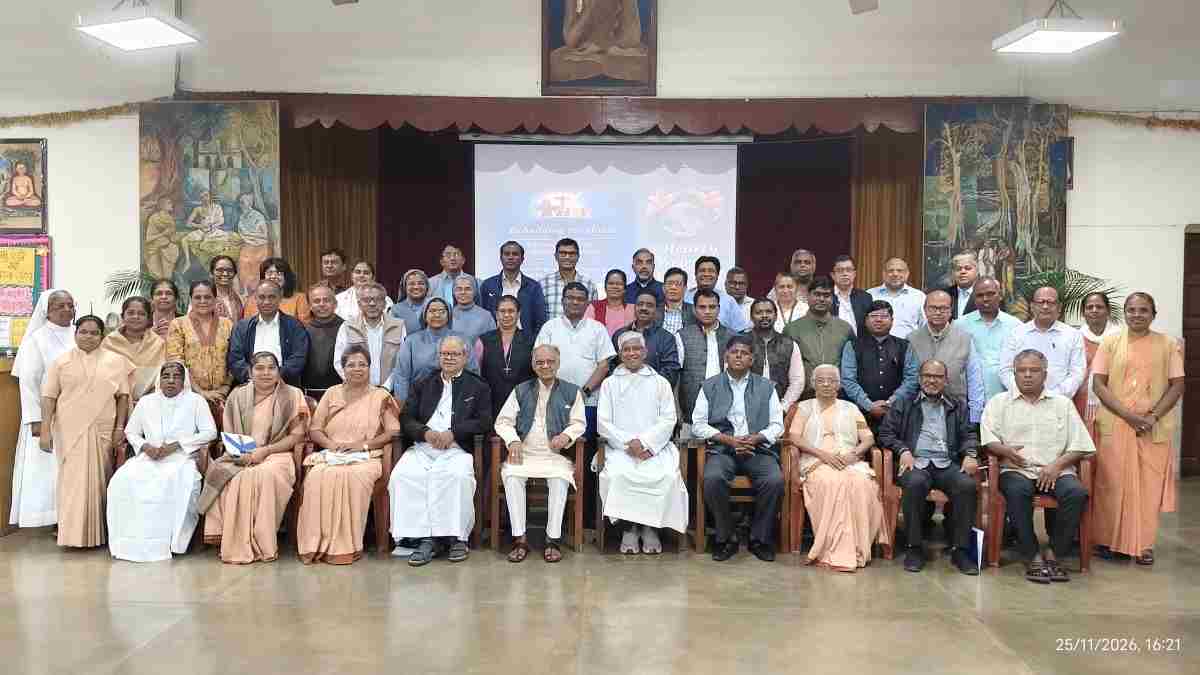
OLD GOA, November 27, 2026: Catholic education in India must move beyond institutional competition, academic elitism and the pursuit of prestige towards a coordinated national mission centred on the poor, excluded and disadvantaged, education leaders said at the CBCI National Consultation on Education 2026 in Old Goa.


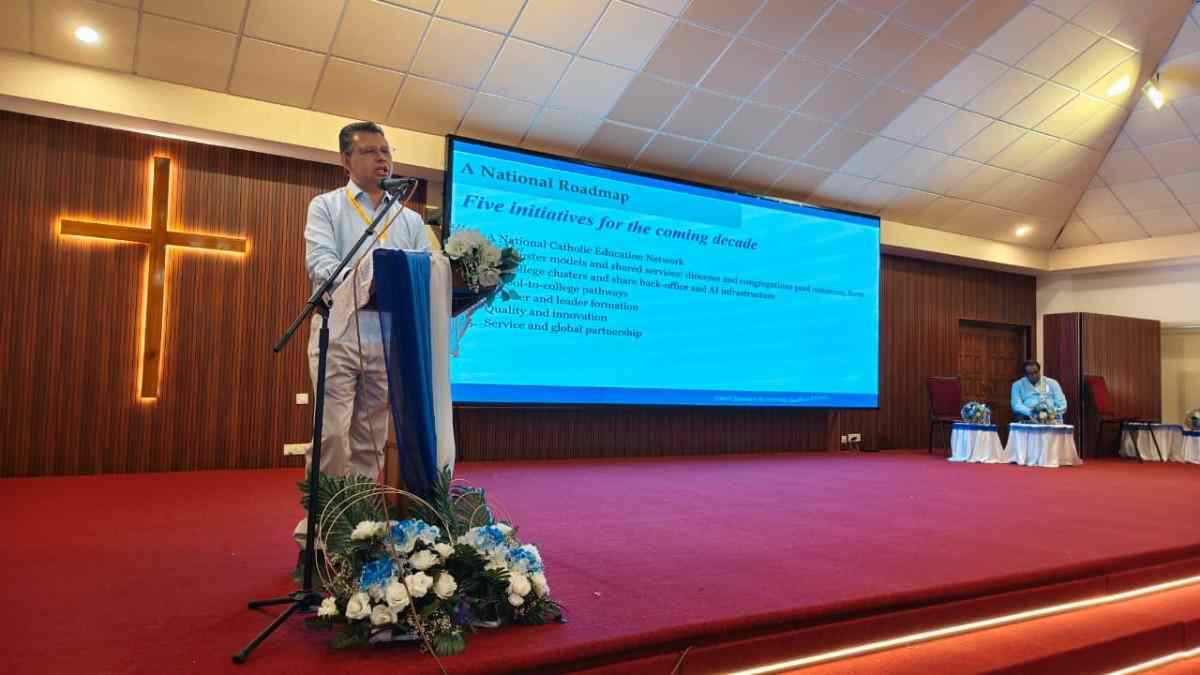
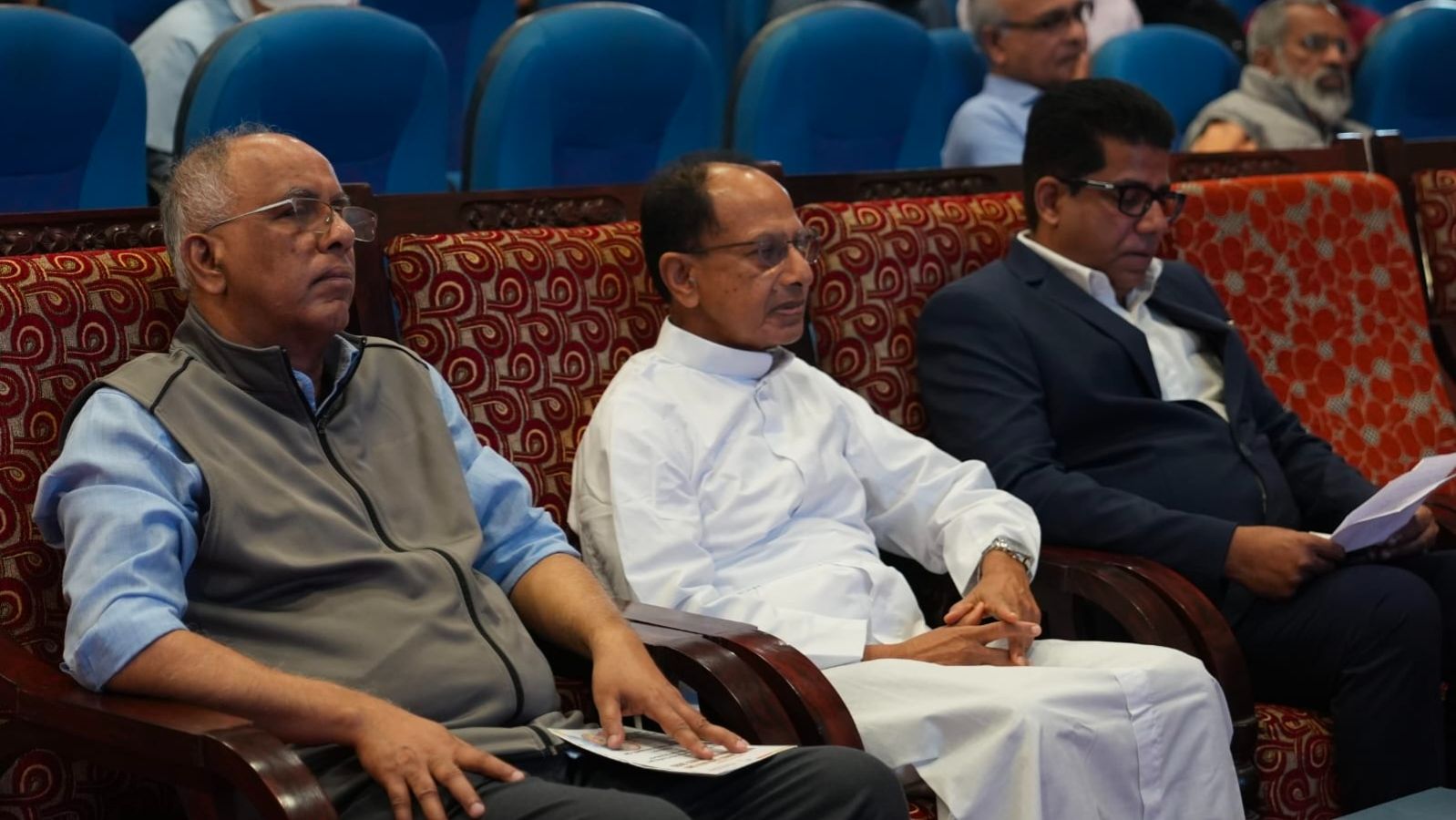
Speaking during a panel discussion on “Catholic Education 2040: Vision, Innovation and National Priorities” at St Joseph Vaz Spiritual Renewal Centre on November 27, Col Rev Dr Joseph C C, Vice Chancellor of Christ (Deemed to be) University, Bengaluru, and Dr Maria Charles SDB, National Secretary of the CBCI Office for Education and Culture, outlined a roadmap for transforming Catholic education over the next 14 years.
Joseph called for a strong national and international network of Catholic educational institutions to ensure that no child is denied access to quality education because of poverty, social background, disability or geographical disadvantage.
He urged institutions to prioritise first-generation learners, rural students, girls, children with disabilities and those from Scheduled Castes and Scheduled Tribes.
Stressing transparency and accountability, he said educational institutions must assess not only academic outcomes but also what students learn and how they progress after completing their studies.
He also drew attention to emerging developments in higher education, including artificial intelligence, four-year undergraduate programmes, honours degrees, one-year master's programmes, credit transfers and dual degrees.
Calling for education to extend beyond academic instruction, Joseph proposed making service-learning a compulsory component of all programmes by 2040. He also advocated a comprehensive database of Catholic educational institutions, stronger school-to-college pathways, systematic teacher and leadership formation, innovation and international partnerships.
Outlining three milestones for achieving the vision, he proposed establishing a national network and publishing baseline data by the end of 2028, ensuring educational pathways and teacher-formation programmes in every region by 2033, and releasing a public report on five key commitments by 2040.
He also highlighted Christ University's Higher Education Leadership Institute, which provides formation programmes for educational leaders at different stages of their careers.
Charles called for a fundamental shift from academic elitism, corporate-oriented professional training and institutional prestige towards equity, character formation and national transformation.
She cautioned against defining educational excellence merely through academic results, infrastructure and campus placements, emphasising that Catholic institutions must remain accessible to the poor, lower-middle-class families and socially disadvantaged communities.
Education, she said, must nurture five essential qualities — character, conscience, compassion, critical thinking and responsible citizenship — which she described as the five Cs of integral human development.
Presenting five national priorities, Charles highlighted strengthening Catholic identity, ensuring equity, promoting holistic formation, embracing human-centred digital innovation and contributing to a just, fraternal and sustainable India.
She urged Catholic institutions to adopt artificial intelligence and other emerging technologies without compromising human dignity, ethical responsibility and personal relationships.
Institutional values, she stressed, must also be reflected in everyday administrative practices, including fee structures, staff welfare, salaries and employment conditions.
Calling for a unified national framework, Charles said dioceses, religious congregations and educational institutions must work together rather than pursue independent initiatives. She also emphasised leadership formation, measurable institutional standards, periodic reviews and accountability mechanisms.
Envisioning Catholic education in 2040, she identified four foundational pillars: Gospel identity and formation, humanised innovation, radical equity for marginalised communities and a unified national voice.
Both speakers stressed that the future of Catholic education depended on moving from isolated institutional efforts to a collective national mission that prioritises the least privileged, forms responsible citizens and contributes to building a just and fraternal society.
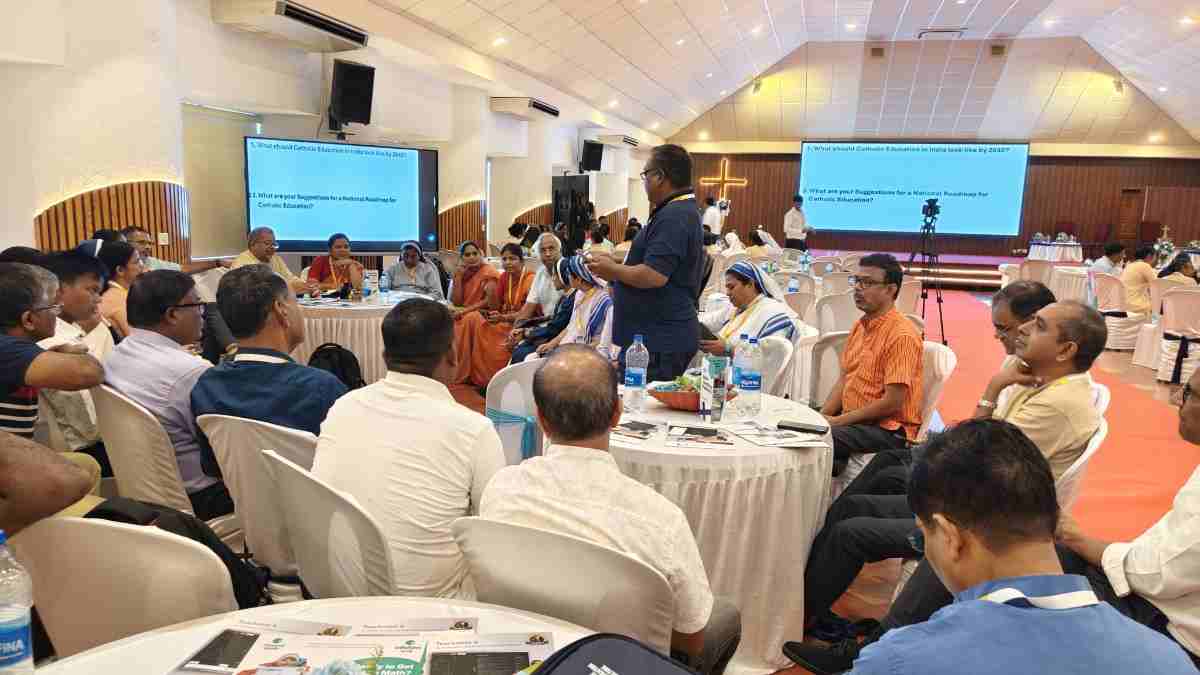
The panel discussion was followed by group discussions on two questions: “What should Catholic Education in India look like by 2040?” and “What are your suggestions for a National Roadmap for Catholic Education?”
Participants shared their perspectives and recommendations on the future direction of Catholic education and the need for a coordinated national roadmap to guide its development.
By Br. Malvino Alphonso, OCD




© 2026 CATHOLIC CONNECT POWERED BY ATCONLINE LLP