- 16 July, 2026

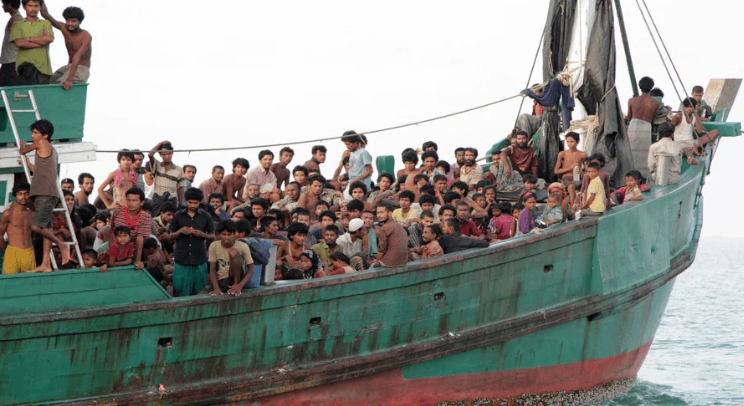
Myanmar, July 15, 2026: More than 500 people, most of them Rohingya refugees fleeing violence and persecution, are feared to have died after two overcrowded boats reportedly capsized off the coast of Myanmar, raising fears of one of the deadliest refugee maritime disasters in recent years.


According to the United Nations High Commissioner for Refugees (UNHCR) and the International Organization for Migration (IOM), the two vessels disappeared in separate incidents after departing from Myanmar's conflict-ridden Rakhine State in late June and early July. One boat carrying about 250 people reportedly vanished soon after leaving the coast, while another, believed to have had around 280 passengers on board, is thought to have capsized off Myanmar's Ayeyarwady coast on July 8.
The passengers were reportedly predominantly Rohingya refugees, including families who had left overcrowded camps in neighbouring Bangladesh in the hope of finding safety and a more secure future in Southeast Asia. Search efforts and investigations are continuing, but officials fear that the chances of finding additional survivors are rapidly fading.


In a joint statement, UNHCR and IOM expressed deep concern over the reported tragedies, describing them as a stark reminder of the desperation that continues to drive vulnerable people to undertake perilous sea journeys. The agencies noted that many Rohingya remain trapped between armed conflict, persecution and severe humanitarian hardship, leaving them with few safe alternatives.
The UN agencies urged governments across the region to strengthen search-and-rescue operations and uphold their international obligations to protect those fleeing violence and persecution. They also called for greater international cooperation to address the root causes of displacement and provide safe pathways for refugees.
For the Church, the tragedy echoes Pope Leo XIV's repeated appeals to uphold the dignity of every human person, especially migrants and refugees who are forced to leave their homes in search of safety. Catholic social teaching consistently affirms that those fleeing war, persecution and extreme hardship deserve protection, solidarity and compassionate care rather than indifference.
The Rohingya, a predominantly Muslim minority from Myanmar, have endured decades of discrimination, statelessness and displacement. While many remain confined within Myanmar amid ongoing conflict, nearly one million continue to live in refugee camps in Bangladesh, where limited opportunities for education, employment and long-term resettlement have driven many to risk dangerous sea crossings.
According to UN figures, more than 5,400 Rohingya have attempted hazardous maritime journeys during 2026 alone. Humanitarian agencies describe the Bay of Bengal and the Andaman Sea as among the world's deadliest refugee migration routes. In 2025, more than 6,500 Rohingya fled by sea, with nearly 900 reported dead or missing.
Aid organisations warn that worsening conditions in Myanmar's Rakhine State, coupled with shrinking humanitarian assistance and deteriorating living conditions in refugee camps, continue to push desperate families into the hands of smugglers and onto unsafe boats.
As investigations continue into the latest tragedy, hundreds of families remain without news of missing relatives. Humanitarian organisations fear the death toll could rise further if the reports are confirmed, renewing urgent calls for the international community to respond with greater compassion, responsibility and a renewed commitment to safeguarding the lives and dignity of displaced people.
By Catholic Connect Reporter
Picture Courtesy : Maritime India
© 2026 CATHOLIC CONNECT POWERED BY ATCONLINE LLP