- 16 July, 2026

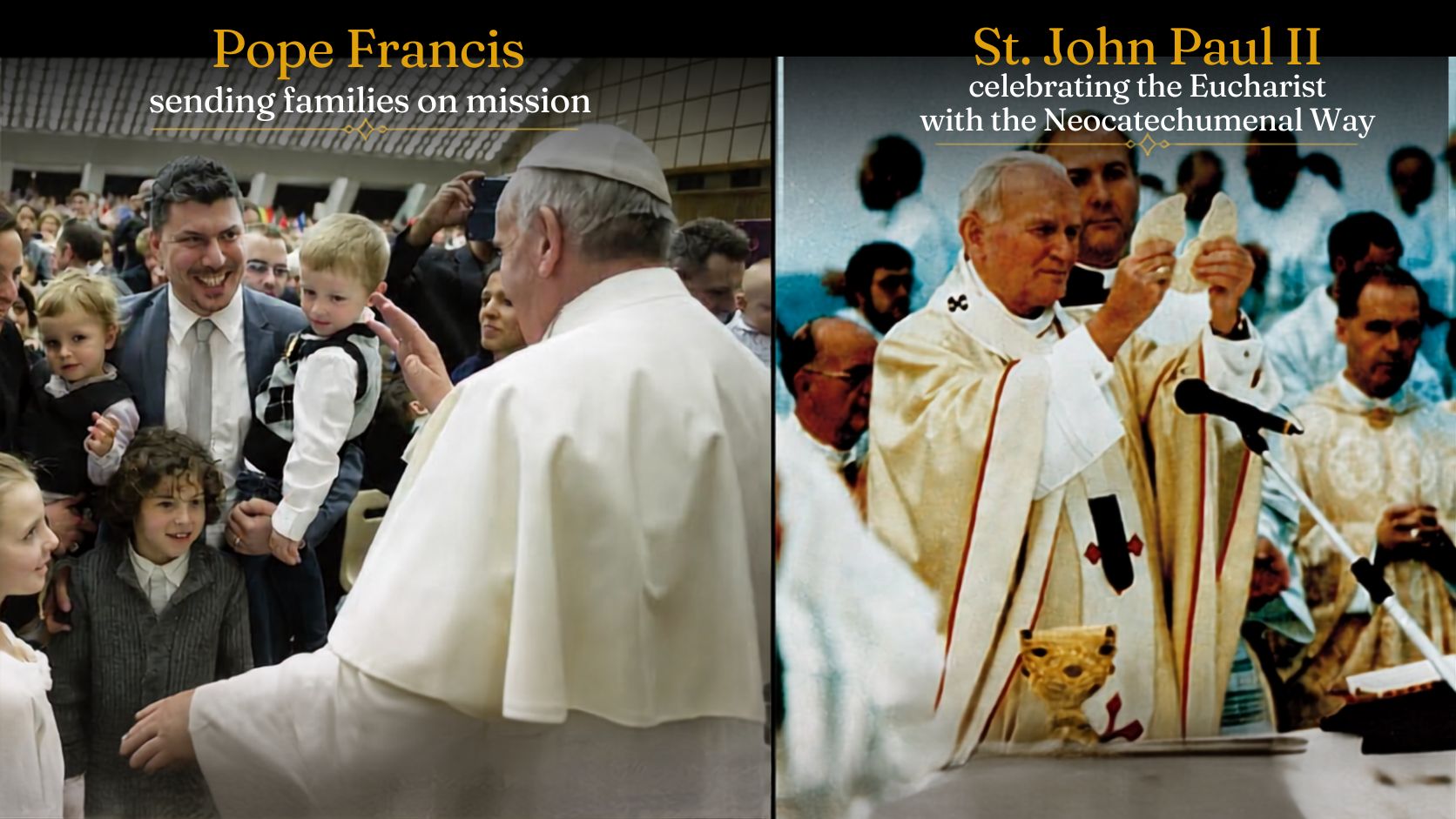
July 16, 2026: From the shantytowns of Madrid to parishes across India, the Neocatechumenal Way has quietly become a worldwide journey of Catholic faith, helping baptised Christians rediscover the richness of their Baptism and live the Gospel more deeply. Today, present in around 135 countries, it continues to renew parish communities through the Word of God, the Eucharist and community fellowship.
But what exactly is the Neocatechumenal Way? Is it a separate movement within the Catholic Church? What happens in its communities, and why has it spread across the world? These are questions many Catholics ask. The answers lie in a journey of faith that seeks to help baptised Christians rediscover the grace of their Baptism while remaining fully rooted in parish life.
The Neocatechumenal Way is not a separate movement or denomination within the Catholic Church. Rather, it is a post-baptismal catechumenate—a gradual journey of Christian formation inspired by the early Church's process of preparing adults for Baptism.


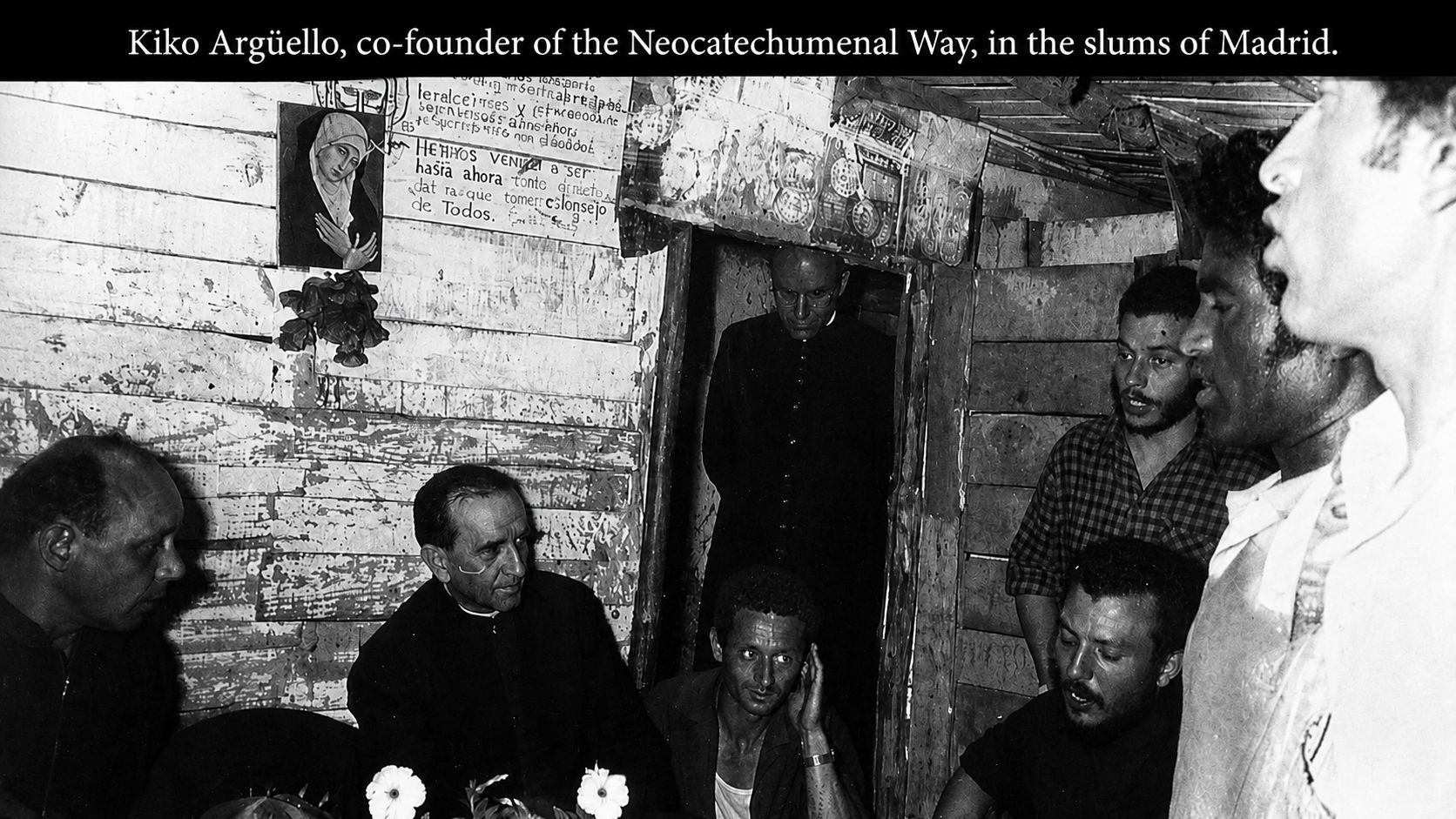
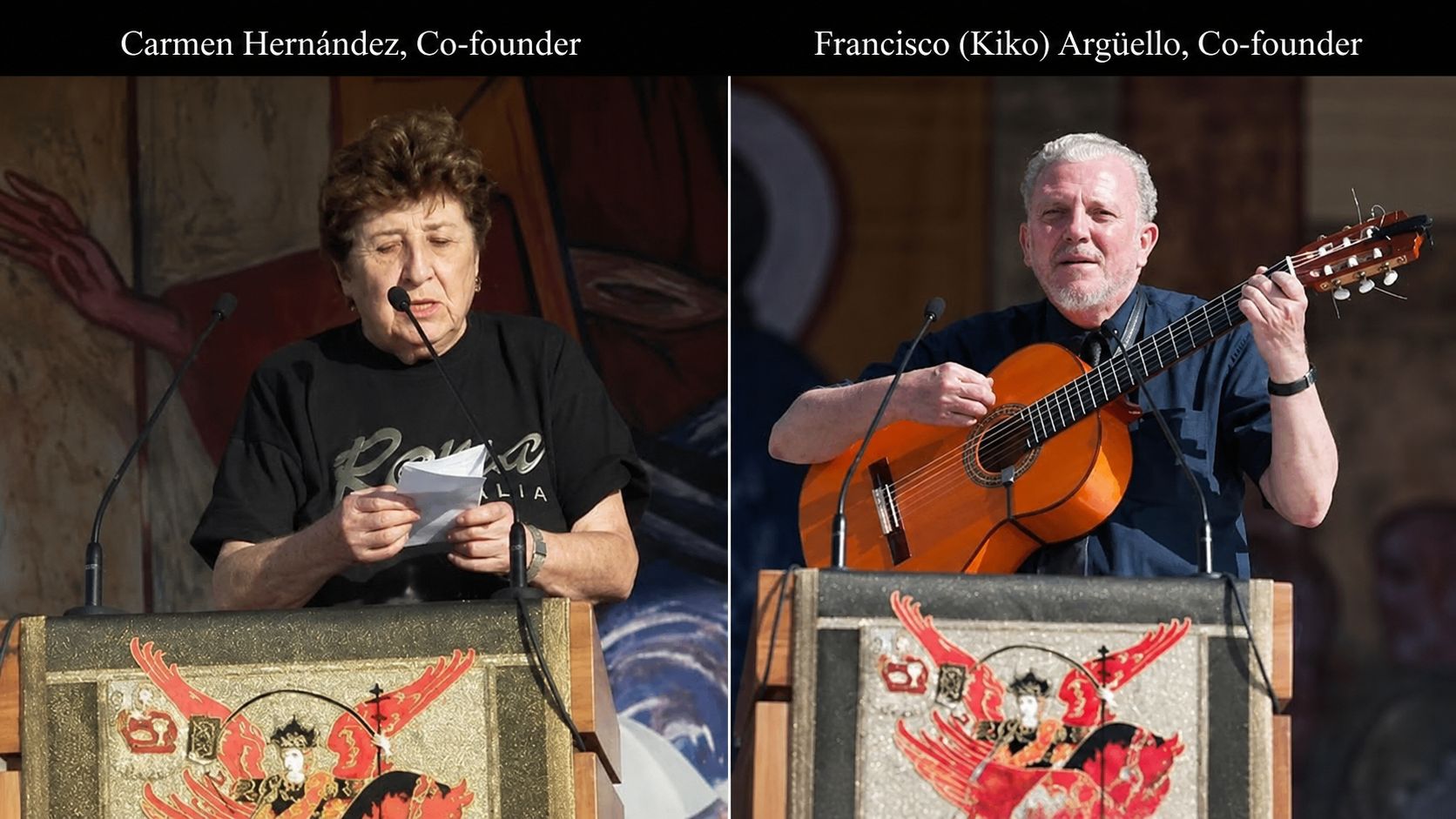
Founded in the 1960s by Spanish laypeople Francisco Argüello and Carmen Hernández, the Way began among the poor living in the shantytowns of Madrid. As lives were transformed through the Word of God, Church leaders recognised that this experience reflected the renewal called for by the Second Vatican Council. It was later introduced into parish life, first in Rome, before spreading worldwide.
Bringing the Way to India
The Neocatechumenal Way arrived in India through the efforts of Fr. Zacharias Mattam, SDB, who experienced the Way while studying in Rome. He invited one of its missionary teams to begin the itinerary in India.
The first Neocatechumenal community was established at St. Francis Xavier's Cathedral, Bengaluru, under Fr. William D'Mello, who later became Bishop of Karwar. From there, the Way spread to other parishes and is now present in over 10 dioceses across India, including Bengaluru, Karwar, Mumbai, Pune, Delhi, Chennai, Pondicherry, Kolkata, Kochi and Nellore.
Rediscovering Baptism
The Way seeks to recover the ancient catechumenate of the early Church, when adults underwent an extended period of formation before receiving Baptism, Confirmation and the Eucharist. Today, it offers baptised Catholics an itinerary of faith which starts with the announcement of the kerygma (Good News), calling people to conversion and thereby introducing them to the Word of God and the life of the sacraments while remaining fully integrated in the parish.
Members meet regularly around three essential pillars of Christian life—the Word of God, the Eucharist and the Christian community—often described as a "tripod". The journey unfolds gradually over many years and culminates in a solemn renewal of baptismal promises during the Easter Vigil, not as a second Baptism but as a conscious reaffirmation of the promises once made on their behalf.
Fruits in the Indian Church
Priests involved in the Way say it has borne visible fruits in India. Families have embraced an openness to life, many young people have rediscovered their faith through the Word of God and community life, and numerous priestly vocations have emerged.
India now has three Redemptoris Mater Seminaries—in Bengaluru, Pune and Ranchi—which form seminarians from Neocatechumenal communities across the country. While incardinated into their dioceses, these priests receive missionary formation and remain available for service wherever the Church sends them.
Many large families have offered themselves for mission work in different parts of India, besides this a number of young men and women have willingly offered themselves for the work of evangelisation, numerous vocations to priestly life and religious life have emerged from the neocatechumenal communities.
Those involved in the Way also point to its contribution in helping parishes embrace the vision of the Second Vatican Council through deeper participation in the liturgy, especially the Easter Vigil, while strengthening parish communities through ongoing Christian formation.
More than a programme or movement, the Neocatechumenal Way is a charism inspired by the Holy Spirit in the Catholic Church, which is a lifelong journey of conversion aimed at helping the people of this generation to continually deepen their relationship with Christ through the Word of God, the sacraments and life in a Christian community.
By Catholic Connect Reporter
© 2026 CATHOLIC CONNECT POWERED BY ATCONLINE LLP