- 23 September, 2026
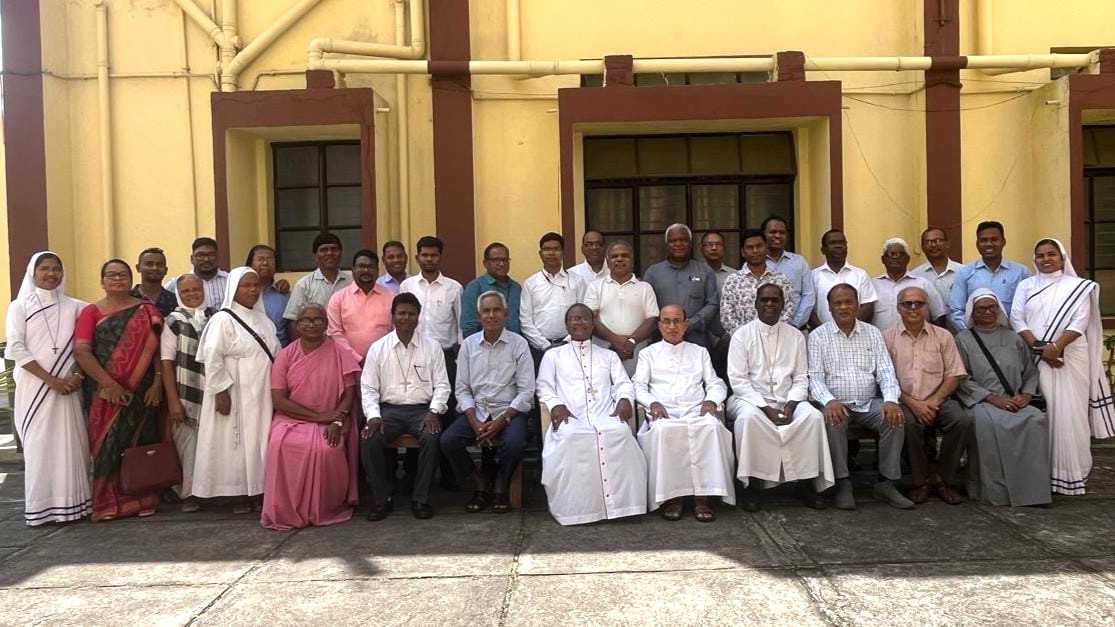
RANCHI, September 23, 2026: Bishops, priests, religious and lay representatives from the eight dioceses of Jharkhand have agreed to prepare a regional pastoral plan by the end of 2026 as part of a coordinated effort to implement the CCBI Pastoral Plan.


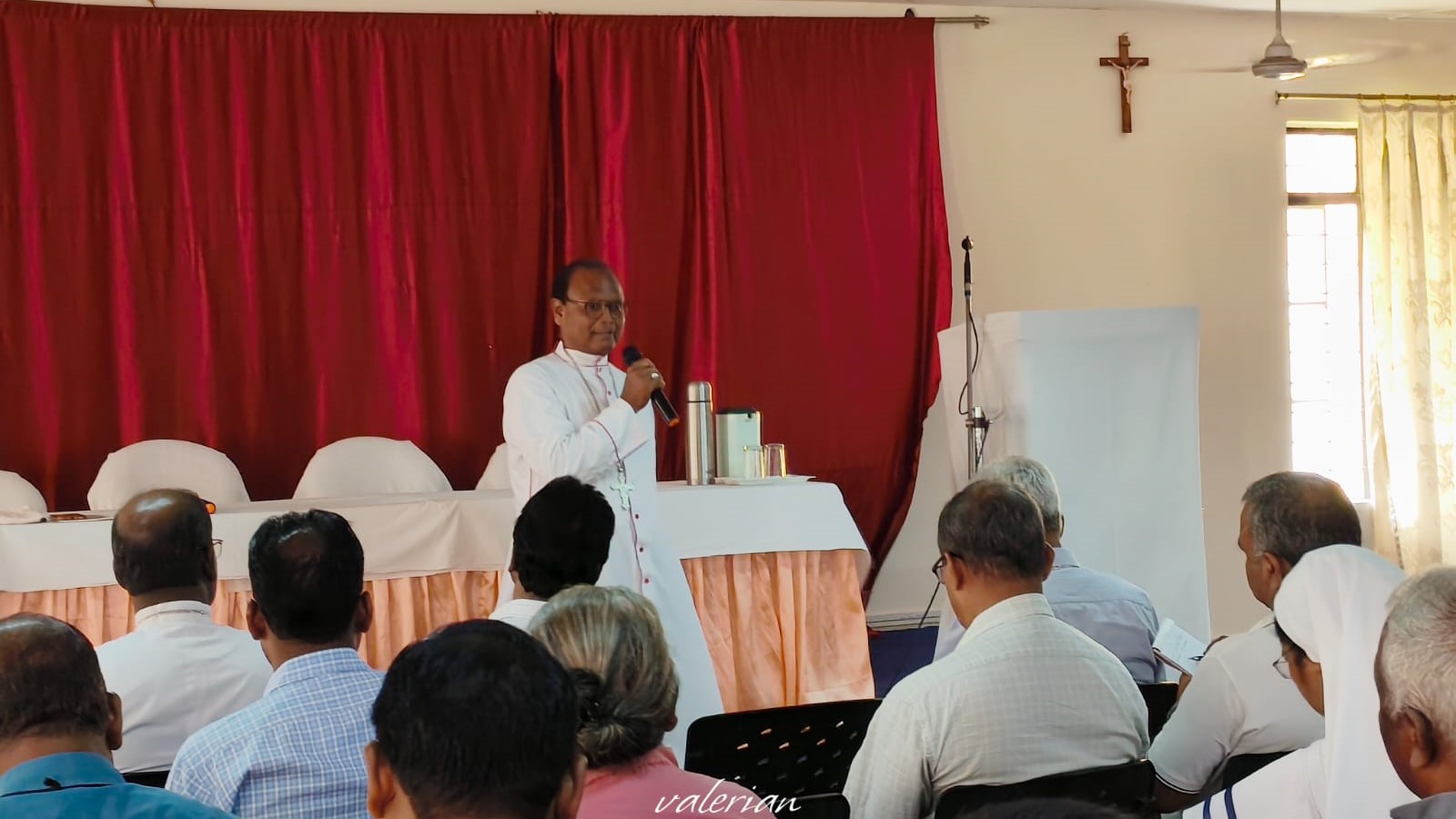
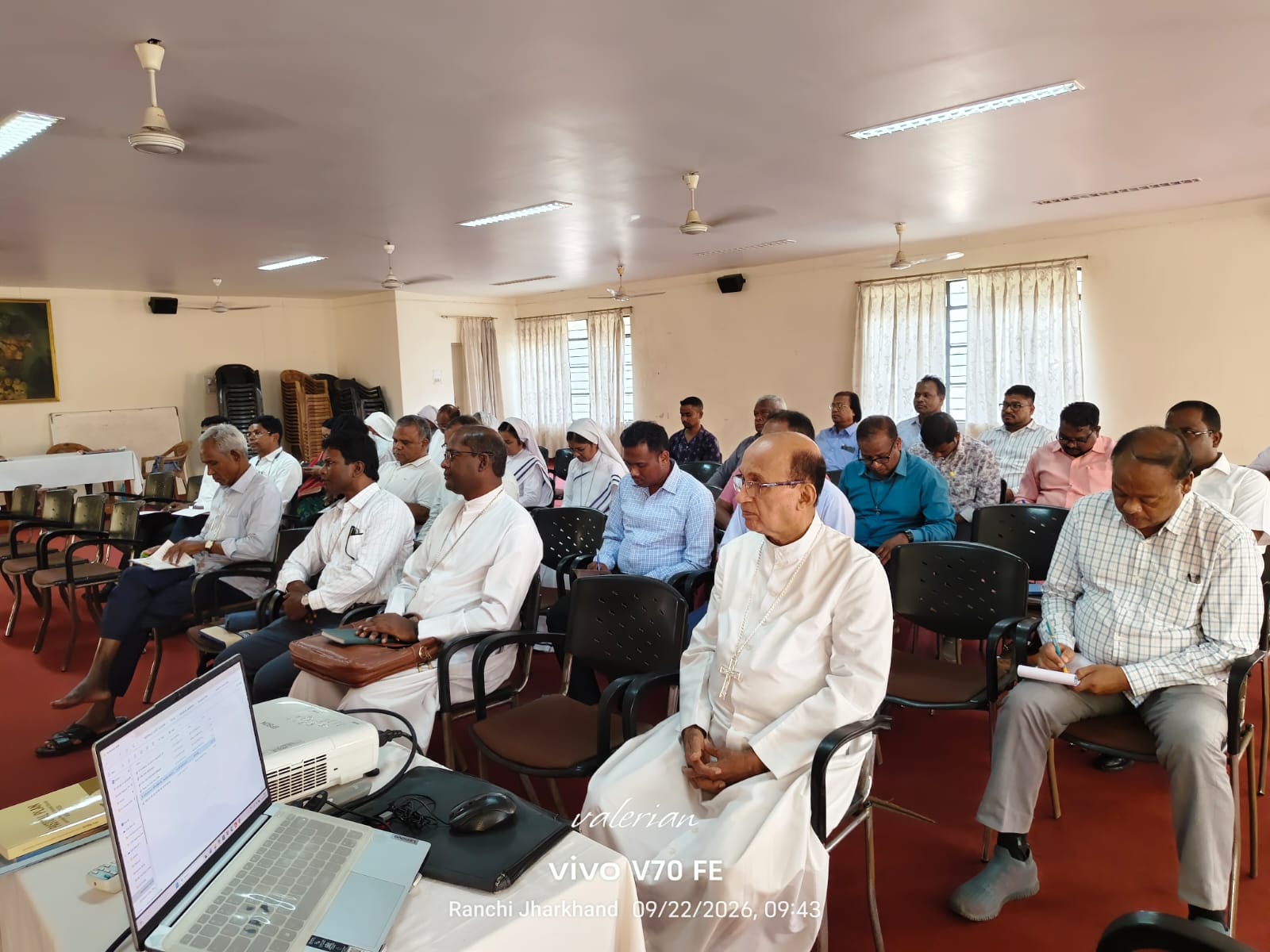
The decision was taken at a one-day workshop on “Strengthening Collaboration and Implementation of the CCBI Pastoral Plan” held on September 22 at the Social Development Centre (SDC), Ranchi. Organised by the JHAAN Regional Bishops Council, the workshop was facilitated by Bishop Emeritus Gerald Isaac Lobo, Chairman of the CCBI Pastoral Plan Implementation Committee.
The gathering brought together 32 representatives, including Archbishop Vincent Aind of Ranchi, Bishop Linus Pingal Ekka of Gumla, Bishop Telesphore Bilung SVD of Jamshedpur and Auxiliary Bishop Anand David Xalxo of Ranchi, along with two Vicars General, priests, religious Sisters and lay representatives.

The participants reflected on pastoral planning and collaboration in the light of St Paul’s image of the Church as one body with many members: “For as the body is one and has many members... so it is with Christ” (1 Cor 12:12).
Synodality as a way of working
The workshop focused on communion, participation, mission and shared responsibility, with listening and collaboration forming the basis of the discussions.
Archbishop Vincent Aind, Secretary General of the CCBI, emphasised the importance of united pastoral planning in the context of the Church’s synodal journey. Drawing on the community-oriented ethos of Jharkhand’s tribal communities, he said their emphasis on community offered an important reminder to the Church amid growing individualism.
He stressed that synodality should not be viewed as a temporary programme but as a continuing way of being Church that influences pastoral planning, decision-making and collaboration among dioceses.
Bishop Emeritus Gerald introduced pastoral planning with the principles, “Failing to plan is planning to fail” and “Think globally, act locally.” Referring to 1 Corinthians 14:40, he described pastoral planning as a structured process through which the Church responds to people’s needs, accompanies them towards holiness and encounter with Christ, and works towards a common pastoral vision.
He also outlined the theological and canonical foundations of pastoral planning, referring to Canon 511, the role of the Diocesan Pastoral Council and the Directory for the Pastoral Ministry of Bishops. He linked the process with the missionary vision of Evangelii Gaudium and the Synod on Synodality’s emphasis on accountability and reporting.
BECs identified as key to pastoral planning
Bishop Emeritus Gerald stressed the importance of Basic Ecclesial Communities (BECs) in determining the strength of individual dioceses and the region as a whole.
Against this background, four priority areas were identified for the JHAAN region: families, faith formation through BECs, migrants and youth.
The workshop also featured reports from all eight dioceses and the Regional Secretaries of JHAAN. The presentations enabled participants to share progress, challenges and pastoral initiatives and to identify areas where greater regional collaboration could strengthen the implementation of the CCBI Pastoral Plan.
The participation of bishops, priests, religious and laity reflected the emphasis on shared responsibility in pastoral planning. Discussions highlighted that pastoral planning is not merely an administrative exercise but a collaborative process rooted in the Church’s understanding of itself as one body with many members.
Regional plan by year-end
The participants agreed to prepare a regional pastoral plan by the end of 2026, followed by the preparation of individual diocesan plans in the subsequent months.
The proposed plan will seek to translate the shared discernment of the region into concrete pastoral initiatives suited to the realities of individual dioceses, with family, BEC-based faith formation, migrants and youth remaining the four identified priorities.
The workshop concluded with a vote of thanks and final blessing by Archbishop Vincent Aind.
The organisers also acknowledged Fr Valerian Lobo, Regional Deputy Secretary of RBC-JHAAN, for coordinating the workshop and facilitating the discussions on implementation of the CCBI Pastoral Plan.
By Fr. Valerian Lobo
Deputy Secretary, JHAAN Region




© 2026 CATHOLIC CONNECT POWERED BY ATCONLINE LLP