- 23 September, 2026

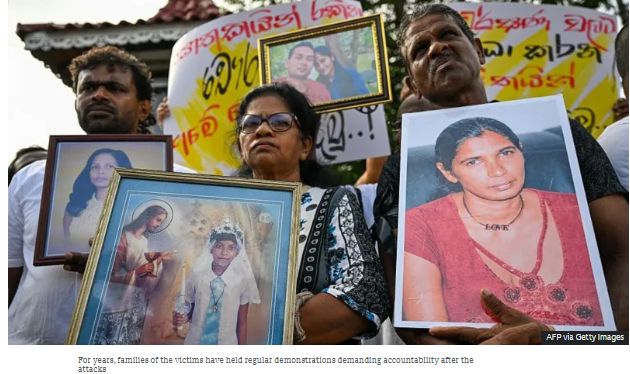
COLOMBO, September 23, 2026: A Sri Lankan High Court has convicted 15 men over their involvement in the 2019 Easter Sunday bombings that killed hundreds of people at churches and luxury hotels, concluding a major phase of a nearly five-year trial.


The Colombo Permanent High Court Trial-at-Bar sentenced the 15 men to prison terms ranging from 200 to 260 years of rigorous imprisonment and ordered the confiscation of their movable and immovable property.
The court found 14 of the accused guilty on all charges, including murder, conspiracy to commit terrorism and offences involving firearms and explosives under Sri Lanka’s Prevention of Terrorism Act. A 15th defendant was convicted on some of the charges. Nine of the 24 defendants were acquitted and released. One of the 25 men originally charged died in custody.

Attacks targeted churches and hotels
The bombings took place on April 21, 2019, as Christians gathered for Easter celebrations. Suicide bombers attacked three churches — two Catholic and one Protestant — as well as three luxury hotels.
The attacks killed 279 people, including 45 foreign nationals, according to AFP, while more than 500 people were injured. The bombings were attributed to Sri Lankan Islamist militant groups inspired by the Islamic State. All those believed to have carried out the suicide attacks died in the blasts.
The prosecution case involved more than 23,000 charges against the accused, including murder, attempted murder, conspiracy to commit terrorism, aiding and abetting and possession of firearms and explosives.
Among those convicted was Mohamed Ibrahim Mohamed Naufer, alias Naufer Moulavi, whom prosecutors identified as a key figure who supported and aided the suicide bombers.
Catholic Church welcomes verdict
Sri Lanka’s Roman Catholic Church welcomed the convictions. Catholic priest Fr. Jude Fernando described the verdict as an important development for victims and their families, saying it had taken a long time to reach this stage.
Survivors and relatives of those killed have for years sought accountability not only for those involved in the attacks but also for alleged failures that allowed the bombings to occur.
The Catholic Church has also maintained that the individuals identified as perpetrators may not represent the full extent of those behind the attacks and has called for further investigation into a possible wider conspiracy. Such claims remain contested.
Intelligence failures remain under scrutiny
The convictions come amid continuing questions over intelligence warnings received before the attacks. A parliamentary investigation found that police and intelligence authorities failed to act adequately on repeated warnings about a possible attack.
In July 2026, former police chief Pujith Jayasundara and former Defence Ministry secretary Hemasiri Fernando were sentenced to death for failing to act promptly on foreign intelligence warnings. Sri Lanka, however, has not carried out an execution since 1976, and death sentences have generally not been implemented under the country's longstanding moratorium.
The latest verdicts mark a significant development in the legal proceedings arising from the Easter Sunday tragedy, while separate investigations and public debate continue over intelligence failures and questions surrounding the wider circumstances of the attacks.
Courtesy : BBC News
Picture Courtesy : AFP via Getty Images




© 2026 CATHOLIC CONNECT POWERED BY ATCONLINE LLP