- 06 July, 2026
Germany, July 6, 2026: Long before global recruitment became common, Catholic Orders in Germany and India created a remarkable partnership that transformed healthcare.


In the decades following the Second World War, Germany faced an acute shortage of nurses. At the same time, Kerala had a growing number of well-trained Christian women entering the nursing profession.
Using established Catholic networks, hospitals and religious congregations in Germany began recruiting nurses from Kerala. These young women did far more than fill vacancies—they became the backbone of many hospitals and care homes, helping rebuild a healthcare system that desperately needed skilled and compassionate professionals.
Today, their story offers an important lesson as many countries once again struggle with severe nursing shortages.


During the 1960s and 1970s, many German hospitals and elderly care facilities were managed by Catholic religious orders. Nursing was viewed as both a profession and a vocation of Christian service. However, low wages and changing social expectations meant fewer German women entered the profession.
Researchers note that Catholic institutions turned to Kerala because of its large Christian population, strong nursing tradition and well-established missionary connections. Churches, dioceses and religious congregations helped identify candidates, arrange training and provide pastoral care when the young women arrived in Germany.
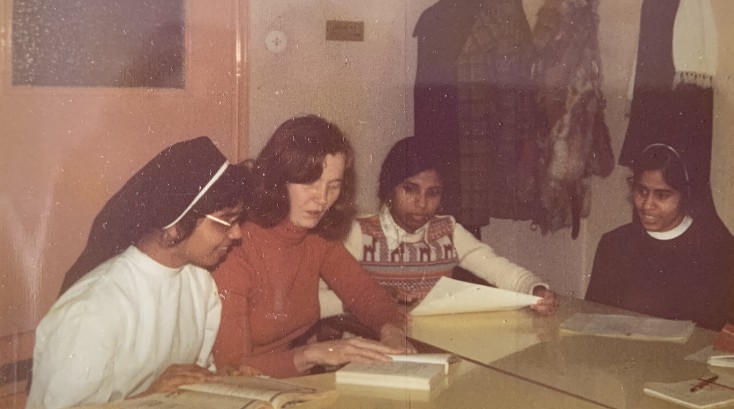
For many nurses, the first person who welcomed them after their long journey was not a government official but a Catholic nun.
(CLICK HERE to follow Catholic Connect for regular News and Content)
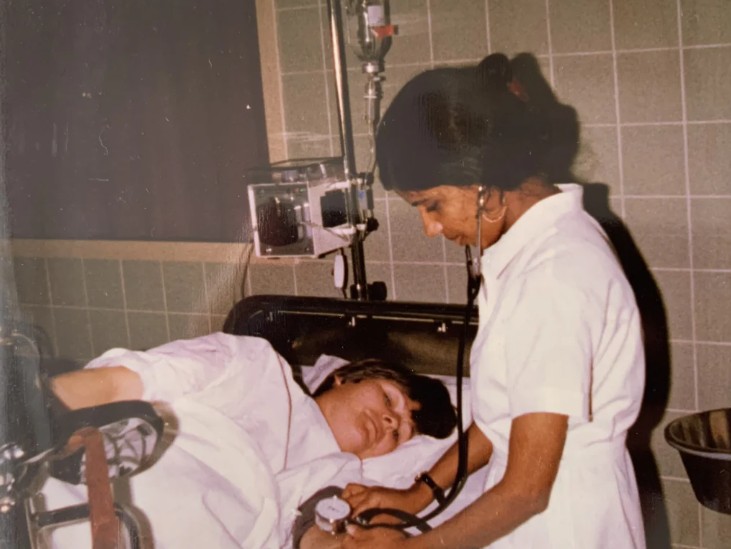
One such nurse was Thresiamma Arackal, who travelled alone from Kerala to West Germany at just sixteen years of age. Like thousands of other Malayali women, she left home to serve patients in a country whose language and culture were completely unfamiliar.
These nurses quickly became indispensable. They worked long shifts, cared for elderly patients, supported hospitals facing staff shortages and helped ensure that Germany's healthcare system continued to function during a period of rapid economic growth.
Many eventually settled in Germany, raising families while continuing careers that spanned decades.
The contribution of Indian nurses extended beyond hospital wards.
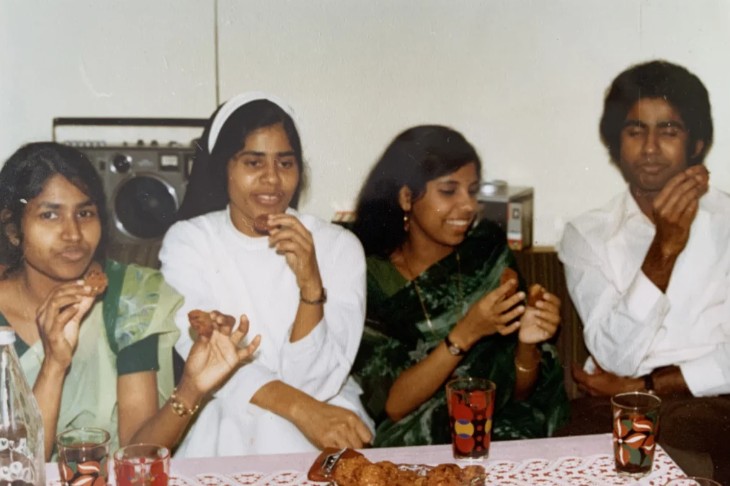
They established vibrant Catholic communities, supported parish life and preserved their cultural and spiritual traditions while integrating into German society. Their families became part of the wider Catholic community, strengthening ties between the Church in India and Europe.
Many of these women also challenged traditional gender roles. As primary earners, they financially supported families while their husbands often became caregivers at home—a rare arrangement in Germany at the time.
Germany once again faces a significant shortage of healthcare professionals, with projections suggesting hundreds of thousands of additional nurses will be needed over the coming decades.
The historical experience of recruiting through Catholic institutions demonstrates that faith-based partnerships can provide more than simply filling vacancies. They create trusted pathways that support both professional development and personal wellbeing.
Hospitals, nursing homes and care facilities can once again work alongside dioceses, Catholic colleges and religious congregations in countries such as India, particularly Kerala, where nursing education remains highly respected. Such partnerships can ensure ethical recruitment, proper language training, cultural integration and pastoral support for nurses relocating abroad.
The recently launched Who Cared digital archive documents the stories of these pioneering nurses through photographs, interviews and personal testimonies. It reminds us that migration is not merely about labour shortages but about people who dedicate their lives to caring for others.
Thresiamma Arackal believes this human approach remains essential today. Rather than viewing overseas nurses simply as workers, she hopes they are welcomed first as people—with dignity, respect and compassion.
As healthcare systems across Europe continue searching for solutions, the story of Catholic Orders and Kerala nurses proves that faith, service and international cooperation can create lasting partnerships that benefit both patients and caregivers. Their legacy remains a powerful example of how the Church helped shape modern healthcare while offering hope for the future.
Courtesy The Migration Story (Nimish Sawant)
Picture Courtesy : Thresiamma Arackal


© 2026 CATHOLIC CONNECT POWERED BY ATCONLINE LLP