- 03 June, 2026

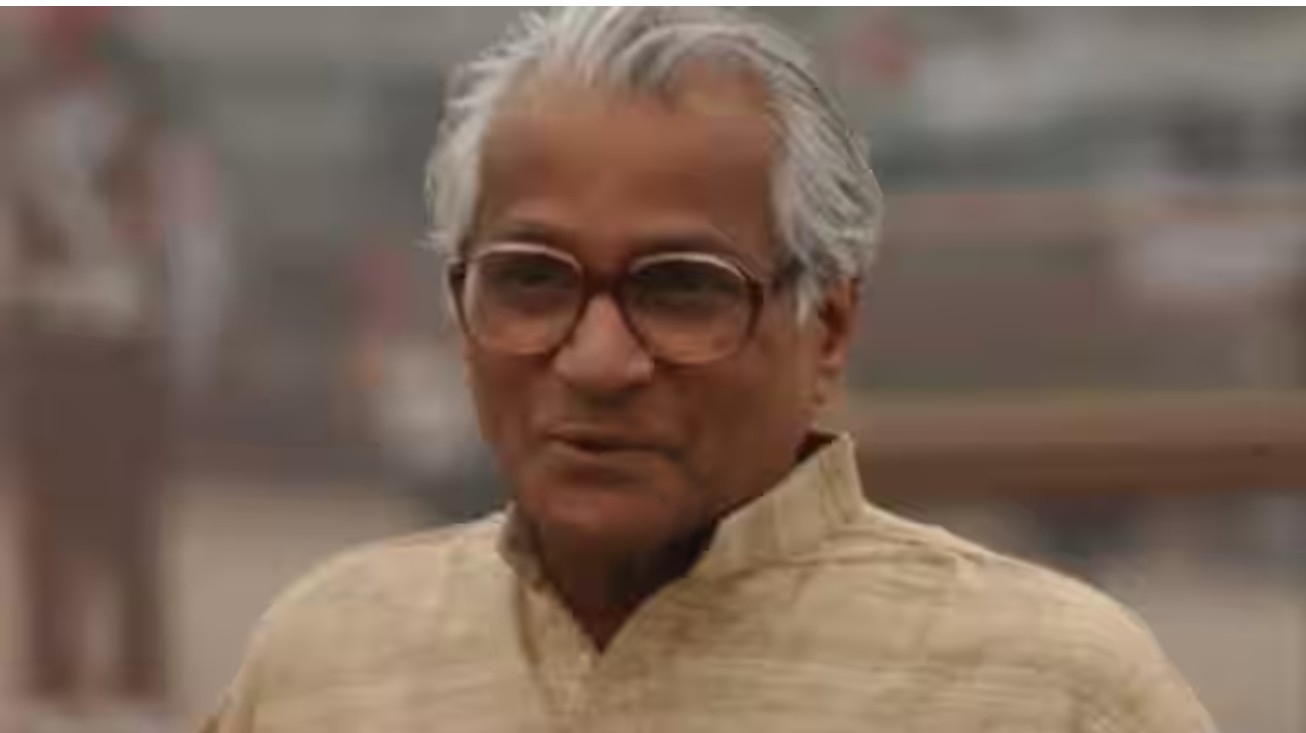
New Delhi, June 3, 2026: The birth anniversary of one of India's most extraordinary political figures, George Fernandes is on June 3rd. He was a man whose life journey took him from the quiet halls of a Catholic seminary to the turbulent frontlines of Indian politics. Revered as a trade union leader, socialist icon, defender of democracy, and former Defence Minister, Fernandes remains a unique figure in Indian public life. For Catholics, his story is especially compelling because it reflects how faith-inspired values can shape a lifelong commitment to justice, dignity, and service.


George Mathew Fernandes was born on June 3, 1930, in Mangaluru, Karnataka, into a devout Mangalorean Catholic family. As the eldest of six children, he was raised in a home deeply rooted in faith and discipline. Recognising his intelligence and spiritual promise, his parents sent him to St. Peter’s Seminary in Bengaluru, hoping he would one day become a priest.
At the seminary, young George studied philosophy and prepared for the priesthood. However, he soon became troubled by what he perceived as a gap between the Church’s teachings and certain practices. His strong sense of justice and independent spirit led him to question authority and challenge structures he felt were unfair.
Eventually, Fernandes made a life-changing decision: he left the seminary. Yet, while he abandoned the path to the priesthood, he never abandoned the values that had shaped him—compassion for the poor, respect for human dignity, and a deep concern for the oppressed.


After leaving the seminary, he moved to Mumbai, where he experienced hardship firsthand. Like many migrants, he struggled to find work and establish himself in the bustling city. These experiences brought him close to labourers, taxi drivers, hotel workers, and factory employees who faced exploitation and poverty.
Inspired by socialist ideals and guided by a strong moral conscience, he began organising workers and fighting for their rights. His ability to communicate across languages and social groups made him a natural leader.
Many observers noted that although he no longer wore a cassock, he continued to embody values that echoed Catholic social teaching—standing with the poor, defending workers, and challenging injustice wherever he found it.
(CLICK HERE to follow Catholic Connect for regular Catholic News & Content)
George Fernandes burst onto the national stage in 1967 when he defeated powerful Congress leader S.K. Patil in Mumbai. The victory earned him the nickname “Giant Killer” and established him as one of India's most dynamic political leaders.
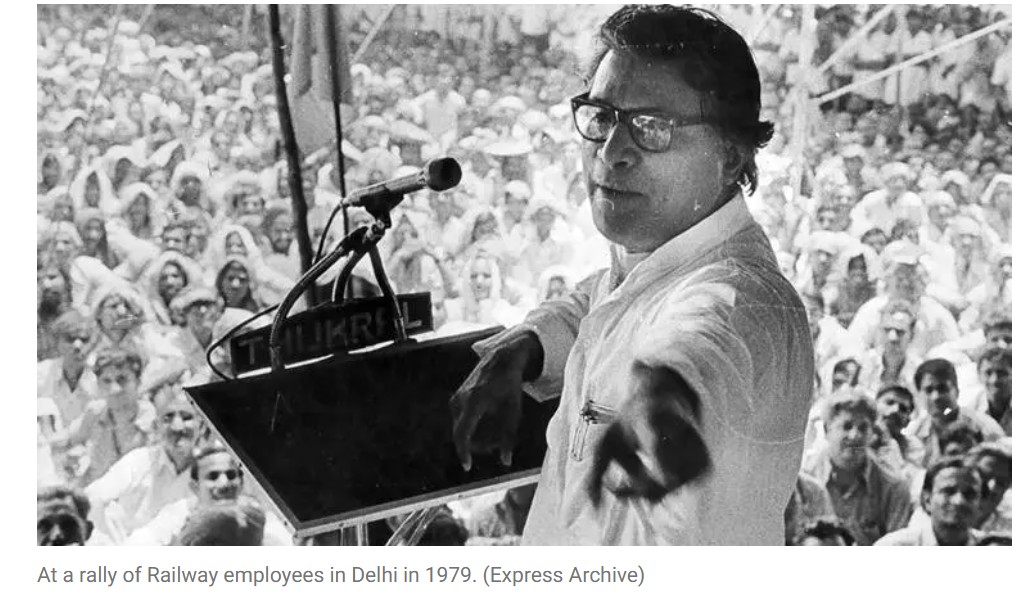
Throughout the 1970s, he became a powerful voice for workers' rights. His leadership during the historic 1974 railway strike demonstrated his willingness to confront authority on behalf of ordinary people.
His finest hour arguably came during the Emergency (1975–77), when democratic freedoms were suspended across India. Fernandes became one of the most visible faces of resistance. Arrested and paraded in handcuffs, he emerged as a symbol of courage and defiance.
For many Catholics, this period reflected a commitment to conscience and freedom that resonated with Christian teachings on human dignity and justice.
Following the Emergency, Fernandes held several important ministerial positions, including Industries Minister, Railway Minister, and later Defence Minister in the government led by Prime Minister Atal Bihari Vajpayee.
As Railway Minister, he played a key role in advancing the Konkan Railway project, connecting communities along India's western coast. As Defence Minister, he oversaw India's response during the Kargil War of 1999 and became known for his frequent visits to soldiers stationed in difficult terrains, including Siachen.
Despite occupying some of the highest offices in the country, Fernandes remained remarkably simple in his lifestyle. He was known for wearing crumpled kurta-pyjamas, washing his own clothes, and maintaining close contact with ordinary citizens.
Like many influential leaders, George Fernandes remains a figure of debate. Some admired his unwavering commitment to social justice, while others questioned certain political alliances he made later in life.
Yet even his critics acknowledged his courage, simplicity, and dedication to public service. His life was marked by extraordinary highs and difficult controversies, making him one of India's most fascinating political personalities.
For Catholics, his story offers a reminder that service to society can take many forms. Though he did not become a priest, he spent his life championing causes that reflected the Church's concern for the poor, workers, and the marginalized.
On his birth anniversary, George Fernandes is remembered not only as a politician but as a man driven by conviction. From a seminary student in Bengaluru to a national leader who shaped Indian politics for decades, his journey was anything but ordinary.
His life reminds us that vocation is not always confined to the walls of a church. Sometimes, it unfolds in factories, railway stations, parliament halls, and among struggling communities seeking justice.
As India remembers George Fernandes today, his legacy continues to inspire those who believe that faith, courage, and service can transform society. His journey from seminary dreams to national leadership remains a powerful testimony to a life dedicated to the dignity of every human person.
By Catholic Connect Reporter
Picture Courtesy : Indian Express and WION News

© 2026 CATHOLIC CONNECT POWERED BY ATCONLINE LLP