- 03 June, 2026

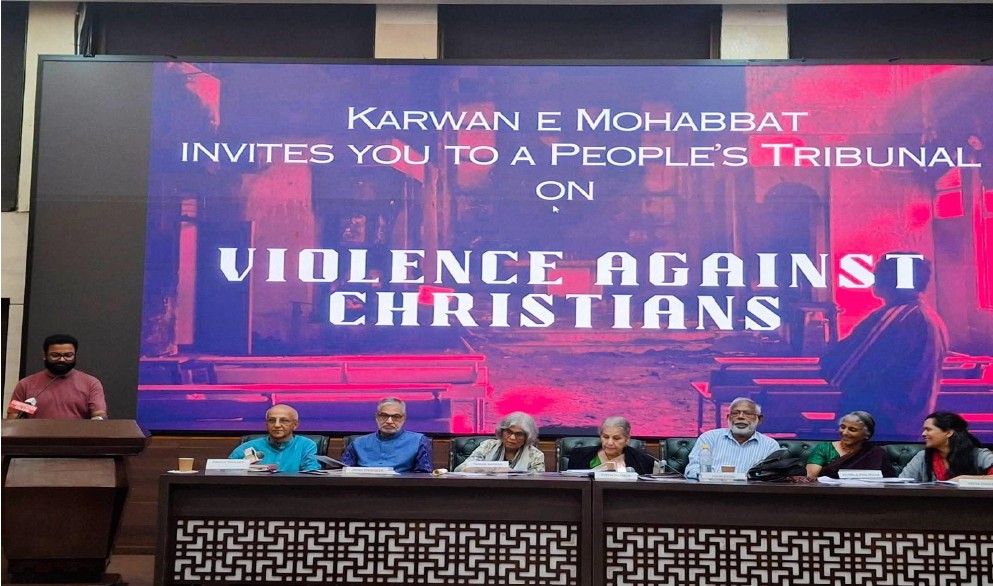
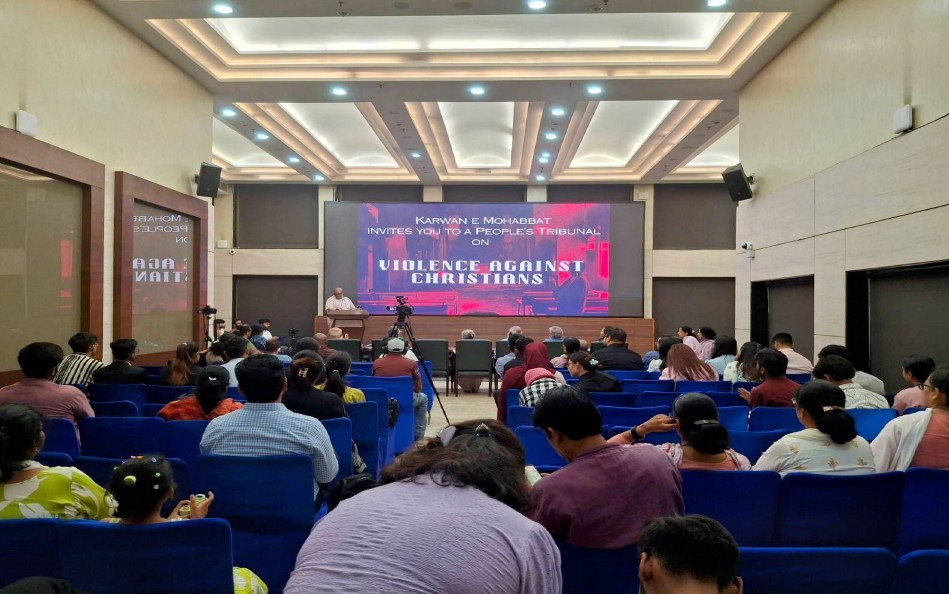
New Delhi, June 2, 2026: A powerful gathering of survivors, human rights defenders, religious leaders, lawyers and researchers came together in New Delhi to shine a spotlight on what they described as a growing pattern of violence, discrimination and social exclusion faced by Christians in India.


The People's Tribunal on Violence Against Christians in India, convened by Karwan-e-Mohabbat and a collective of concerned citizens on June 1, 2026, at the Constitution Club, sought to provide a platform for affected communities to share their experiences and place their concerns before the nation.
A Nationwide Inquiry into Christian Persecution


The Delhi hearing marked the culmination of a wider investigation that included field visits and public hearings in Chhattisgarh and Odisha earlier this year. Tribunal members met hundreds of individuals from affected communities, particularly among Adivasi and Dalit Christians, documenting incidents of violence, social boycott, displacement and denial of constitutional rights.
Representatives and survivors from Uttar Pradesh, Rajasthan, Madhya Pradesh, Chhattisgarh, Gujarat and Odisha presented testimonies describing attacks on churches, prayer gatherings, pastors and ordinary believers.
Testimonies Reveal Patterns of Fear and Exclusion
Throughout the proceedings, speakers highlighted concerns over social and economic boycotts, denial of burial rights, forced displacement from villages and growing hostility towards Christian worship.
A documentary screened during the Tribunal documented incidents from six districts of Madhya Pradesh. Based on first-hand testimonies, it presented accounts of disrupted prayer meetings, intimidation of worshippers, arrests under anti-conversion laws and a climate of fear affecting many Christian families.
Several speakers argued that allegations of religious conversion have increasingly been used as a justification for violence and harassment. Others drew attention to the difficulties Christian communities face in accessing burial grounds and conducting funeral rites with dignity.
Concerns Over Institutional Response
One of the strongest themes emerging from the Tribunal was concern regarding the response of public institutions.
Participants alleged instances where police failed to protect victims, delayed investigations, registered cases against those who had been attacked, or encouraged informal settlements rather than legal action. Speakers also questioned the effectiveness of existing mechanisms intended to safeguard constitutional freedoms and minority rights.
Survivors shared emotional accounts of intimidation, social isolation and economic hardship, while emphasising their determination to continue practising their faith peacefully despite ongoing challenges.
A Call to Protect Constitutional Values
In their concluding observations, Tribunal members stressed that the issues raised extended beyond individual incidents and reflected broader concerns about religious freedom, equality and democratic rights.
They called for greater public awareness, institutional accountability and solidarity with affected communities. Speakers also urged religious leaders, civil society groups and government institutions to work together to uphold the constitutional guarantees of freedom of conscience, faith and equal citizenship.
While the testimonies presented painted a troubling picture, the gathering also highlighted the resilience and courage of countless individuals who continue to stand firm in their beliefs. The Tribunal concluded with a renewed appeal for justice, dialogue and peace, expressing hope that India's constitutional values of pluralism, dignity and religious freedom will continue to guide the nation forward.
Courtesy People's Tribunal Press Report


© 2026 CATHOLIC CONNECT POWERED BY ATCONLINE LLP