- 05 July, 2026

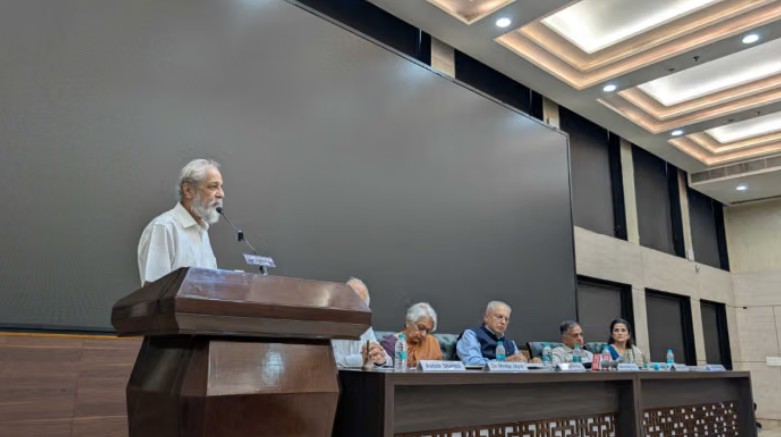
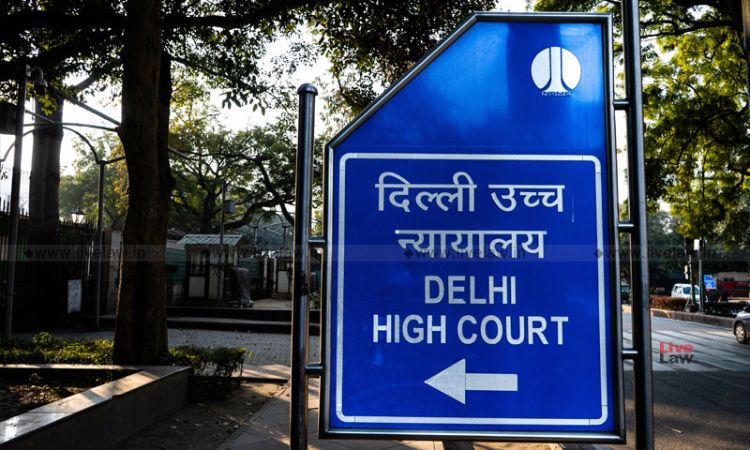
New Delhi, July 5: Former Supreme Court judge Justice Madan B. Lokur has criticised the Union government's position that a passport is merely a travel document, saying such an interpretation reduces the passport to the level of a "bus ticket" and misreads the provisions of the Passports Act. He also cautioned that the Election Commission of India (ECI) risks becoming "an empire within an empire" if its powers continue to expand without adequate constitutional restraint.

Speaking at a conclave on One Nation-One Election, Federalism and Citizenship at the Constitution Club in New Delhi on Saturday, Justice Lokur said the government's recent stand that a passport is only a travel document ignores the distinction made in the Passports Act, 1967, between a passport and a travel document. He argued that Parliament deliberately used the two expressions separately and that treating them as synonymous amounted to a "complete misreading" of the law.
Referring to the Act's preamble, Lokur said a person holding an Indian passport should ordinarily be regarded as an Indian citizen. He questioned the government's reliance on Section 20 of the Act, which permits the issuance of passports or travel documents to non-citizens in exceptional circumstances, noting that such cases are rare and cannot redefine the legal character of a passport.


Lokur warned that if India itself ceases to treat a passport as proof of citizenship, foreign governments may begin questioning the citizenship status of Indian passport holders. "If a passport is merely a travel document, it is reduced to not even an airline ticket, but perhaps a bus ticket," he remarked.
Turning to electoral reforms, the former judge criticised the Election Commission in the context of the Special Intensive Revision (SIR) of electoral rolls. He said the constitutional body appeared to be evolving into an "imperium in imperio"—an empire within an empire—and stressed that Article 324 of the Constitution was never intended to confer unlimited powers on the Commission. He also opposed linking access to government welfare schemes with the electoral roll revision process.
The conclave was organised jointly by the Constitutional Conduct Group and the Group on Federalism & Elections and was attended by several former constitutional authorities, including former Chief Election Commissioner S. Y. Quraishi, former Election Commissioner Ashok Lavasa, former Home Secretary Gopal Pillai and former Law Commission chairman A. P. Shah.
Courtesy The Print (Apoorva Mandhani)
© 2026 CATHOLIC CONNECT POWERED BY ATCONLINE LLP