- 30 September, 2026

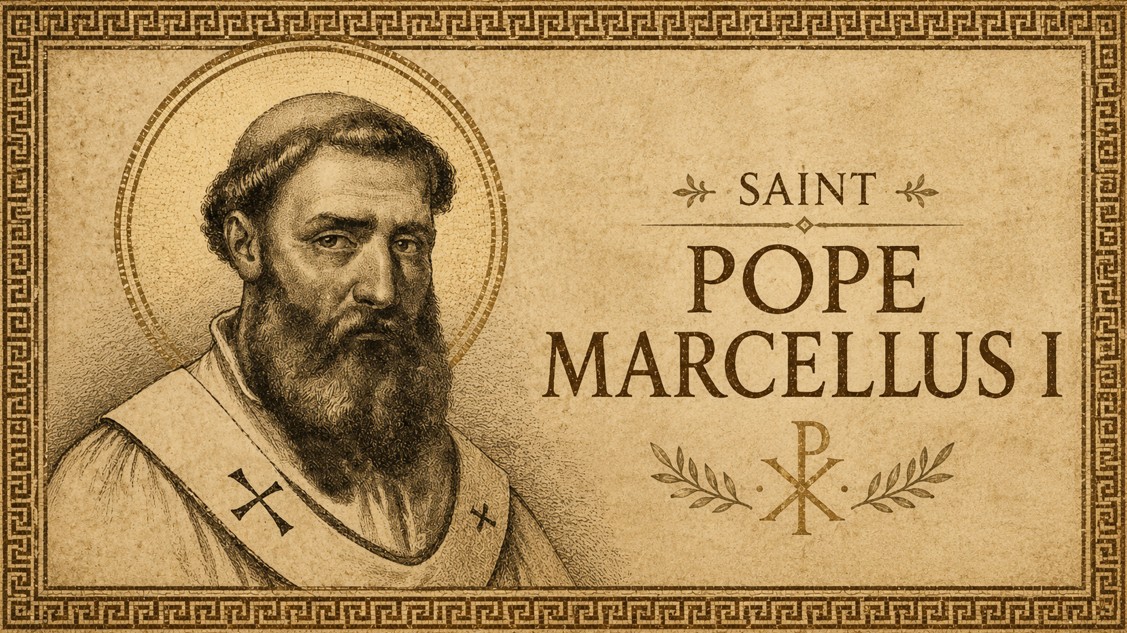
July 5, 2026: After years of brutal persecution under Emperor Diocletian, the Church needed more than survival—it needed healing. St. Marcellus I, the thirtieth successor of Saint Peter, became the pope who undertook the difficult task of rebuilding the Christian community. Although his papacy lasted little more than a year, his courageous leadership restored order to a wounded Church while confronting one of its greatest internal crises: how to welcome back Christians who had abandoned the faith during persecution.


Can a divided Church truly heal after years of fear and suffering?
This was the challenge that confronted Pope Marcellus I. After nearly four years without a pope following the death of Marcellinus, the Church in Rome was deeply fractured. Many Christians had remained faithful despite persecution, while others—known as the lapsi—had renounced their faith to escape imprisonment or death. Marcellus inherited a divided community and sought to restore both discipline and mercy.
Little is known about Marcellus' early years. He was probably born in Rome and served the Church as a priest during the difficult years leading up to Diocletian's persecution.
Witnessing the suffering of fellow Christians and the destruction of churches prepared him for the enormous responsibility he would later assume as Bishop of Rome.
(CLICK HERE to follow Catholic Connect for regular News and Content)
Following the death of Pope Marcellinus in 304 AD, the Roman Church remained without a pope for several years because persecution made a papal election nearly impossible.
When peace gradually returned under Emperor Maxentius, Marcellus was elected Bishop of Rome in 308 AD. His first priority was rebuilding the Church's structures and restoring pastoral care throughout the city.
Marcellus led the Church during a critical period of recovery.
The wounds of persecution were not only physical but spiritual, requiring wise and compassionate leadership.
Despite his brief pontificate, Marcellus made lasting contributions:
These initiatives laid the groundwork for the Church's renewed growth during the fourth century.
Marcellus is remembered for:
His leadership reflected Christ's call to both forgive sinners and encourage genuine conversion.
The greatest controversy of Marcellus' papacy centred on the treatment of the lapsi.
Some believed Christians who had denied the faith should be readmitted immediately, while others opposed their return altogether. Marcellus insisted that reconciliation should come through sincere repentance and appropriate penance.
His firm stance provoked unrest within Rome, leading Emperor Maxentius to exile him. According to tradition, Marcellus died shortly afterwards, worn out by hardship and faithful service.
Although no writings of Marcellus survive, his leadership communicates a timeless truth: True mercy never abandons truth; it leads people back through repentance and reconciliation.
The Church honours Marcellus I as a saint for his faithful witness.
Though not formally recognised as a martyr, he is honoured as a confessor who suffered greatly for defending the faith and the discipline of the Church.
Why does St. Marcellus I matter today?
His legacy continues through the life of the Church today, carried forward by his successors.
To know more about the previous Popes, click here
By Catholic Connect Reporter
St. Marcellus I, Pope Marcellus I biography, thirtieth pope Catholic Church, Pope Marcellus and the lapsi, early Catholic popes, Diocletian persecution, Catholic Church reconciliation, apostolic succession, Church history, St. Marcellus I facts

© 2026 CATHOLIC CONNECT POWERED BY ATCONLINE LLP