- 03 April, 2026

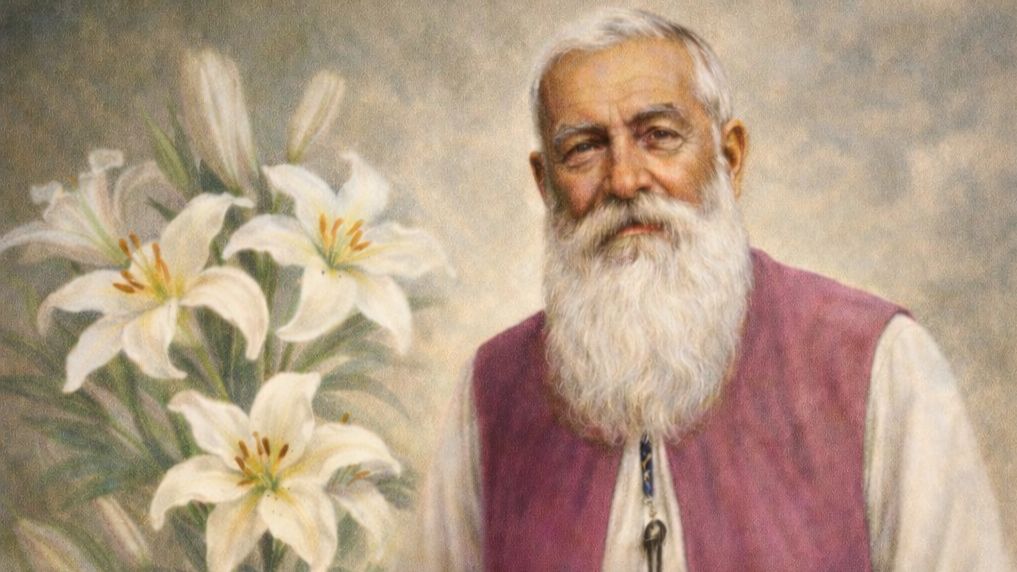
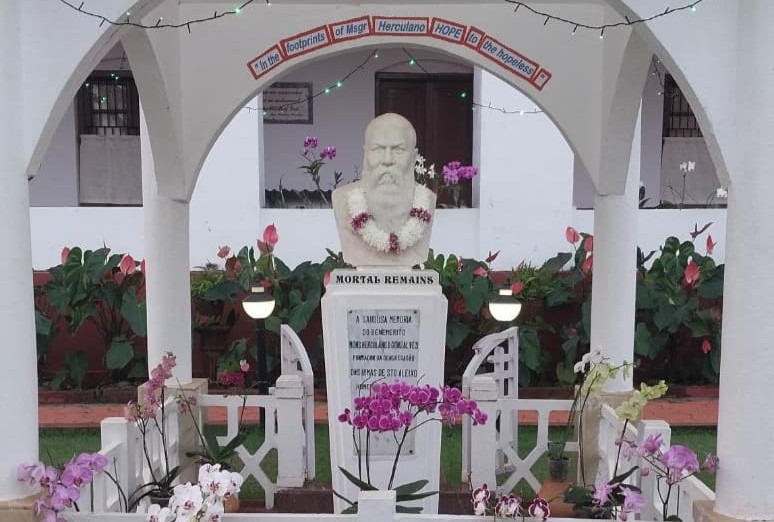
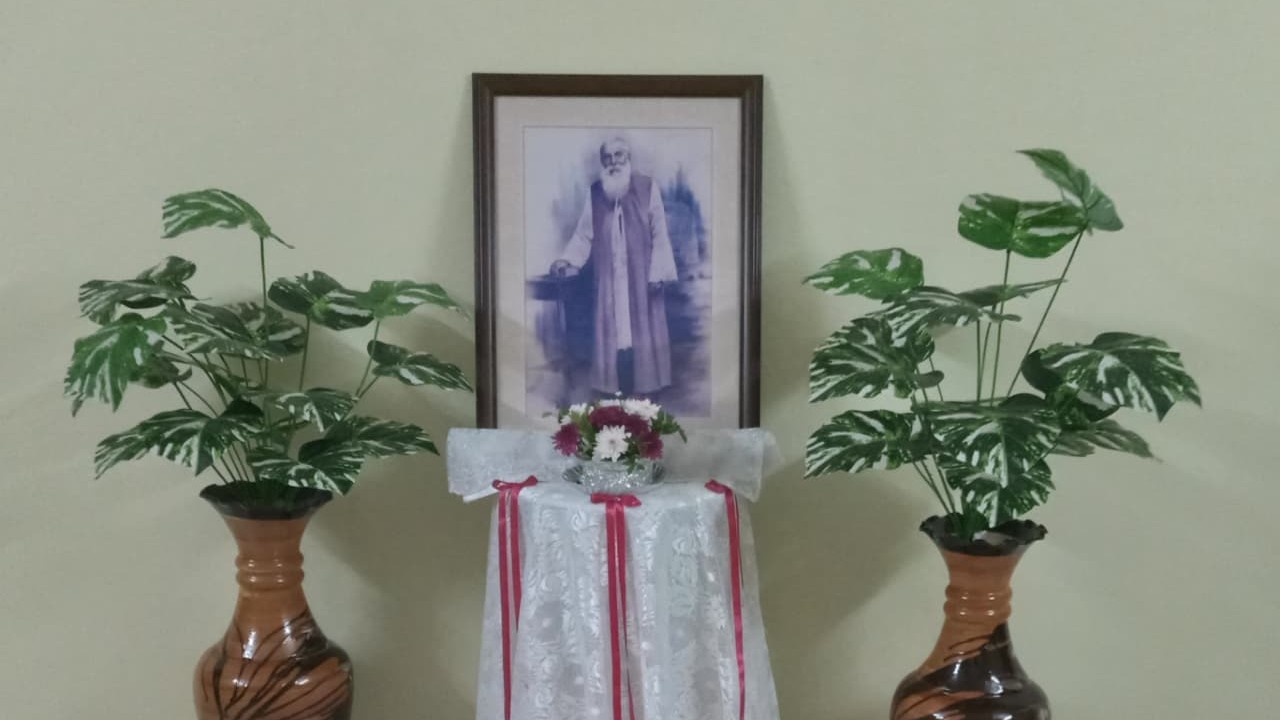
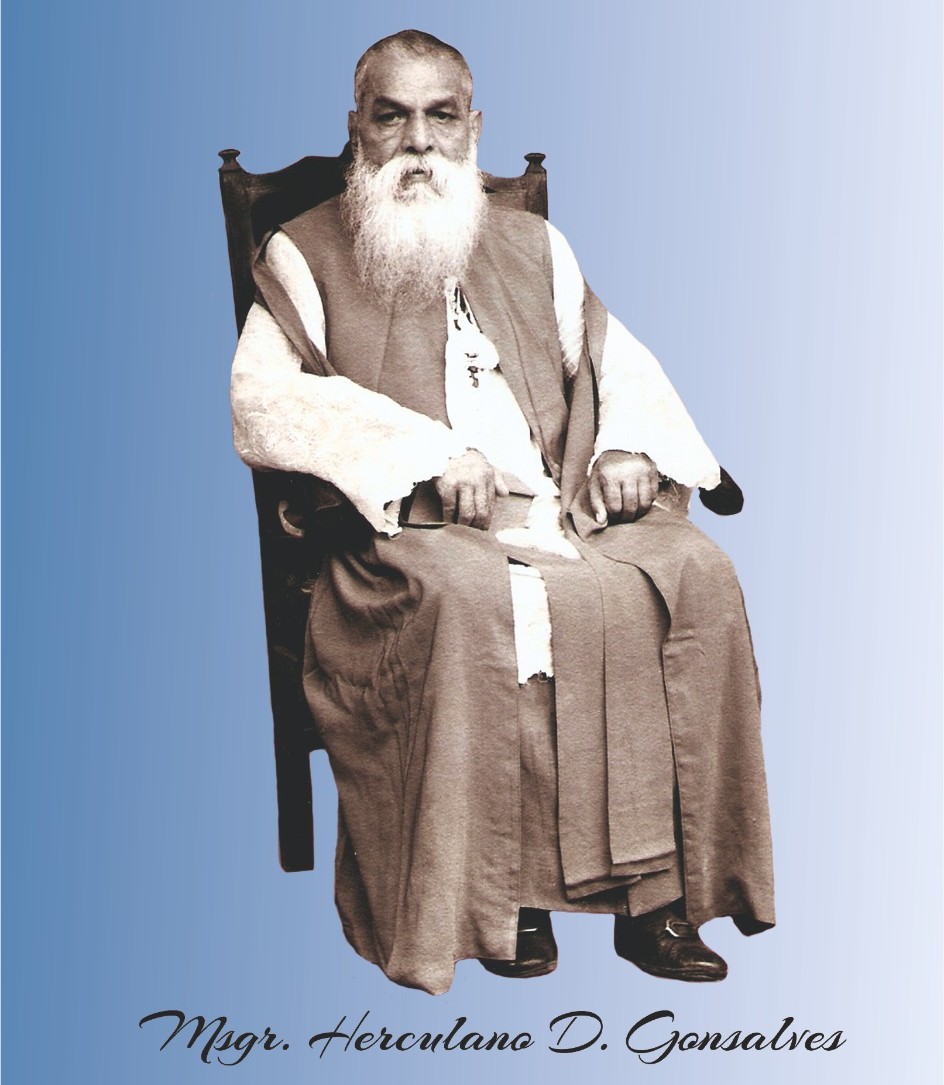

Feb 11, 2026: On February 11, as the Church remembers the birth anniversary of Msgr. Herculano Gonsalves, memory turns not merely to dates and distinctions, but to a life quietly consumed in love for God and the poor. His story is not one of spectacle, but of steady fire — a priest whose fidelity shaped generations and whose vision continues to breathe through the congregation he founded, the Handmaids of Christ in Goa.

Born on February 11, 1868, in Cana–Benaulim, Goa, and baptised at St. John the Baptist Church, Benaulim, Herculano Gonsalves grew up in a land deeply marked by faith. Ordained a priest in 1892 for the Archdiocese of Goa and Daman, he would spend nearly six decades in missionary zeal, pastoral leadership, and works of charity that left an indelible imprint on the Church in India.
Those who knew him often summed up his spirituality in a phrase he repeated and lived: “Be only for God, all for God, always for God.” It was more than a motto; it was the architecture of his life.


Be Only for God
To be only for God is to live with an undivided heart. Jesus’ words, “No one can serve two masters” (Mt 6:24), were for Msgr. Herculano a rule of life. His deep prayer before the Blessed Sacrament and his childlike devotion to Our Lady, whom he called “Minha Mãe”, sustained his ministry.
In his life, we see concretely what the Church later articulated clearly at the Second Vatican Council: that holiness is not reserved for a few, but is the vocation of all who allow God to claim their entire being (Lumen Gentium, 40). Because he belonged only to God, Msgr. Herculano could recognise Christ in every person. The poor, the orphan, the fallen woman, and the neglected child were not social problems to be managed, but living icons of Christ himself — “the least of the brethren” (cf. Mt 25:40).
All for God
If being only for God speaks of belonging, giving all for God speaks of total self-offering. The Gospel call to lose one’s life for Christ found expression in Msgr. Herculano’s choices. He gave his intellect, strength, possessions—even selling ancestral property—and health in loving sacrifice, depriving himself so that others might live with dignity.
His life embodied the Church’s teaching that charity is not optional but the heart of Christian holiness (Gaudete et Exsultate, 14). His compassion was unconditional, convinced that Christ is loved through love of others. This conviction gave rise to orphanages, homes for the aged, schools, and shelters for women, through which the Congregation he founded continues across India to make faith visible in works of love (cf. Jas 2:17).
Always for God
The final dimension — always for God — reveals the depth of his fidelity. True holiness is not measured by beginnings but by perseverance. When age and illness overtook him, Msgr. Herculano did not retreat into bitterness or self-pity. Completely worn out in health, he humbly requested permission to retire and returned to Calangute in 1946, offering his weakness itself as prayer.
Even honours did not distract him from this quiet fidelity. His appointment as Papal Chamberlain by Pope Pius XII in 1947 was received humbly, not as personal achievement but as recognition of service. His life echoes Saint Paul’s serene testimony: “I have fought the good fight, I have finished the race, I have kept the faith” (2 Tim 4:7).
The Church teaches that holiness is often hidden, lived in constancy rather than applause. Msgr. Herculano’s final years reveal a man who remained for God even when active ministry ceased, showing that fidelity itself is a powerful form of witness.
On 21 March 1950, he breathed his last — a life not exhausted in vain, but spent like a candle for others.
By Br. Malvino Alfonso OCD
© 2026 CATHOLIC CONNECT POWERED BY ATCONLINE LLP