- 25 August, 2026
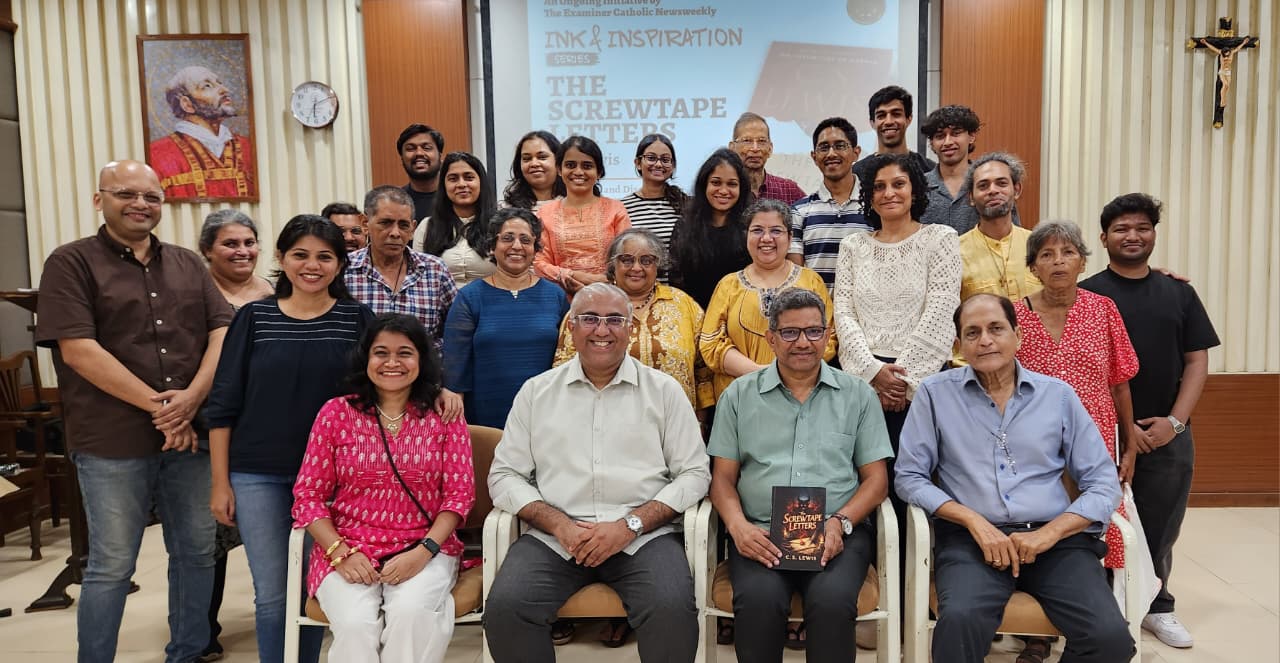
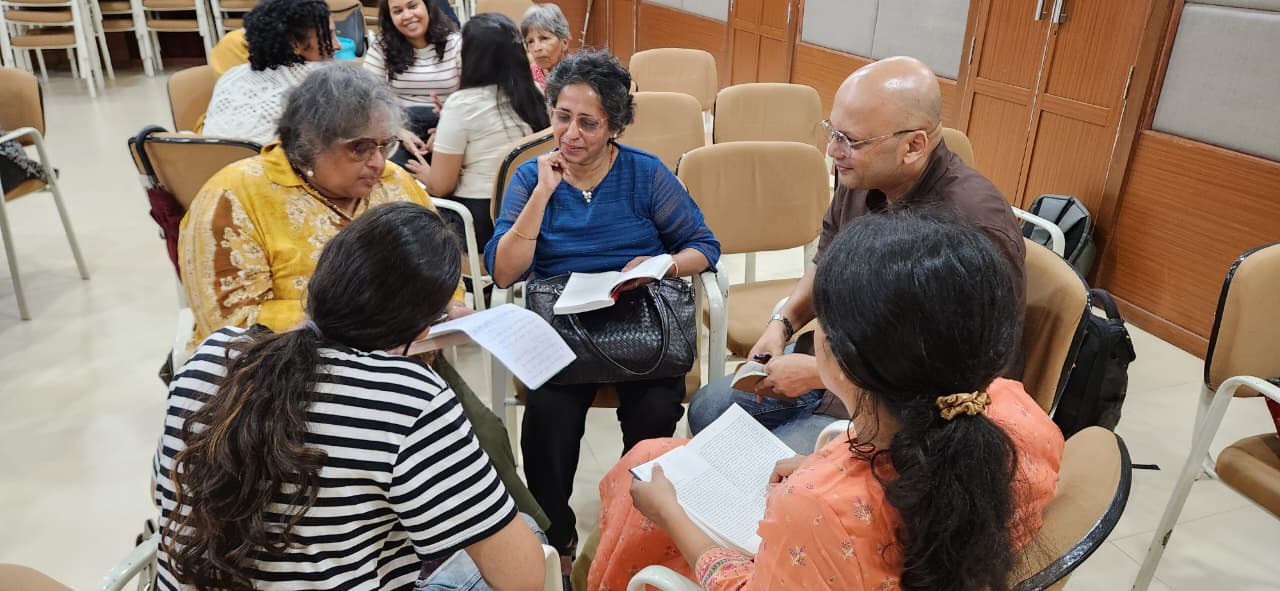
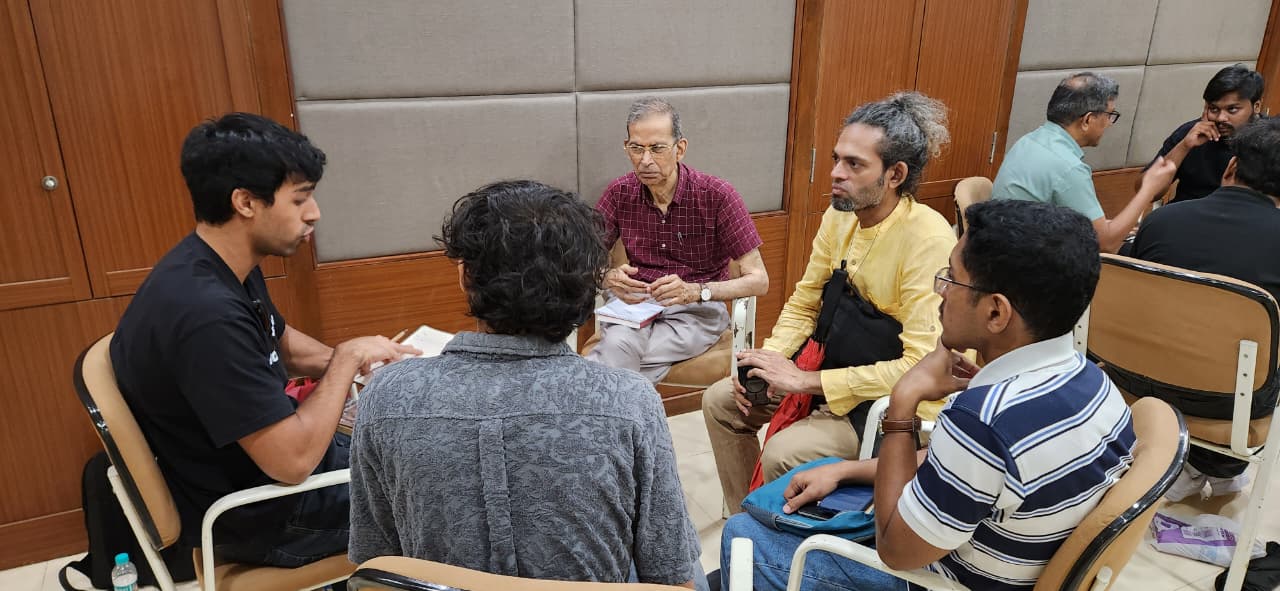
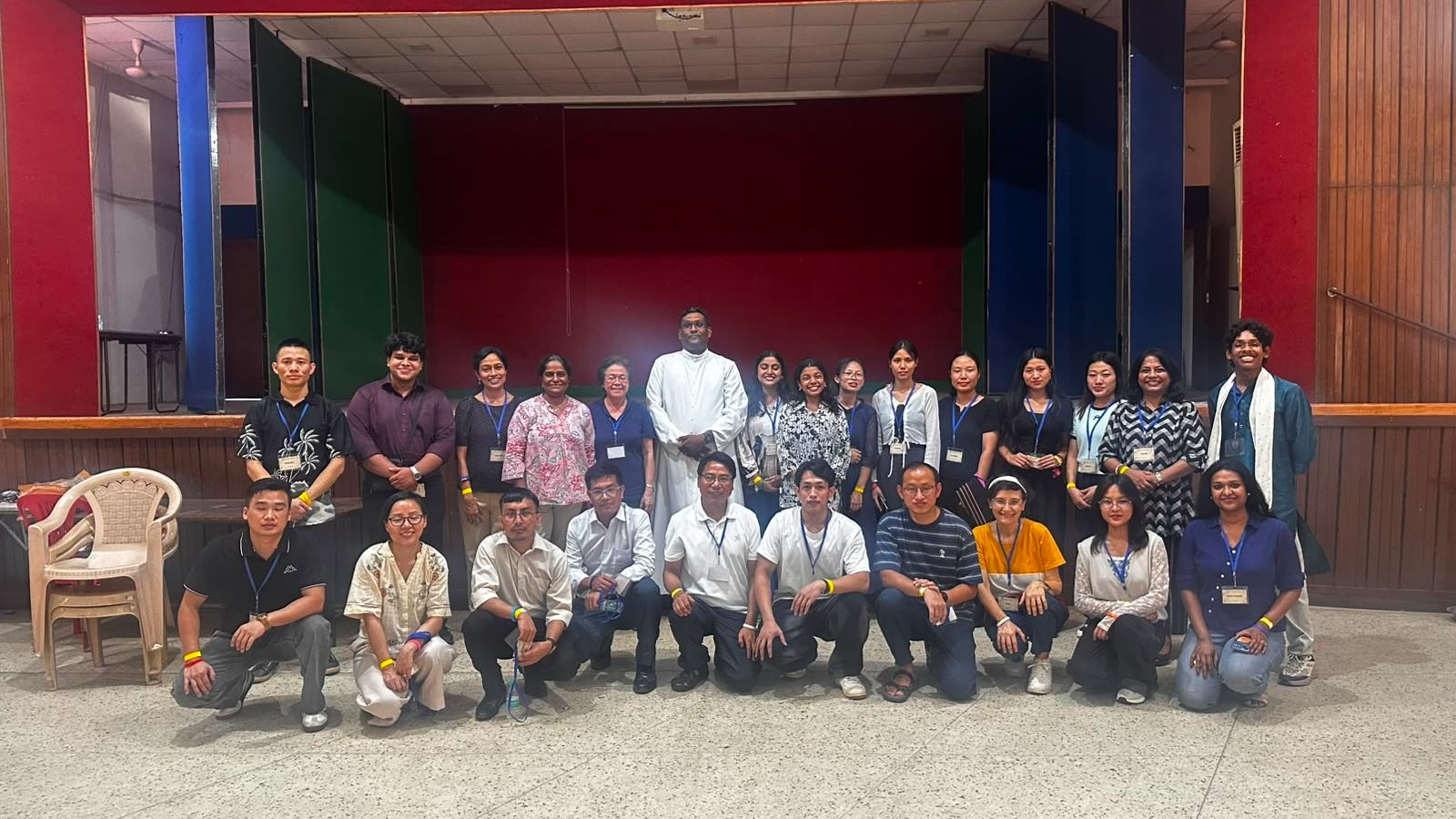
MUMBAI, August 25, 2026: About 35 readers gathered at Loyola Hall, St. Peter’s Church, Bandra (West), on August 23 to explore the relevance of Christian literature in contemporary life at the first edition of The Examiner’s Ink and Inspiration Book Club.


Organised around C. S. Lewis’ classic The Screwtape Letters, the initiative brought together avid and amateur readers from across the Archdiocese of Bombay for a discussion on the book’s literary style, Christian themes and insights into everyday life.
Published as a collection of 31 letters, The Screwtape Letters presents an imaginary correspondence between Screwtape, a senior demon in Hell’s “Infernal Civil Service”, and his nephew Wormwood, a young demon being trained to lead an ordinary Christian away from God.


Lewis uses satire, parody and irony to reverse conventional Christian language and perspectives. God is described as “the Enemy”, while Satan is referred to as “Our Father Below”. Virtues appear as threats from the perspective of Hell, encouraging readers to look beyond the fictional correspondence to the spiritual realities it explores.
The discussion was introduced by Joshan Rodrigues, Editor of The Examiner, who examined the book’s central themes, narrative structure, literary techniques and spiritual insights.
Participants were challenged to consider how Lewis’ themes might apply to their own context, particularly through the question: “If Screwtape were writing a letter to Wormwood about Christians in Mumbai today, what would he tell him to exploit?”
The readers then formed small groups to discuss personal insights, favourite passages and quotations, as well as aspects of the book they found difficult or intriguing. Their reflections were later shared with the larger group.
The discussions also examined Lewis’ portrayal of God, the devil and demons. Participants reflected on the contrast between the transactional and self-serving worldview represented by Hell and Lewis’ portrayal of Heaven as a realm of self-giving love, unity in diversity and respect for individual identity.
Another major theme was the danger of becoming so involved in activities undertaken in the name of God that time spent in relationship with God is neglected. The discussion drew on the familiar contrast between Mary and Martha, stressing that “Mary and Martha need each other, but Martha must not lose Mary.”
Participants also considered Lewis’ depiction of temptation and the workings of evil, reflecting on how the book can serve as a mirror for examining personal thoughts, choices and behaviour.
The programme concluded with a book swap, through which participants exchanged recommendations and encouraged one another to continue reading Christian literature.
The gathering offered more than an analysis of a literary classic, providing participants an opportunity to reflect on their own spiritual lives and contemporary Christian experience through Lewis’ distinctive literary lens.
By Trina Remedios


© 2026 CATHOLIC CONNECT POWERED BY ATCONLINE LLP