- 06 May, 2026

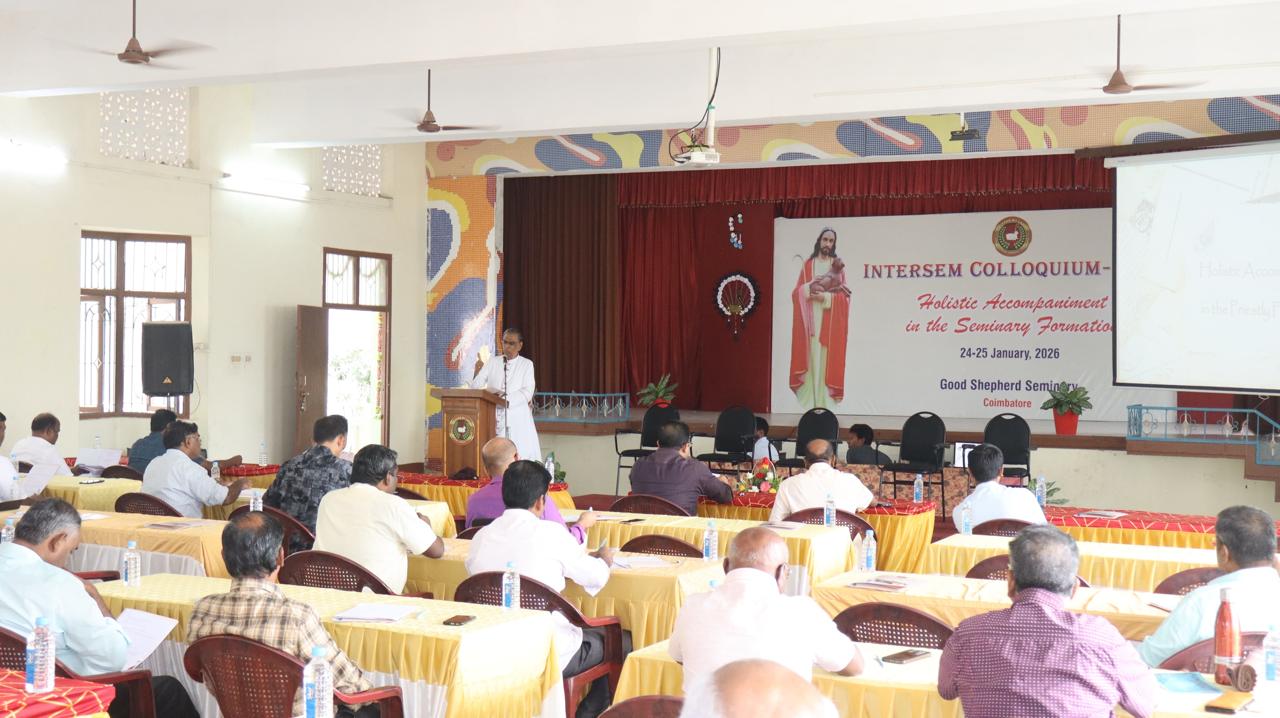
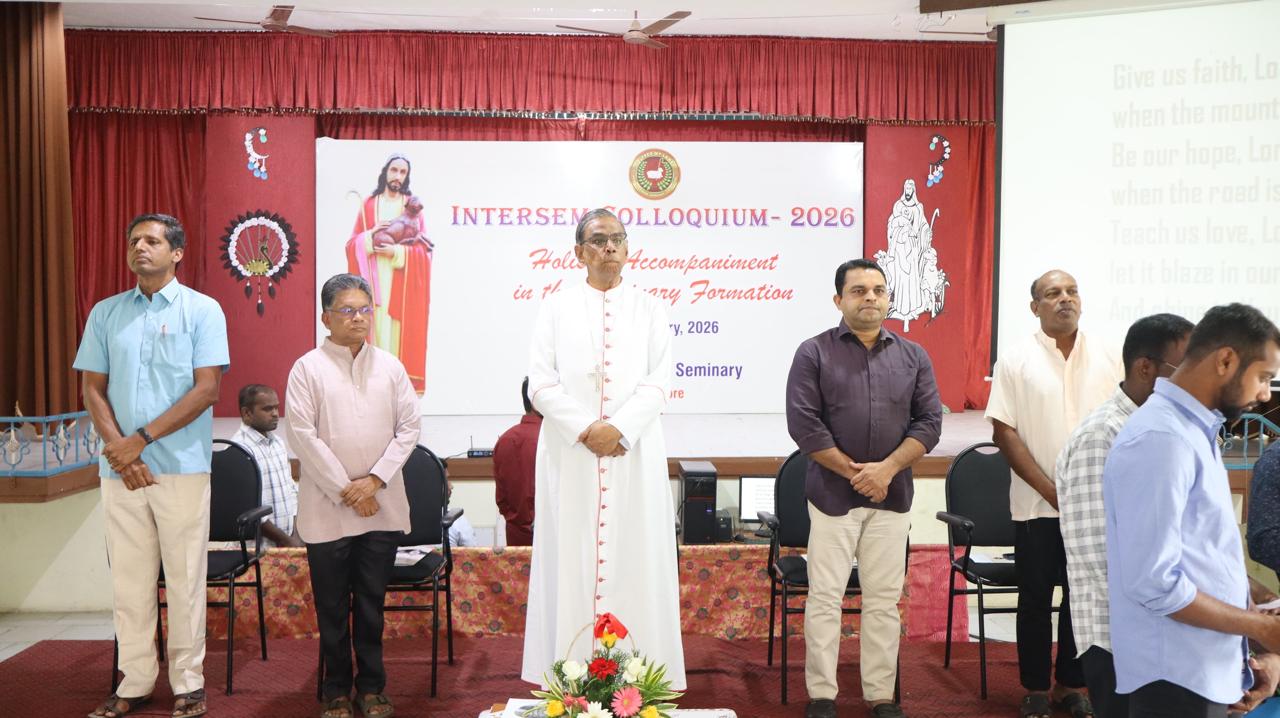
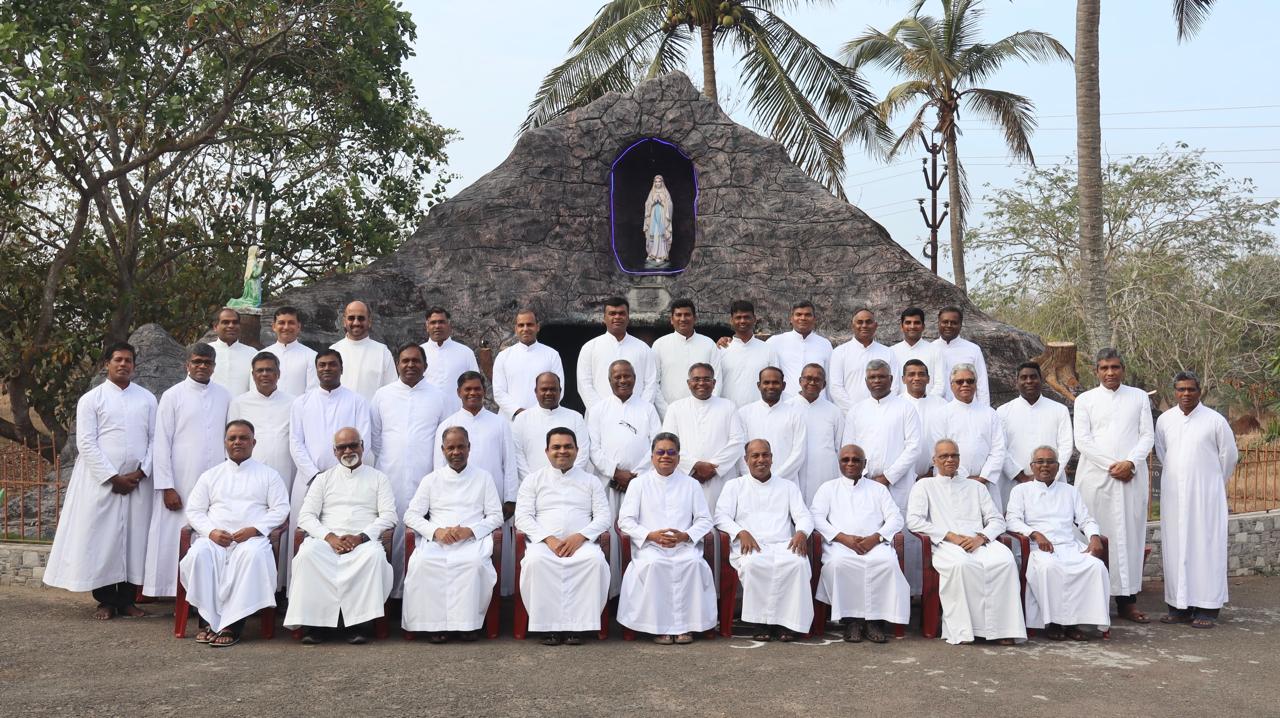
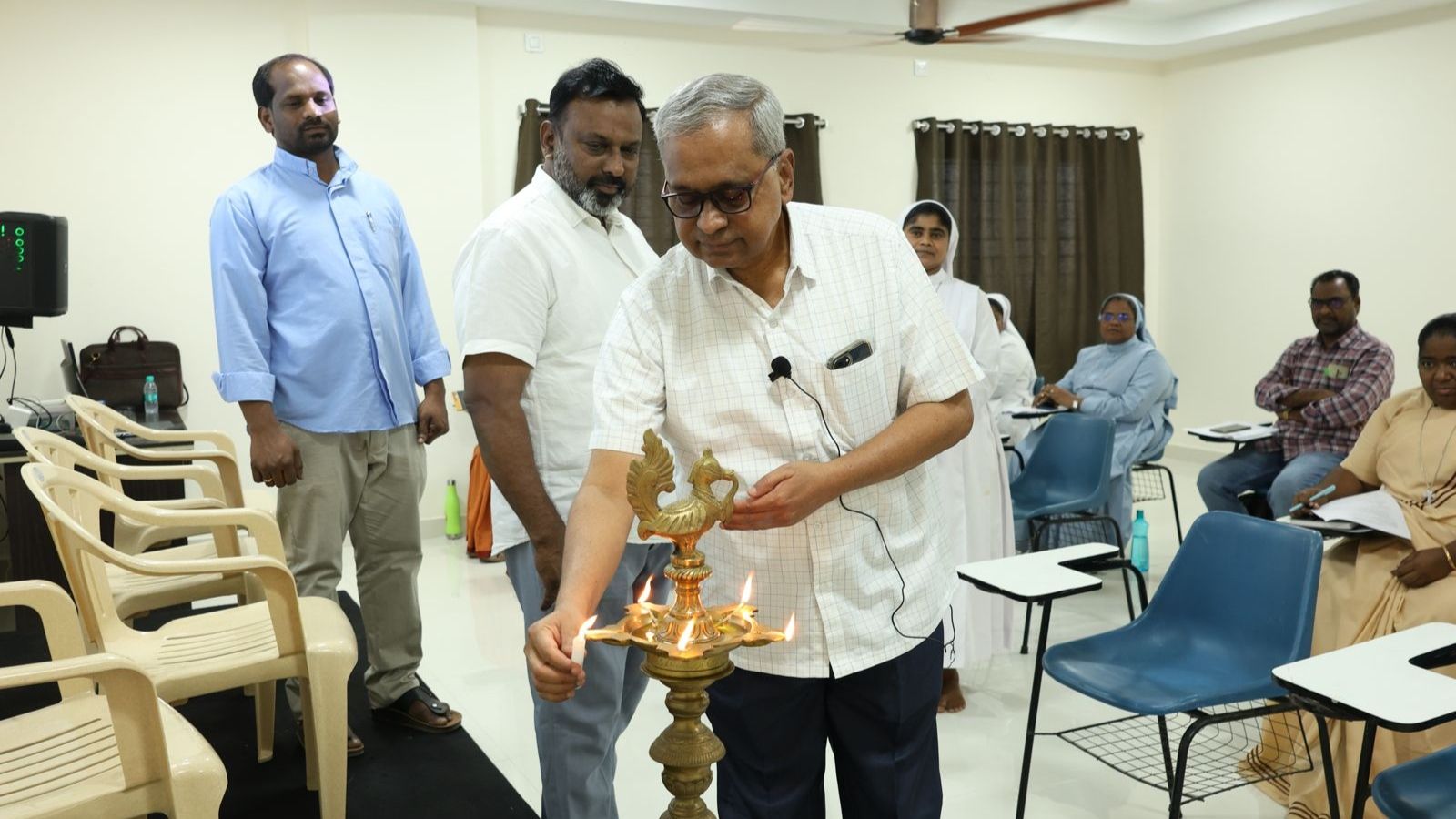
Coimbatore, Jan 29, 2026:


Formators from Catholic seminaries across Tamil Nadu have underscored the need for a renewed and holistic approach to priestly formation, emphasising accompaniment that integrates human maturity, spiritual depth, and pastoral discernment.
The message emerged during the Inter-Sem Colloquium held on January 24–25 at Good Shepherd Seminary, Coimbatore, which brought together 46 professors from Sacred Heart Seminary, Chennai; St. Paul’s Seminary, Tiruchirappalli; and Good Shepherd Seminary. The two-day gathering was centred on the theme “Holistic Accompaniment in Seminary Formation.”
Addressing the participants, Fr. Antony Raj, Rector of Good Shepherd Seminary, stressed that priestly formation cannot be confined to academic excellence or external discipline. He described formation as a shared journey that must embrace the intellectual, spiritual, human, pastoral, emotional, and psychological dimensions of the individual. Such accompaniment, he said, enables seminarians to grow into integrated persons marked by maturity, inner freedom, discernment, and a deep configuration to Christ, the Good Shepherd.


Expanding on the principles of contemporary formation, Bishop Lawrence Pius of Dharmapuri highlighted the centrality of accompaniment, self-formation, and integrated growth. He described the role of the formator as offering a “sacrament of presence,” calling them to a life of authenticity, ascetic discipline, and availability. Trust, he noted, is essential in helping seminarians take responsibility for their own formation, supported by careful discernment and stage-appropriate guidance.
The Bishop further emphasised that authentic accompaniment demands openness to the Holy Spirit, empathetic listening, and clarity about personal boundaries, while ensuring that seminarians are given genuine freedom in their vocational journey. He cautioned against the risk of divided living—appearing devout externally while lacking inner integration—and stressed that religious devotion must mature into a personal and authentic spirituality.
Focusing on the method and goal of accompaniment, Fr. Maria Antony explained that formation is ultimately a gradual configuration to Christ. He illustrated this journey as a movement from self-centred and problem-driven living toward a God-centred vision that views life with openness, flexibility, and hope. True accompaniment, he said, unites creed, code, community, and cult, and requires the formator’s full and attentive presence at every stage.
Reflecting on pastoral formation, Fr. R. D. E. Jerome noted that genuine freedom arises from relinquishing attachments to comfort, security, power, and status. Pastoral ministry, he observed, calls for the courage to be “disturbed” for the sake of growth and mission—mirroring Christ, who allowed Himself to be interrupted in order to bring healing and light to others.
The colloquium concluded with open discussions and the preparation of an action plan for the 2026–2027 academic year, reaffirming the seminaries’ shared commitment to translating holistic accompaniment into concrete formative practices.
Participants left the gathering with a renewed conviction that accompaniment is not merely a method but a living relationship—one that invites formators to walk closely with seminarians, shaping future priests who are integrated, discerning, and deeply rooted in Christ.
© 2026 CATHOLIC CONNECT POWERED BY ATCONLINE LLP