- 27 August, 2026
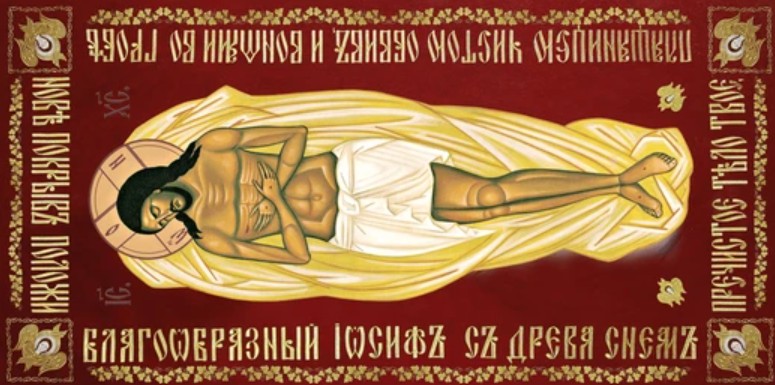
New Delhi / Vatican City, April 7, 2026: New DNA research suggests the Shroud of Turin passed through the Middle East, reigniting global debate on its authenticity. Discover what this means for Indian Catholics and the faith-science dialogue.


Nearly a week after new scientific findings emerged, fresh discussions are gaining momentum among theologians, scientists, and faithful worldwide—including in India—regarding the authenticity of the Shroud of Turin. The latest DNA research has added a significant dimension to the ongoing conversation, reinforcing long-held beliefs while reopening important scientific debates.
The recent study, led by Dr. Gianni Barcaccia of the University of Padua, suggests that the Shroud likely passed through the Middle East. The research identified genetic traces predominantly from the Near East, along with microorganisms typically found in saline environments such as the Dead Sea region. These findings provide new scientific backing to the historical journey traditionally associated with the burial cloth of Jesus Christ.


This development builds upon earlier research conducted with material provided by Pier Luigi Baima Bollone, who had previously identified human blood traces on the Shroud. The current study further strengthens the argument that the relic has interacted with diverse populations across centuries, reflecting a complex historical path through multiple regions.
The latest findings come in the backdrop of earlier debates, including a controversial “sculpture theory” that questioned the Shroud’s authenticity. That theory was strongly challenged by experts, as reported in February 2026. The current DNA-based evidence now shifts the conversation once again—moving it away from speculative theories and toward empirical scientific analysis.
For many observers, especially within the Indian Catholic community, this marks an important moment of reflection. The renewed discussion highlights how faith and science continue to engage in meaningful dialogue rather than conflict.
The study points to several key findings:
Researchers noted that the term “Shroud” itself may be linked to ancient textile traditions, possibly even connected to regions like Sindh, known for fine linen production. This opens up fascinating possibilities about ancient trade networks and cultural exchanges.
For Indian Catholics, this evolving narrative carries both spiritual and intellectual significance. The Shroud has long been venerated as a powerful symbol of Christ’s Passion. Now, with scientific findings pointing toward historical authenticity, the relic continues to inspire deeper faith while inviting thoughtful inquiry.
The discussion also resonates with India’s rich tradition of integrating faith with reason—a value deeply rooted in Catholic education and theology across the country.
While the latest research does not claim absolute proof, it undeniably adds another important piece to the puzzle. It reinforces the idea that the story of the Shroud is not static but continues to unfold through ongoing research and reflection.
As new evidence emerges, the Shroud of Turin remains not just a relic of the past, but a living subject of global interest—uniting believers, scientists, and seekers in a shared journey toward truth.
___________________
Relevant Keywords: Shroud of Turin India Catholic, Shroud of Turin DNA research, Catholic Church relic authenticity, Jesus burial cloth evidence, Vatican Shroud study 2026, faith and science Catholic Church, Indian Catholic news Shroud Turin, Dead Sea DNA Shroud, Christian relic scientific study






© 2026 CATHOLIC CONNECT POWERED BY ATCONLINE LLP