- 19 May, 2026

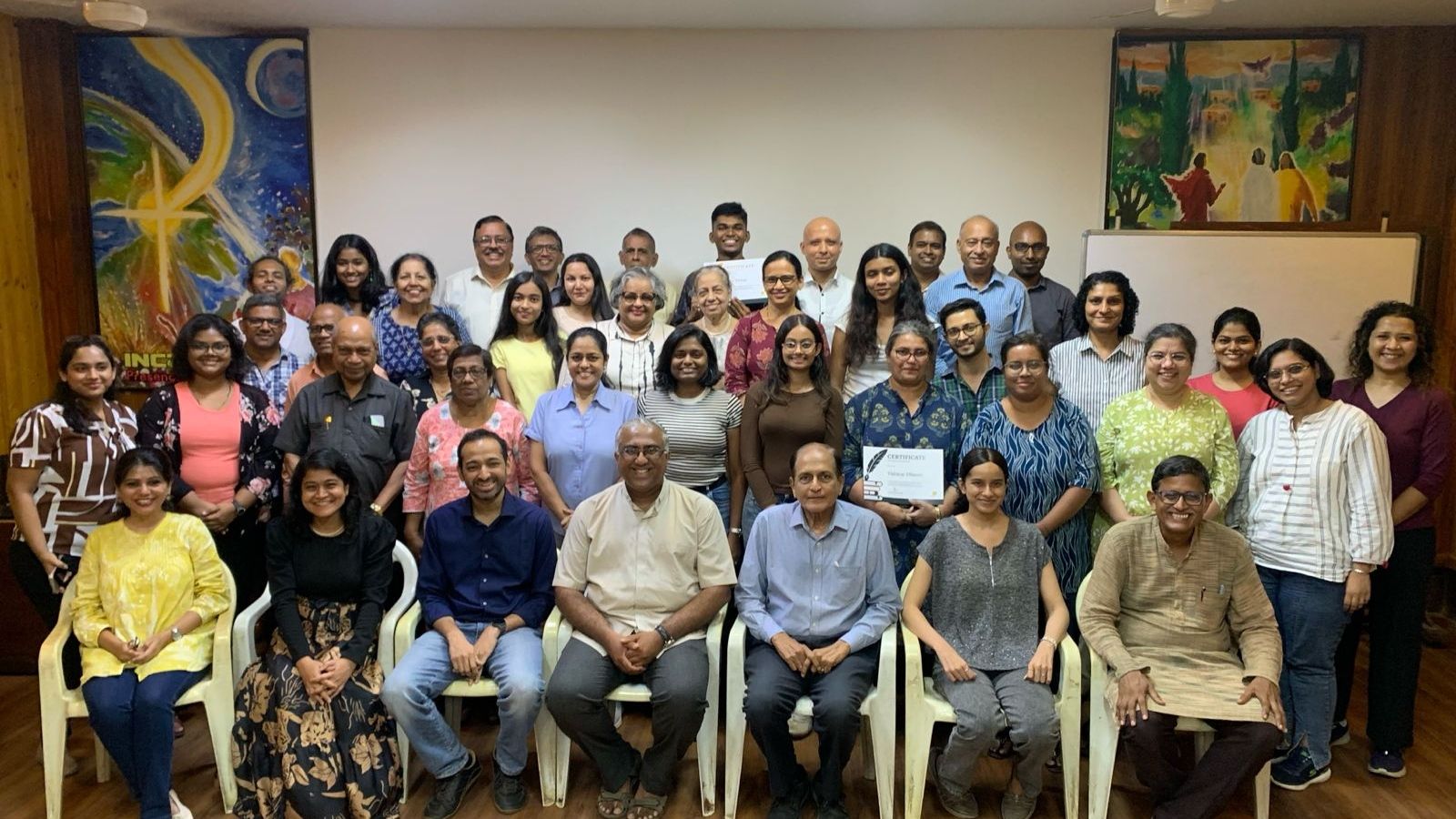
Mumbai, 19, 2026: On a rainy Oxford evening in the 1930s, a group of writers gathered at a pub called 'The Eagle and Child.' Pints in hand, manuscripts spread across wooden tables, they argued, laughed, critiqued, and imagined worlds that would eventually shape Christian literature forever. They called themselves 'The Inklings,' a literary circle made up of names that would become legendary: C. S. Lewis, J. R. R. Tolkien, and their close literary influence, G. K. Chesterton.


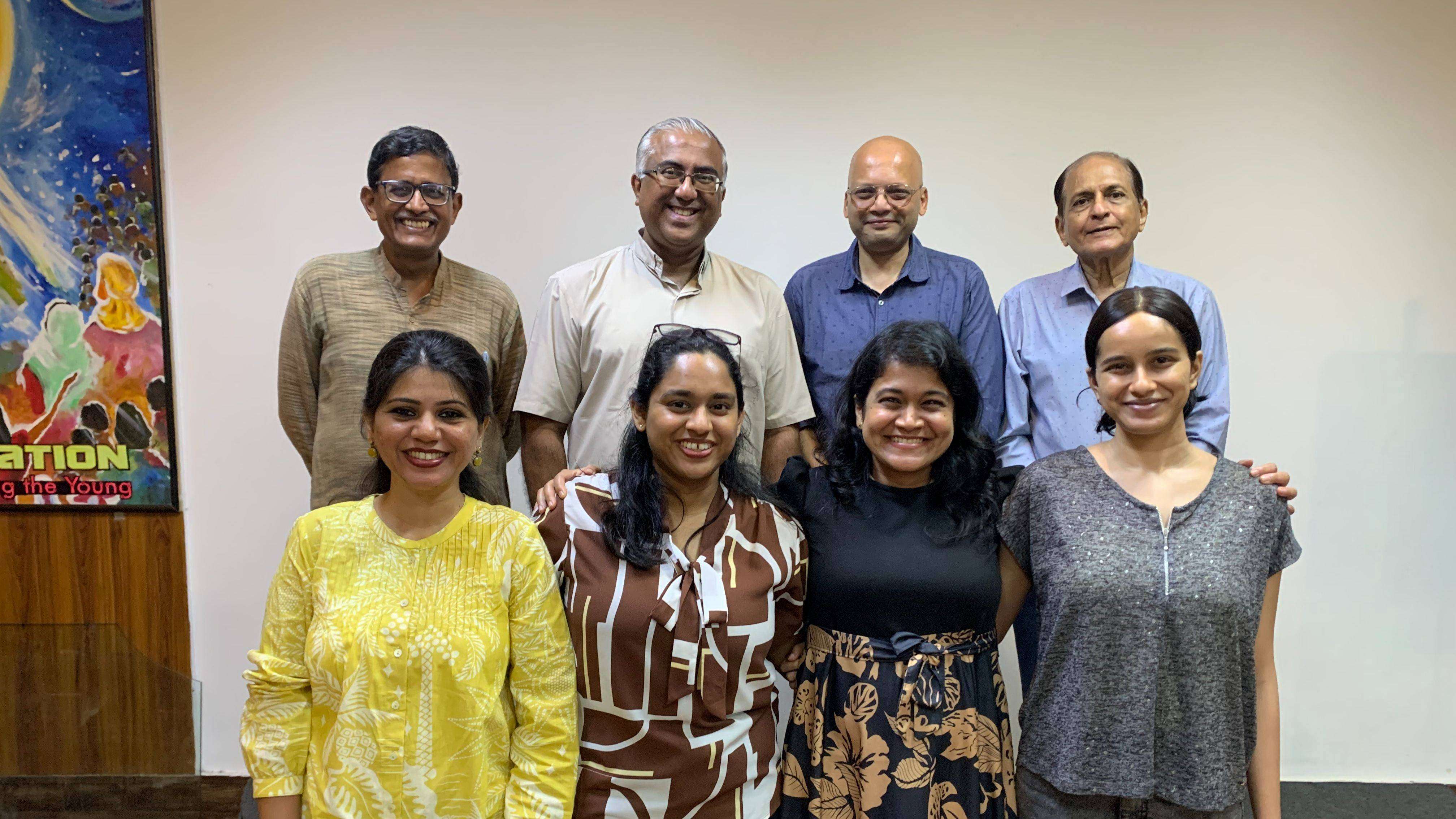
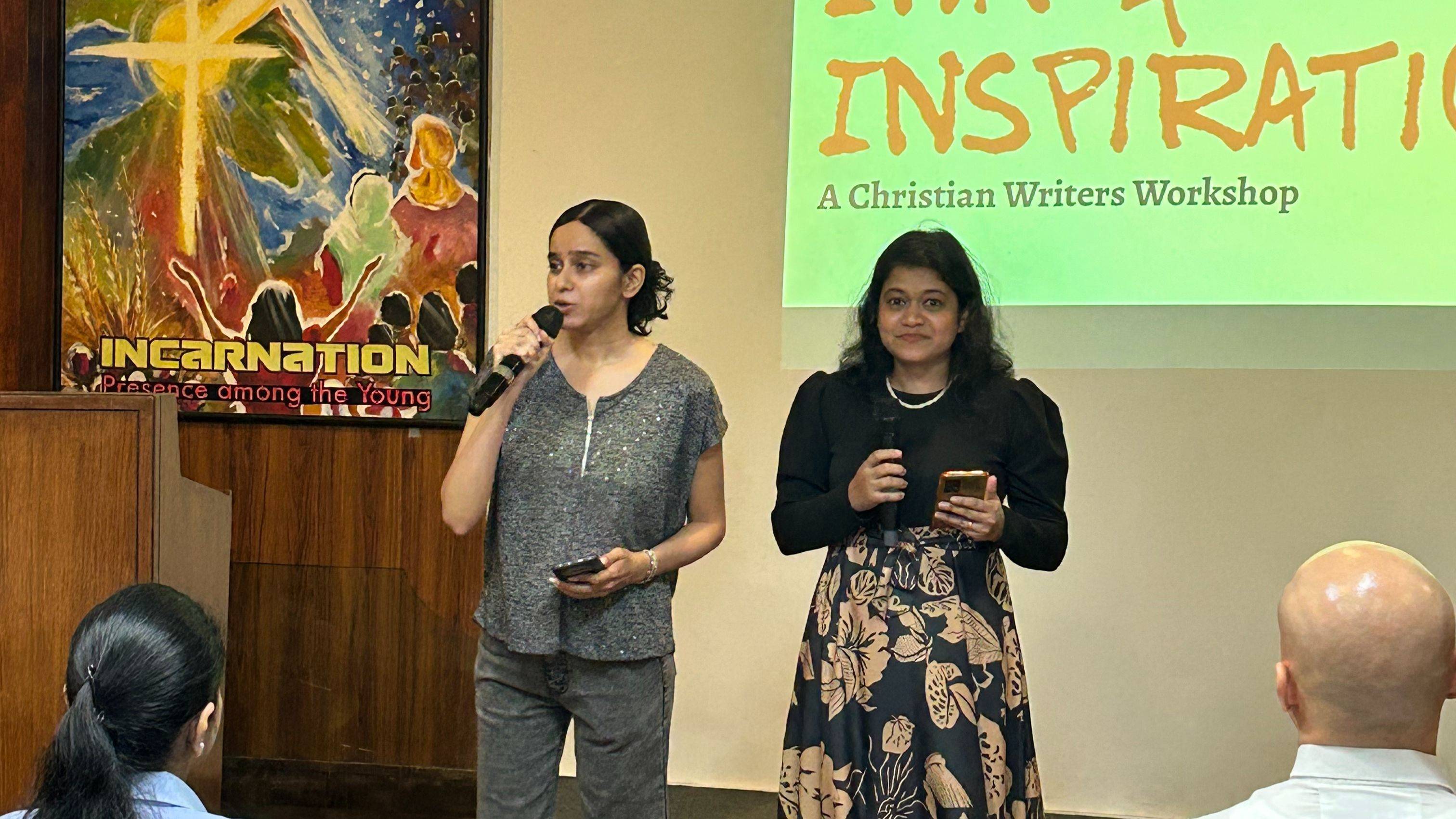
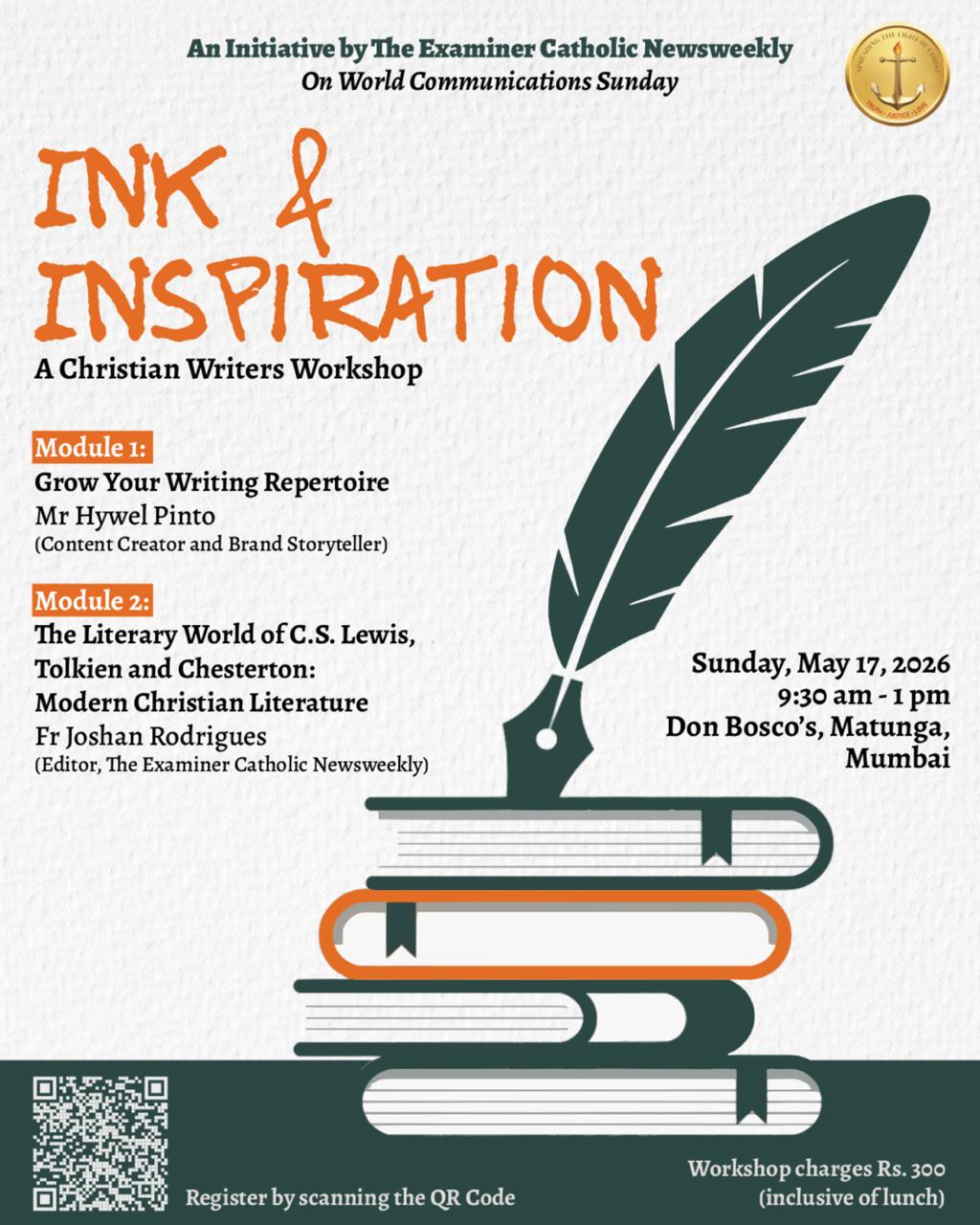
Nearly a century later, in Mumbai, their spirit of thoughtful storytelling quietly echoed through The Examiner’s Ink and Inspiration – A Christian Writer’s Workshop.
The timing could not have been more fitting.


The theme for the 60th World Day of Social Communications, “Preserving Human Voices and Faces,” served as the backdrop to a workshop that asked a timely question: in an age where machines can instantly generate words, what still makes writing unmistakably human? The workshop was held at Don Bosco Youth Services Hall, Matunga, on May 17.
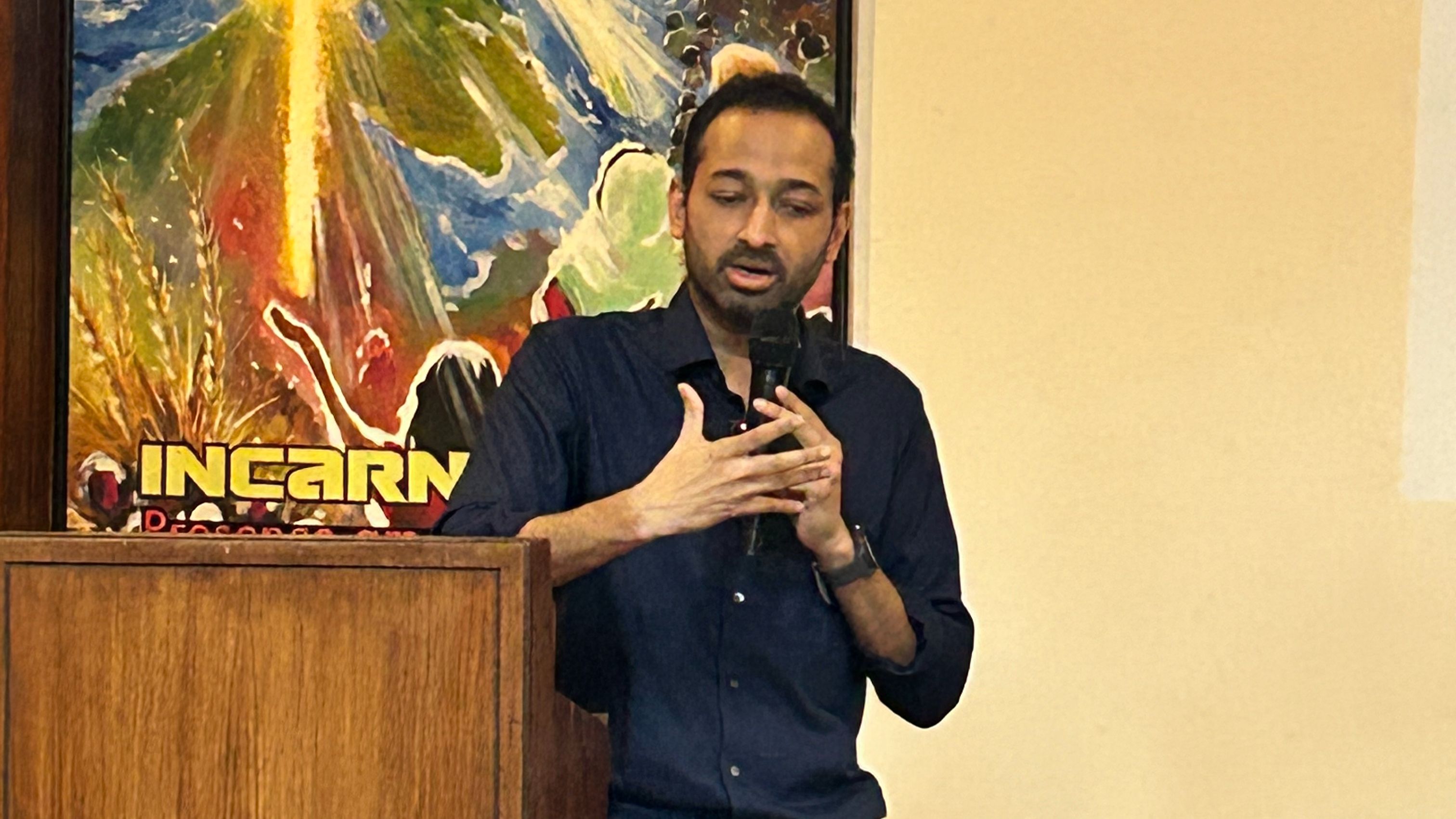
The day began with a session by novelist Hywel Richard Pinto titled “Grow Your Writing Repertoire.” Fittingly for someone who writes thrillers and mysteries, Hywel approached writing less like a rigid formula and more like an adventure.
Born and raised in Mumbai, Hywel works professionally in advertising, proof that stories often grow quietly between deadlines, everyday routines, and ideas that refuse to leave us alone. Encouraged by his wife Christina and family, he wrote his first novel, The Monday Murder, which caught attention after being shortlisted among the top manuscripts to watch by DNA-Hachette. Since then, he has steadily built an impressive body of work, from ICE BOUND and Europa to the stellar Monsters of Mithi, with his latest novel High Tide.
But if participants expected a glamorous account of publishing success, Hywel gently dismantled that illusion. “The best stories,” he explained, “are written not when you write for others, but when you write for yourself.”
The room quickly realised that writing is far messier than romanticised myths suggest. Writing, Hywel reminded everyone, is drafting, rewriting, editing, deleting, rebuilding, and then doing it all over again.
One of the most useful takeaways from his session was his breakdown of different writing formats. Novels immerse readers in characters and twists. Articles and biographies need clarity and precision. Blogs thrive on relatability. Scripts demand visual movement. Advertisements grab attention in seconds.
Perhaps his most relatable reminder was this: don’t make writing preachy. Readers, he joked, need some masala, relatability, tension, suspense, and localisation to stay invested.
While the first session focused on how stories are written, the second explored why stories endure.
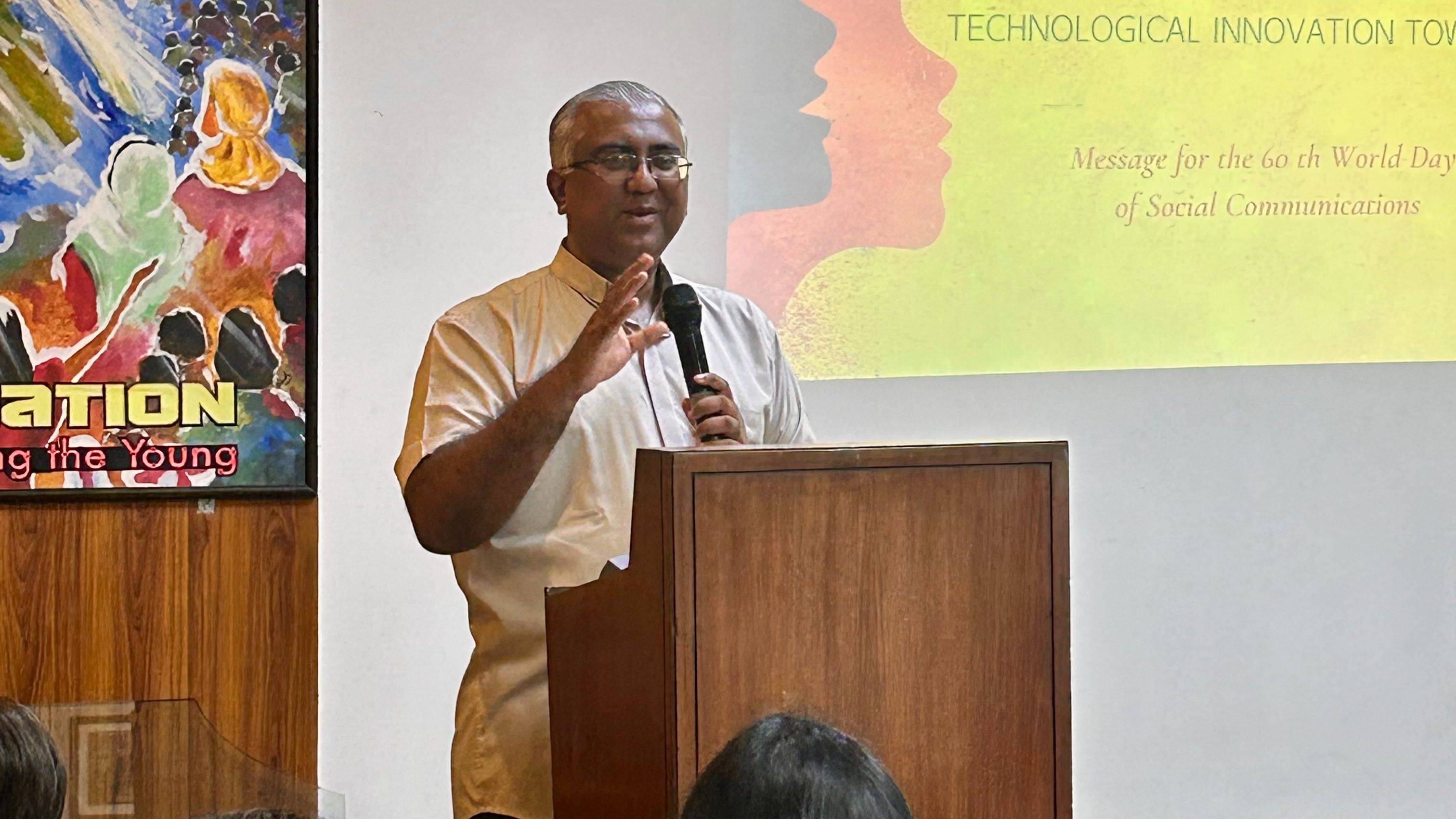
Fr. Joshan Rodrigues, Chief Editor of The Examiner Catholic Newsweekly, took participants into the fascinating literary world of C.S. Lewis, Tolkien, and Chesterton, writers who shaped Christian imagination during a century shaken by war, secularisation, scientific materialism, and existential doubt.
Lewis famously credited Chesterton’s 'The Everlasting Man' as one of the books that paved the way for his conversion to Christianity. Tolkien, too, admired Chesterton’s imagination and wit.
At the heart of the session was 'The Inklings'. They met throughout the 1930s and 1940s, often at Oxford’s famous Eagle and Child pub, reading unfinished manuscripts aloud, debating philosophy, and challenging one another’s ideas. It was in this circle that parts of The Lord of the Rings and The Chronicles of Narnia were first heard.
Fr. Joshan unpacked what made these writers extraordinary: not just what they wrote, but how they wrote.
Chesterton, for instance, loved paradox, turning assumptions upside down to reveal deeper truths. He used wonder and humour to “re-enchant” a world becoming overly mechanical and rational. His famous line, “The madman is not the man who has lost his reason, but the man who has lost everything except his reason,” perfectly captures his playful yet profound style.
Lewis mastered supposition and allegory-like symbolism, asking imaginative questions such as: What if Christ entered a magical world? This became the foundation for Narnia, where Aslan embodies sacrifice, redemption, and resurrection. Lewis also used satire, particularly in The Screwtape Letters, where demons expose human weakness with uncomfortable honesty.
Tolkien, meanwhile, offered something entirely different: mythopoeia, the art of creating entire mythological worlds. For Tolkien, storytelling was not escapism or falsehood but “sub-creation,” humanity reflecting the creativity of God. He avoided direct allegory, preferring symbolism woven subtly into Middle-earth through themes of grace, mercy, sacrifice, and hope. Fr. Joshan highlighted Tolkien’s idea of eucatastrophe — a sudden joyful turn when all seems lost — perhaps best seen when mercy toward Gollum unexpectedly leads to the destruction of the Ring.
What became increasingly clear was this: these writers defended faith not merely through arguments, but through imagination.
They understood something modern communication often forgets: people remember stories long after they forget debates.
As the day drew to a close, one thought quietly lingered.
Long before AI, algorithms, or instant content, writers gathered in pubs, homes, classrooms, and communities to share stories. They wrestled with ideas, revised imperfect drafts, and searched for meaning through words.
And if 'The Inklings' taught us anything, it is this: stories, when rooted in truth and imagination, have a way of outliving their writers.
By Trina Remedio, Editorial Board of The Examiner.
© 2026 CATHOLIC CONNECT POWERED BY ATCONLINE LLP