- 27 October, 2026

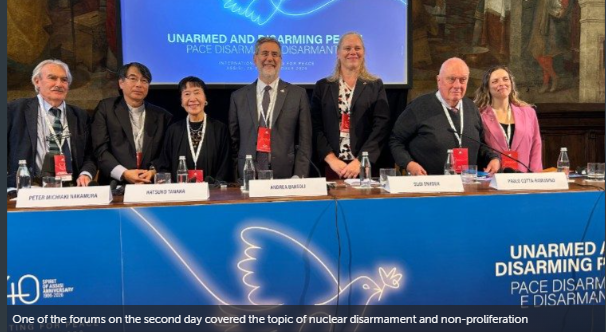
ASSISI, October 27, 2026 — A Hiroshima atomic bomb survivor, the Archbishop of Nagasaki and international peace advocates have called for the abolition of nuclear weapons, warning that their continued existence threatens human dignity and the future of humanity.



The appeal came at the International Meeting for Peace in Assisi, where speakers combined personal testimony, religious symbolism and global disarmament advocacy to highlight the catastrophic human cost of nuclear warfare.
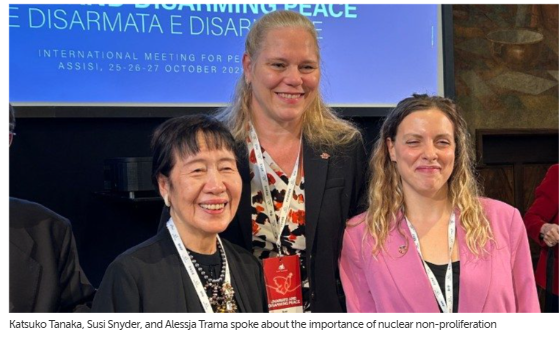
Katsuko Tanaka, who was six years old when the atomic bomb struck Hiroshima on August 6, 1945, recounted the burns and devastation she suffered. The blast burned her hair, neck and arm, severely damaged her home and left her so disfigured that her mother initially failed to recognise her.
Although she survived, Tanaka kept her traumatic memories largely to herself for decades, beginning to share her experience publicly only after turning 70.
At Assisi, she urged nations to sustain efforts towards nuclear disarmament and non-proliferation, warning that the continued possession of nuclear weapons carries the danger of their eventual use.
She invited world leaders to view Earth from space, where national borders disappear, arguing that humanity shares a common home and responsibility. Recalling the blue sky she remembered after the bombing, she appealed to the world to ensure that no other city experiences a Hiroshima.
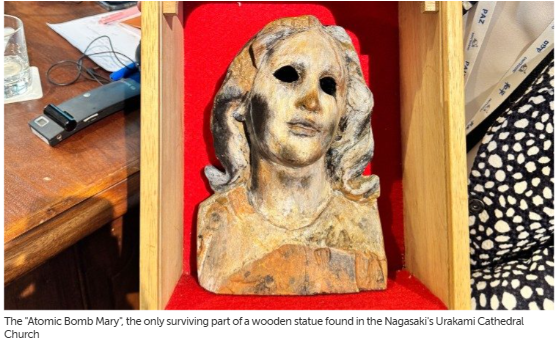
Archbishop Peter Michiaki Nakamura of Nagasaki brought a powerful reminder of the nuclear devastation to the meeting: the surviving head of a wooden statue of Mary recovered from the ruins of Urakami Cathedral after the atomic bombing of Nagasaki on August 9, 1945.
Known as “Atomic Bomb Mary”, the relic bears witness to the destruction of the city and the suffering of its people. Its presence at the meeting linked the call for disarmament with the Catholic Church’s commitment to the dignity and protection of human life.
Susi Snyder of the International Campaign to Abolish Nuclear Weapons (ICAN), which received the 2017 Nobel Peace Prize, warned that nuclear deterrence is becoming increasingly dangerous in a world with several nuclear-armed states.
She also expressed concern about the growing use of artificial intelligence in nuclear command-and-control systems, stressing that technological tools must not replace human judgement and accountability in decisions that could have catastrophic consequences.
Snyder argued that nuclear weapons undermine human dignity by encouraging the dehumanisation of others and weakening the bonds of human solidarity.
Alessja Trama of the Be the Hope Foundation called on young people to contribute to peacebuilding through art, music and their individual talents, emphasising that everyone has a role in shaping a more peaceful world.
Snyder also highlighted the role of faith-based organisations in reminding societies of their shared humanity and the need to uphold every person's dignity.
The meeting ended with a call to recognise that the future is not predetermined. Humanity must choose whether to continue living under the threat of nuclear destruction or work towards eliminating nuclear weapons, the speakers stressed.
The Assisi gathering placed the abolition of nuclear weapons not merely as a matter of international security but as a moral imperative rooted in the protection of human life.
Source: Vatican News



© 2026 CATHOLIC CONNECT POWERED BY ATCONLINE LLP