- 26 October, 2026
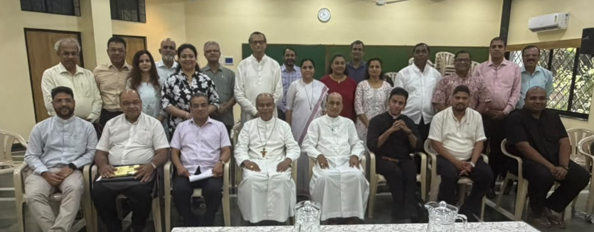
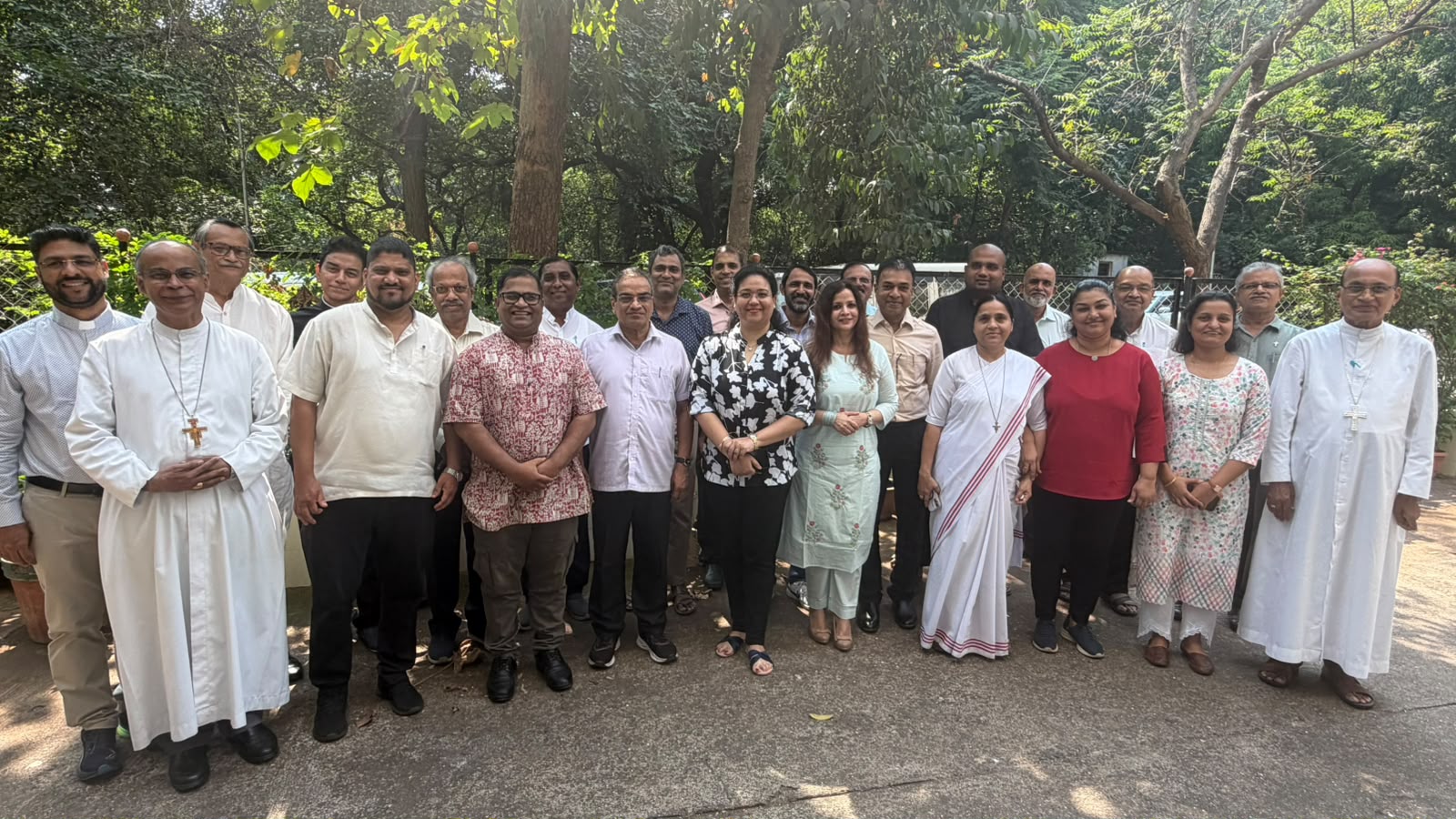
Mumbai, October 27, 2026: Church leaders from western India have called for more systematic implementation of the Conference of Catholic Bishops of India (CCBI) Pastoral Plan, emphasising the need to translate the Church’s pastoral vision into practical action, particularly for the poor and marginalised.


Workshop in Mumbai stresses Christ-centred ministry, measurable outcomes and stronger coordination across 12 dioceses.
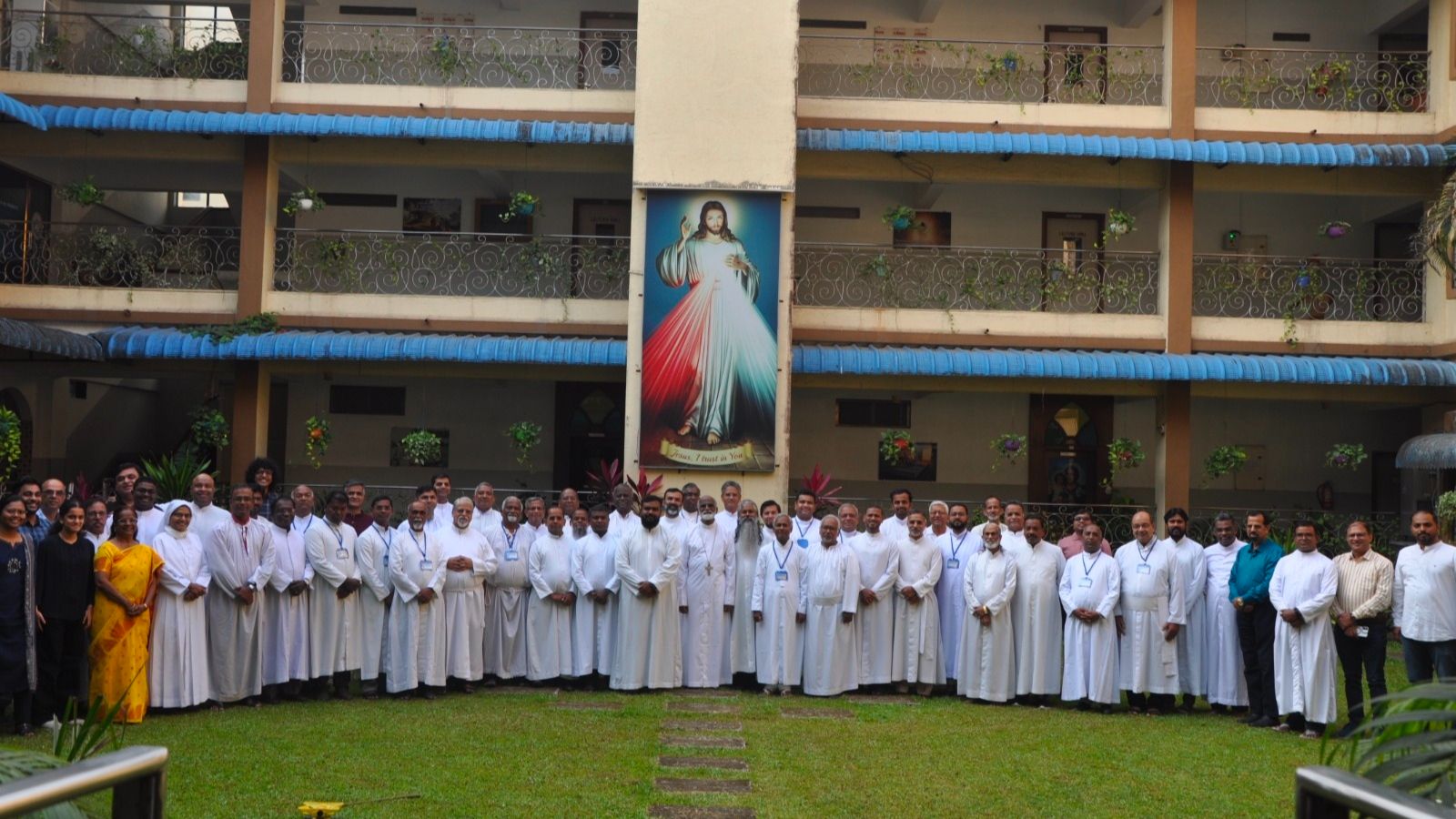
The one-day workshop, organised by the Western Region on 26 October at Sarvodaya – Centre for Capacity Building, St. Pius X College Campus, Goregaon East, Mumbai, brought together 21 participants representing the Archdioceses of Bombay and Goa and the Dioceses of Vasai, Poona and Amravati.
Archbishop John Rodrigues of Bombay highlighted the responsibility of dioceses and parishes to put the Pastoral Plan into practice through coordinated initiatives. The workshop was guided by Bishop Gerald Lobo, chairman of the CCBI Pastoral Plan Implementation Committee, who presented its vision, processes and practical application.
A central objective was to help participants understand how the Church could move from a general pastoral mandate towards a clearly defined mission supported by systematic planning, participation and evaluation.
Bishop Lobo emphasised Jesus as the model for pastoral activity, urging Church communities to keep Christ at the centre of their work and direct their efforts particularly towards “the least and the lost”.
Participants also explored the importance of coordination between diocesan structures and parish communities, ensuring that pastoral priorities lead to concrete initiatives that respond to people’s needs.
A documentary (Fruits of the Pastoral Plan) on the pastoral initiatives of the Diocese of Udupi offered practical insights into how the plan could be implemented and its impact assessed.
One of the workshop’s key findings was the need for reliable data and systematic documentation. Although dioceses undertake numerous pastoral activities, inadequate record-keeping can make it difficult to measure their reach and effectiveness.
Participants stressed the importance of recording the number of people benefiting from initiatives, evaluating outcomes and using the findings to improve future planning. Documenting successful practices would also help dioceses learn from one another and strengthen accountability.
Looking ahead, Bishop Lobo proposed compiling a comprehensive picture of implementation across all 12 dioceses of the Western Region. The assessment would identify dioceses that have implemented the plan, those still working towards implementation and those yet to begin.
This regional overview would help identify gaps, determine where support is needed and encourage wider adoption of the Pastoral Plan.
The positive feedback from participants reflected a renewed commitment to the initiative. The workshop concluded with an emphasis on collaboration, practical planning and Christ-centred service.
Ultimately, its message was clear: the success of the CCBI Pastoral Plan depends not simply on its vision, but on how effectively that vision transforms parish life and improves the lives of the people the Church serves.
By Catholic Connect Reporter


© 2026 CATHOLIC CONNECT POWERED BY ATCONLINE LLP