- 14 September, 2026

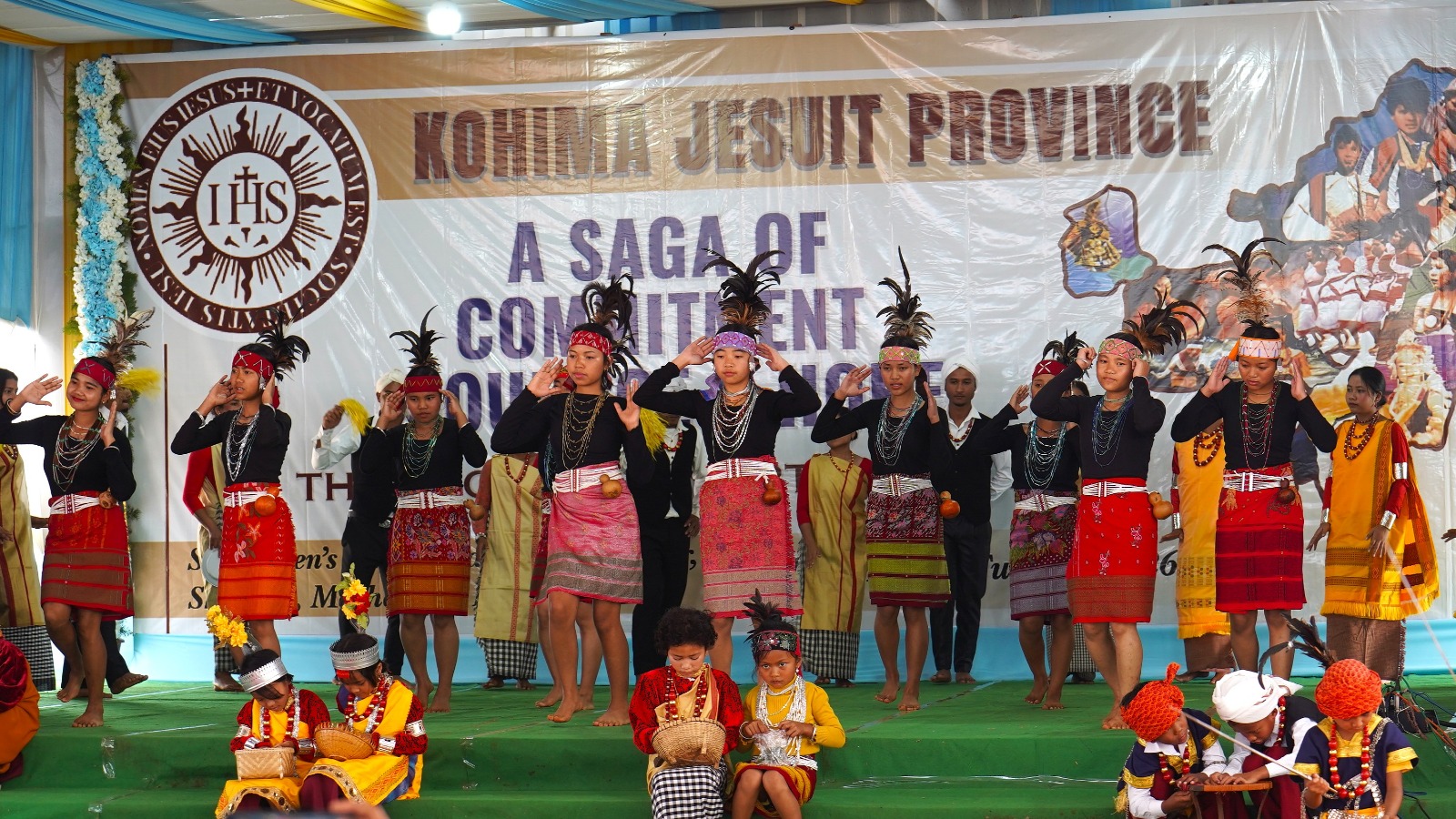
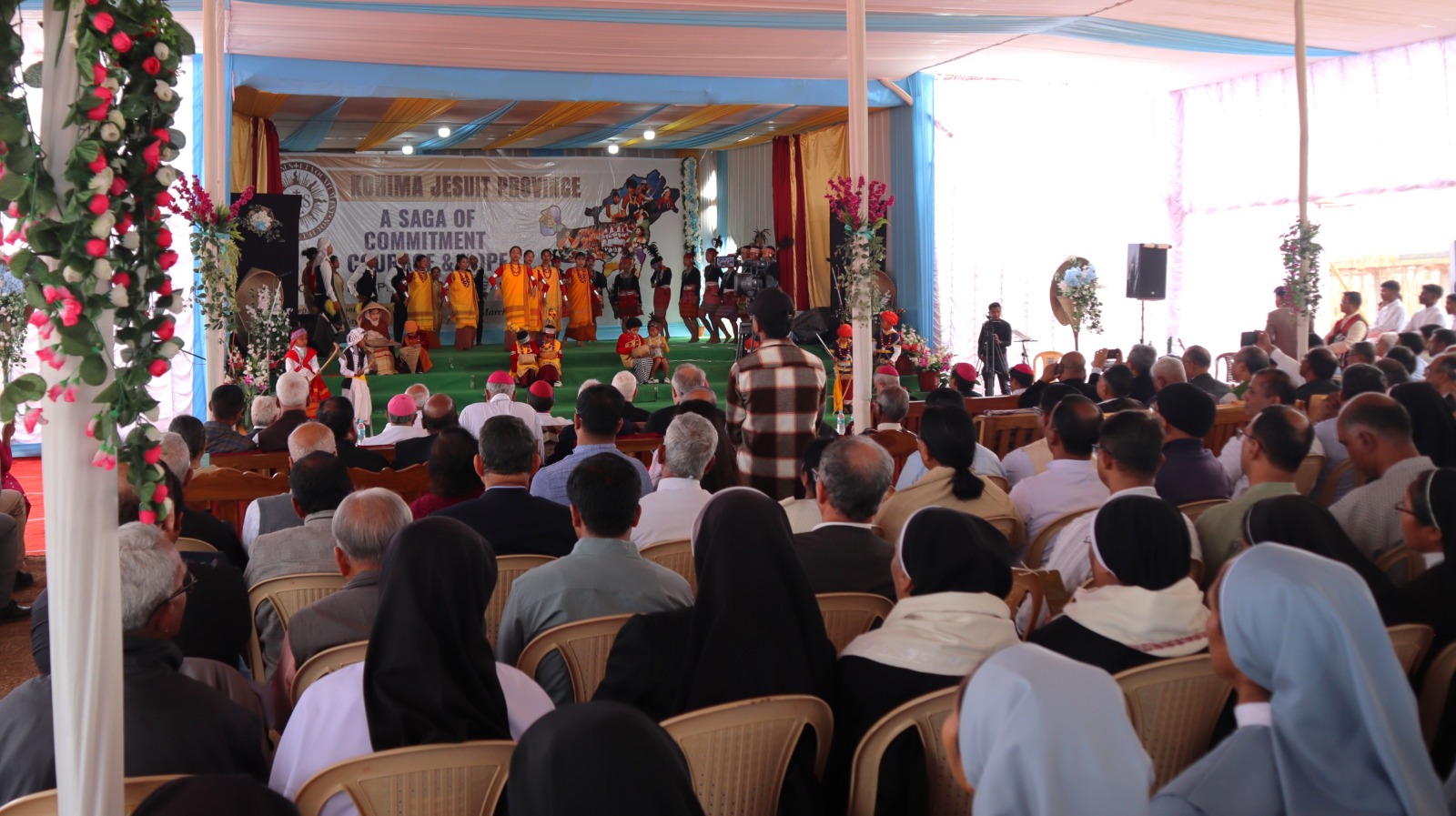
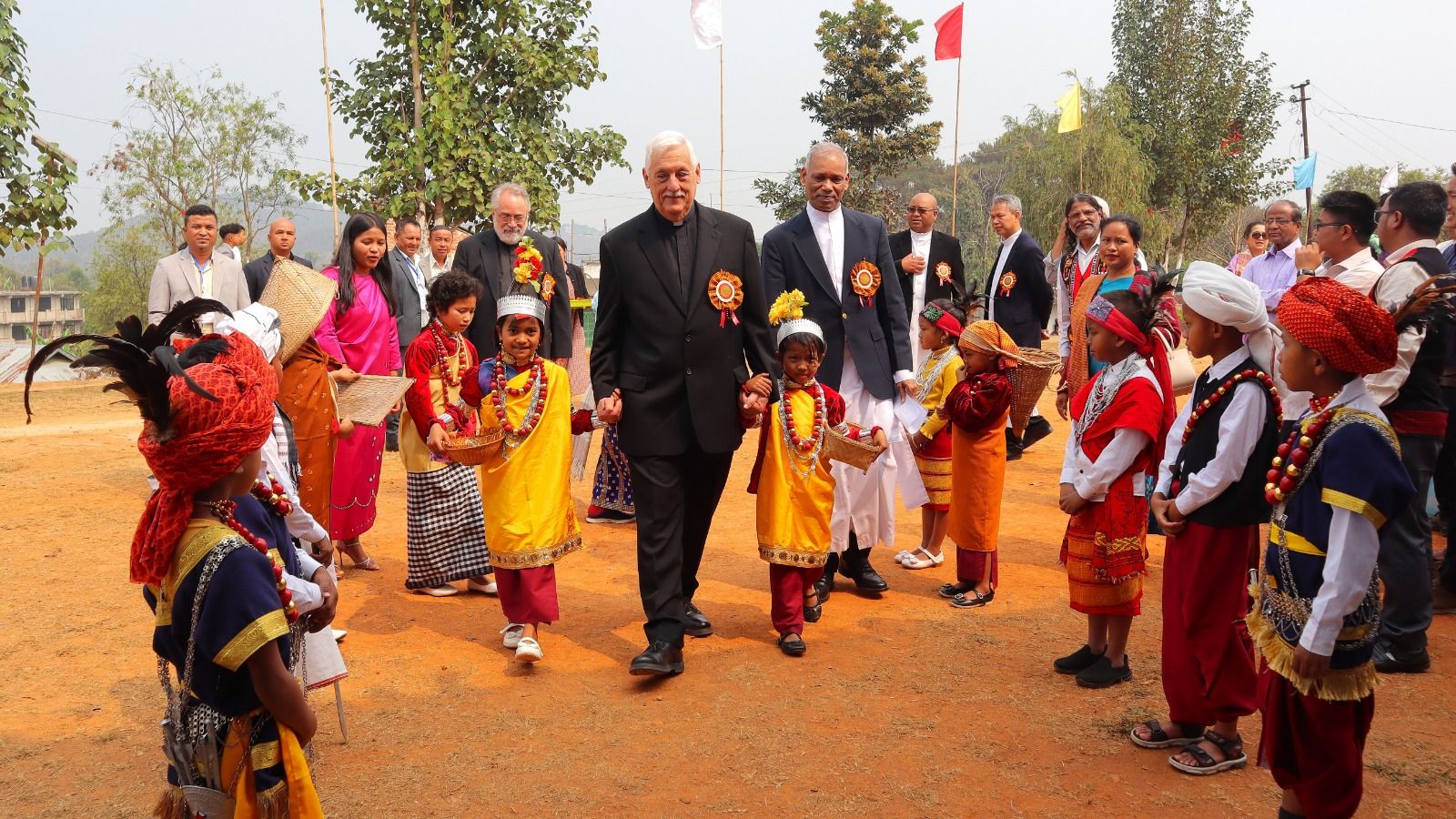
Kohima, March 13, 2026: More than five decades after three Jesuits arrived in Nagaland, their humble mission has grown, through God’s grace and sincere dedication, into a full-fledged Jesuit province serving the entire Northeast. The Kohima Jesuit Province was officially inaugurated on March 10, 2026, in Umbir, in Meghalaya’s Ri Bhoi district, by the Jesuits’ Superior General Dr. Arturo Sosa. For the 161 Jesuits serving in the Northeast, more than a hundred of whom are from the region itself, the inauguration marked an important milestone and a moment of thanksgiving for over 55 years of committed service to the people of Northeast India.

With the inauguration of the Kohima Jesuit Province, the Jesuits have begun a new chapter in their mission journey. Recalling the words of Pope Leo XIV, Fr. Arturo Sosa exhorted his fellow Jesuits in the Northeast, saying, “The Church needs you at the frontier, and so, go, accompanied by the spirit of Ignatius of Loyola, Francis Xavier, and Peter Faber, and other inspiring pioneers of Kohima Province, to set the world on fire with love and service.” The Kohima Jesuits have been striving to live out that call through their dedicated commitment to the people of the Northeast region.
The journey began in April 1970, when three Jesuits from Karnataka – Frs. Stany Coelho, Ligoury Castelino, and Raymond D’Souza- arrived in Kohima to begin the Nagaland Jesuit Mission. Their arrival followed a request from Nagaland’s then education minister, J.B. Jasokie, who later became the chief minister of the state. He had appealed to the church authorities to send Jesuits to open schools in the state, believing education could offer a peaceful alternative during a period marked by nationalist struggles.

Though initially invited to open institutions in Jotsoma and Kohima, the Jesuits faced opposition from some groups. They then looked for alternative locations and eventually moved to Jakhama, about 15 kilometres from Kohima. This development shaped their mission approach. While towns such as Kohima and Dimapur had some educational institutions, many tribal villages lacked access to schooling. The Jesuits, therefore, decided to establish most of their institutions in rural areas.
In the early decades, their work focused mainly on the southern Angami and Chakesang areas of Nagaland. To make education accessible, they introduced the “garland school system,” establishing primary schools in villages, middle schools serving clusters of villages, and Loyola High School in Jakhama as a central institution. Several middle schools later developed into high schools, and Loyola expanded into a higher secondary school. As the need for higher education grew, the Jesuits established St. Joseph’s College in Jakhama in 1985. Jesuit centres also combined education with pastoral and social work, reflecting their vision of forming “men and women for others” committed to serving society.
Following their principle of responding to where the need was greatest, the Jesuits handed over several institutions to the diocese/s to move into new mission areas. From 1997 onward, their work expanded beyond Nagaland and Manipur to other parts of the Northeast. In Assam, they focused on Adivasi tea garden workers, establishing parishes and schools at several places. They also opened centres among the Dimasa people in Dima Hasao district. In Meghalaya, the Jesuits run two colleges, five high schools, and as many parishes. In Arunachal Pradesh, they opened centres in Palizi, Bana, Bomdila, Buragaon, Thrizino, and Bhalukpong.
The Jesuit initiatives in the region have also contributed to linguistic and cultural preservation. The Jesuits played an instrumental role in reviving the endangered Aka language in the West Kameng District of Arunachal Pradesh by developing a Roman-script-based writing system and producing the first written materials in that language. The Jesuit-run North Eastern Institute of Language and Culture (NEILAC) has been playing a pivotal role in the revival of various other languages of the region.
The Jesuits have also contributed significantly to understanding crucial social and political issues affecting the Northeast through research conducted at the North Eastern Social Research Centre (NESRC) in Guwahati. Moreover, the Legal Cell for Human Rights (LCHR), also based in Guwahati, has been actively promoting legal awareness among rural communities in Northeast India.
By Fr. Stephen Naulak SJ





© 2026 CATHOLIC CONNECT POWERED BY ATCONLINE LLP