- 04 May, 2026

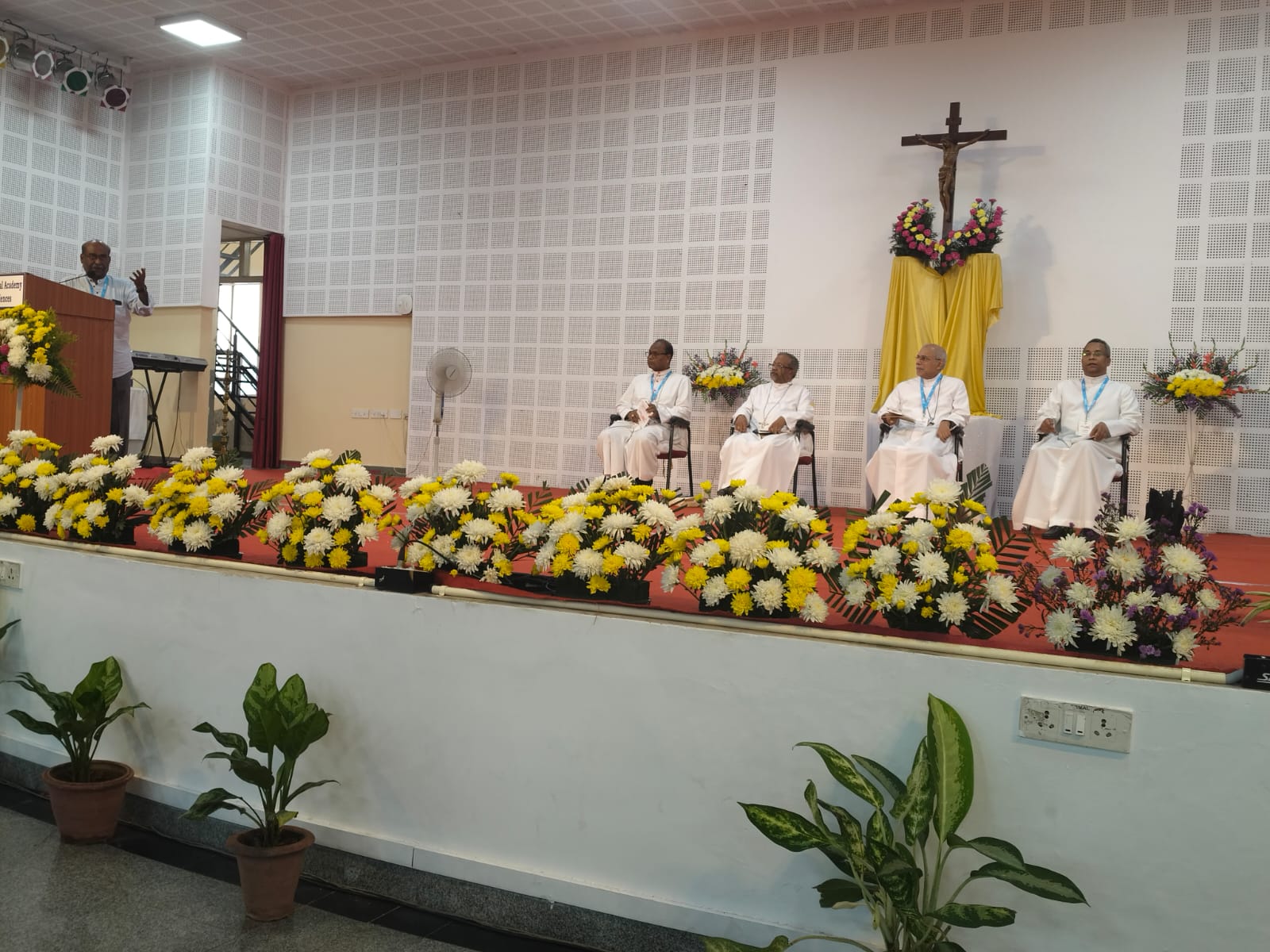
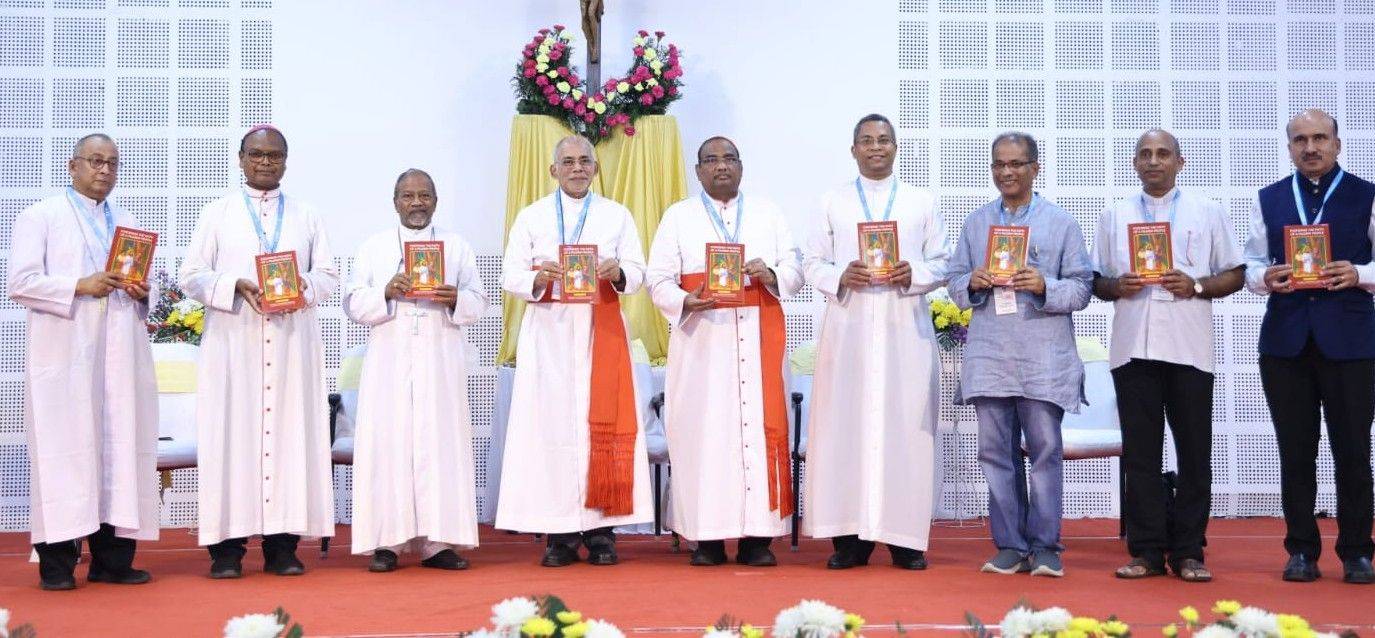
Bengaluru, May 3, 2026 — In a deeply participatory exercise, the National Synodal Assembly created space for listening to voices across the Church in India through a series of open forums, inviting priests, religious, laity, Church officials, and bishops to articulate their “Dream for the Church in India” in the coming decade.

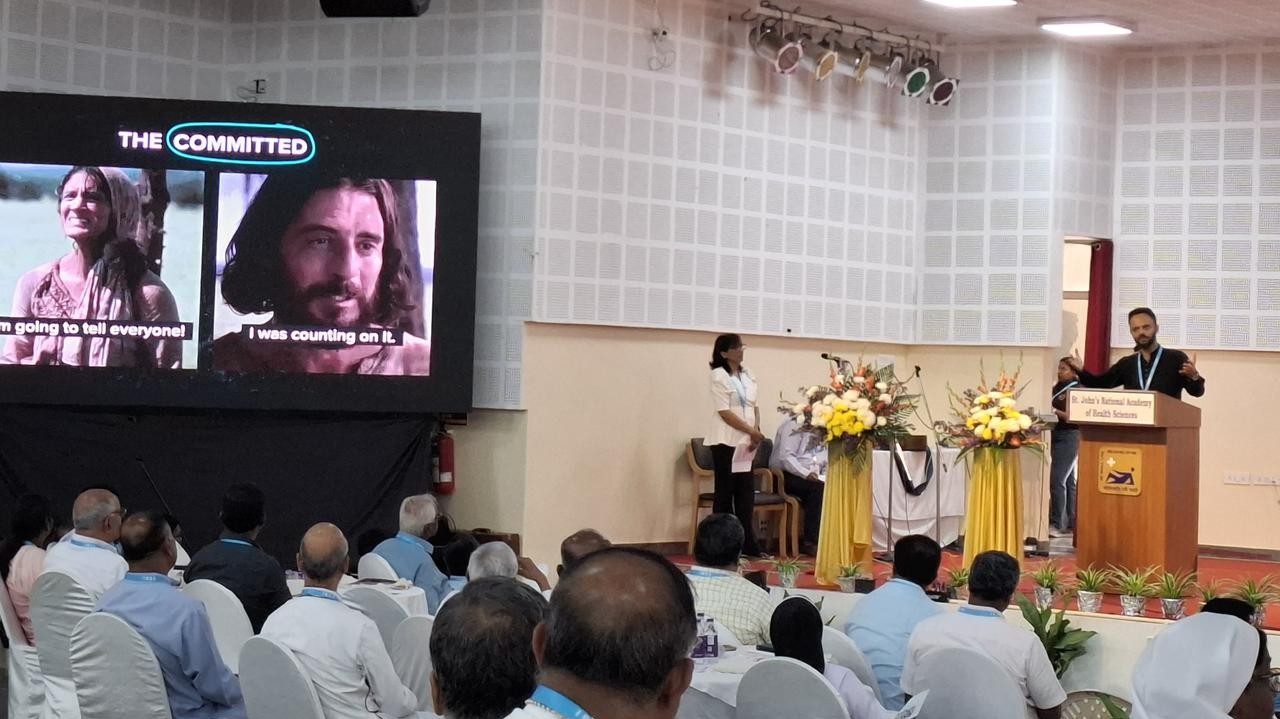
The initiative, organized under the Conference of Catholic Bishops of India (CCBI), brought together diverse groups in three structured sessions, each fostering reflection, accountability, and shared vision rooted in faith and lived experience.
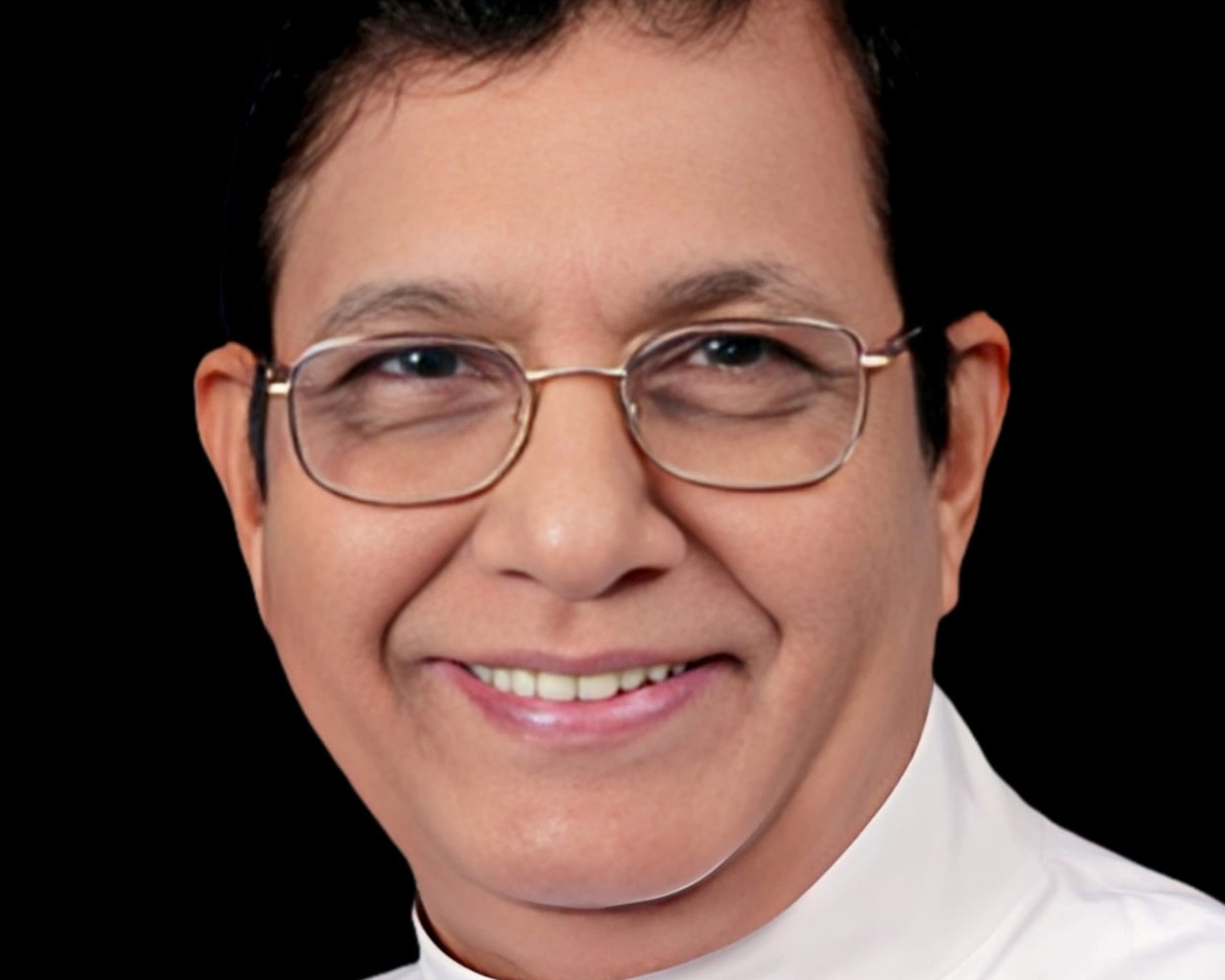
The first forum gathered around 80 participants, including priests, religious, and lay faithful, excluding bishops. Facilitated by Fr. Joe Xavier SJ, the session encouraged participants to express their dreams succinctly—within one or two sentences—while grounding them in their personal faith journeys, roles in the Church, and experiences within the Indian context. The emphasis was on envisioning tangible change within the next 10 to 15 years, rather than distant aspirations. The session concluded with observations and guiding reflections from Archbishop Peter Machado, Vice President of the CCBI, who encouraged participants to remain committed to their vision with courage and faith.


The second forum brought together 65 National Secretaries, Religious Development Secretaries (RDS), coordinators, and heads of departments. Once again facilitated by Fr. Joe Xavier SJ, this session echoed the same affirmation statement—“My Dream for the Church in India”—and invited participants to articulate their hopes and commitments in a concise and impactful manner. The discussions reflected a strong desire for renewal, transparency, and greater collaboration across Church structures. Archbishop Vincent Aind, Secretary General of the CCBI, offered closing observations, highlighting the importance of translating these shared dreams into concrete pastoral action.
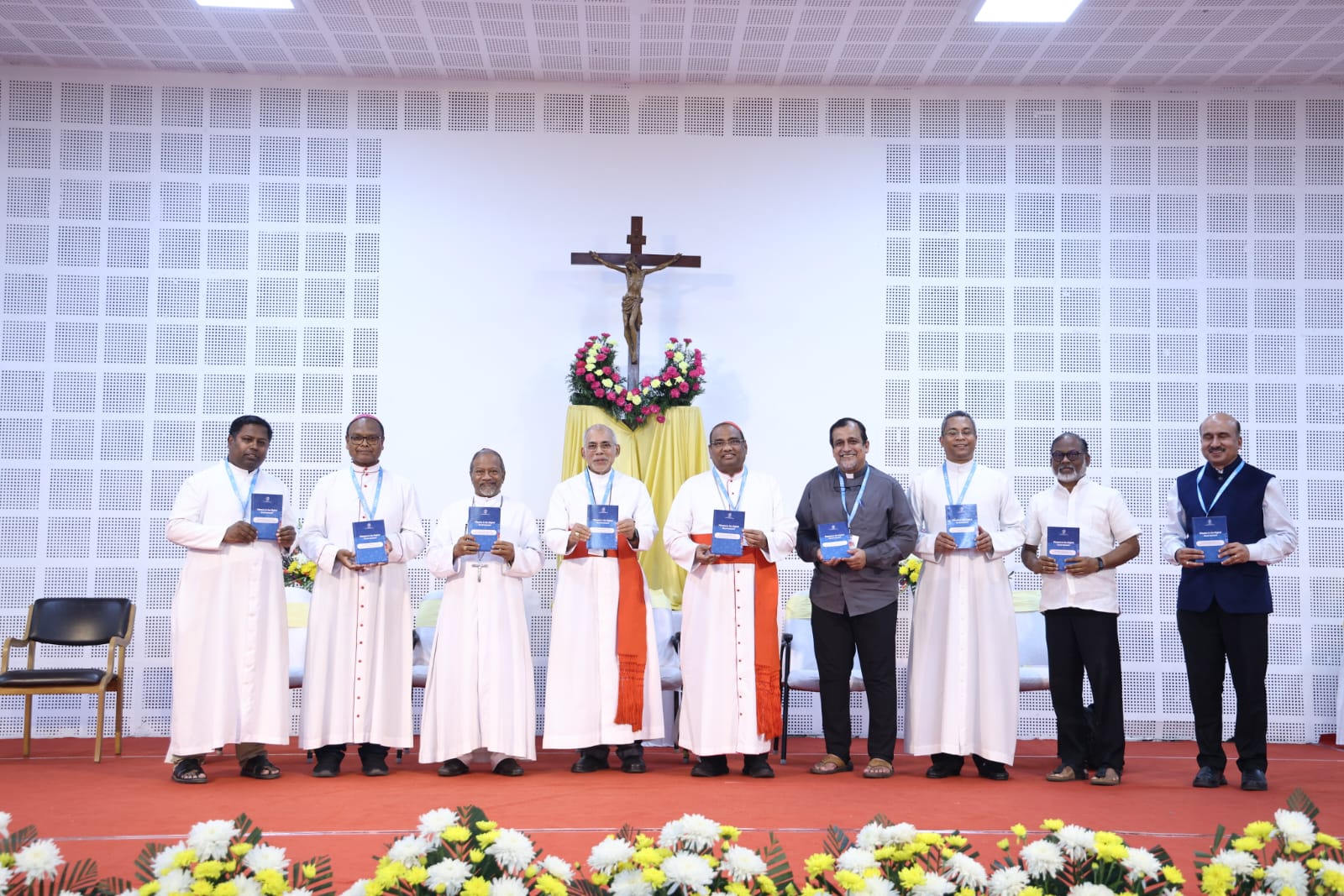
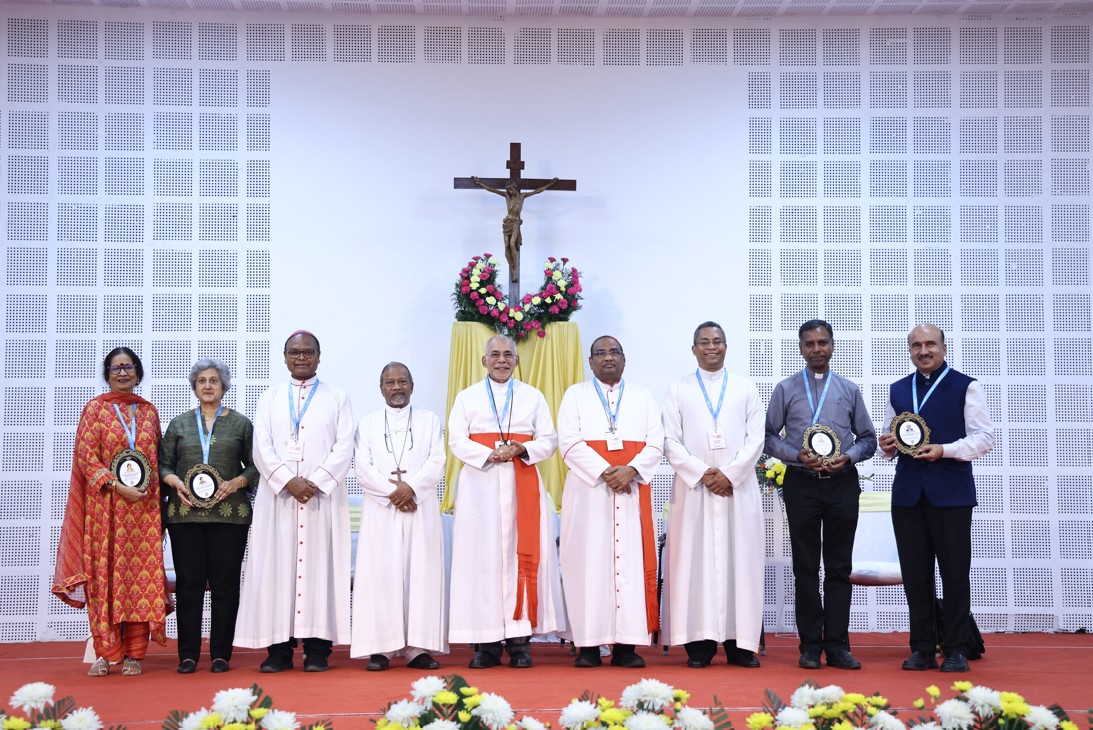
The third forum expanded the listening process to include bishops and special invitees such as resource persons, Communio volunteers, and choir members, totaling around 60 participants. Facilitated by Fr. Christopher Vimalraj, this session maintained the same reflective framework, ensuring continuity in the synodal process. Cardinal Filipe Neri Ferrão, President of the CCBI, concluded the session with words of encouragement, emphasizing that the Church’s future depends on a shared commitment to walk together as “synodal pilgrims of hope.”
Across all three forums, a common thread emerged: participants were not only invited to dream but also to commit personally to the transformation they envisioned. The exercise fostered openness and honesty, allowing individuals to voice aspirations for a more inclusive, participatory, and mission-oriented Church. Importantly, the brevity of each sharing—limited to under 15 seconds—ensured clarity and focus, while enabling a wide range of voices to be heard.
The process also demonstrated the willingness of Church leadership to listen attentively and document these aspirations as the assembly transitions into its next phase. These collected insights are expected to play a crucial role in shaping the direction of Phase 2 of the Synodal Assembly, scheduled for May 3 and 4.
Phase 2, themed “Investing in Key Shifts as Synodal Pilgrims of Hope,” will involve a more focused group of 71 participants, including CCBI Executive Committee members, secretaries, and RDS representatives. Their task will be to synthesize and develop actionable pathways based on the themes that emerged from the initial group discussions.
Four major thematic areas have been identified for deeper engagement: interreligious dialogue and peacebuilding, inclusion of the excluded, accompanying children and youth, and poverty alongside integral ecology. These themes reflect the Church’s commitment to addressing both spiritual and social realities in contemporary India.
The final outcome of Phase 2 is expected to include concrete proposals, including the reorganization of CCBI structures to better respond to present and future pastoral needs.
As the Synodal Assembly progresses, the open forums stand out as a powerful testament to the synodal spirit—listening, participation, and shared responsibility. By inviting every voice to contribute to a collective dream, the Church in India takes a significant step toward becoming a more responsive, inclusive, and mission-driven community grounded in hope.
By Catholic Connect Reporter
© 2026 CATHOLIC CONNECT POWERED BY ATCONLINE LLP