- 03 May, 2026
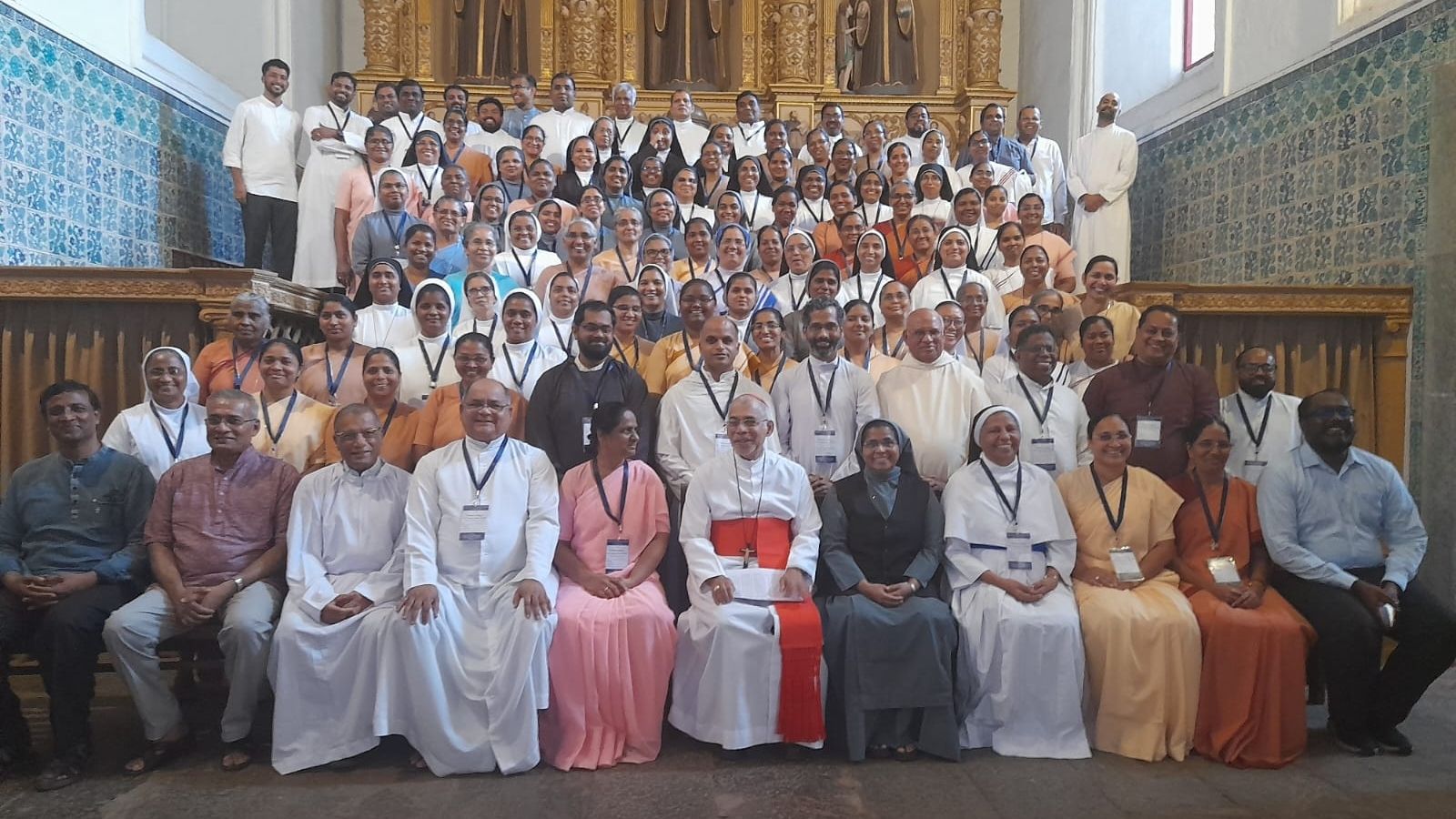
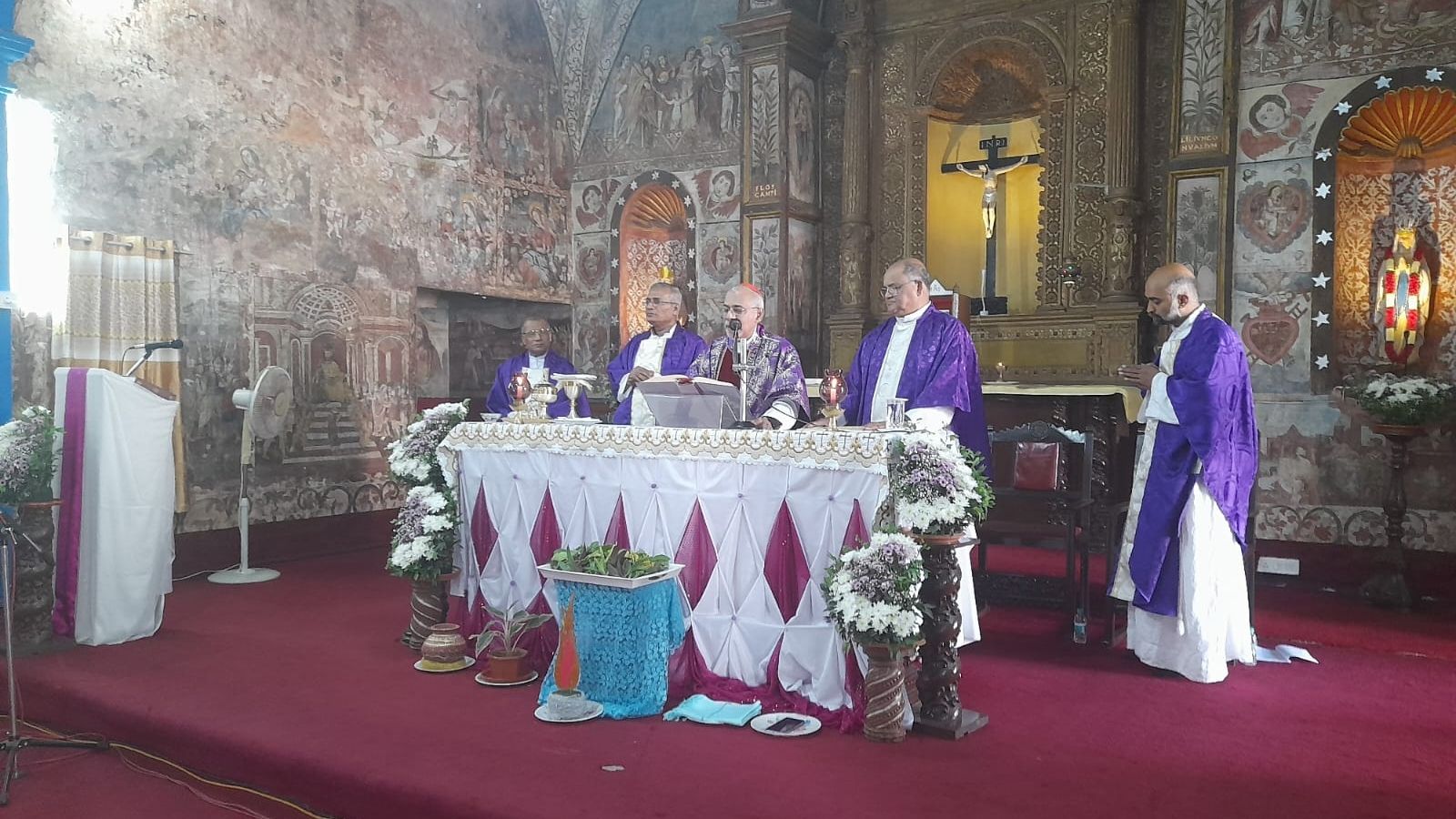
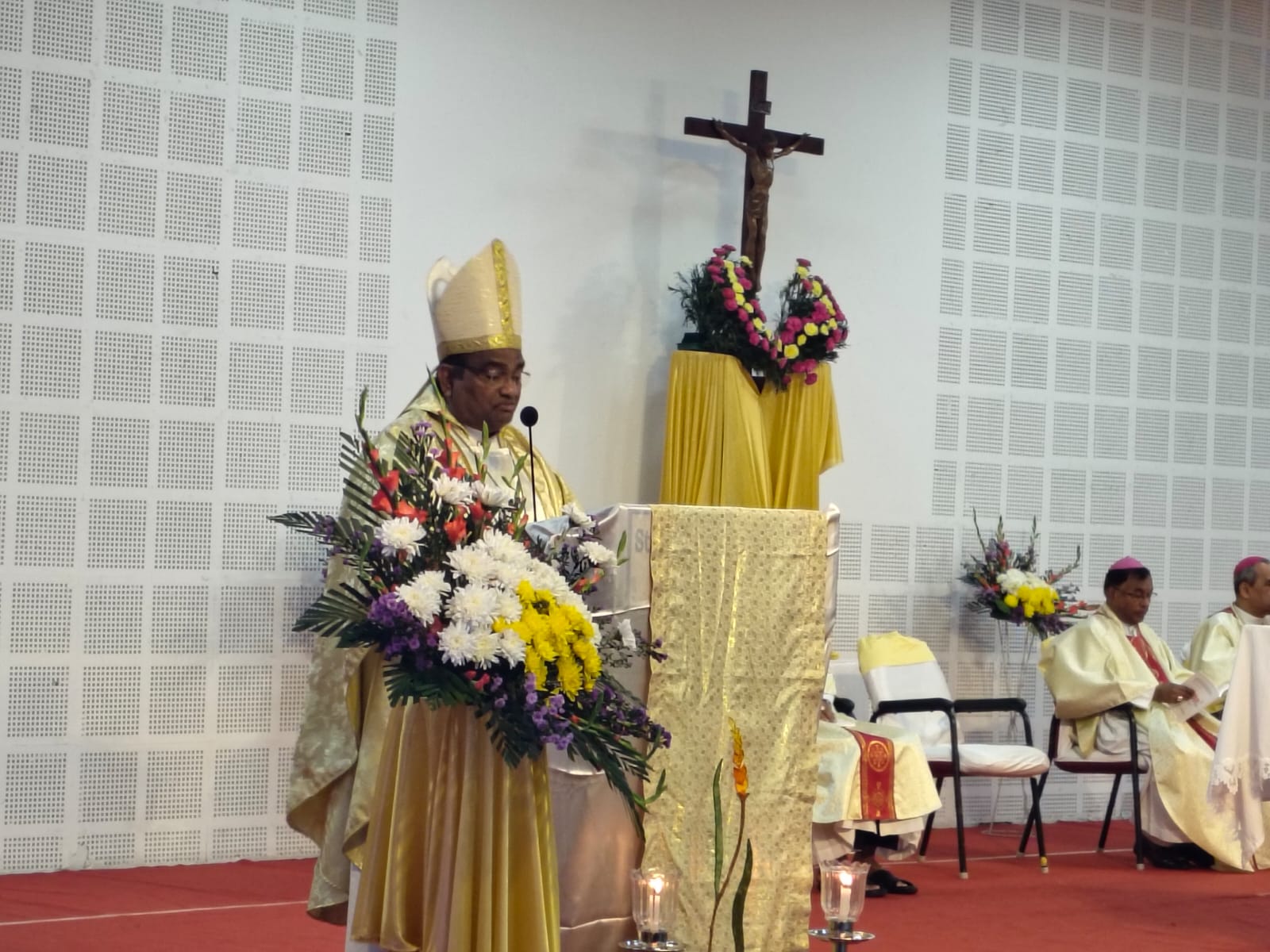
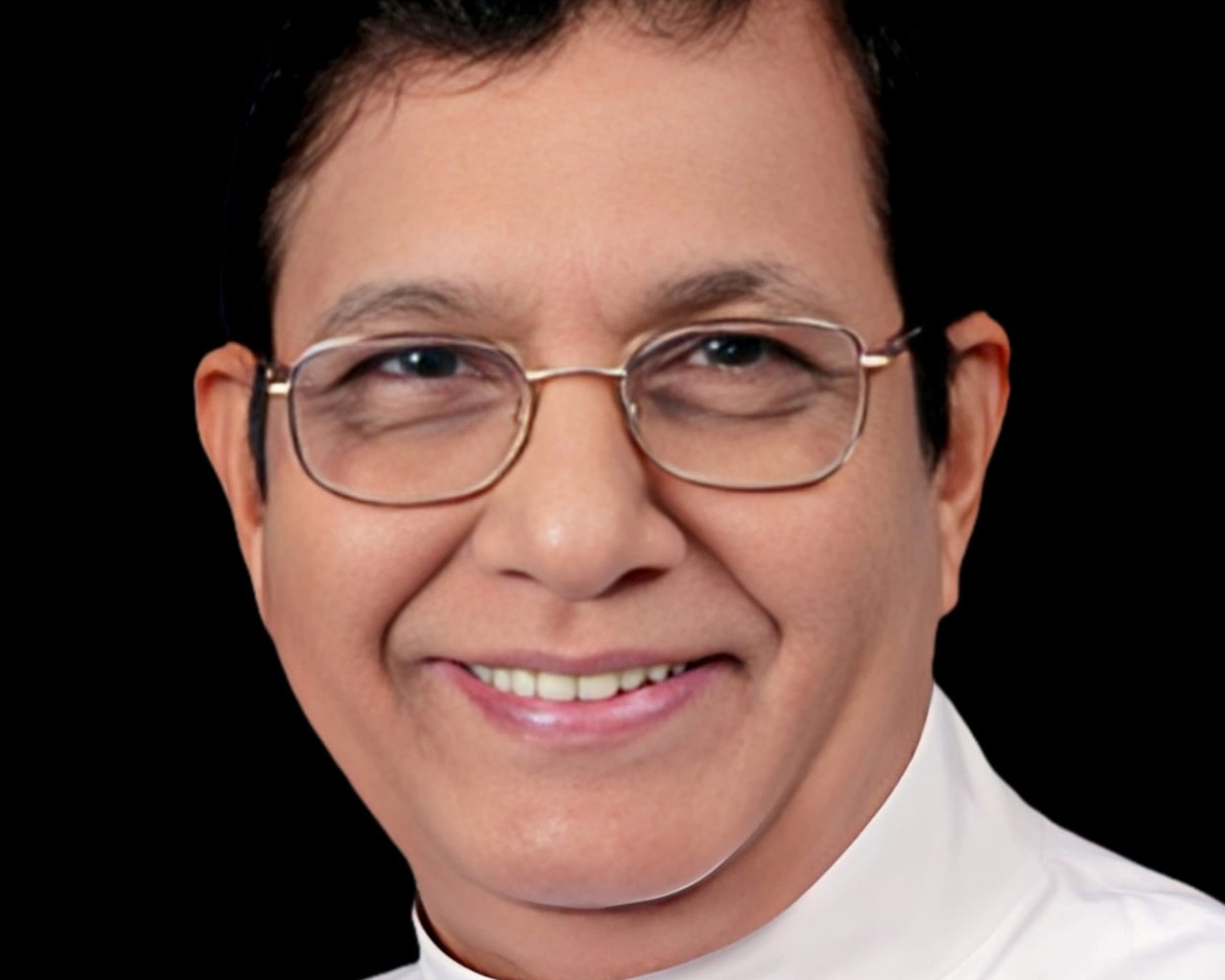
Goa, February 27, 2026 — Calling for a renewed vision of formation rooted in communion and integration, Cardinal Filipe Neri Ferrão on Friday urged Church leaders and formators to prepare future ministers capable of responding to the challenges of an increasingly fragmented world.
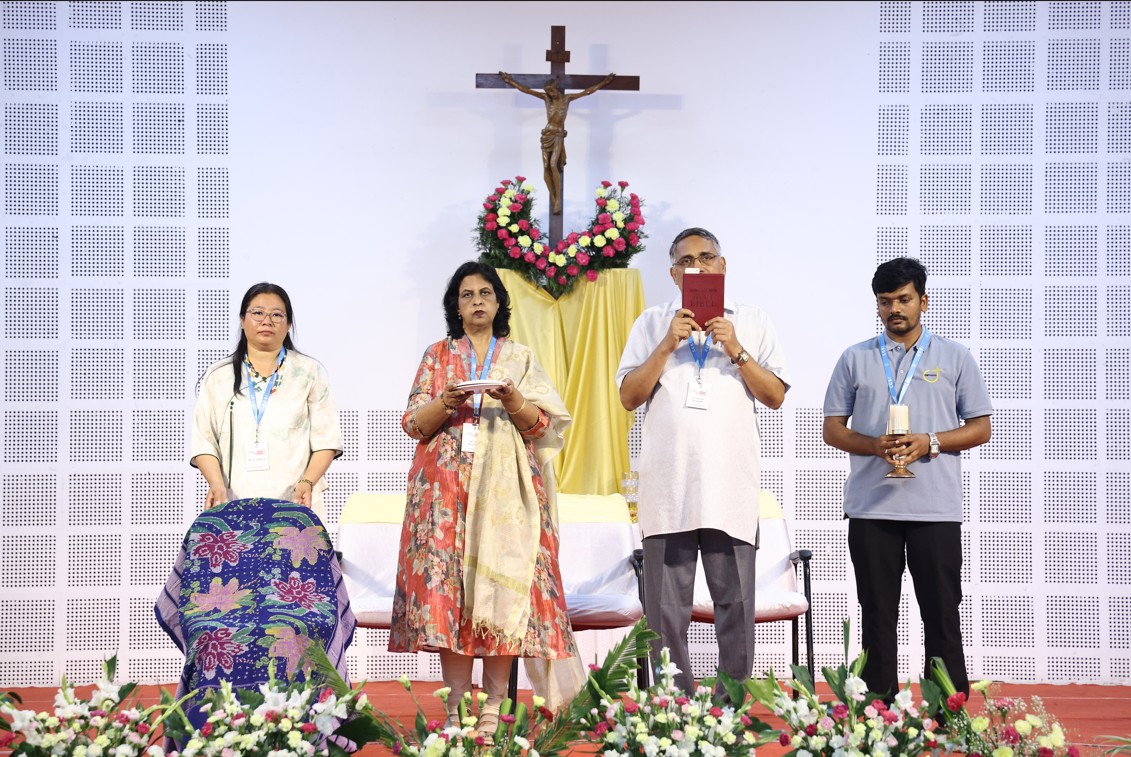
The Archbishop of Goa and Daman delivered the homily at the inaugural Eucharistic celebration of the National Seminar on Connectedness in a Fragmented World: A Path for Formation 2035, being held from February 27 to 28 at Institute Mater Dei. The programme is organised by the institute, a unit of the Conference of Religious Women India, in collaboration with the CCBI Commission for Vocations, Seminaries, Clergy, and Religious.
Reflecting on the prophetic image from the Book of Ezekiel of two divided sticks united into one, the Cardinal described unity as fundamentally God’s work. Formation, he said, is not merely a human endeavour but a cooperation with the divine action that gathers what is scattered and heals what is divided.


Drawing on St. Paul’s teaching of the Church as one body with many members, he emphasised that Christian unity does not eliminate diversity but fosters communion animated by the Spirit. Authentic connectedness, he noted, is participation in the very life of God and remains central to the Church’s mission.
Situating the theme within contemporary realities, the Cardinal observed that modern society, while highly connected technologically, is marked by loneliness, polarisation and mistrust. Candidates entering seminaries and houses of formation often carry the wounds of this fractured environment, including strained relationships, identity struggles and deep immersion in digital culture. Formation that fails to engage these realities, he cautioned, risks preparing ministers for a world that no longer exists.
He stressed the urgency of integral formation encompassing human, spiritual, intellectual and pastoral dimensions. Fragmentation, he explained, can occur even within individuals, when intellectual or pastoral development is not matched by emotional and spiritual maturity. Preparing ministers for the Church of 2035, he said, requires forming integrated persons whose humanity is reconciled and unified in Christ.
The Cardinal also highlighted the importance of a theology of communion, describing the Church as the Body of Christ rather than a voluntary association. A spirituality of interdependence, he noted, offers a counter-witness to the radical individualism prevalent in contemporary culture.
At the same time, he encouraged openness to insights from the human sciences, including psychology, sociology and communication studies, which contribute to holistic development and deeper intercultural understanding. A fragile human foundation, he observed, can weaken spiritual growth.
Addressing rectors, spiritual directors and formators, he described their mission as shaping not only individuals but also the Church’s capacity to respond to fragmentation with resilience rooted in Christ. He also underscored the need for intercultural competence, urging formation processes that move beyond tolerance towards genuine appreciation and fraternal collaboration.
Linking unity with mission, the Cardinal warned that division obscures the Gospel, while reconciliation makes Christ visible. Communities marked by dialogue, service-oriented leadership and healing of wounds, he said, become prophetic signs of hope in a fractured world.
Concluding his homily, he called for ongoing formation for formators themselves and invited participants to seek deeper inner unity, enabling the Church to remain steadfast in complex environments without losing her spiritual centre.
By Br. Malvino Alfonso, OCD
© 2026 CATHOLIC CONNECT POWERED BY ATCONLINE LLP