- 04 April, 2026

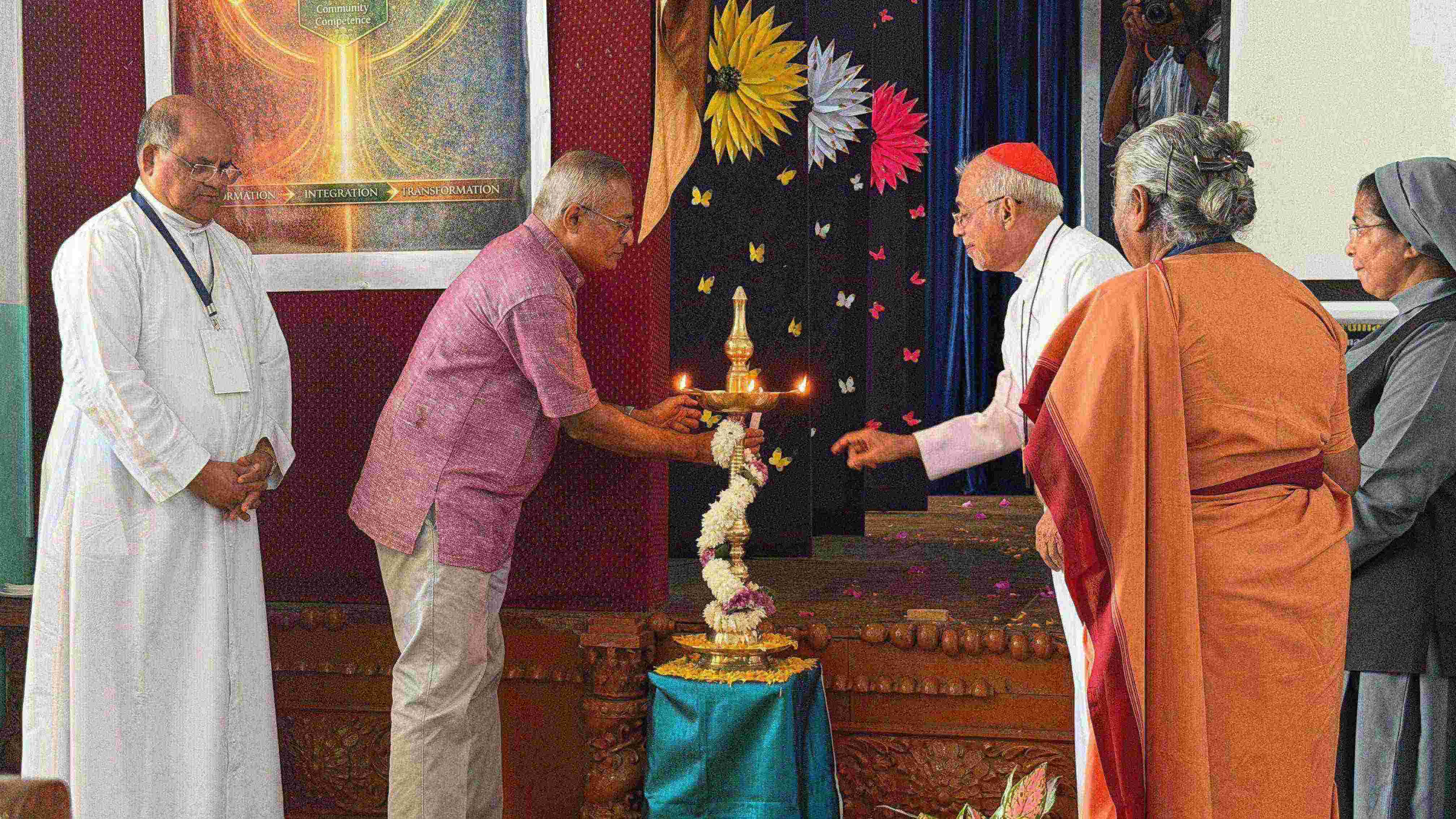
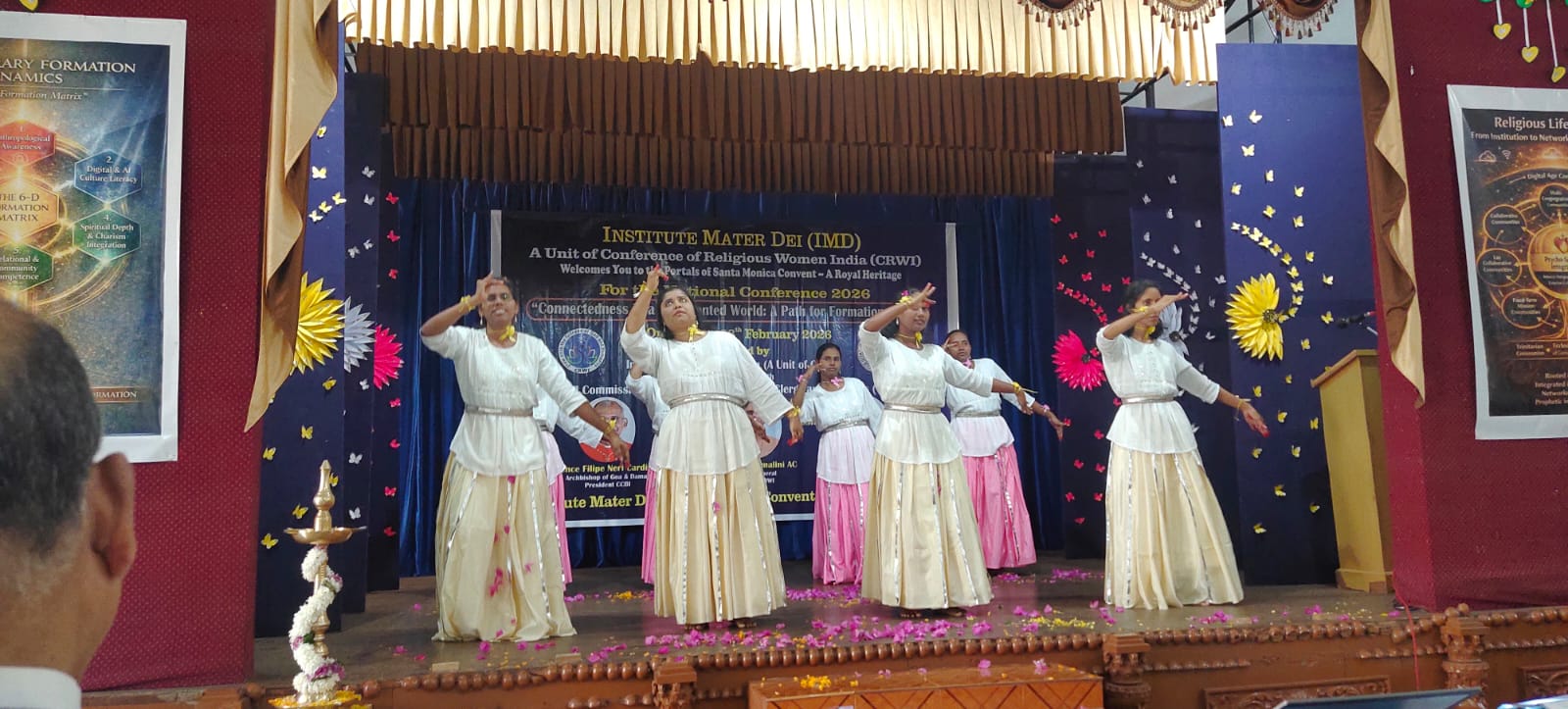
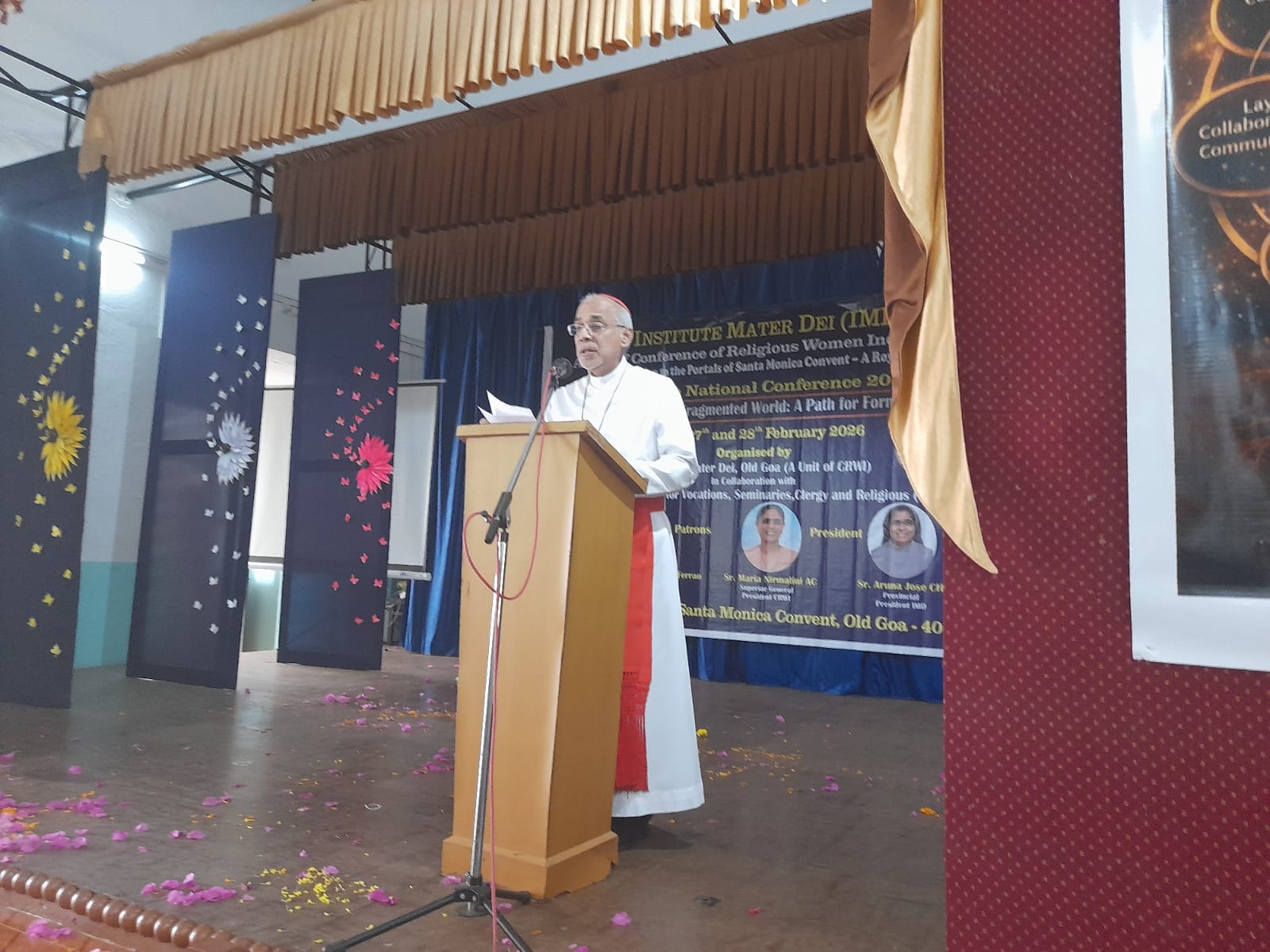
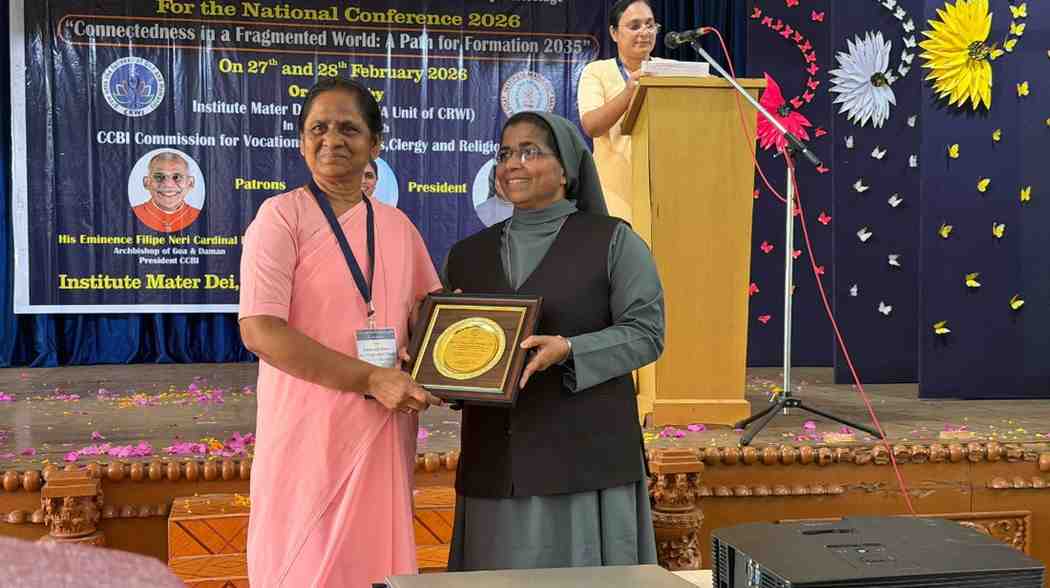
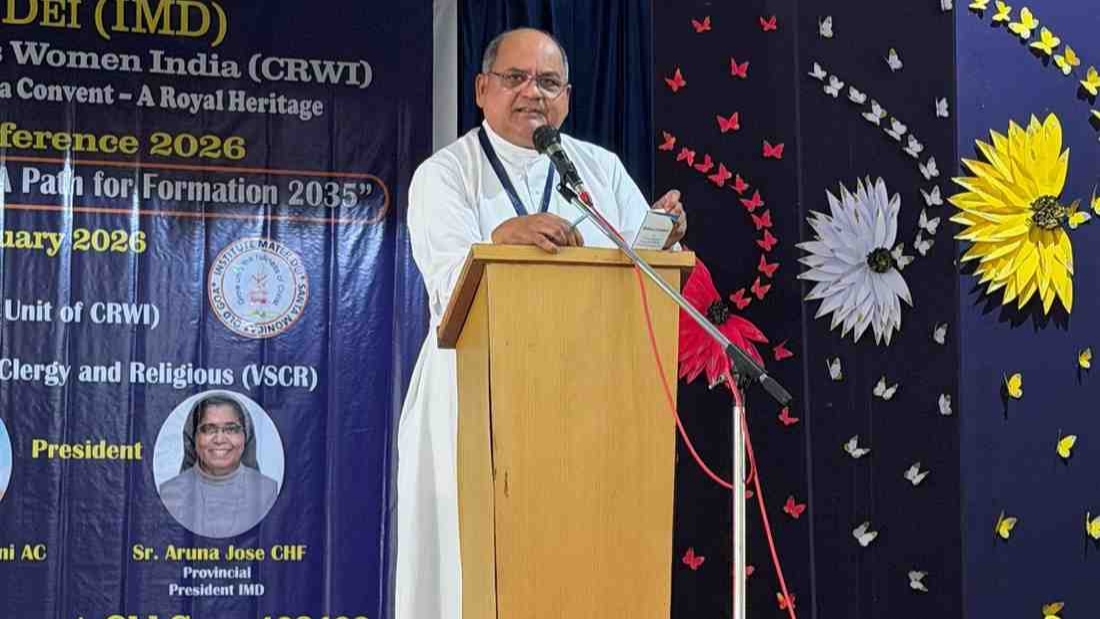
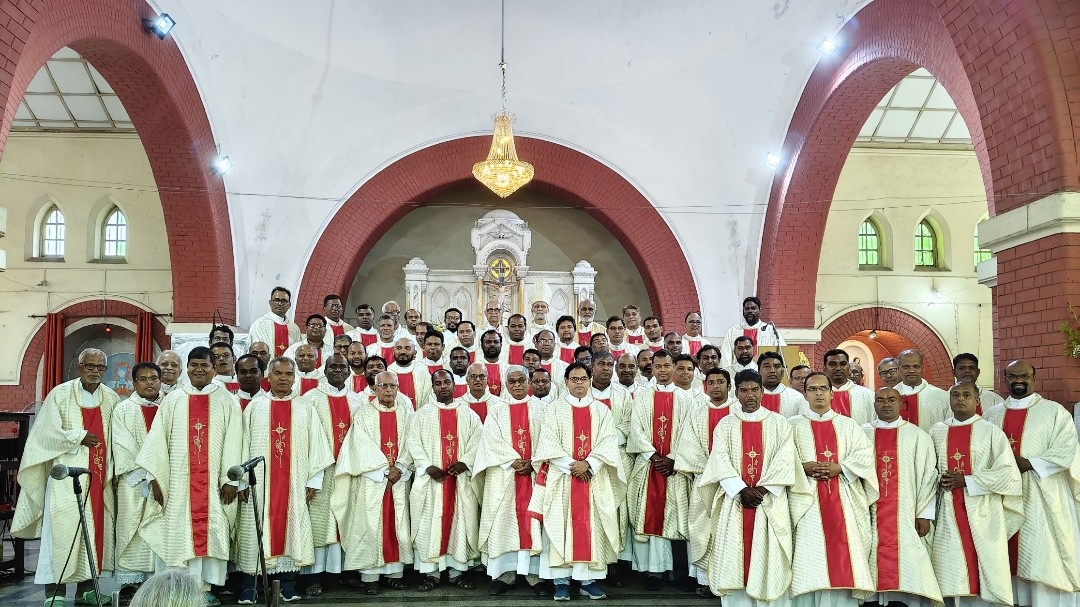
Old Goa, February 27, 2026: The National Seminar on Connectedness in a Fragmented World: A Path for Formation 2035 was formally inaugurated on Friday at the Institute Mater Dei, with Cardinal Filipe Neri Ferrão delivering a keynote address that framed contemporary priestly and religious formation as a mission to restore trust in an increasingly fragmented world.

Organised by the Institute Mater Dei in collaboration with the Conference of Catholic Bishops of India Commission for Vocations, Seminaries, Clergy, and Religious, the two-day gathering brought together formators, clergy, and religious to reflect on emerging challenges shaping formation toward 2035. The inauguration followed the celebration of Holy Mass and marked the formal opening of the national-level deliberations.
In his inaugural address, Cardinal Ferrão described the present global context as paradoxical — “hyper-connected externally, yet disconnected internally.” He noted that fragmentation today extends beyond social and political divisions, affecting interior life, relationships, spirituality, and ecclesial identity.


The Cardinal observed that many candidates for priesthood and religious life increasingly arrive with fragile identities, wounded family experiences, and diminished trust in institutions and even in God. He identified what he termed a “trust deficit” as a defining challenge for formation today.
“Formation must become a school of restored trust — trust in self, trust in community, trust in the Church, and ultimately in God,” he said, urging formators to prioritise inner healing and relational maturity alongside intellectual and pastoral training.
Looking toward the horizon of 2035, Cardinal Ferrão challenged participants to move beyond functional preparation to deeper human formation. He asked whether the Church is forming “resilient persons or fragile functions,” warning against reducing ministry to managerial efficiency rather than fostering shepherds capable of building communion.
Emphasising a synodal approach, he called for formation processes grounded in listening, accompaniment, and discernment. Addressing the digital era, he advocated “digital discernment over digital denial,” encouraging formators to help candidates engage technology responsibly while nurturing authentic human encounter.
The Cardinal also underscored ecological responsibility and community belonging as essential dimensions of resilience. “People endure not because they are strong alone, but because they are held together in community,” he said, presenting communion as both spiritual foundation and pastoral mission.
Concluding his address, he urged formation communities to embrace “agility over rigidity, discernment over fear, and accompaniment over control,” expressing hope that the seminar would renew commitment to forming leaders capable of rebuilding trust and witnessing hope in a divided world.
Sr Aruna Jose CHF, Vice President of CRWI and President of the Institute Mater Dei, in her presidential address described the gathering as a sign of hope for the future of vocations and formation. She noted that despite unprecedented global connectivity, many people experience loneliness and interior division, a reality that increasingly shapes formation contexts.
She emphasised that future consecrated persons must be emotionally mature, spiritually rooted, socially responsive, and digitally literate. True formation, she said, must be integrative and relational, grounded in a synodal spirit of walking together and discerning in communion.
Earlier, Sr Margaret Julie Thumma SSAM welcomed participants, while Fr Charles Leon explained the objectives and structure of the seminar. Sr Gracy Lilly FS delivered the vote of thanks, and Sr Amruta Bansode SCC and Sr Rita Beck SCJM anchored the inaugural ceremony.
By Br. Malvino Alfonso OCD
© 2026 CATHOLIC CONNECT POWERED BY ATCONLINE LLP