- 09 November, 2026
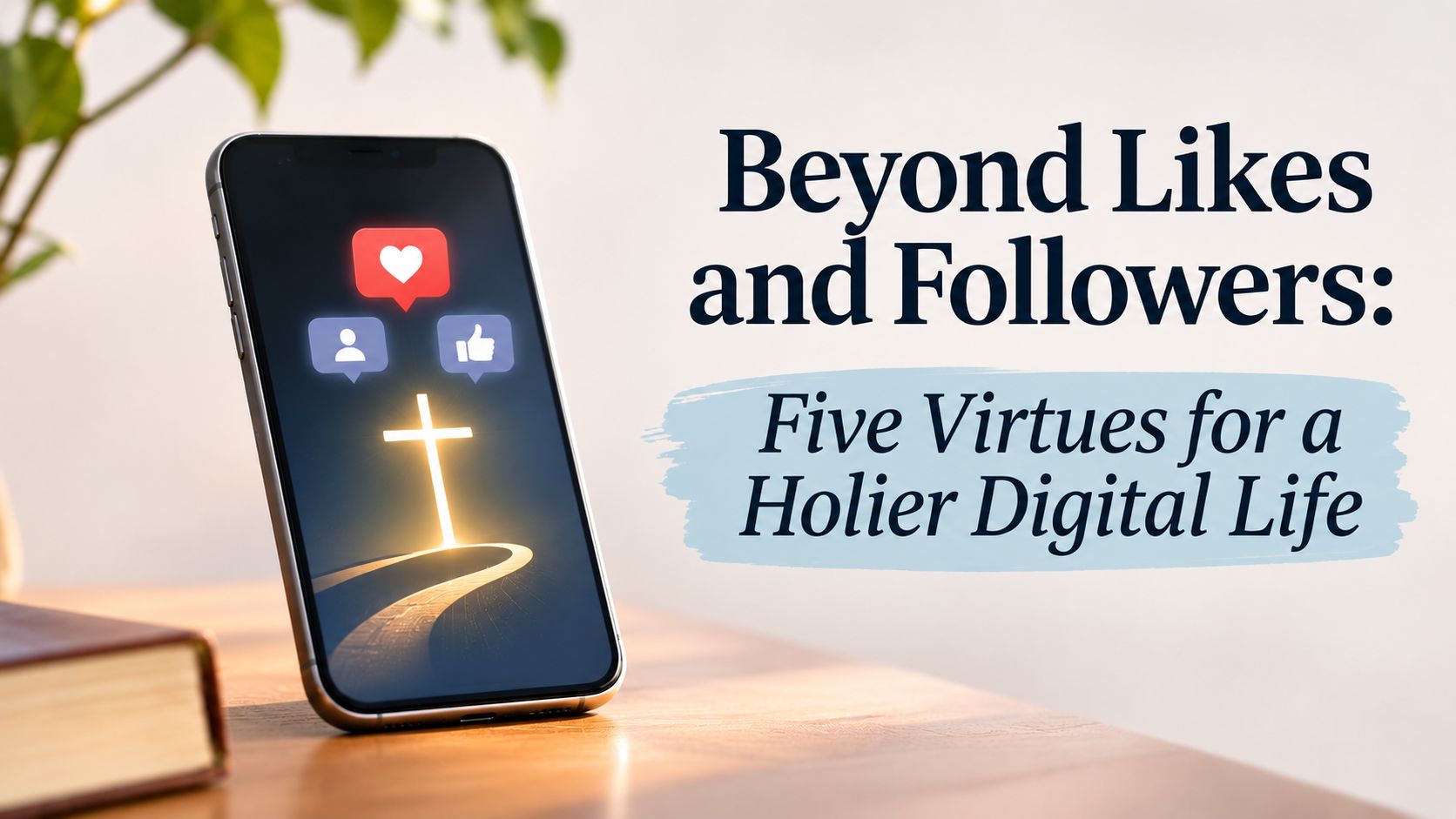
Nov 9, 2026: Can someone become a saint while spending time online, using social media and navigating the digital world? The life of St Carlo Acutis offers a refreshing perspective on this question. Known for his love for the Eucharist and his use of technology to spread the faith, Carlo showed that holiness is not about escaping the world you live in, but about allowing Christ to shape the way you live in it.


He did not see technology as an enemy of faith. Instead, he used his computer skills to create a website documenting Eucharistic miracles and to share his love for the Church. His example reminds you that the digital world, like every other part of your life, can become a space for doing good.
But what does this mean for an ordinary social media user? How can your everyday scrolling, posting, commenting and sharing become opportunities to grow in holiness? Here are five Christian virtues you can practise in the digital space.
1. Charity: Does Your Content Build Others Up?
Every post, comment and message is an opportunity to practise love. Before sharing something, ask yourself: Does this encourage someone? Does it spread kindness and hope, or does it promote negativity, ridicule and division?
It is easy to forget that there is a real person behind every profile. A harsh comment, public humiliation or insensitive joke can hurt just as much online as it does in person. Charity calls you to use your words to uplift rather than tear down, even when you disagree.
2. Humility: Are You Sharing to Serve or to Be Admired?
Social media makes it easy to become your own promoter. You share your achievements, opinions and experiences, often looking for approval through likes, comments and followers. Do you constantly check your follower count, worry about declining engagement or feel disappointed when a post does not get enough attention? Even when discussing faith, you can fall into the temptation of becoming a self-proclaimed teacher, moral authority or influencer, always eager to tell others how to live.
Humility invites you to examine your intentions. Are you sharing to help others or simply to be noticed? Your worth is not measured by your follower count or the number of likes you receive. Sometimes, choosing to listen rather than respond is itself an act of humility.
3. Prudence: Do You Think Before You Post?
Not everything you see online is true, and not everything deserves to be shared. A sensational headline, an unverified claim or an emotional post can tempt you to react immediately.
Prudence encourages you to pause before posting, commenting or forwarding information. Have you checked whether it is true? Could it mislead someone or damage another person's reputation? Is your response necessary and constructive?
A moment of reflection before hitting the share button can prevent considerable harm. Being a responsible digital citizen is also part of living your Christian values.
4. Temperance: Are You in Control of Your Screens?
How often do you pick up your phone for a quick check, only to find yourself scrolling for another hour? Do notifications interrupt your conversations? Does your screen time take away from prayer, family, friendships and responsibilities?
Temperance calls you to practise self-control and moderation. Technology is meant to serve you, not control you. Setting aside time away from your screens, resisting the urge to check every notification and making room for silence can help you regain balance.
Perhaps one simple practice is to put your phone away during prayer, meals and meaningful conversations. After all, being present to the people around you is also an expression of love.
5. Truthfulness: Does Your Online Identity Reflect the Truth?
Social media allows you to present carefully selected versions of your life. You share your happiest moments, best photographs and greatest achievements, sometimes creating an image that has little connection with your everyday reality.
Truthfulness invites you to examine whether your online identity reflects who you really are. Are you authentic in what you share? Do you promote something you do not actually practise? Do your online words match the way you treat people offline?
Christian integrity calls you to be the same person behind the screen as you are in front of others. Your faith should not be a carefully curated online image, but a way of life.
Becoming a Saint, One Click at a Time
St Carlo Acutis reminds you that holiness is not reserved for another time, another place or another generation. It is a calling that belongs to your everyday life. You may not create websites about Eucharistic miracles or have extraordinary technological skills, but you can choose to use the digital spaces you occupy with greater love, humility and responsibility.
Perhaps the next time you open a social media app, pause and ask yourself: Will what I am about to post, share, watch or comment bring me and someone else closer to Christ?
The path to sainthood does not stop when you enter the digital world. It continues there, too – in your choices, your words and even in the things you choose not to post.
By Catholic Connect Reporter




© 2026 CATHOLIC CONNECT POWERED BY ATCONLINE LLP