- 19 August, 2026
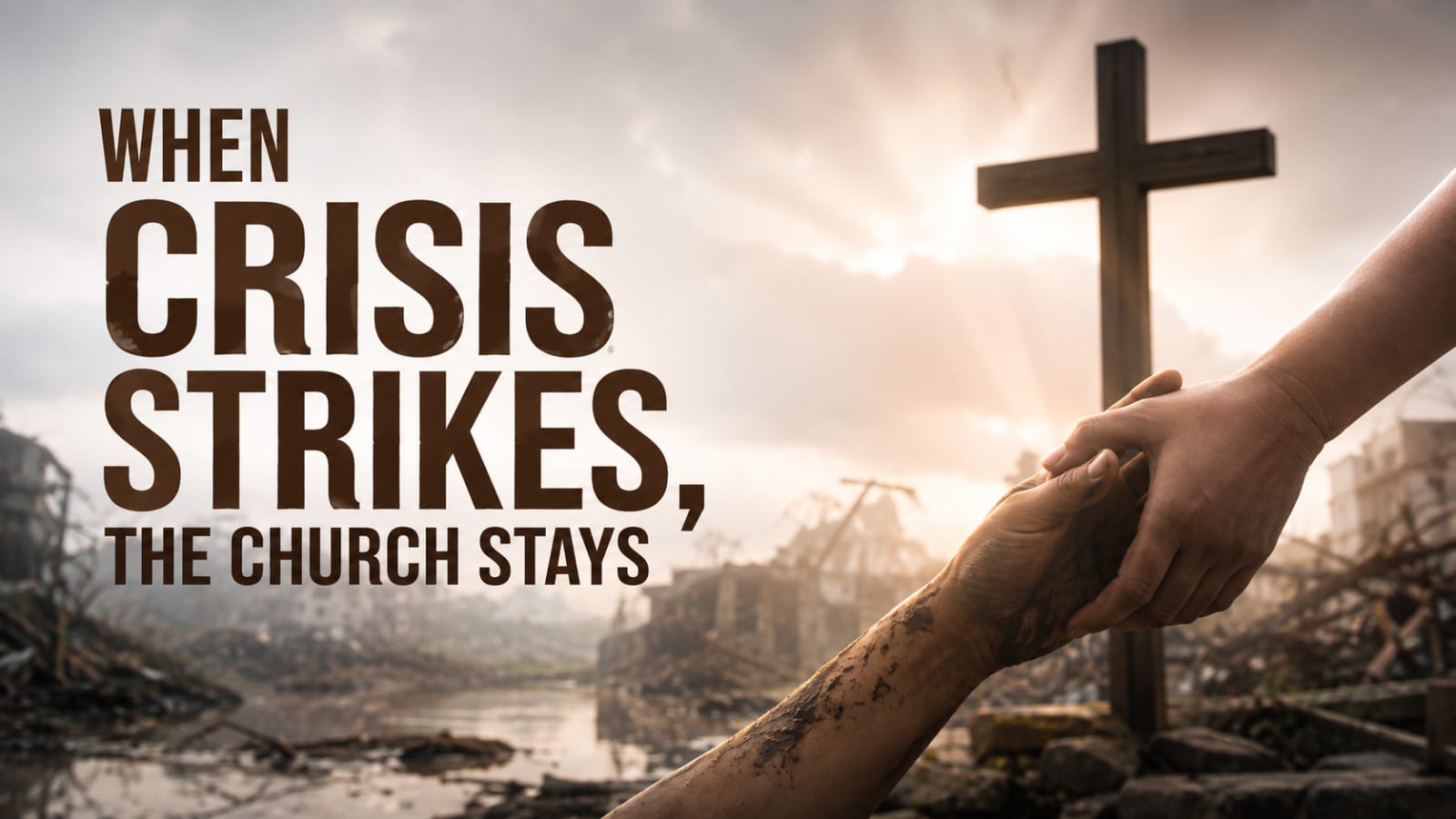
August 19, 2026: A disaster does not wait for the world to be ready. When homes disappear under floodwaters, families flee violence or hunger reaches a neighbourhood, the first question is often simple: Who will come? Across many crisis-hit communities, the answer has included priests, religious sisters, missionaries, volunteers and Catholic humanitarian organisations who choose to stay close to people in distress.


As the world observes World Humanitarian Day on August 19, the Church’s humanitarian mission offers a reminder that compassion is not merely an idea. It becomes real when someone carries food to a displaced family, opens a parish hall as a shelter, treats the sick or simply refuses to abandon those who are suffering.
A Church that responds where people are
The Catholic humanitarian response operates through a wide network of organisations, dioceses, religious congregations and volunteers. Caritas Internationalis, the Church’s global humanitarian network, responds to emergencies caused by conflict, natural disasters and climate-related crises, providing assistance without distinction. Its work includes emergency relief, livelihood recovery and rebuilding communities.


In India, Caritas India combines emergency assistance with long-term disaster preparedness. Its programmes include food, water, sanitation, shelter and support for vulnerable communities, while also helping local communities prepare for future disasters. Its 2024–25 annual report records humanitarian and disaster-risk-reduction work reaching more than 100,000 people across six states.
Missionaries who remain when others leave
Humanitarian service is also carried out by people who live among affected communities. In conflict zones, missionaries and local Church workers can become trusted points of contact when public services are disrupted.
In Haiti, despite renewed violence and displacement in 2026, Church communities have continued pastoral and humanitarian activities, offering shelter and assistance to vulnerable families. In Cameroon, Catholic organisations continue serving displaced people and refugees, sometimes through Church schools and health facilities that remain among the few functioning institutions in affected areas.
More than relief: restoring dignity
The Church’s response does not end with distributing food or emergency supplies. Humanitarian action is also about restoring dignity, rebuilding livelihoods and helping communities regain the ability to face the future.
This is visible in the work of Catholic Relief Services, which provides emergency food, water, shelter and livelihood support in crises worldwide. In 2026, CRS received more than $240 million in funding for lifesaving humanitarian assistance, including emergency food, clean water, nutrition and shelter.
World Humanitarian Day commemorates aid workers who lost their lives while serving others. The United Nations established the observance after the 2003 bombing of the Canal Hotel in Baghdad, where 22 humanitarian workers were killed.
For the Church, the day is therefore more than an annual observance. It is an invitation to see Christ in people whose lives have been shattered by war, poverty or disaster — and to respond with faith that becomes service, compassion that becomes action, and solidarity that refuses to leave anyone behind.
By Catholic Connect Reporter

© 2026 CATHOLIC CONNECT POWERED BY ATCONLINE LLP