- 16 June, 2026
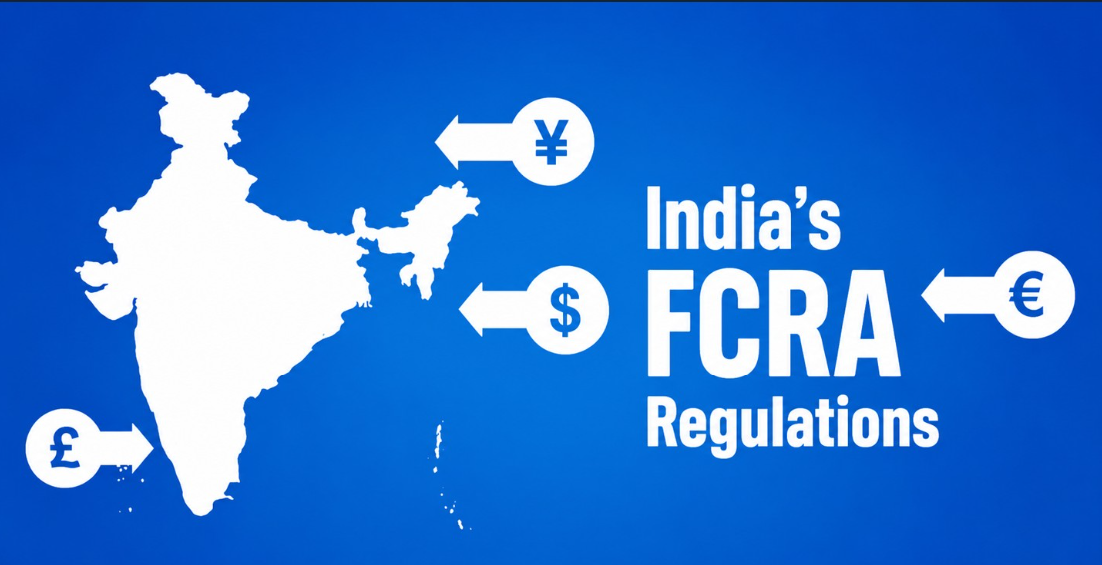
USA, June 15, 2026: Proposed changes to India’s Foreign Contribution Regulation Act (FCRA) have triggered growing debate both within India and internationally, with lawmakers in the United States expressing concerns about their possible impact on civil society organisations, including humanitarian and religious groups.


Growing International Attention Over India’s Foreign Funding Regulations
Members of both the Democratic and Republican parties in the US Congress have questioned whether expanded government powers under the amendments could restrict legitimate organisations that depend on foreign contributions for their operations. Concerns have particularly focused on provisions related to the suspension of funding access, cancellation of registrations and possible government control over assets belonging to organisations that lose their FCRA approval.
The issue has drawn attention on Capitol Hill as lawmakers assess how regulatory changes could affect the broader relationship between India and the United States, especially regarding democracy, religious freedom and civil society cooperation.


Bipartisan Voices From Capitol Hill Express Concern
The criticism of the proposed FCRA amendments has emerged across party lines, with representatives from both major political parties expressing concerns about transparency and the potential consequences for non-governmental organisations.
Senator James Risch, Chairman of the influential Senate Foreign Relations Committee, described the proposed changes as “deeply concerning”, warning that restrictions on foreign funding could create difficulties for legitimate civil society organisations.
In response to concerns about possible effects on religious organisations, Senator Risch stated that any attempt to use FCRA regulations to expand “persecution or harassment” of US-linked Christian ministries through financial restrictions or asset seizures would be a serious concern.
He also highlighted the importance of religious freedom as part of US foreign policy, stating that the United States would continue to address concerns involving internationally recognised human rights.
Democratic lawmakers have also raised questions regarding the possible expansion of government authority under the proposed amendments. A Democratic congressional aide told reports that Congress has previously expressed concerns about the impact of FCRA regulations on civil society organisations.
The aide noted that granting authorities broad powers to seize assets after cancellation of FCRA licences could raise significant questions about democratic principles and the role of independent organisations.
Understanding the Proposed FCRA Amendments
The Foreign Contribution Regulation Act governs how Indian organisations receive and use foreign funding. The law was introduced to regulate overseas contributions and ensure that foreign funds are used according to approved purposes.
The proposed amendments seek to introduce stricter procedures regarding foreign contributions and assets created through such funding.
Under the proposed framework, if an organisation’s FCRA registration is cancelled or not renewed, foreign contributions and related assets could be placed under the control of a government-designated authority.
The authority would have powers to manage these assets temporarily. If the organisation fails to secure fresh registration within the specified period, the assets could permanently remain under government control and potentially be transferred for public purposes.
Supporters of the amendments argue that stronger oversight is necessary to prevent misuse of foreign funding. However, critics believe the expanded powers could create uncertainty for legitimate organisations working in areas such as education, healthcare, humanitarian assistance and community development.
Concerns From Religious and Minority Organisations
Religious organisations, particularly Christian and Muslim groups, have expressed concerns about the proposed changes.
The Catholic Bishops’ Conference of India (CBCI) has warned that the amendments could create excessive interference in the functioning of minority institutions and religious organisations involved in social services.
The CBCI described the proposed measures as “dangerous” and “alarming”, arguing that strict regulations should not restrict organisations that operate legally and contribute to society.
Several US-based Christian organisations have also raised the issue, urging American lawmakers to examine the possible impact on religious communities and charitable institutions in India.
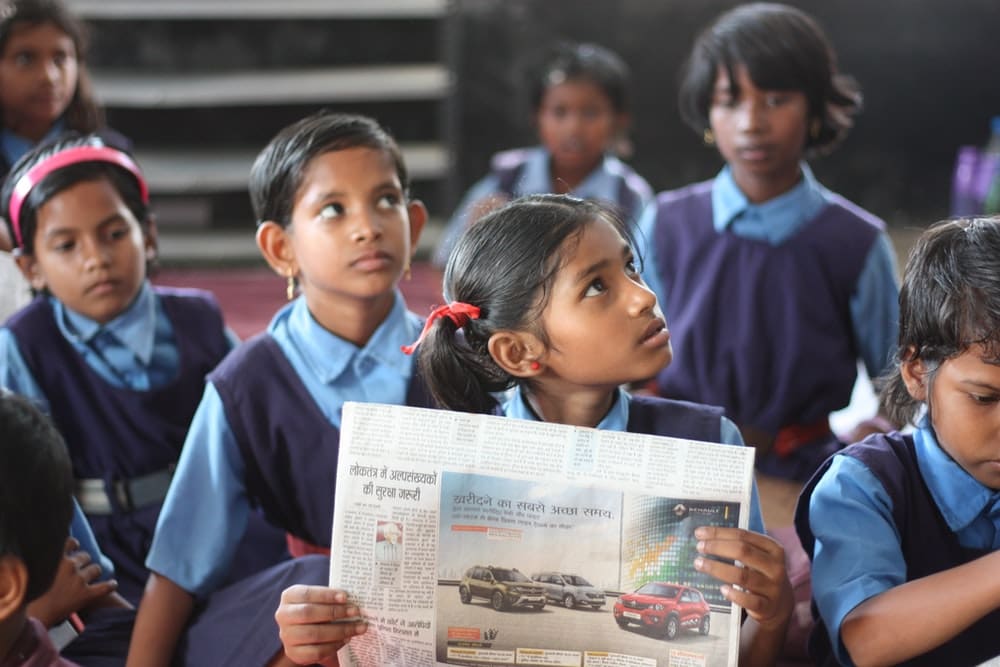
These groups argue that many organisations rely on foreign contributions to operate schools, hospitals, relief programmes and community initiatives, particularly in areas where government resources may be limited.
US-India Relations and The Role of Civil Society
The debate over FCRA amendments comes at a sensitive time for India-US relations, with both nations seeking to strengthen cooperation in areas including defence, technology, trade and regional security.
However, lawmakers in Washington have stressed that democratic values and civil society remain important foundations of the partnership.
Congressman Chris Smith, in an opinion article before US Secretary of State Marco Rubio’s visit to India, urged discussions on the issue and expressed concerns about potential consequences for Christian communities.
Smith argued that strong international partnerships require respect for cultural differences while also protecting fundamental freedoms.
Indian officials, meanwhile, have maintained that the proposed changes are intended only to regulate illegal or improper use of foreign funds and will not affect lawful organisations operating within the country.
Balancing Regulation With Democratic Freedoms
The debate surrounding India’s proposed FCRA amendments highlights the challenge of balancing national oversight with the need to protect independent civil society organisations.
Governments have the responsibility to ensure financial transparency and prevent misuse of foreign contributions. At the same time, civil society groups play an important role in education, healthcare, humanitarian assistance and community development.
As discussions continue in India and abroad, observers will closely watch how the final regulations are shaped and implemented.
Maintaining trust, transparency and dialogue between governments, civil society organisations and international partners will be essential to ensuring that regulations strengthen accountability without limiting the valuable contributions of legitimate organisations serving communities across India.
Courtesy : Hindustan Times
© 2026 CATHOLIC CONNECT POWERED BY ATCONLINE LLP