- 20 October, 2026

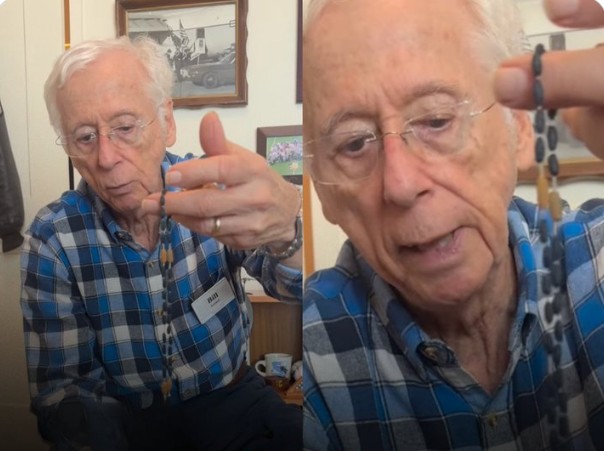
Florida, May 14, 2026: In the brutal confines of the infamous “Hanoi Hilton” prison during the Vietnam War, where American prisoners of war endured torture, isolation, and unimaginable suffering, one small object became a powerful source of hope: a rosary made entirely from bread.


The remarkable story resurfaced recently through a video shared by Andrew Biggio on Instagram, featuring Bill, a former prisoner of war who spent time inside the notorious prison camp.
Holding onto memories from decades ago, Bill described the extraordinary rosary beads he received from a fellow inmate — a Catholic prisoner whose quiet acts of faith became lifelines for many behind prison walls.
According to Bill, each prisoner received a small piece of bread every morning. While most inmates desperately needed every crumb for survival, one older Catholic prisoner chose to sacrifice part of his ration for something greater.
“He made rosaries,” Bill explained.
Using the daily bread ration, the prisoner carefully molded tiny beads by hand. Threads pulled from prison blankets became the string, while stolen pen ink was used to darken and colour the beads.
In a place where even the smallest religious practice could invite harsh punishment, the act was incredibly dangerous.
Yet the prisoner continued.
Whenever new Catholic POWs arrived, he would secretly approach their cells and toss the handmade rosaries through tiny prison windows, risking severe consequences if discovered.
(CLICK HERE to follow Catholic Connect and to stay connected with the Church)
Bill recalled receiving one of these bread rosaries during his imprisonment. Despite the terrible conditions inside the prison, he managed to keep it hidden until his release.
“During the first release of prisoners—the sick and wounded—they didn’t check us very carefully,” he said. “So we were able to sneak a lot of items out.”
Among those hidden treasures was the fragile rosary made from bread — a silent witness to faith under persecution.
For many prisoners, these rosaries were far more than devotional objects. In an environment marked by fear, loneliness, and suffering, they became reminders that God had not abandoned them.
The Hanoi Hilton, officially known as Hoa Lo Prison, became infamous during the Vietnam War for its harsh treatment of American prisoners. Many POWs later testified that faith, prayer, and fraternity were essential to their survival.
The handmade bread rosaries symbolized resilience in the face of despair.
They represented courage without weapons, worship without churches, and hope hidden behind prison walls.
In many ways, the unnamed Catholic prisoner who crafted these rosaries embodied the quiet heroism of faith — offering spiritual comfort to fellow inmates while risking punishment himself.
Stories like Bill’s continue to resonate because they reveal something deeply human and deeply Christian: even in places of darkness, faith finds a way to survive.
The bread rosary stands as a testimony not only to Catholic devotion but also to the enduring strength of the human spirit.
At a time when many around the world still suffer persecution, imprisonment, and hardship for their beliefs, this story reminds us that small acts of courage can become profound signs of hope.
Inside one of the darkest prisons of the Vietnam War, a simple rosary made from bread became a sacred reminder that faith cannot be imprisoned.
And decades later, its story still speaks.
Courtesy
Video published by Andrew Biggio
© 2026 CATHOLIC CONNECT POWERED BY ATCONLINE LLP