- 02 May, 2026

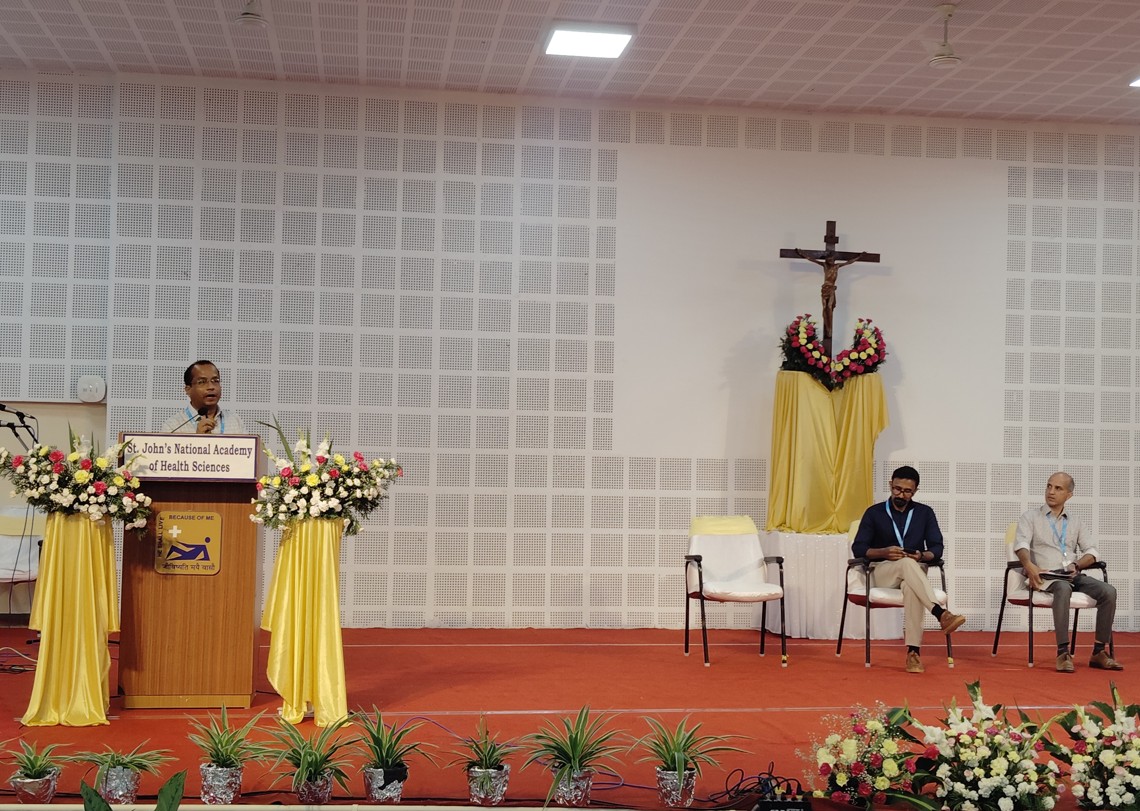
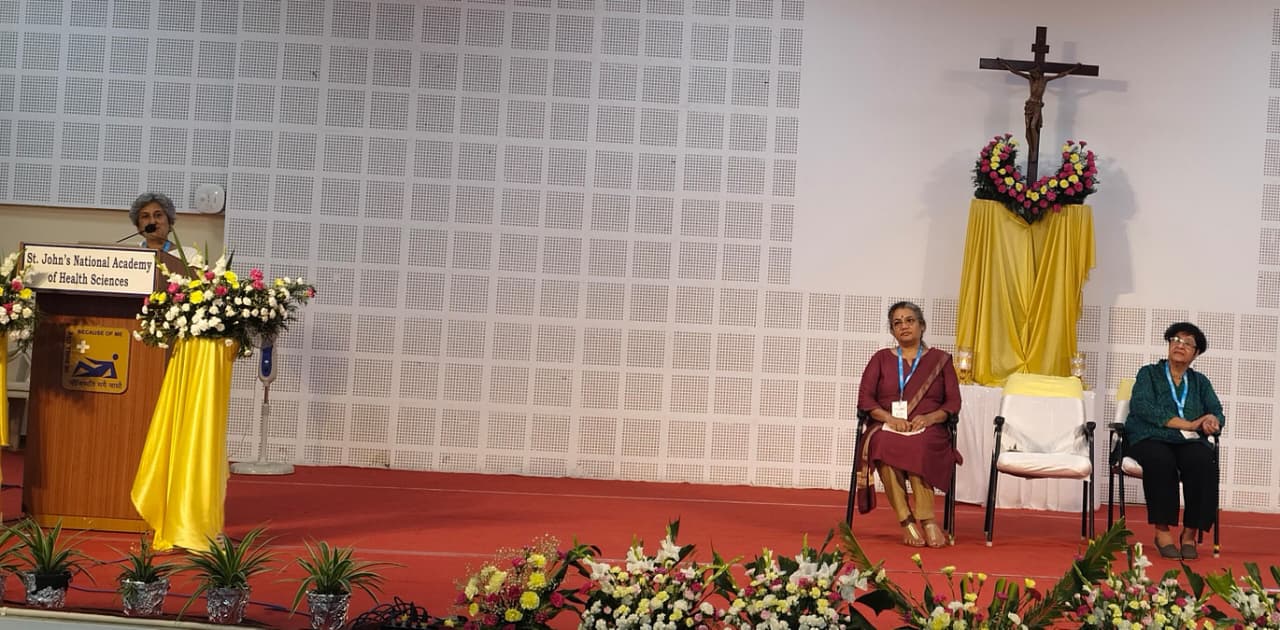
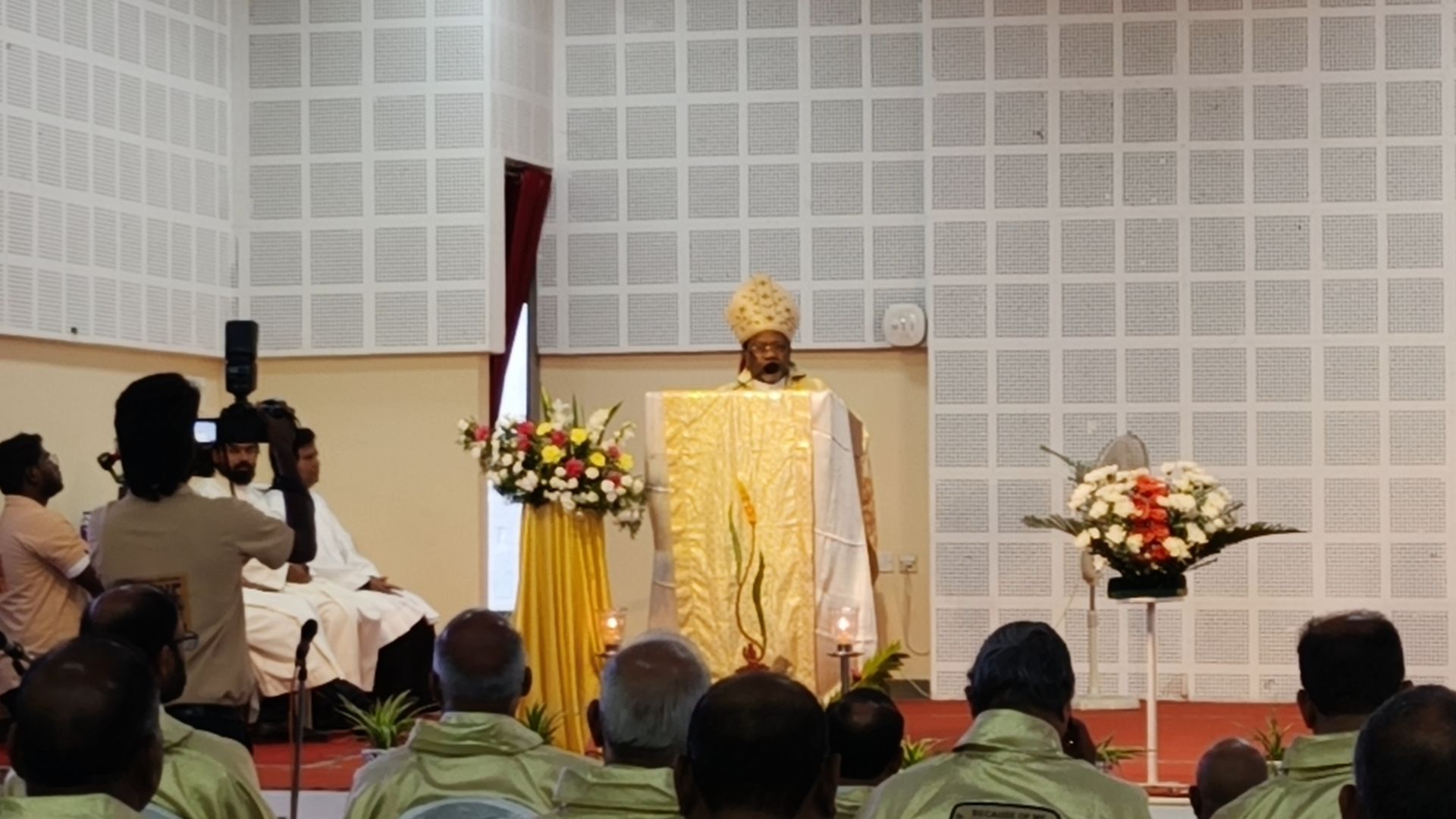
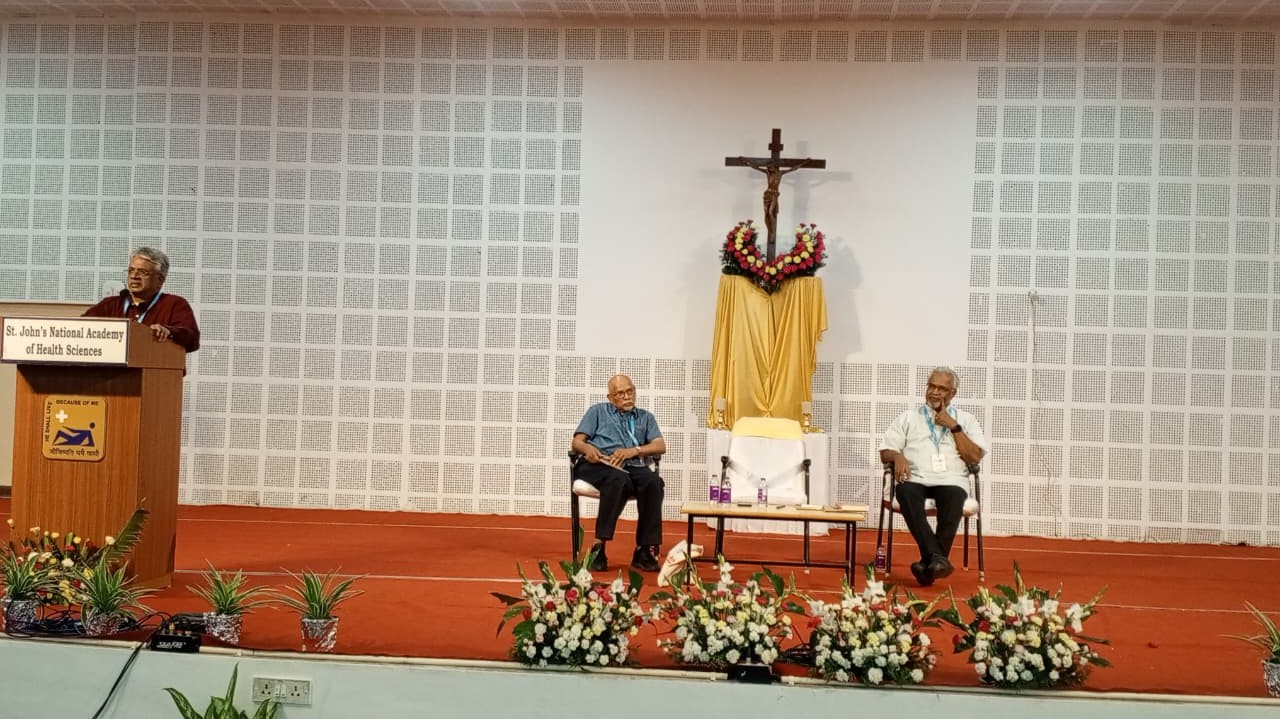
Bengaluru, May 2, 2026: The National Synodal Assembly of the Conference of Catholic Bishops of India placed the accompaniment of children and young people at the heart of its deliberations, urging the Church to move beyond programmes and cultivate meaningful relationships that foster faith, safety, and responsibility.

The third thematic session, titled "Accompanying Children and Youth," was moderated by Fr. Suresh Mathew and featured presentations by Sunil Antony Thomas and Shoy Thomas. The discussion explored how the Church in India can effectively journey with young people amid rapid social change and an increasingly digital culture.
Presenting the theme, Sunil Antony Thomas emphasized that authentic accompaniment must be tailored to the developmental needs of different age groups. Children under nine, he noted, primarily learn through trust, affection, and imitation, often encountering God through the witness of adults around them. Pre-adolescents between 10 and 12 begin grappling with questions of identity, belonging, and self-worth, while teenagers face more complex pressures, with peers and digital influencers often exerting greater influence than traditional authority figures.


Thomas also underscored the urgent need for safeguarding within Church communities. Citing data that most abuse cases involve persons known to children, he warned that inadequate awareness and the absence of effective reporting systems can exacerbate the problem. To address these concerns, he proposed four key interventions: involving youth in parish decision-making, training youth mentors, creating safe spaces for honest expression, and forming digital missionaries capable of meaningful online engagement.
Offering a pastoral perspective grounded in lived experience, Shoy Thomas challenged participants with a searching question: "Are young people growing because of the Church, or in spite of it?" He stressed that while programmes may educate, it is relationships that truly transform. "Belonging is the soil where faith grows," he said, insisting that no young person should ever feel isolated within the Church.
He described accompaniment as a layered ecosystem that includes peer support, near-peer mentoring, and mature pastoral guidance. Such a model, he said, enables holistic growth and sustained discipleship. Young people, he added, are not looking for flawless leaders, but for authentic witnesses whose lives reflect the Gospel.
The speakers also highlighted the need to foster a culture of safety that extends beyond written policies. This requires well-trained and accountable adults, transparent structures, and communities where children feel heard, protected, and believed. A zero-tolerance approach to abuse was identified as non-negotiable.
The crucial role of families also featured prominently in the discussion. They noted that parish programmes can complement, but never replace, the formative influence of the home. Strengthening collaboration between parents and parishes was seen as essential for effective faith formation.
The session further called on Church communities to move young people from mere participation to genuine ownership. Entrusting them with real responsibilities, delegates said, helps nurture maturity and deepens their commitment to the Church's mission. The digital world was likewise recognised as an indispensable field of evangelization, where authentic human presence must remain central.
Concluding the session, delegates urged dioceses and parishes across India to build communities centred on belonging, mentorship, family support, and youth leadership. The assembly reaffirmed that the future of the Church depends on intentional, Christ-centred accompaniment—one that enables young people not only to remain in the Church, but to flourish as committed disciples and missionary leaders.
By Catholic Connect Reporter
Picture Courtesy Naveen D'Souza
© 2026 CATHOLIC CONNECT POWERED BY ATCONLINE LLP