- 12 May, 2026

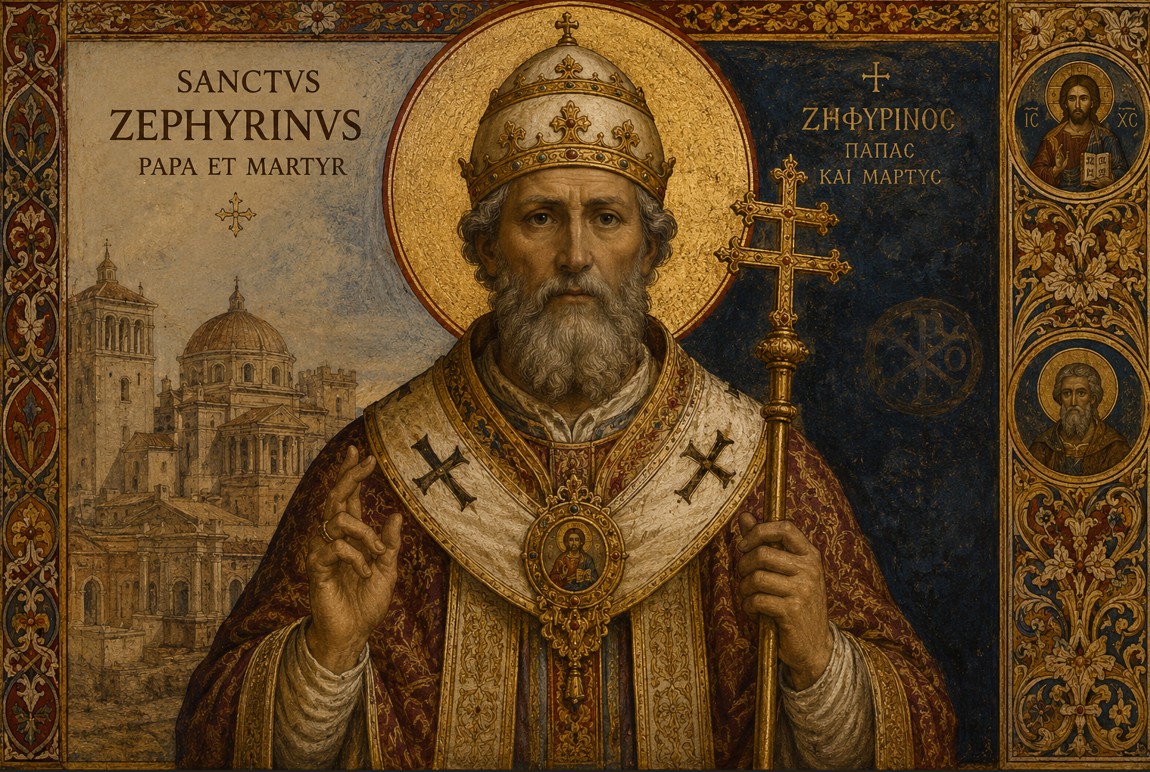
Pope Zephyrinus, the fifteenth successor of Saint Peter, led the Church during one of its most difficult theological periods. His papacy was marked by persecution, internal division, and heated debates about the identity of Christ and the Trinity.


Zephyrinus served as pope for nearly two decades during a time of intense theological conflict and intermittent Roman persecution.
What happens when the Church faces pressure from both outside persecution and internal disagreement?
That was the reality confronting Pope Zephyrinus. While Roman authorities threatened Christians externally, divisions within the Church over doctrine and leadership created additional turmoil. Despite criticism and controversy, Zephyrinus helped preserve unity during a fragile stage in Christian history.


Pope Zephyrinus served from 199 AD until his death in 217 AD. He is best known for defending the divinity of Christ during early theological disputes and for guiding the Church through persecution under Emperor Septimius Severus.
Zephyrinus was born in Rome, though little is known about his early years. Ancient sources describe him as coming from humble origins. Unlike some later Church leaders known for scholarship, Zephyrinus was remembered more as a pastoral leader focused on maintaining peace and unity.
After the death of Pope Victor I, Zephyrinus was elected Bishop of Rome. During his papacy, he relied heavily on his trusted deacon Callixtus I, who would later become his successor.
Zephyrinus led the Church during the reign of Emperor Septimius Severus and a period of serious theological tension.
The Church also experienced one of its earliest internal divisions when the theologian Hippolytus of Rome strongly criticized Zephyrinus and later became associated with the first major schism in Church history.
Zephyrinus made several important contributions during a turbulent era:
Church historian Eusebius described him as a defender of orthodox belief against dangerous heresies.
These efforts mattered because they helped preserve core Christian doctrine at a time when misunderstandings about Christ threatened Church unity.
Zephyrinus is remembered for:
Some critics, especially Hippolytus, portrayed him as weak or indecisive. Others see him as a pope trying to preserve unity during a highly divisive period.
Zephyrinus faced several major controversies:
These tensions reveal how difficult it was to lead the early Church while doctrine was still being clearly articulated.
Though no direct writings survive, his leadership conveys an enduring lesson: Unity and truth must be protected even during times of division.
Zephyrinus is honored as a saint in the Catholic Church.
Earlier traditions referred to him as a martyr, though modern scholarship generally does not classify him as one.
St. Zephyrinus represents:
His papacy helped the Church navigate one of its earliest doctrinal struggles.
Why does St. Zephyrinus matter today?
His legacy continues through the life of the Church today, carried forward by his successors.
To know more about the previous Popes, click here
By Catholic Connect Reporter
St. Zephyrinus, Pope Zephyrinus biography, fifteenth pope Catholic Church, early Catholic popes, Pope Zephyrinus history, Hippolytus schism, divinity of Christ early Church, Septimius Severus persecution, Catholic Church history, apostolic succession
© 2026 CATHOLIC CONNECT POWERED BY ATCONLINE LLP