- 09 August, 2026
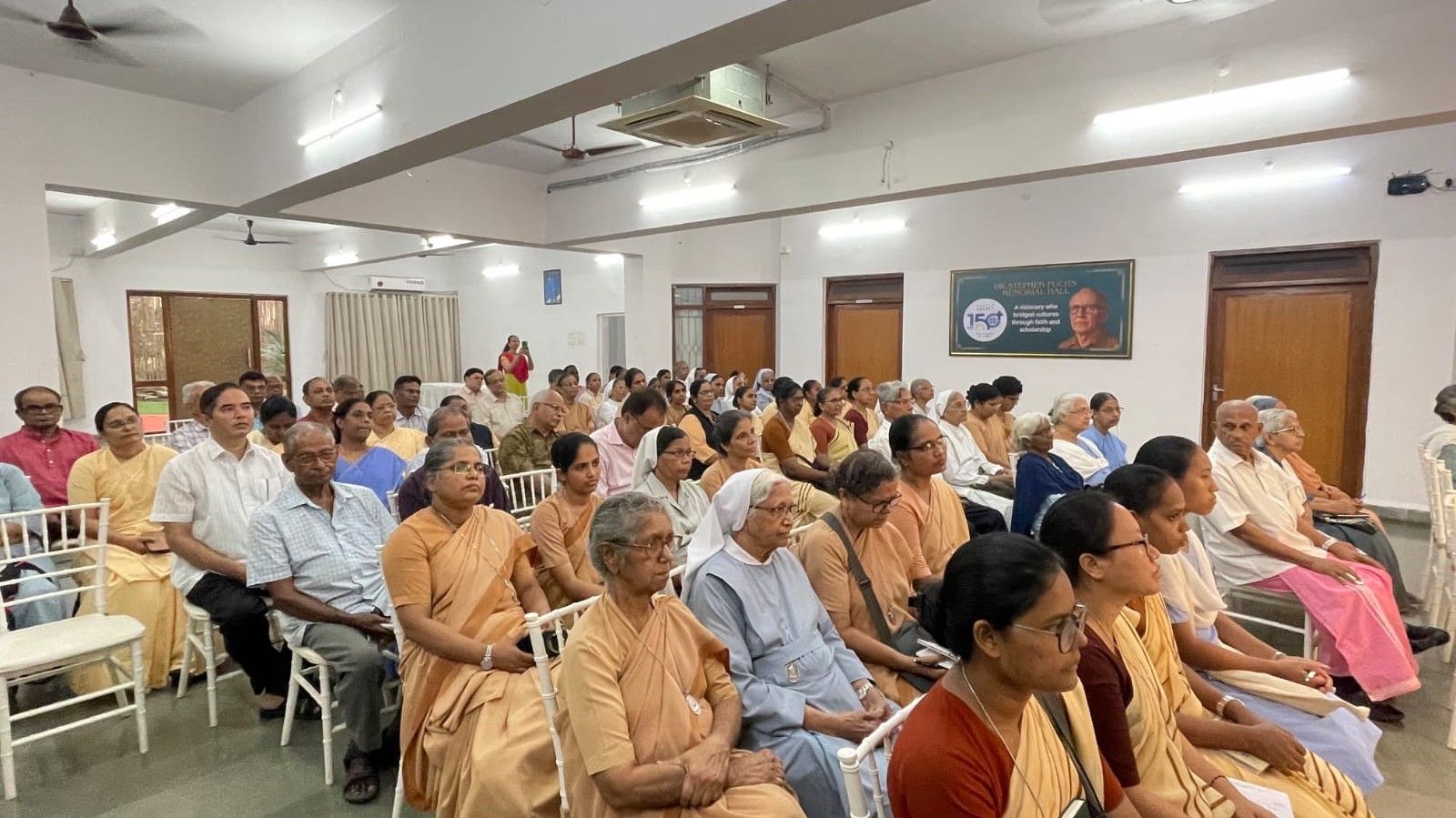
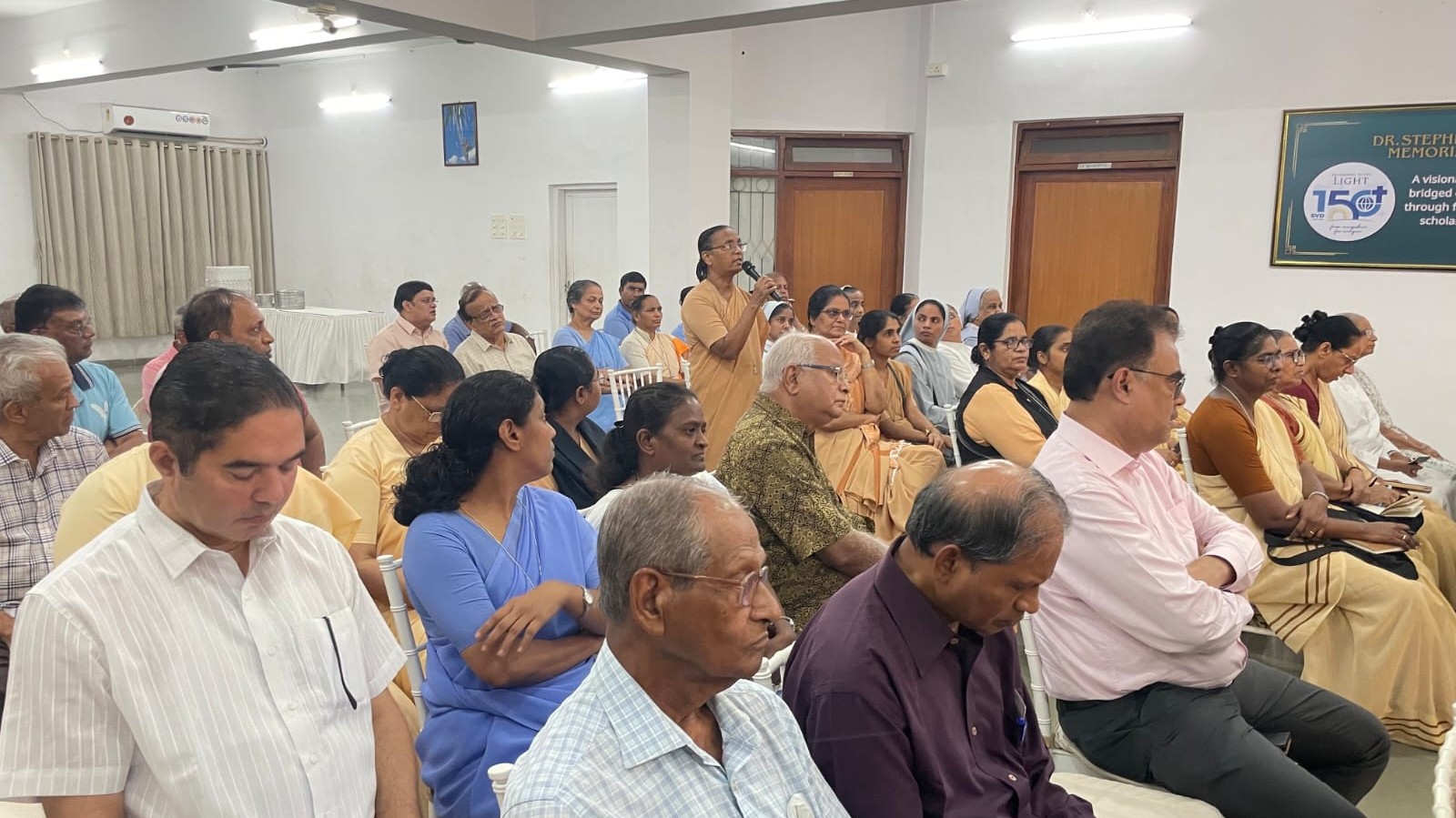
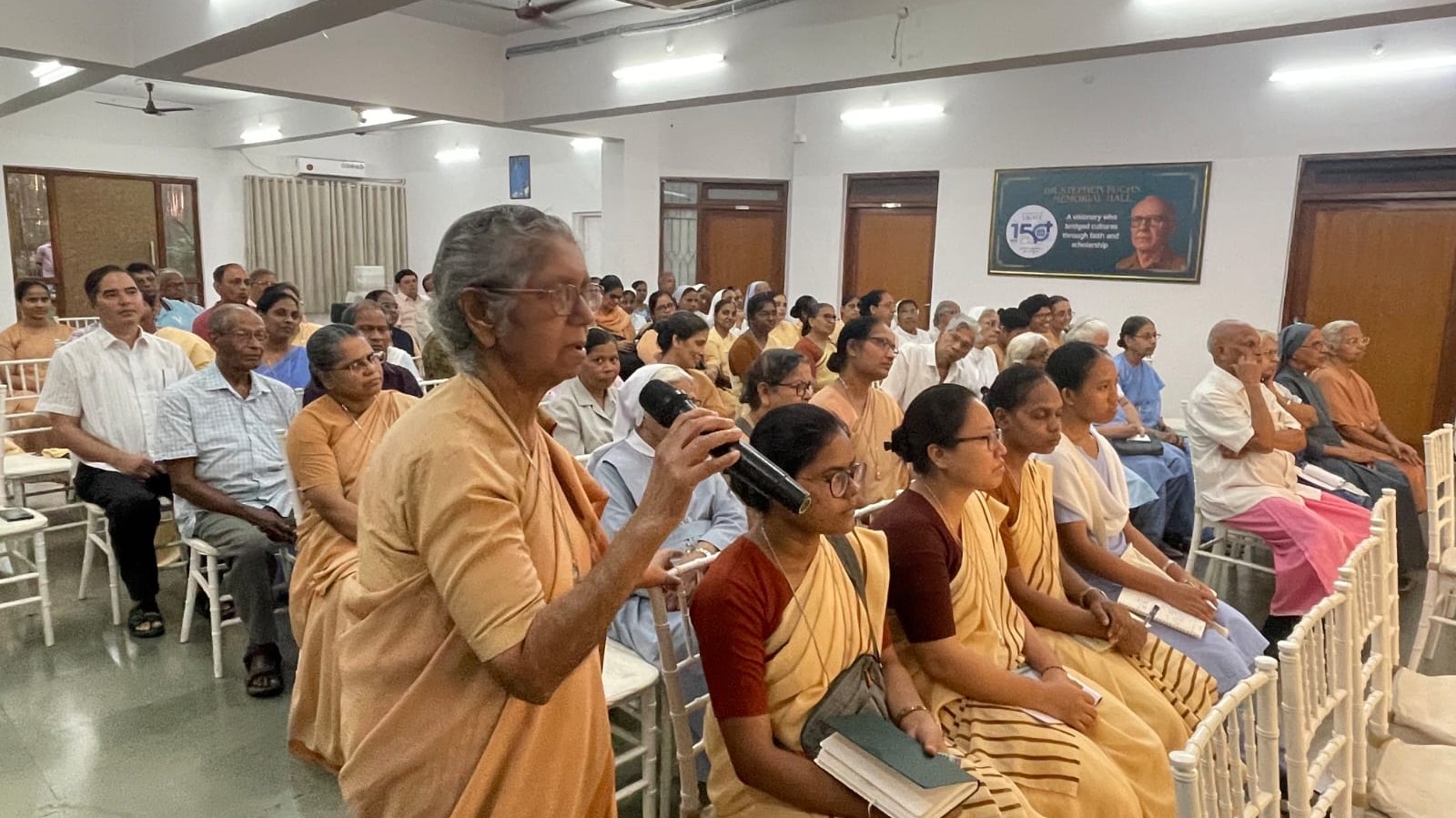
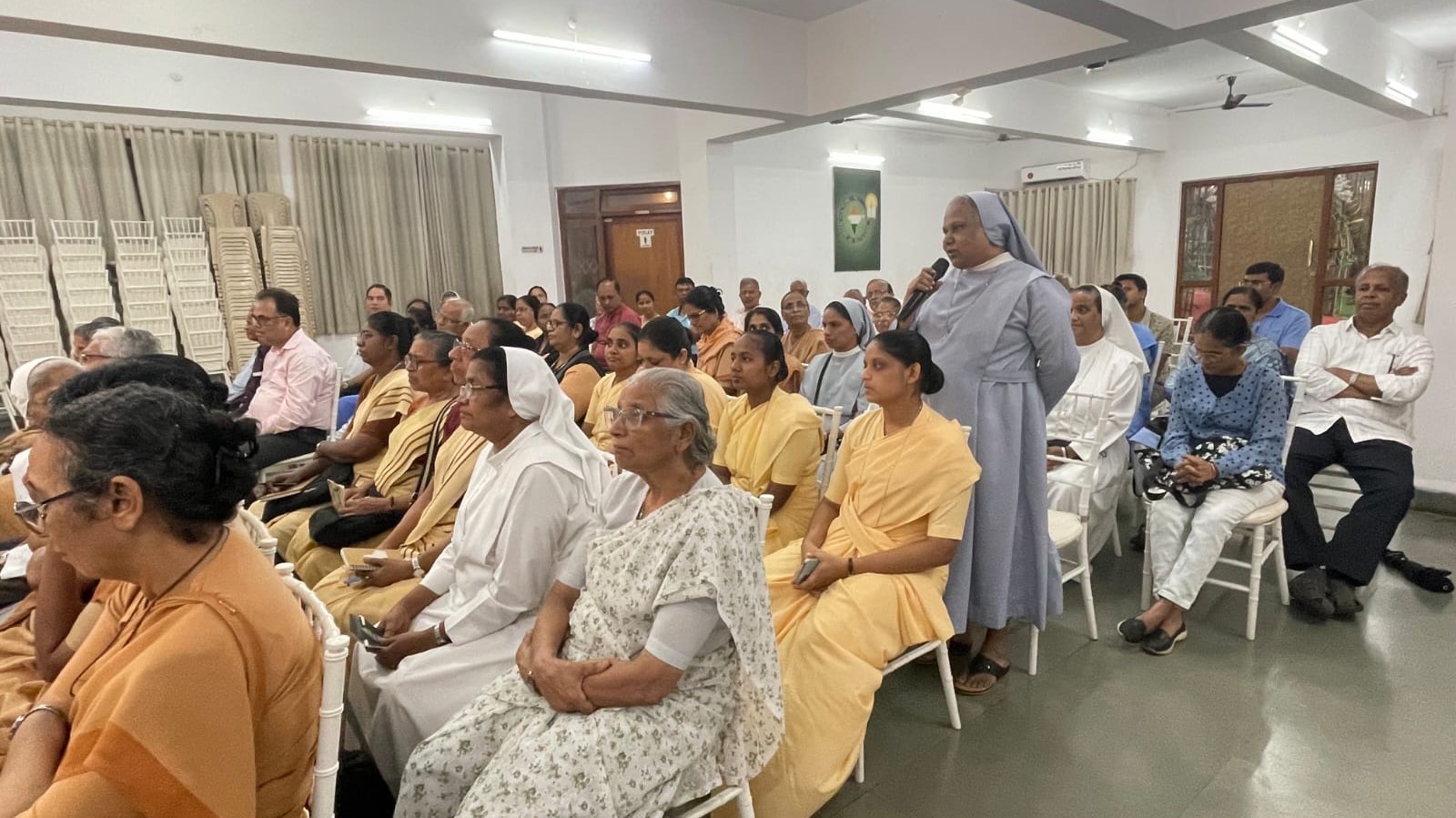
Mumbai, August 9, 2026: The social implications of anti-conversion laws in India, particularly their links to religion, caste, identity, power and individual freedom, came under discussion at a lecture organised by the Institute of Indian Culture (IIC) in Mumbai on August 8.

Titled “Anti-Conversion: A Sociological Perspective,” the lecture was held at Stephen Fuchs Hall and brought together academicians, researchers, religious leaders, clergy, religious sisters, students, social workers and members of the public.
The programme sought to examine anti-conversion legislation from a sociological perspective, moving beyond predominantly legal and political interpretations of the issue.


Fr. Dr. John Singarayar, SVD, Director of the Institute of Indian Culture, welcomed the participants and highlighted the importance of creating spaces for academic engagement on complex questions affecting Indian society. He said scholarly discussion and objective inquiry were essential to understanding contentious social issues.
The session was moderated by Fr. Dr. Scaria, SVD. Delivering the keynote address, Prof. Fr. Dr. Joseph M. T., SVD, faculty member of the Department of Sociology at the University of Mumbai, traced the historical development of anti-conversion laws in India and examined their wider social consequences.
He argued that religious conversion cannot be viewed solely through legal or theological categories, as it is also intertwined with questions of social identity, caste, culture, power and individual freedom.
Applying a sociological framework, Prof. Joseph examined the relationship between religion and social change and urged participants to consider anti-conversion laws within the broader social realities in which they operate. He also discussed their potential implications for inter-community relations, public discourse and the exercise of constitutional rights.
Prof. Joseph called for an approach grounded in objective inquiry and cautioned against relying on stereotypes when discussing religious conversion and the communities affected by such laws. He encouraged participants to engage with the lived experiences of different social groups while upholding democratic values, dialogue and peaceful coexistence.
An interactive discussion followed the lecture, with participants raising questions concerning the legal, social and ethical dimensions of anti-conversion legislation. Prof. Joseph responded with sociological perspectives and examples drawn from social realities, further broadening the discussion.
The programme concluded with a vote of thanks by Fr. Ivan, who acknowledged the speaker, organisers, moderator and Bro. Swaminathan, SVD, for logistical support, as well as the participants for their engagement.
The Institute of Indian Culture, an academic and cultural institution of the India Mumbai Province of the Society of the Divine Word (SVD), organised the lecture as part of its efforts to promote academic discussion on contemporary social issues.
By Catholic Connect Reporter
Continue Reading on Catholic Connect App
Get access to exclusive news articles & more.


© 2026 CATHOLIC CONNECT POWERED BY ATCONLINE LLP