- 06 November, 2026
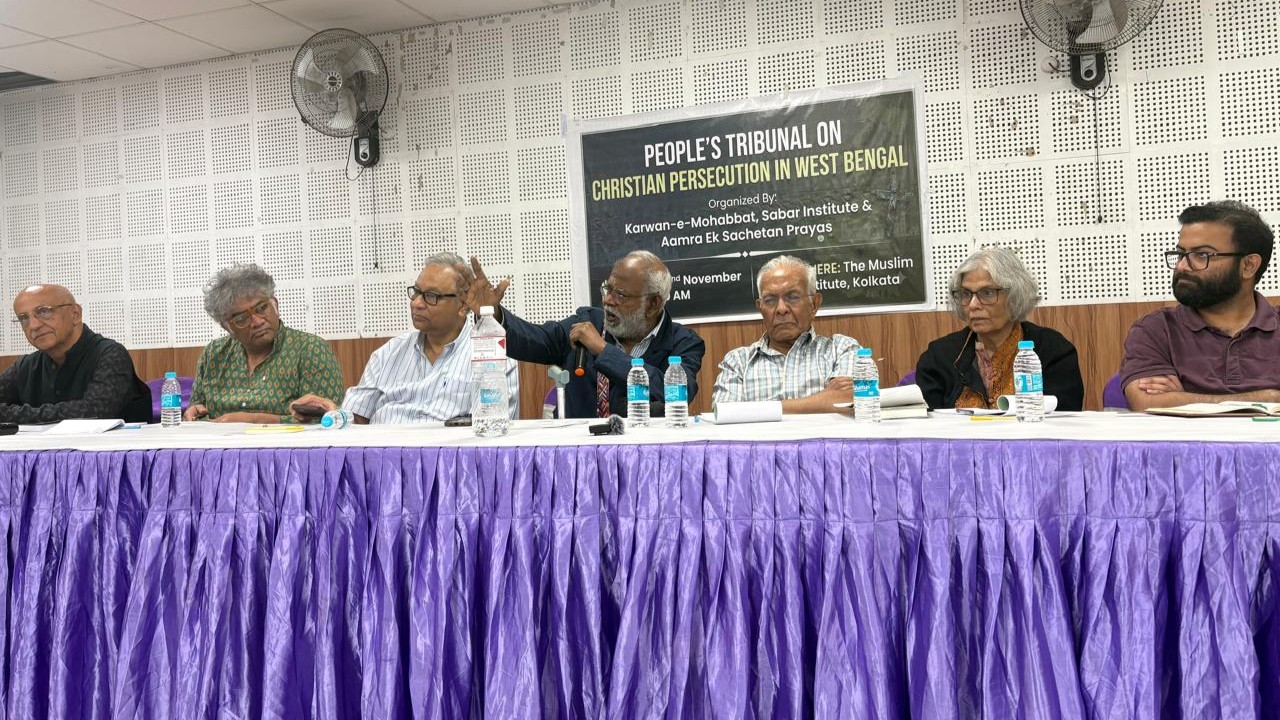
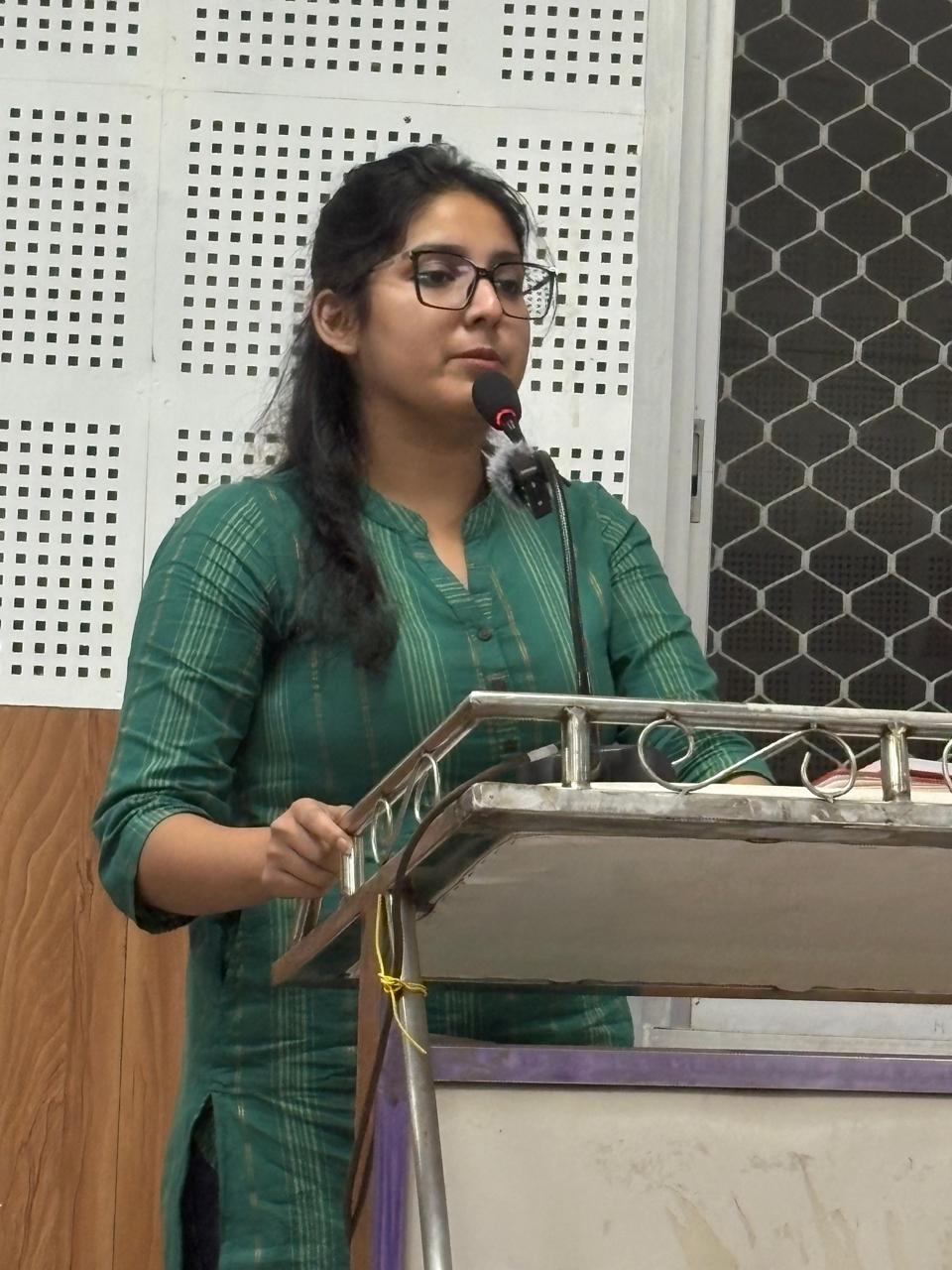
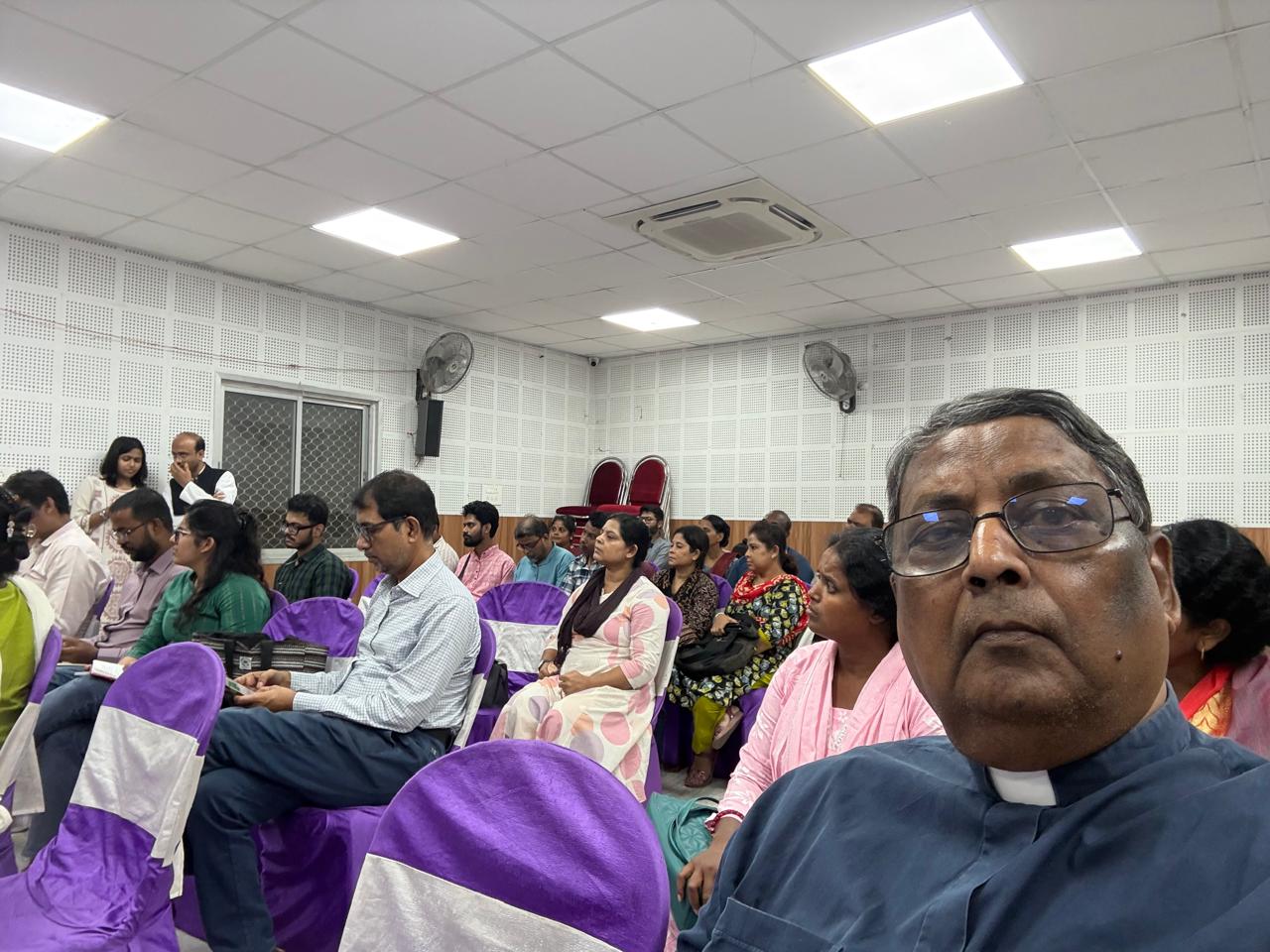
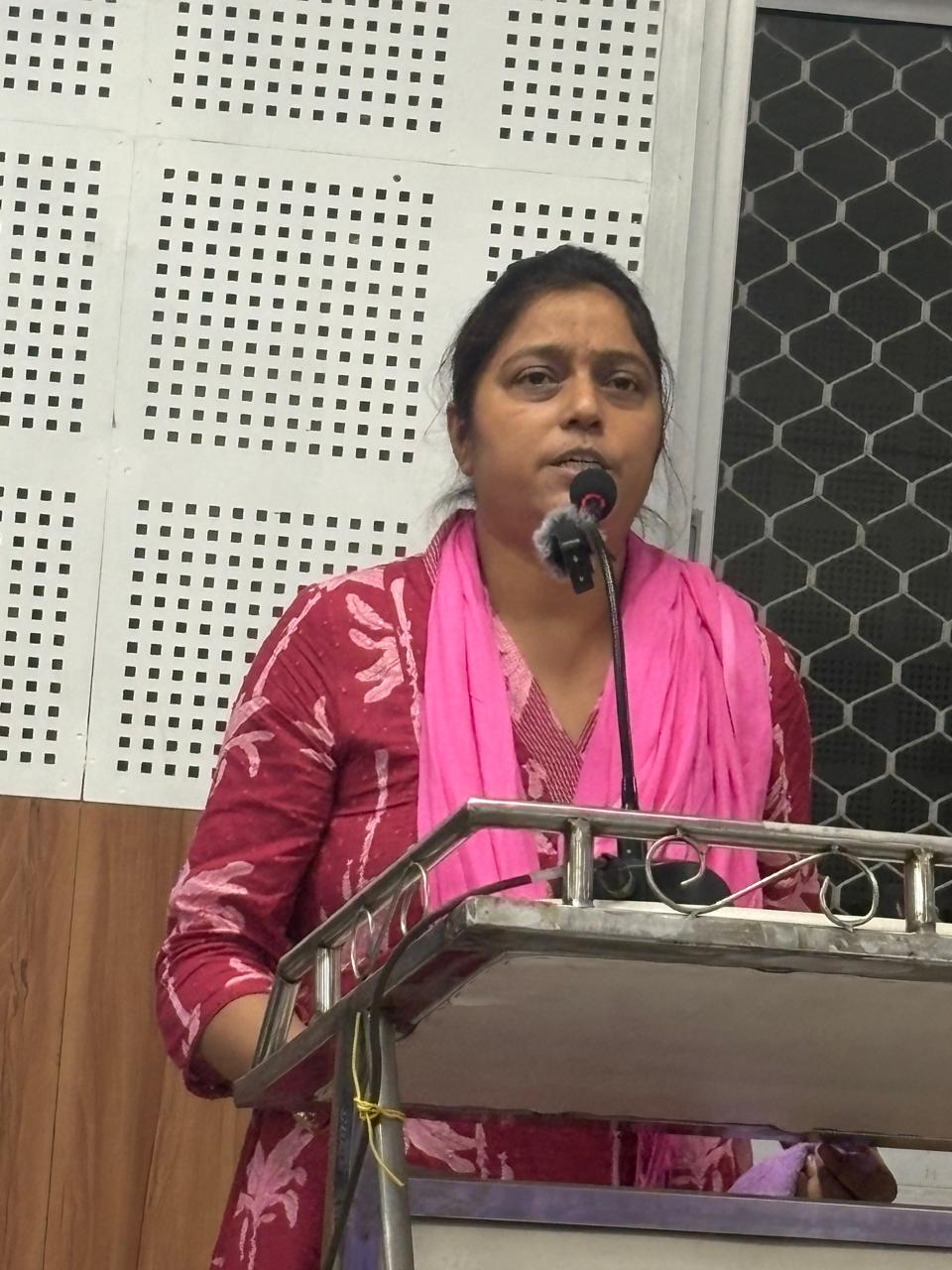
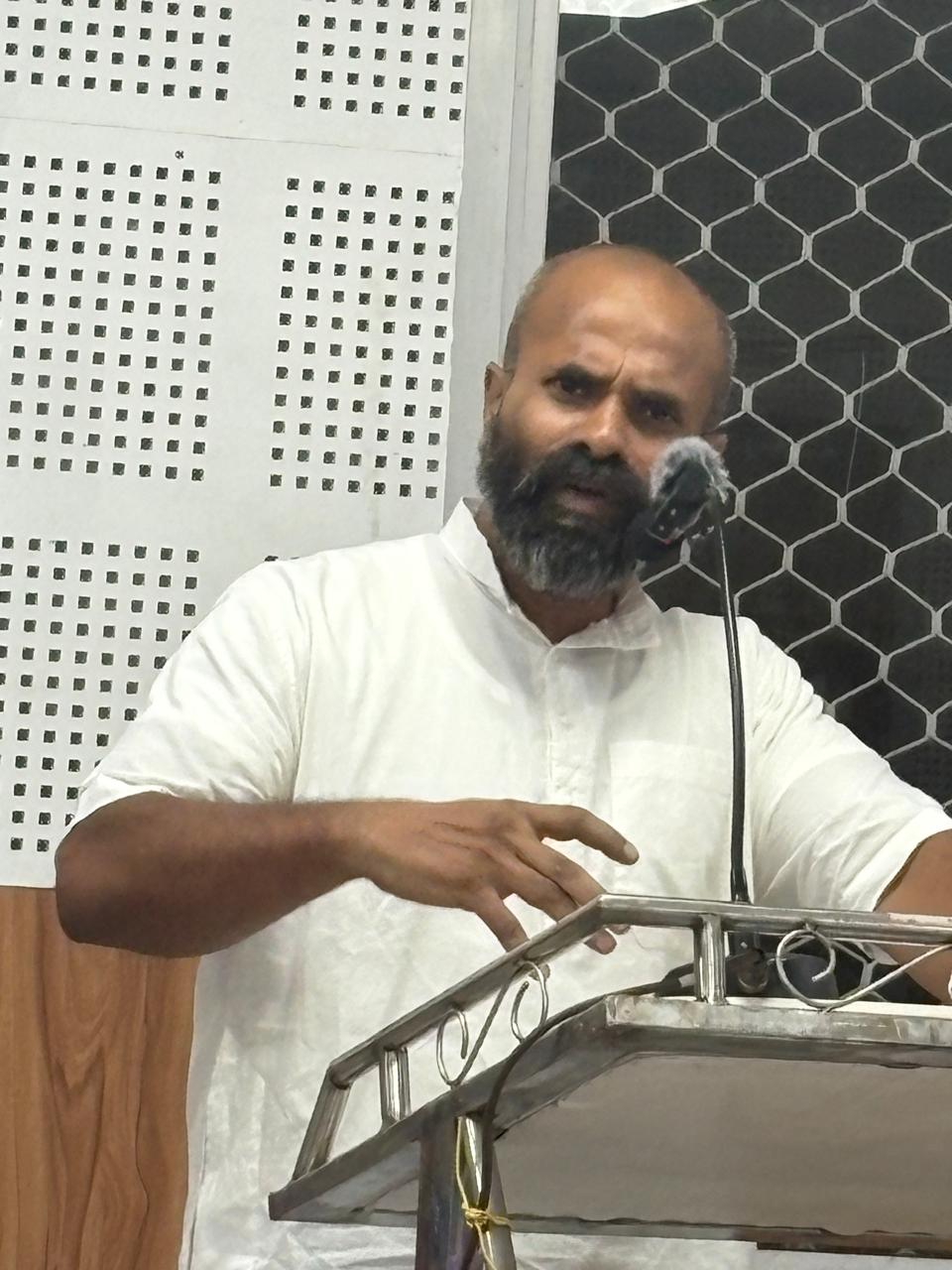
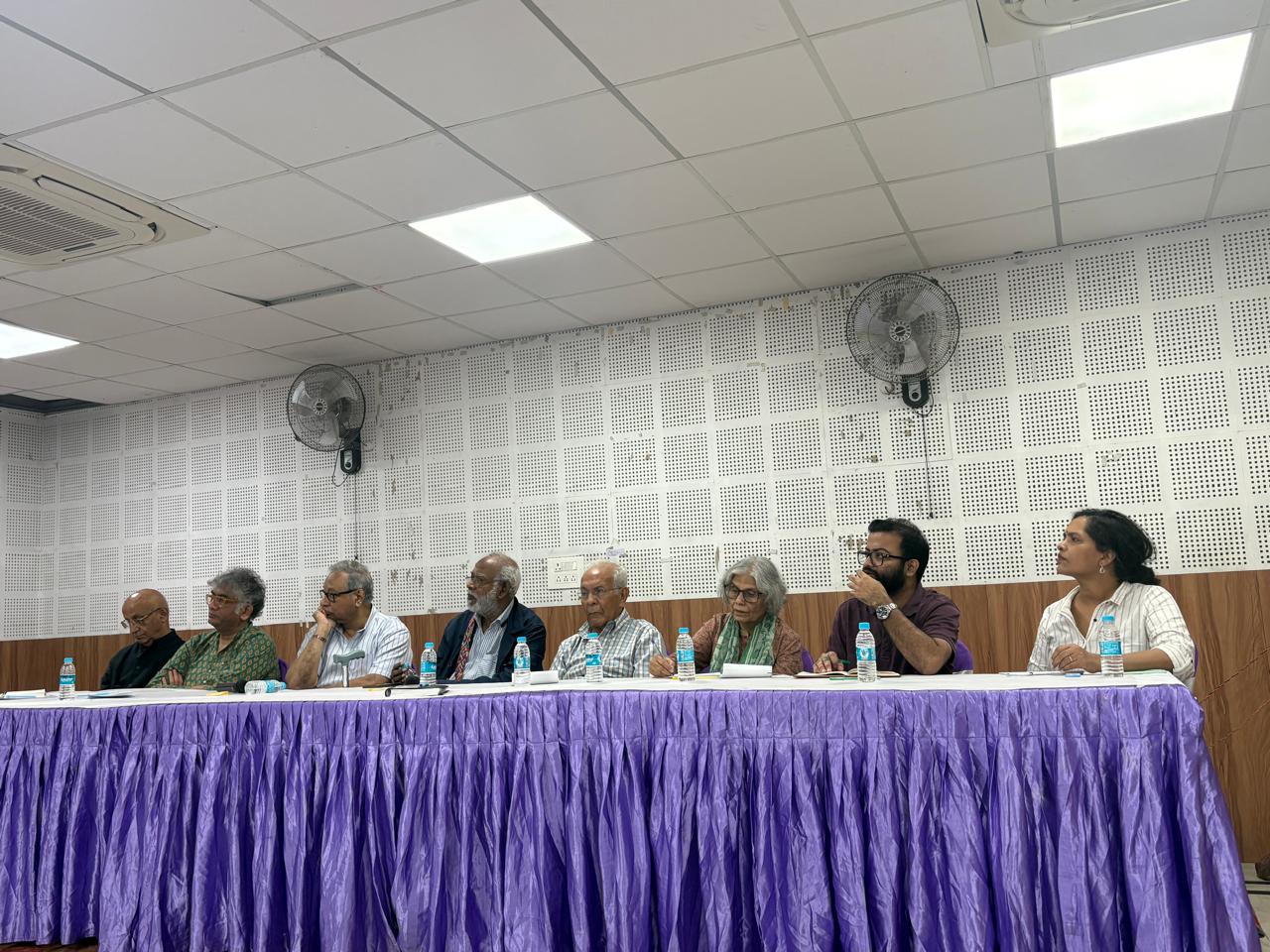
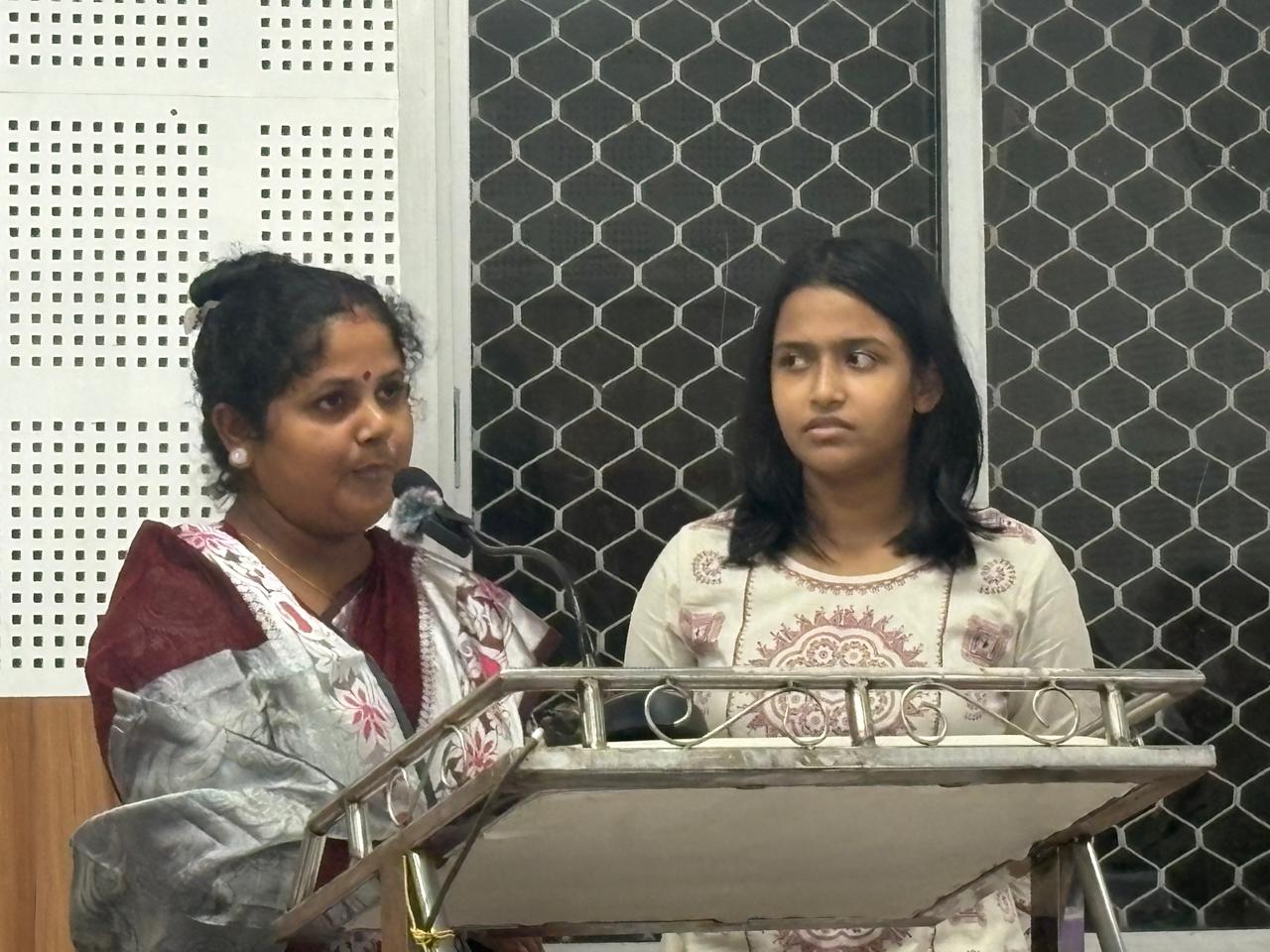
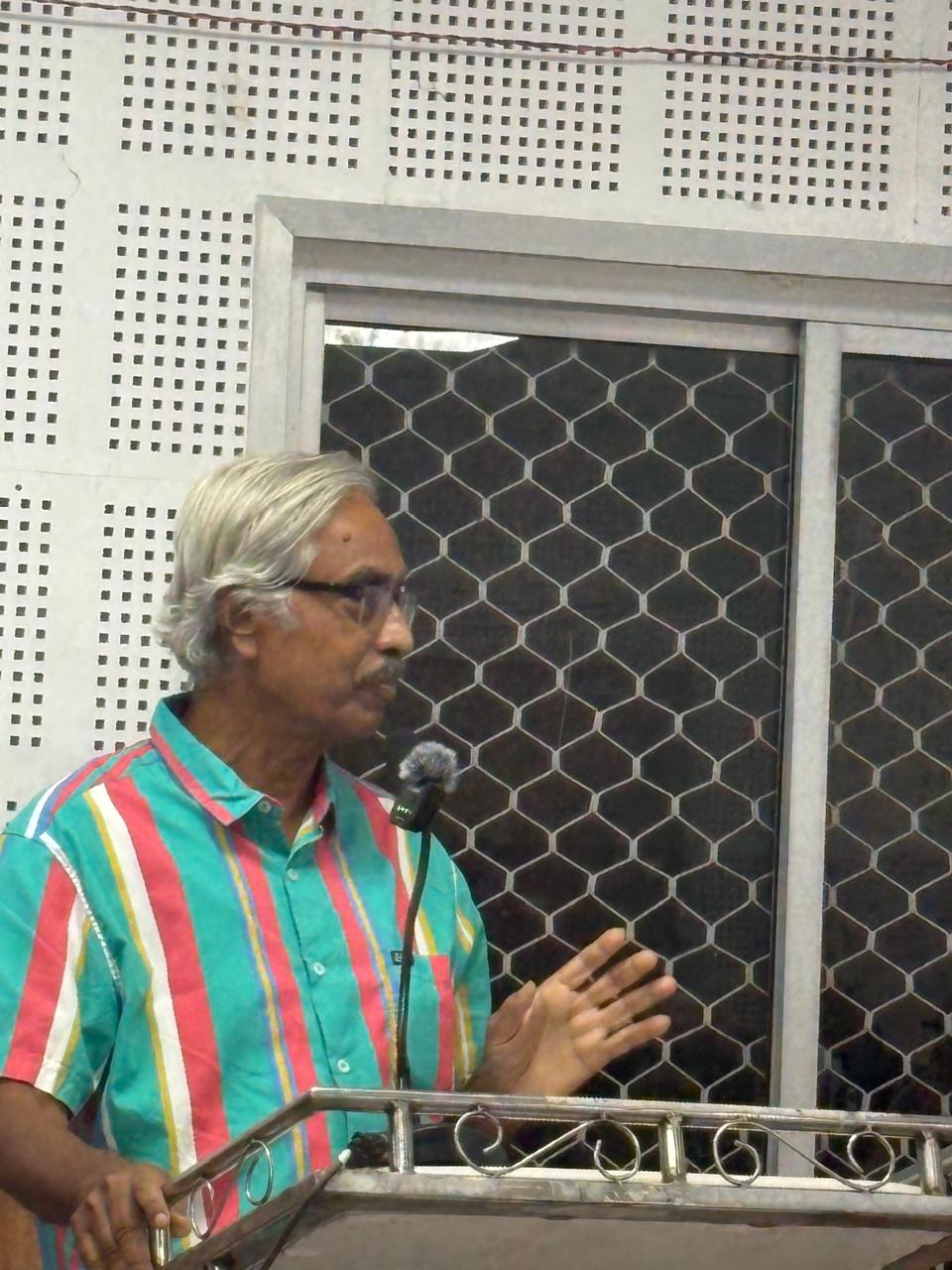
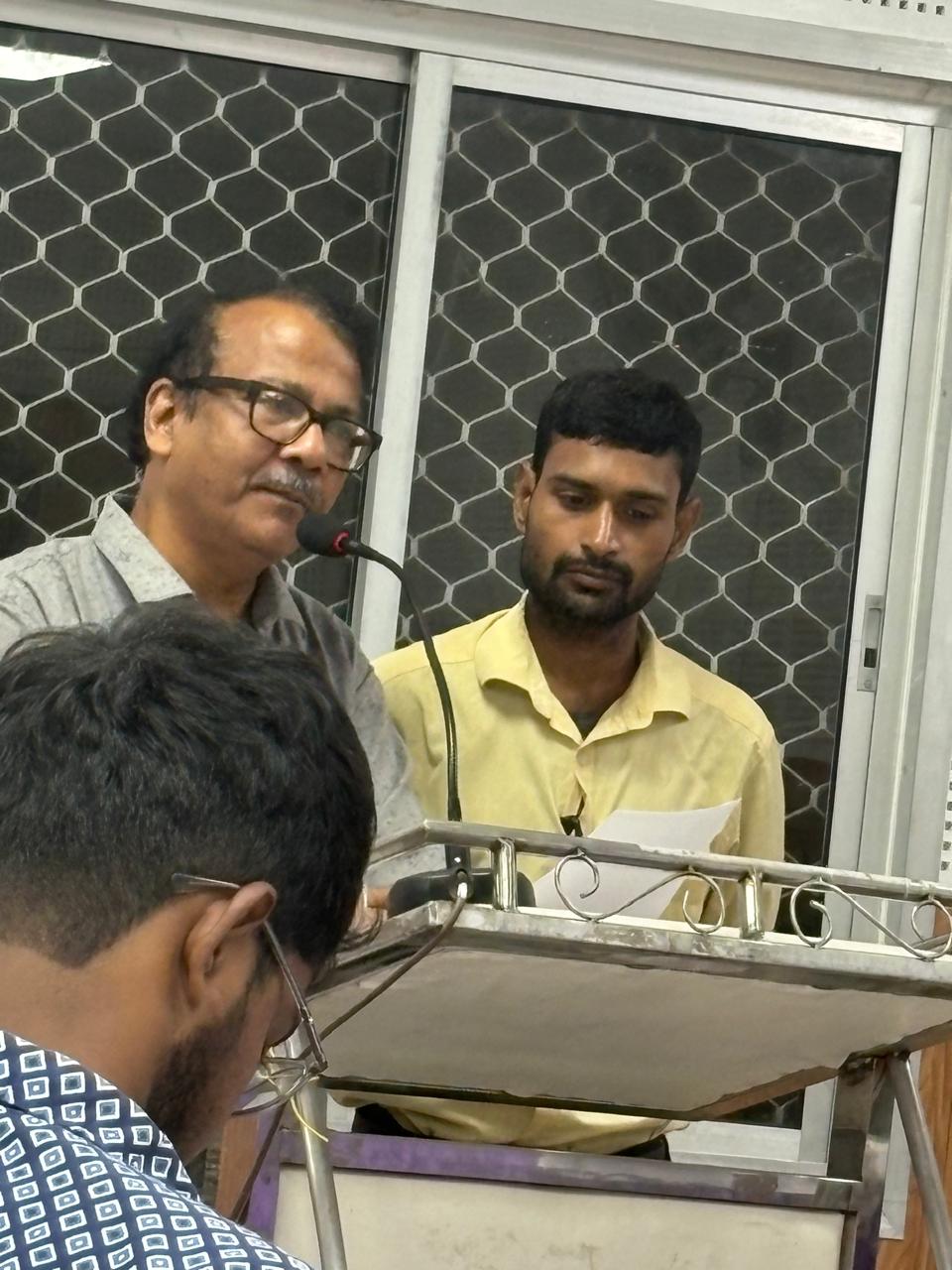
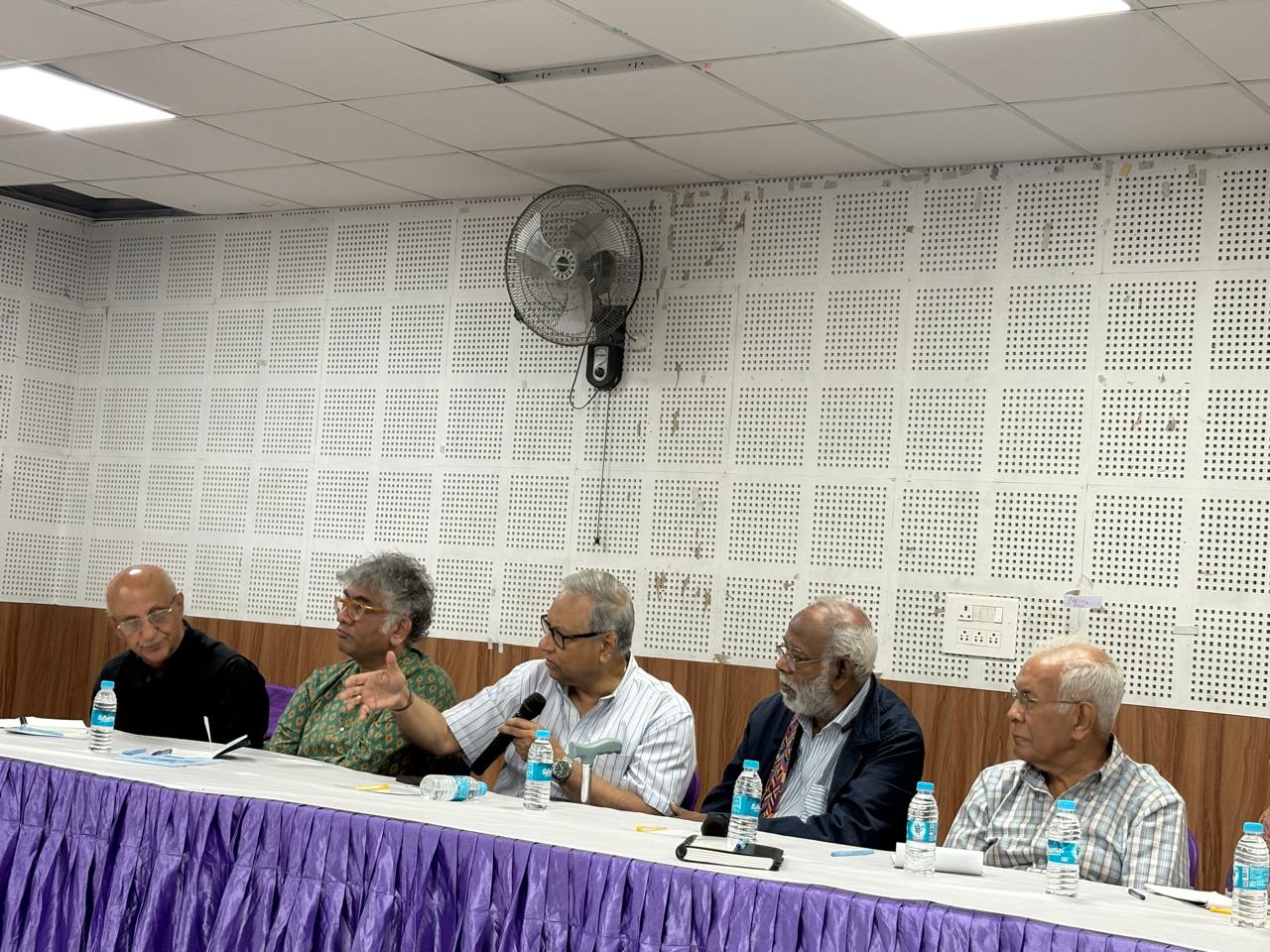
KOLKATA, November 6, 2026: A People's Tribunal in Kolkata heard testimonies documenting 48 cases of alleged harassment, intimidation and violence against Christians in West Bengal since the formation of the new government in May 2026.

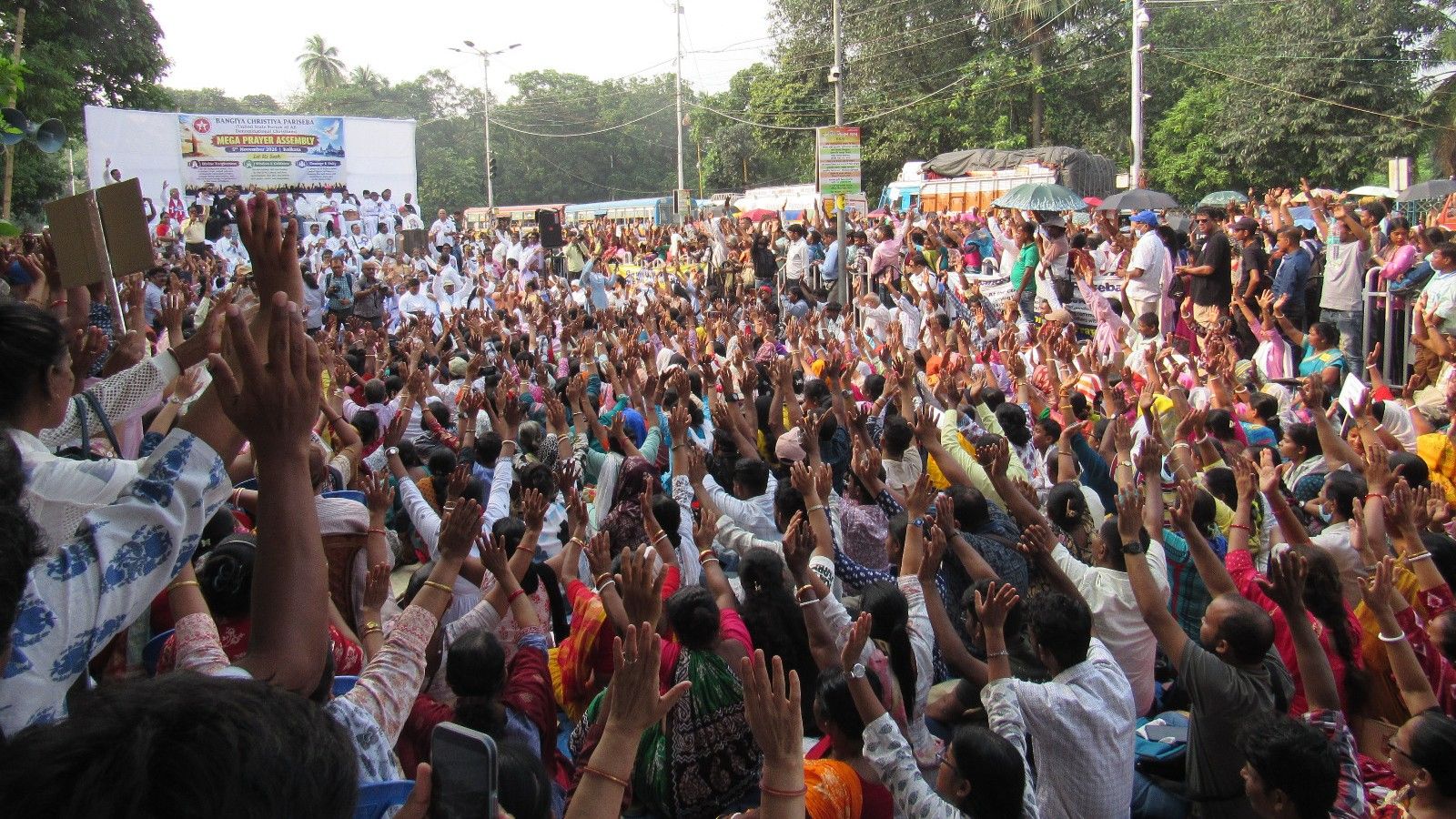
Organised by Karwan-e-Mohabbat (Caravan of Love) at the Muslim Institute on November 2, the daylong tribunal brought together victims from several districts, human rights activists, lawyers, journalists and civil society representatives to examine reported violations of religious freedom and constitutional rights.
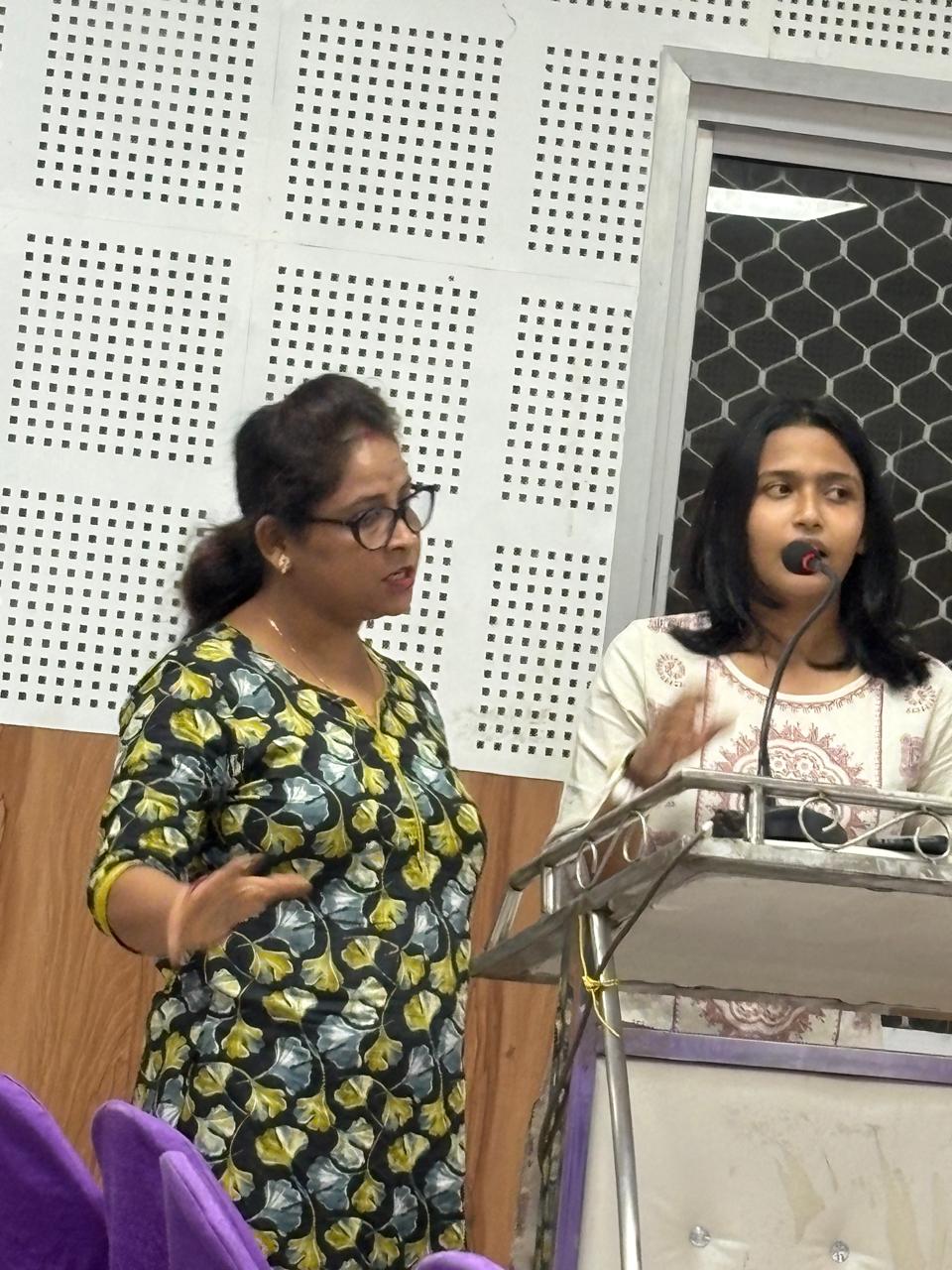
Survivors from East and West Medinipur, Howrah, Hooghly, North and South 24 Parganas, and East and West Bardhaman shared accounts of attacks on Christian gatherings, prayer houses and private residences. Their testimonies highlighted concerns about physical violence, intimidation, property damage and restrictions on the freedom to practise their faith.
One of the cases presented concerned an attack on Christians associated with True Light Harvesters Church in Rayan, Burdwan, on November 1.
According to the testimony presented at the tribunal, a group of around 60 to 70 people entered the residence of a Christian believer identified as Sumanto and assaulted several people gathered there. The house and household belongings were vandalised.
Pastor Chattu Das was reportedly severely beaten, and his vehicle was damaged. Sumanto's father also sustained injuries and was reportedly unable to walk following the assault. Several other Christians were injured in the incident.
The account further stated that around 30 to 40 believers, including five children, were taken to a police station after undergoing medical examinations. They were reportedly waiting at the station for the police inspector. The circumstances surrounding their presence at the station and the delay in addressing their situation were raised at the tribunal.
Sis. Jyotsna, wife of Pastor Jose, and their daughter Jenny were also present at the police station.
The testimony called for police intervention to ensure the safety of those affected, provide medical assistance, establish the circumstances of the attack and take legal action against those responsible.
Organisers said the Burdwan incident reflected a wider pattern of hostility towards Christian communities, particularly in rural areas, where prayer gatherings and home-based fellowships had reportedly faced intimidation and attacks.
The tribunal also heard concerns that growing religious polarisation was affecting relations between Christian families and their neighbours, creating fear among communities that had previously lived peacefully together.
Prominent panel hears testimonies
The panel of experts included historian Tanika Sarkar, former Rajya Sabha MP and Union Government Secretary Jawhar Sircar, Amnesty International India Chairperson Aakar Patel, senior journalist and Christian leader John Dayal, and former National Commission for Minorities chairperson Wajahat Habibullah.
Others included Omair Khan, lead researcher at Karwan-e-Mohabbat; environmentalist and social rights activist Vidya Dinkar; and human rights activist Harsh Mander, founder of the campaign.
High Court lawyers, senior pastors, journalists and civil society representatives also participated in the proceedings.
Christian organisations, including the National Christian Council, Bangiya Christiyo Pariseba, Council of All Christian Minority, Body of Christ, Kolkata Transformation Network and All India Catholic Union, were among those associated with the programme.
Participants said the documentation of these cases was important to counter allegations of forced religious conversion and draw attention to violence and intimidation faced by Christian communities.
Campaign against hate violence
Karwan-e-Mohabbat was launched in September 2017 by human rights activist Harsh Mander in response to mob lynchings and hate crimes across India. The campaign seeks to express solidarity with survivors of communal violence, support affected families and promote constitutional values of equality, fraternity and secularism.
Its activities include peace journeys to meet survivors, legal and livelihood assistance, public meetings, documentation of hate crimes and community dialogues.
The campaign has also addressed issues affecting marginalised communities, including contested citizenship, communal harassment and the impact of the COVID-19 pandemic.
Calling for greater public accountability in the face of hate crimes, Mander questioned the silence of people who witness violence against vulnerable communities.
“We need to interrogate the reasons for our silences, for our failures to speak out, and to intervene, when murderous hate is unleashed on innocent lives. We need our conscience to ache. We need it to be burdened intolerably,” he said.
The Kolkata tribunal sought to bring survivors' accounts into public discussion and press for accountability and protection of the constitutional rights of religious minorities.
By F. Sunil Rosario, Kolkata

© 2026 CATHOLIC CONNECT POWERED BY ATCONLINE LLP