- 02 May, 2026

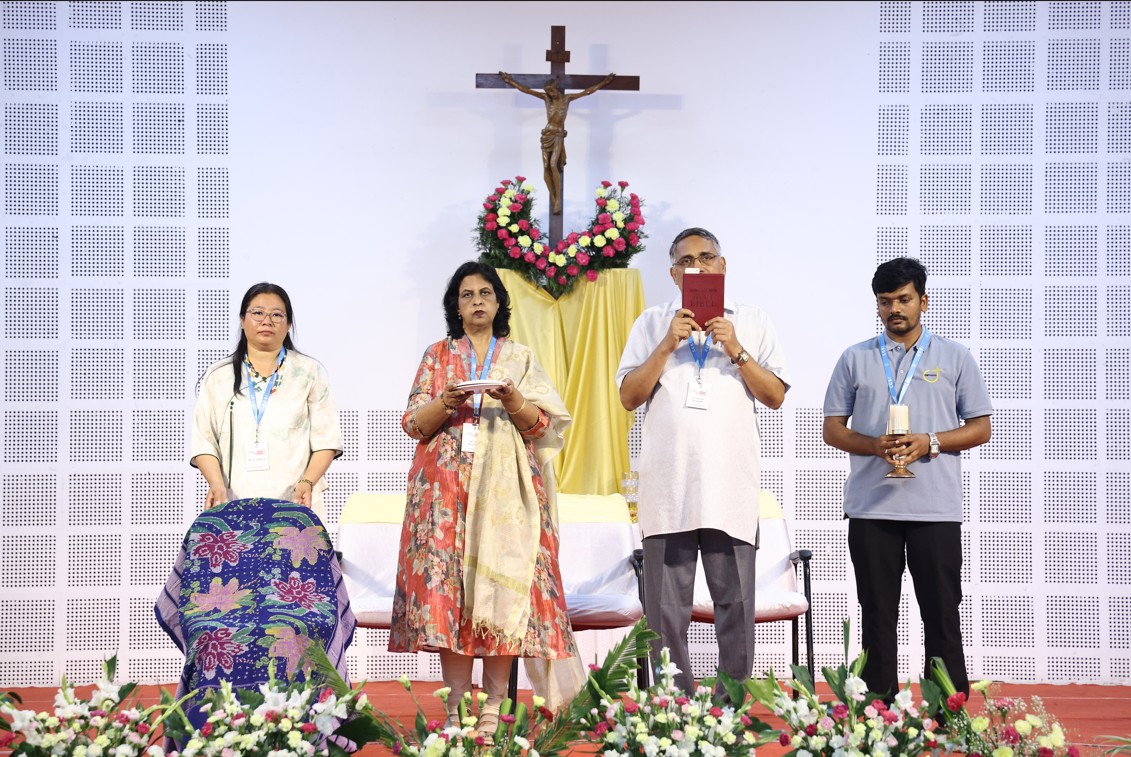
Bengaluru, May 2, 2026: The second day of the Conference of Catholic Bishops of India (CCBI) National Synodal Assembly in Bengaluru deepened the Church's commitment to fostering a community rooted in hope, inclusion, and shared responsibility. Centered on the theme, "Synodal Pilgrimage of Hope," the day brought together bishops, clergy, religious, and lay faithful to reflect on three crucial pillars of the Church's mission: youth accompaniment, integral ecology, and social justice.

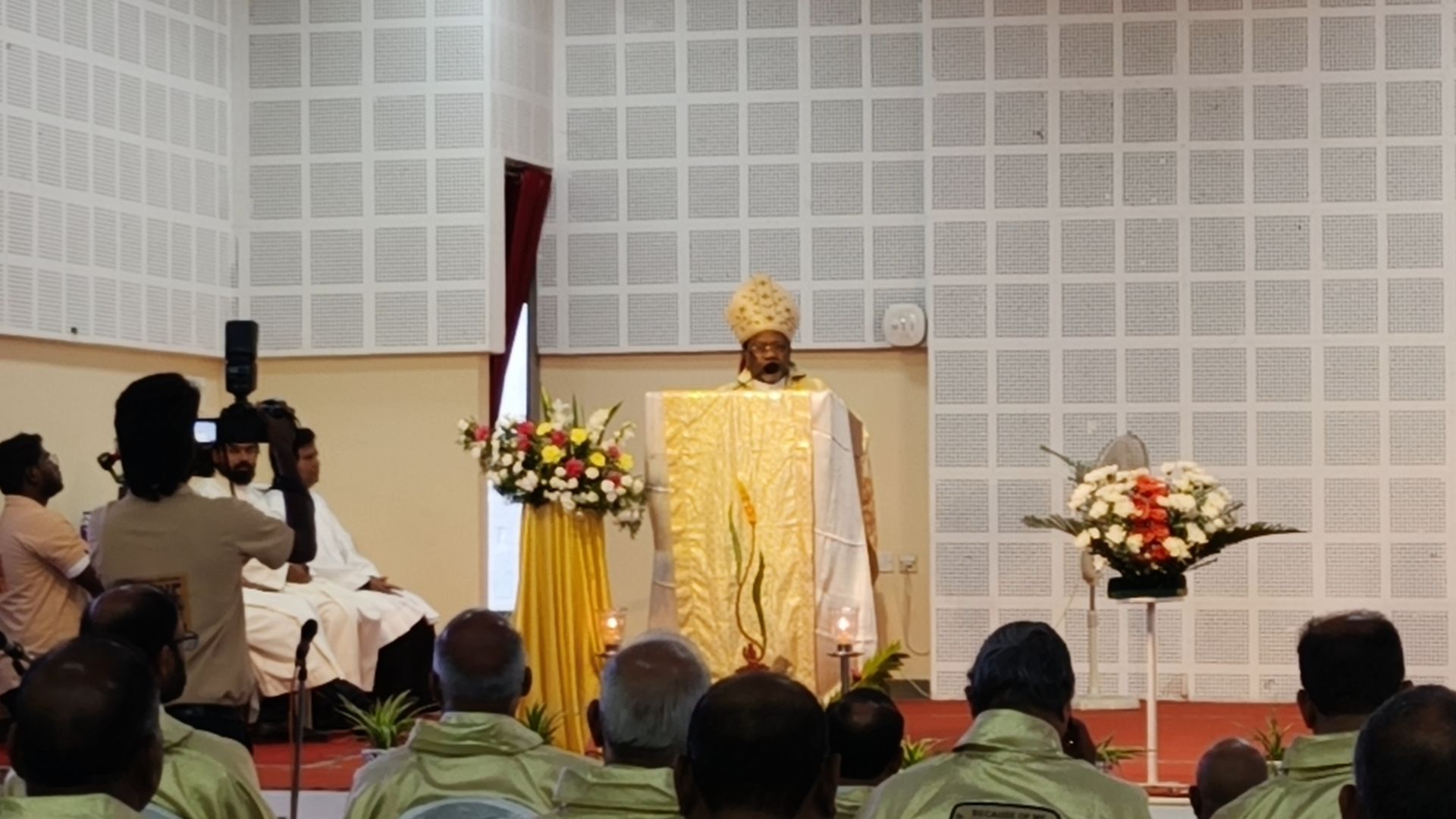
The day commenced with a solemn Eucharistic celebration presided over by Archbishop Peter Machado of Bengaluru. In his homily, Archbishop Machado invited the assembly to remain firmly anchored in Christ, "the way," drawing inspiration from the journey to Emmaus. He reminded participants that Christ continues to walk alongside His people, particularly in moments of uncertainty and challenge. He also called for renewed commitment to the poor and marginalized, entrusting the entire synodal journey to the maternal intercession of the Blessed Virgin Mary.
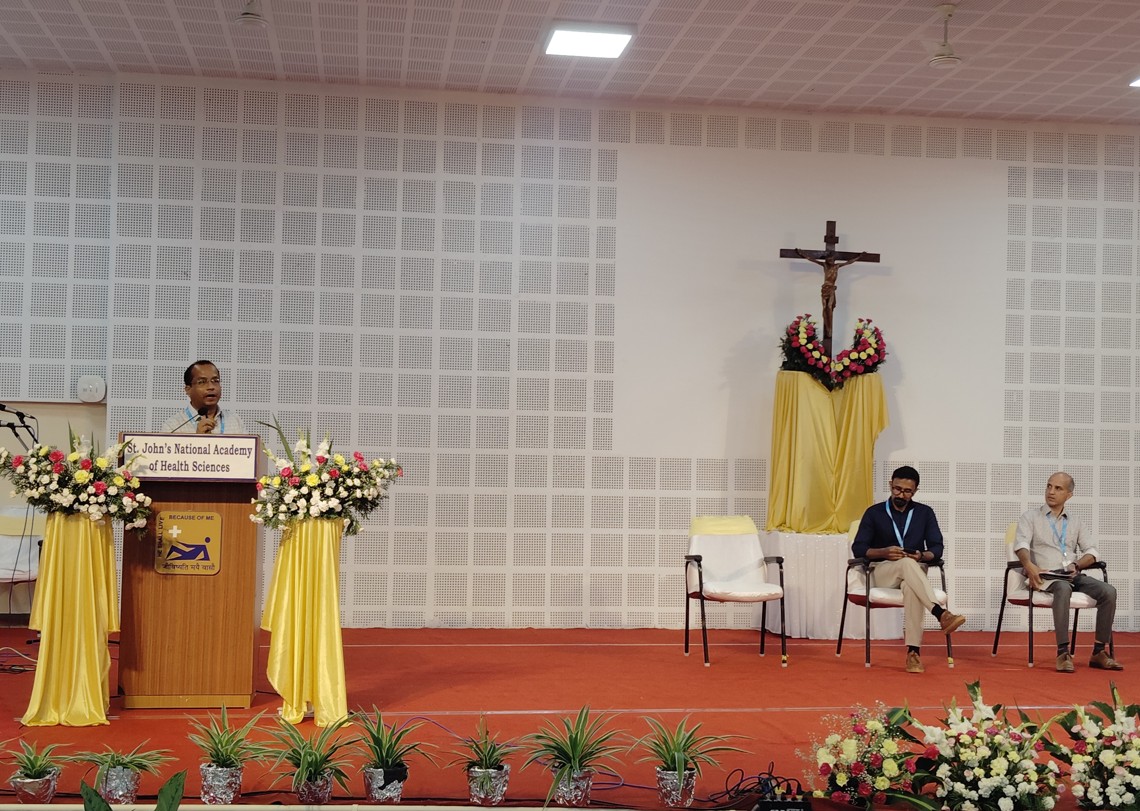
A major highlight of the day was the session dedicated to youth and children, moderated by Fr. Suresh Mathew. Presentations by Sunil Antony Thomas and Shoy Thomas focused on the urgent need for intentional accompaniment of young people in an increasingly complex world. While acknowledging the importance of structured programs, the speakers stressed that it is authentic relationships that truly transform lives.


They called for age-sensitive pastoral care and underscored the critical importance of safeguarding measures, including awareness initiatives, robust reporting systems, and a zero-tolerance policy toward abuse. Emphasizing the need to create environments where children and youth feel safe, heard, and valued, they presented "layered accompaniment"—incorporating peer support, mentoring, and pastoral guidance—as essential for the holistic development of young people.
Family involvement was highlighted as another key component, with the presenters advocating strong collaboration between parents and parish communities. They urged the Church to move beyond merely engaging young people as participants and instead empower them to assume leadership roles within ecclesial life. Recognizing the pervasive influence of digital platforms, they also emphasized the importance of meaningful and mission-oriented engagement in the online sphere.
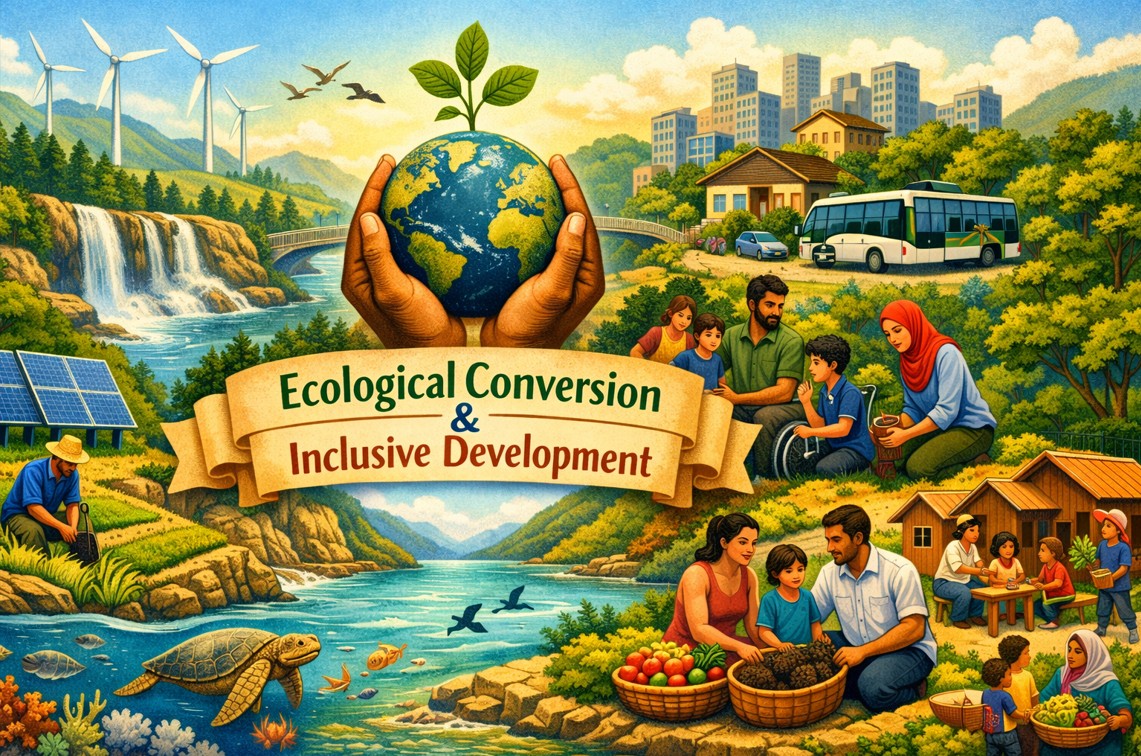
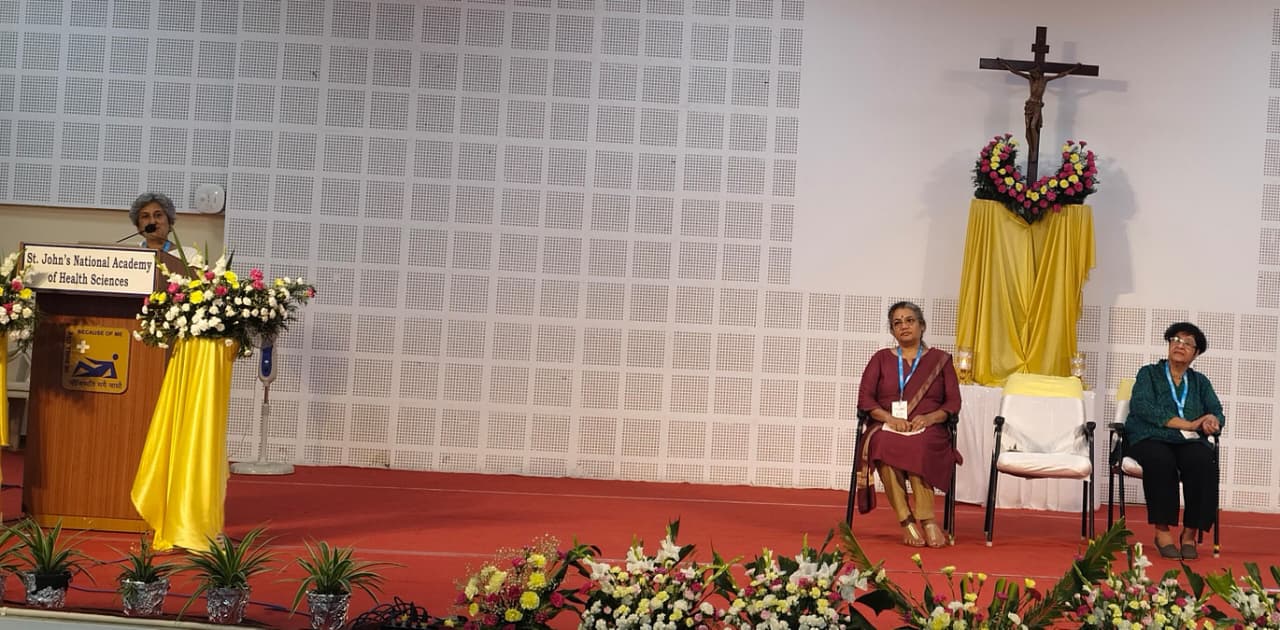
The second major session focused on integral ecology and social inequality and was moderated by Olinda Timms. Jean D'Cunha, drawing extensively from Pope Francis' encyclical Laudato Si', called attention to the inseparable bond between environmental degradation and human suffering. She urged delegates to listen attentively to both "the cry of the earth and the cry of the poor," advocating for sustainable lifestyles and a renewed ecological responsibility.
Complementing this perspective, Arlene Manoharan addressed the widening gap between economic growth and persistent poverty. She noted that poverty is multidimensional, impacting not only income but also access to dignity, education, healthcare, and opportunities. Delegates were challenged to respond with concrete actions rooted in justice, inclusion, and compassion.
The day concluded with moments of silence, prayer, spiritual conversations, and Eucharistic adoration, offering participants a sacred space for reflection and communal discernment. As the assembly continues, delegates are exploring pathways toward becoming a more inclusive, just, and missionary Church in India.
The strong emphasis on youth empowerment, ecological responsibility, and social justice on the second day clearly articulated the Assembly's vision of a synodal Church—one that listens attentively, accompanies compassionately, and responds courageously to the pressing needs of the times.
Fr. Nigel Barret, CCBI

© 2026 CATHOLIC CONNECT POWERED BY ATCONLINE LLP