- 23 June, 2026

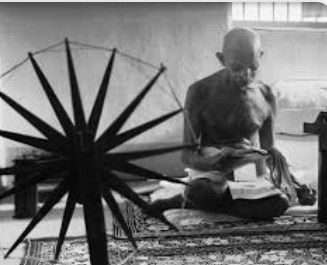
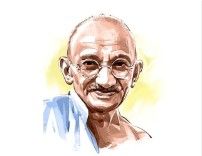
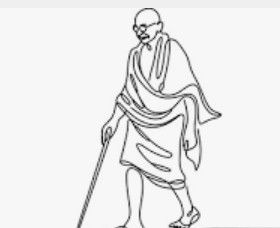
New Delhi, January 30, 2026: As the nation marks 78 years since the assassination of Mahatma Gandhi, reflections on his spiritual legacy continue to inspire dialogue across faith traditions. Among these, Gandhi’s engagement with Christianity stands out for its depth, sincerity, and lasting influence.


Though Gandhi remained a Sanatani Hindu throughout his life, he held a profound reverence for the teachings of Jesus Christ. He repeatedly acknowledged that Christian ethics—especially the message of love, self-sacrifice, and non-violence—shaped the very core of his philosophy of Satyagraha. At the same time, he distinguished clearly between the message of Christ and what he described as the failures of institutional Christianity.
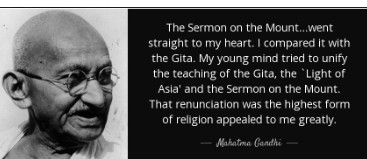
Central to Gandhi’s appreciation of Christianity was the Sermon on the Mount. He once remarked that its words “went straight to my heart,” especially the call to “turn the other cheek.” For Gandhi, this teaching was not passive resignation but a powerful moral force, forming the spiritual foundation of non-violent resistance. He regarded Jesus as one of the greatest teachers of humanity and honoured him as a “Prince of Satyagrahis,” deeply moved by the love and self-suffering symbolised by the Cross.


Gandhi was also influenced by Christian thinkers, particularly the Russian writer Leo Tolstoy. Tolstoy’s The Kingdom of God Is Within You strengthened Gandhi’s understanding of Christian non-resistance, universal love, and the inner moral authority of conscience—values Gandhi sought to live and apply in public life.
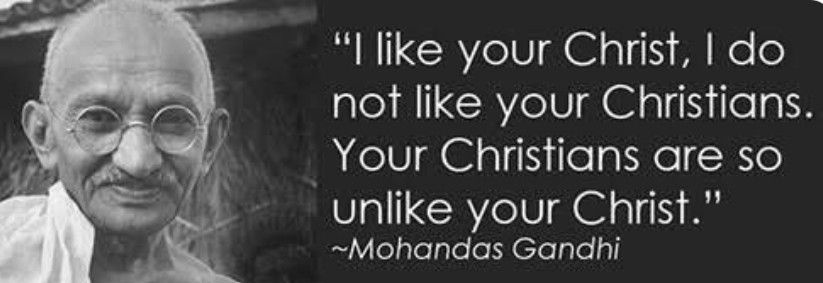
Alongside admiration, Gandhi offered a candid critique of Christians and the Church. His well-known observation, “I like your Christ, I do not like your Christians,” reflected his disappointment that many believers, especially in the West, failed to live according to Jesus’ teachings. He criticised Christian nations for preaching peace while engaging in war, racial discrimination, and colonial exploitation. His own experience in South Africa, where he was refused entry to a church because of his race, led him to conclude that Christianity, in practice, was often burdened by prejudices similar to caste divisions.
Gandhi also opposed aggressive proselytisation, arguing that conversion should not be driven by material inducements. He believed that true religious witness lay in helping individuals become better followers of their own faith traditions, rather than replacing one religious identity with another.
Despite his criticisms, Gandhi’s life and thought profoundly influenced modern Christianity. Christian leaders such as Martin Luther King Jr. drew inspiration from Gandhi’s application of Jesus’ love to social and political struggle. Missionaries like E. Stanley Jones observed that Gandhi, though not a Christian by name, embodied the spirit of Christ with remarkable authenticity.
On this anniversary of his martyrdom, Gandhi’s reflections on Christianity remain a challenge and an invitation—calling believers not only to profess faith, but to live it with integrity, humility, and love.
By Catholic Connect Reporter


© 2026 CATHOLIC CONNECT POWERED BY ATCONLINE LLP