- 14 July, 2026
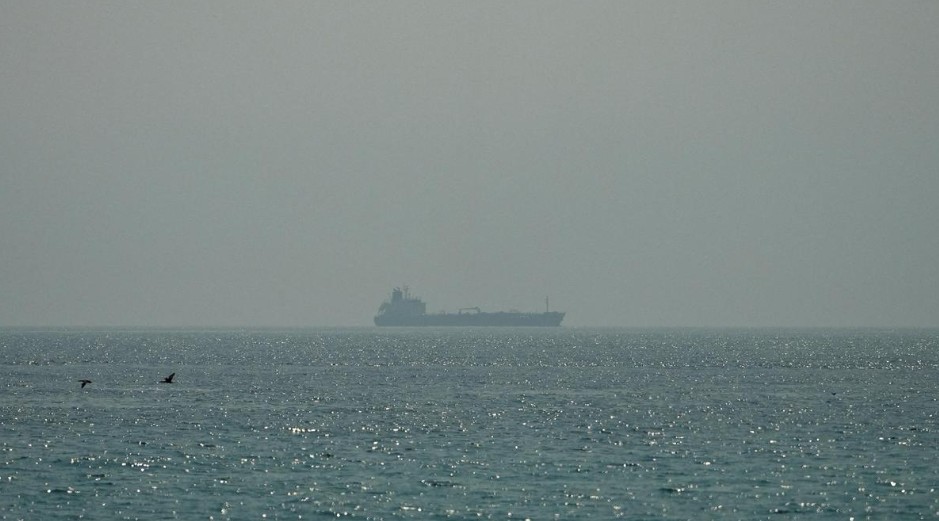
Dubai, July 14, 2026: An Indian sailor was killed and six other Indian crew members injured after two United Arab Emirates (UAE) oil tankers were struck by Iranian cruise missiles while transiting the Strait of Hormuz, raising fresh concerns over the safety of commercial shipping and the growing humanitarian cost of the escalating conflict in the Gulf.


According to the UAE Ministry of Defence, the tankers Mombasa and Al Bahiyah were hit in the southern shipping lane of the Strait of Hormuz in Omani territorial waters. The missile strikes triggered fires aboard both vessels, but crew members managed to contain the blaze before it spread further.
Besides the Indian sailor who lost his life, six Indian nationals and two Ukrainian crew members sustained injuries, with four reported to be in serious condition.


The UAE condemned the attack as a "blatant act of aggression" and said it reserved the right to take all necessary measures to safeguard its territory, citizens, and maritime interests.
The attack marks a significant escalation in regional hostilities following renewed military confrontation between Iran and the United States. The Strait of Hormuz, through which nearly one-fifth of the world's oil and natural gas supplies pass, remains one of the most strategically important waterways for global trade and energy security.
News of the missile strike sent Brent crude oil prices sharply higher, reflecting fears that continued instability could disrupt global energy supplies and increase fuel prices worldwide.
The United Kingdom Maritime Trade Operations (UKMTO) also reported that another commercial vessel northeast of Oman's Qalhat had been struck by an unidentified projectile, damaging its engine room. All crew members aboard that vessel were reported safe. Authorities have not confirmed whether the incident was linked to the attacks on the UAE tankers.
The latest violence comes after fresh U.S. military operations against Iranian targets. Washington has pledged to maintain security in the Strait of Hormuz, while Tehran has continued to reject any foreign control over the strategic waterway.
The death of the Indian seafarer has drawn attention to the risks faced by thousands of Indian nationals serving on merchant vessels operating in conflict-prone regions. India is among the world's largest suppliers of seafarers to the international shipping industry, many of whom work aboard oil tankers navigating volatile maritime routes.
For the Church, the tragedy is a reminder of the vulnerability of seafarers, who often work far from their families under hazardous conditions. Catholic ministries such as the Apostleship of the Sea (Stella Maris) have long accompanied seafarers through pastoral care, advocating for their safety, dignity, and welfare.
As diplomatic efforts continue to prevent a wider conflict, the international community has renewed calls for restraint and dialogue to protect civilian lives, preserve freedom of navigation, and prevent further escalation in a region vital to global peace and economic stability.
Courtesy The Hindu
Photo Credit: Reuters

© 2026 CATHOLIC CONNECT POWERED BY ATCONLINE LLP