- 16 June, 2026

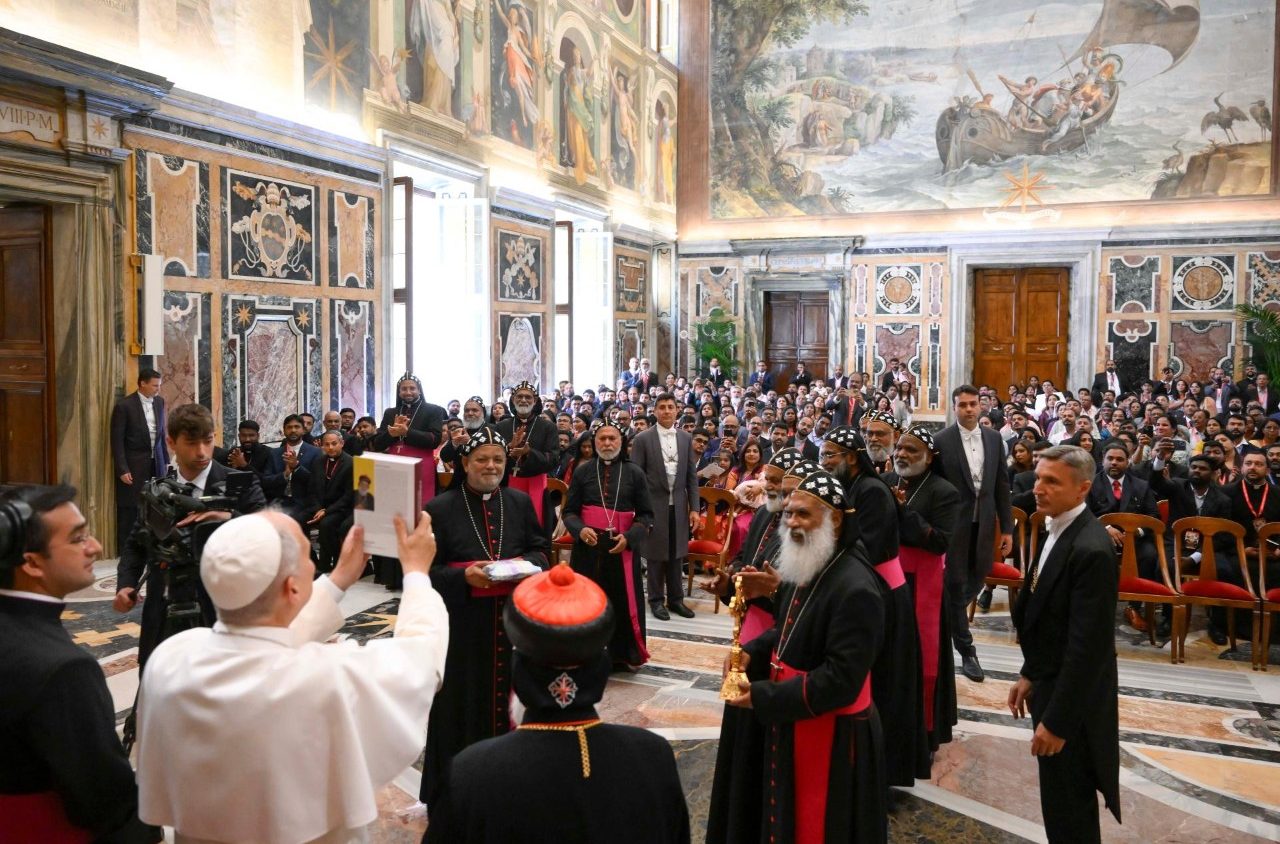
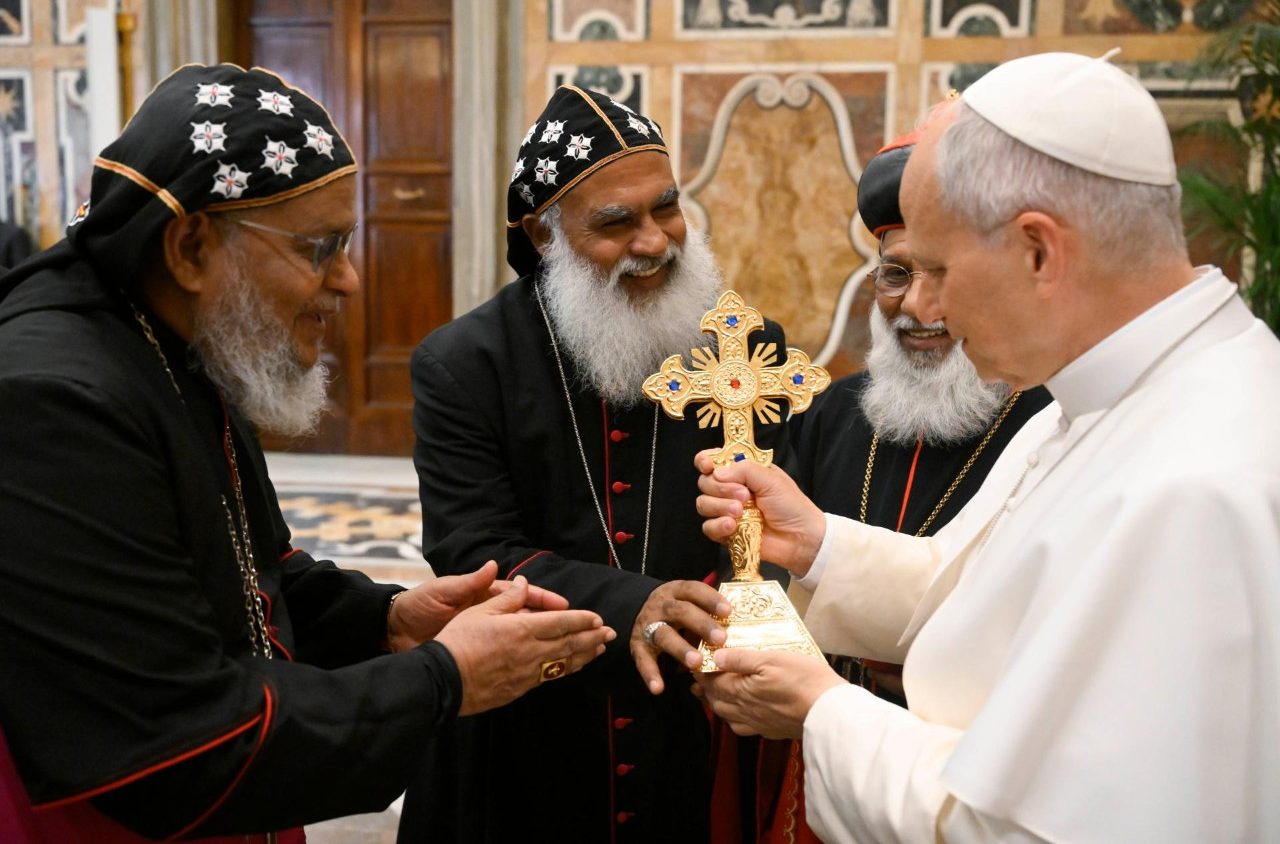
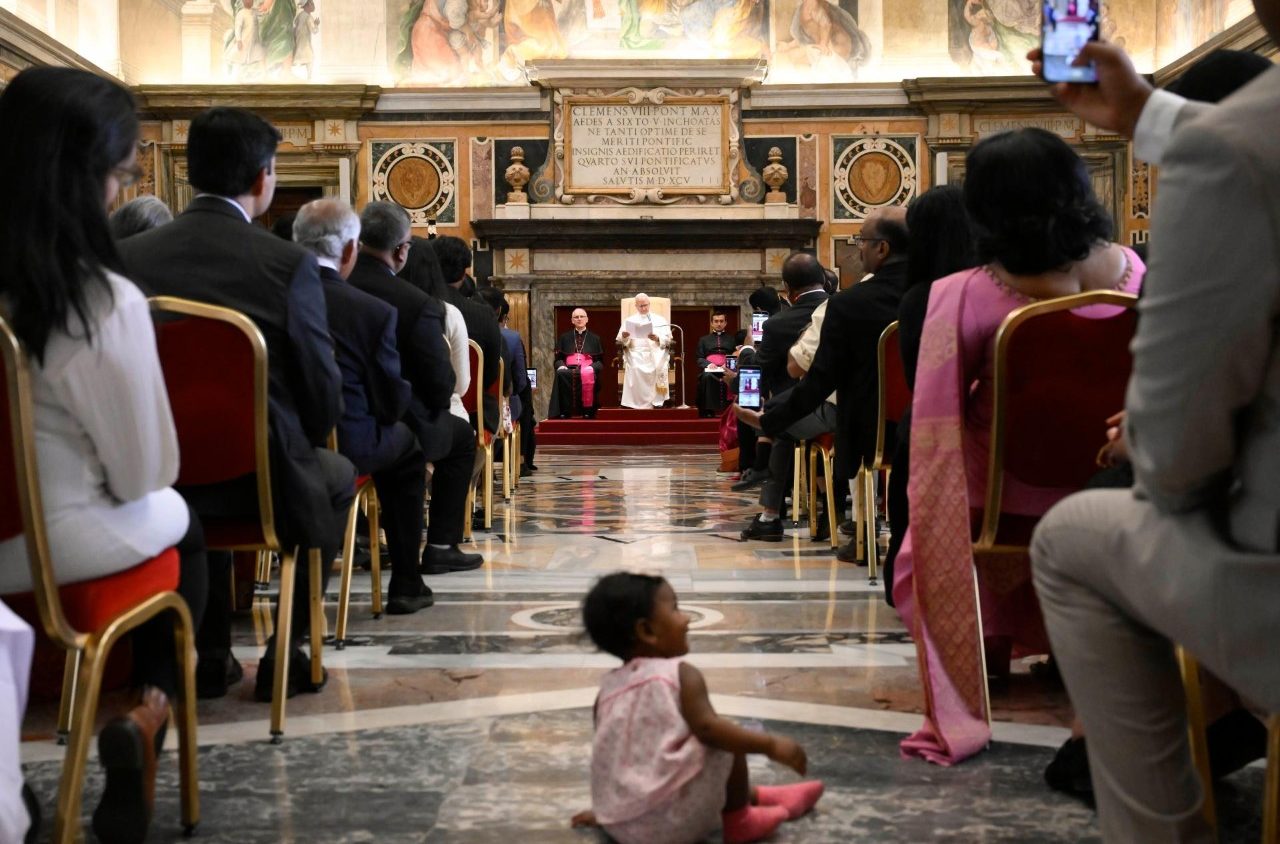
Vatican City, June 15, 2026: The Catholic Church is a family of diverse traditions united by one faith, one baptism and communion with the Successor of Saint Peter. Among its most vibrant Eastern Catholic communities is the Syro-Malankara Catholic Church, a Church with deep roots in India’s ancient Christian heritage and a close relationship with the Roman Catholic Church.


As the Syro-Malankara Catholic Church prepares to celebrate the centenary of its full ecclesial communion with the Catholic Church, Pope Leo XIV has encouraged its faithful around the world to remain faithful to their spiritual heritage while becoming “messengers of hope”.
Addressing clergy, religious and faithful during the first convention of Syro-Malankara Catholics living in Europe, the Pope highlighted the importance of preserving Eastern Christian traditions while strengthening unity within the universal Church.
The relationship between the Roman Catholic Church and the Syro-Malankara Church is a story of reconciliation, renewed communion and a shared mission to proclaim the Gospel.


The roots of the Syro-Malankara Church go back to the ancient Christian communities of India, traditionally connected to the missionary journey of Saint Thomas the Apostle, who is believed to have arrived on the Malabar Coast in the first century.
Over centuries, these Christians developed a distinct Eastern Christian identity influenced by the Syriac tradition. Their liturgy, spirituality and theological expressions were shaped by the East Syrian and later West Syrian traditions.
However, historical developments, particularly after European missionary influence reached India, created periods of tension and separation among Saint Thomas Christians.
In the 17th century, sections of the community separated from communion with Rome following disputes over ecclesial authority and Latin influence. Over time, different Christian communities emerged, including the Malankara Orthodox Syrian Church and other Malankara traditions.
A major turning point came in the early 20th century through the leadership of Venerable Mar Ivanios. A former bishop of the Malankara Orthodox tradition, Mar Ivanios sought reconciliation and unity with the Catholic Church while preserving the Eastern Christian heritage of his community.
In 1930, Mar Ivanios and several bishops, priests and faithful entered into full communion with the Catholic Church. This historic event laid the foundation for the Syro-Malankara Catholic Church.
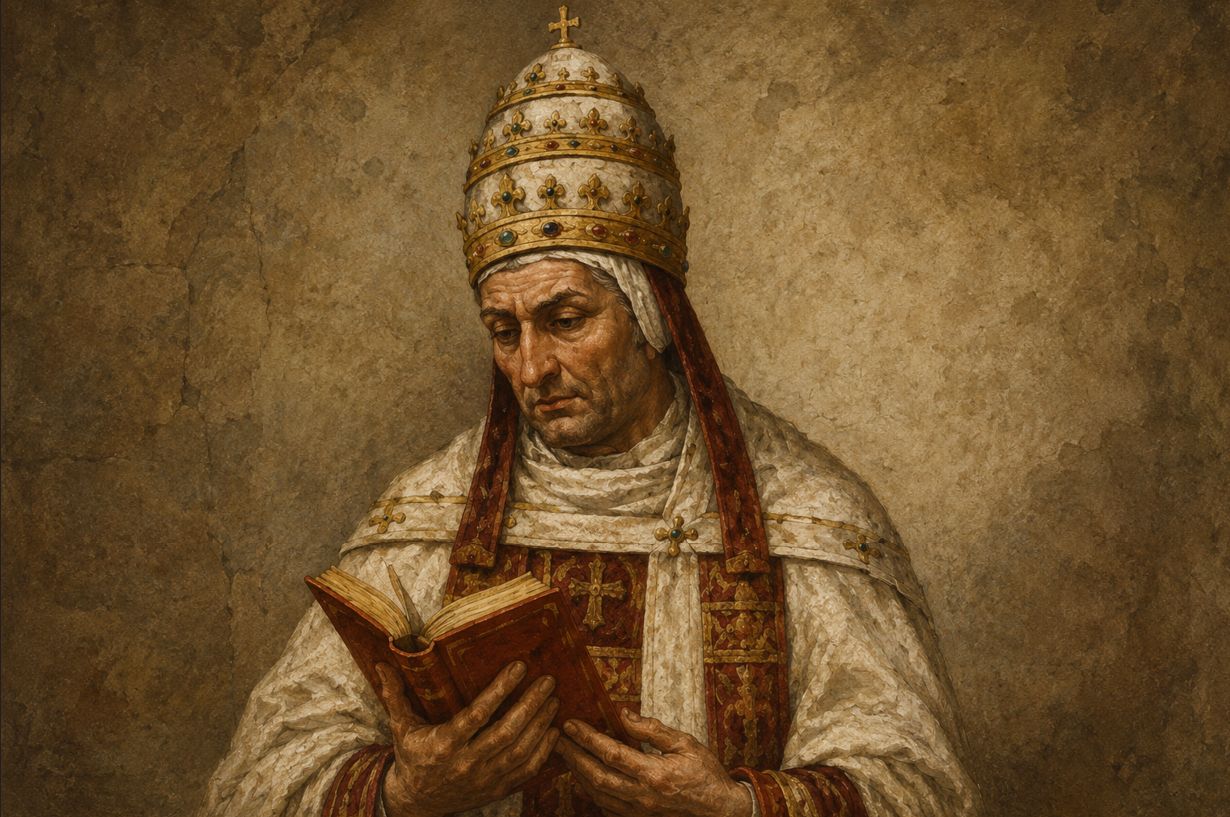
Pope Pius XI later established the Syro-Malankara hierarchy through the Apostolic Constitution Christo Pastorum Principi in 1932, officially recognising the Church as part of the Catholic communion.
Pope Leo XIV recently praised this journey, describing Mar Ivanios as a “true Shepherd after the Heart of Jesus” who desired a Church that would be “a sign of unity and communion”.
Although the Roman Catholic Church and Syro-Malankara Catholic Church have different traditions, they share the essential teachings of Catholic Christianity.
Both Churches believe in:
The strongest bond between the two Churches is their unity with the Pope as the successor of Saint Peter and the visible sign of worldwide Catholic unity.
Both traditions celebrate the seven sacraments, including:
The Eucharist remains the centre of worship and spiritual life in both Churches.
Both Churches uphold the authority of Sacred Scripture, Sacred Tradition and the teaching authority of the Church.
The Roman Catholic and Syro-Malankara Churches share a commitment to spreading the good word, education, healthcare, social justice and service to the poor.
Pope Leo XIV highlighted this shared mission, describing the Syro-Malankara Church as “a beacon of evangelical energy and apostolic charity” because of its contribution to education, social development and care for those on the margins.
While united in faith, the Roman Catholic and Syro-Malankara Churches have important differences, especially in liturgy and spirituality.
The Roman Catholic Church follows the Latin or Roman Rite, which developed primarily in Western Europe.
The Syro-Malankara Catholic Church follows the West Syriac Rite, an ancient Eastern tradition connected to the early Christian communities of the Middle East.
The differences can be seen in:
Syro-Malankara worship places strong emphasis on ancient Syriac prayers, symbolism and mystical expressions of faith.
The Roman tradition often highlights Western theological expressions, while the Syro-Malankara tradition carries the spirituality of Eastern Christianity, including deeper emphasis on mystery, contemplation and ancient liturgical symbolism.
These differences, however, are not divisions of faith but expressions of the richness within the Catholic Church.
The Catholic Church continues to encourage Eastern Catholic communities to preserve their identity while remaining united with the wider Church.
Pope Leo XIV has particularly emphasised the importance of protecting Eastern traditions among diaspora communities living outside India.
During his meeting with Syro-Malankara faithful in Europe, he highlighted the need for local Churches to support Eastern Catholics in maintaining their traditions while enriching the communities where they live.
The Vatican has established structures to support Syro-Malankara Catholics internationally, including pastoral arrangements in countries such as the United States, Canada and Europe.
The appointment of Bishop Mar Osthathios as the first full-time Apostolic Visitator for Syro-Malankara Catholics in Europe reflects the Church’s commitment to ensuring that migrants and future generations remain connected to their spiritual heritage.
The relationship between Latin and Eastern Catholic communities is increasingly seen not as a challenge but as an opportunity for mutual enrichment.
The Roman Catholic Church offers the strength of its global presence, while the Syro-Malankara Church contributes the beauty of its ancient Eastern spirituality.
The relationship between the Roman Catholic and Syro-Malankara Churches represents the beauty of Catholic unity — where different traditions can exist together while sharing the same faith in Christ.
As the Syro-Malankara Church approaches its centenary of full communion, its journey serves as a reminder that unity does not require uniformity. Instead, the Church grows stronger when different traditions bring their unique gifts to the same mission.
Inspired by the vision of Mar Ivanios and encouraged by Pope Leo XIV, Syro-Malankara Catholics are called to remain rooted in their heritage while becoming witnesses of hope in today’s world.
Together, the Roman Catholic and Syro-Malankara Churches continue to demonstrate that diversity in worship and tradition can become a powerful expression of thePope Pius XI in 1932 universal Church — united in Christ, strengthened by faith and committed to serving humanity.
Courtesy Vatican News
Picture Courtesy @VATICAN MEDIA
© 2026 CATHOLIC CONNECT POWERED BY ATCONLINE LLP