- 08 August, 2026

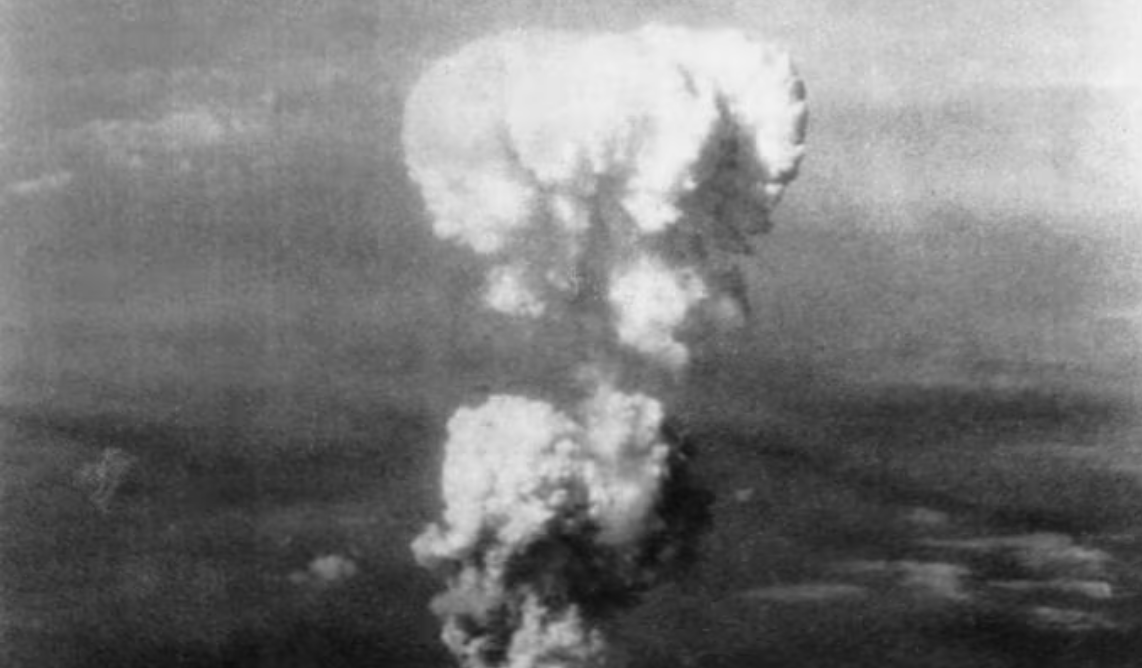
Japan, August 8, 2026: Eighty-one years after the atomic bomb devastated Hiroshima, the Catholic Church in Japan is once again turning to prayer, remembrance and a renewed call for peace.


Bishop Alexis Shirahama of Hiroshima has opened a 75-hour vigil for peace, linking Hiroshima with Nagasaki, Rome and New York. The prayer relay will continue until precisely 11.02 a.m. on Sunday, the moment when the second atomic bomb struck Nagasaki on 9 August 1945.
The vigil is a solemn reminder of the terrible human cost of nuclear weapons and a call to ensure that the suffering of Hiroshima and Nagasaki is never forgotten.


The Diocese of Hiroshima began its annual commemoration with Mass at 8 a.m. on Thursday at the World Peace Memorial Cathedral in the city's Noboricho district.
The Mass was offered for the victims of the atomic bombing and for all those who have died in war. It was celebrated at the hour when the diocese gathers each year, only minutes after the moment when the atomic bomb exploded over Hiroshima in 1945.
The 75-hour vigil has been organised in partnership with the Community of Sant'Egidio, the Rome-based Catholic lay movement known for its work in peace-building and diplomacy. Members of the Focolare Movement, parishioners and volunteers are also participating.
Sant'Egidio has organised the annual vigil since 2022, bringing together people from different parts of the world in prayer for peace.
The commemoration also takes place on 6 August, the feast of the Transfiguration, adding a spiritual dimension to a day already marked by profound historical significance.
Bishop Shirahama and Marco Impagliazzo, president of the Community of Sant'Egidio, have connected this year's commemoration with Pope Leo XIV's call for the common good in his first encyclical, Magnifica Humanitas.
In their joint message, they reflected on Pope Leo's appeal for a peace that is “disarming, humble, and persevering”.
Those words, first spoken by Leo from the loggia of St Peter's Basilica shortly after his election in May 2025, have particular meaning in Hiroshima.
The vigil invites people to receive the peace of the risen Christ while remembering a city that became one of history's most devastating symbols of war.
Three chapels are open to the public during the event: the crypt of the cathedral in Hiroshima, the Chapel of the Sacred Hearts of Jesus and Mary in New York, and the Basilica of Santa Maria in Trastevere in Rome.
The prayer is also being livestreamed, allowing people around the world to participate. Intentions submitted from different countries are being read aloud during the vigil.
For Japanese Catholics, the Hiroshima anniversary also marks the beginning of the annual “Ten Days for Peace”. The period of prayer and penance continues until 15 August, the anniversary of Japan's surrender at the end of the Second World War.
The observance has its roots in the visit of Pope John Paul II to Hiroshima in 1981. During his historic visit, he issued his Appeal for Peace and urged the world to recognise the memory of Hiroshima as a rejection of nuclear war.
The Catholic Church's opposition to nuclear weapons has continued through subsequent pontificates.
In his 2006 World Day of Peace message, Pope Benedict XVI warned against dependence on nuclear weapons, describing it as dangerous and misguided. He stressed that a nuclear war could have “no victors, only victims”.
Pope Leo XIV has likewise called for the elimination of nuclear weapons, giving renewed urgency to the Church's long-standing appeal for disarmament.
The remembrance of Hiroshima and Nagasaki is also being taken beyond Japan.
Pax Christi International, a Catholic peace movement, is working with the Hiroshima Coventry Club on the “Lanterns for Peace: From Hiroshima to the World” campaign.
The initiative encourages communities across the world to organise lantern ceremonies marking the anniversaries of the atomic bombings on 6 and 9 August 1945.
The lanterns symbolise remembrance for those who died, hope for reconciliation and peace, and a commitment to the abolition of nuclear weapons.
In an increasingly fragile world, organisers say the commemorations are not simply moments of mourning. They are also calls to conscience.
Participating communities are encouraged to adapt the ceremonies to their own circumstances while remaining united by common symbols, prayers and commitments.
Where permitted and safe, ceremonies may include floating lanterns, moments of silence or prayer, and readings from the testimonies of survivors.
The memory of Hiroshima carries a question that remains deeply relevant: what will humanity do with the lessons of history?
The atomic bombings belong to the past, but nuclear weapons remain part of the present. The continued existence of these weapons means that the possibility of another catastrophe cannot simply be dismissed as history.
For the Catholic Church and peace organisations involved in these commemorations, remembrance must lead to responsibility.
Prayer does not erase the past. Nor can a lantern undo the suffering of those who died. But prayer can change the hearts and consciences of those who remember. It can encourage people to reject violence, seek dialogue and work for a world in which the destruction witnessed at Hiroshima and Nagasaki is never repeated.
As prayers rise from Hiroshima, Nagasaki, Rome, New York and communities around the world, the victims of the atomic bombings are being remembered not as distant figures in history, but as human beings whose lives mattered.
The lanterns that float upon the water are small lights, but their message is immense.
They speak of grief, hope and reconciliation. Above all, they speak of the responsibility of each generation to protect the next.
Eighty-one years after Hiroshima, the world still needs that message.
Remember the victims. Pray for peace. Work for a world without nuclear weapons.
Courtesy : EWTN
Photo Courtesy : Bernard Waldman/Public domain via U.S. government


© 2026 CATHOLIC CONNECT POWERED BY ATCONLINE LLP