- 17 August, 2026

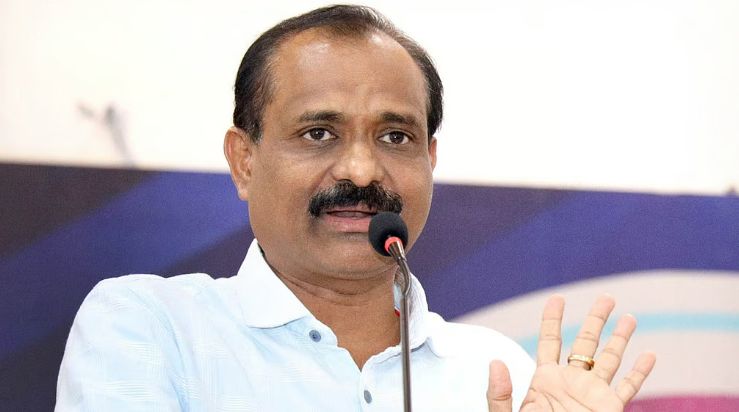
Thiruvananthapuram , AUGUST 17, 2026: Thiruvananthapuram Mayor V. V. Rajesh’s recent visit to the United States, including meetings aimed at strengthening cooperation with Missouri City, has prompted disability activist and social worker George Abraham to reflect on the meaning of religious freedom and constitutional liberty.


A lesson in religious freedom
In an open letter, Abraham welcomed the Mayor’s efforts to learn from international experiences and expressed hope that his visit would also offer an opportunity to reflect on the freedoms enjoyed by religious communities in the United States.
Abraham particularly referred to Rajesh’s visit to the Guruvayurappan Temple in Houston, where he was able to participate in a religious gathering without facing protests, intimidation or questions about his patriotism.


Religious liberty belongs to everyone
According to Abraham, the experience offers an important point of reflection for India. Hindu Americans are able to establish temples, conduct religious gatherings, practise their faith and invite religious or political figures without being required to demonstrate that their religious activities are compatible with their national loyalty.
The same constitutional principles, he argues, protect people belonging to different faiths and those with no religious belief.
The central message of the letter is that religious freedom cannot be meaningful if it is defended only when it benefits one's own community.
“Freedom has no nationality,” Abraham writes, arguing that the liberties enjoyed by Indians abroad should also be respected when minorities exercise them in India.
Concerns over proposed FCRA changes
Abraham connects his argument about religious liberty with concerns surrounding proposed amendments to the Foreign Contribution (Regulation) Act, or FCRA.
He says minority and charitable organisations have expressed concern about provisions relating to assets created using foreign contributions when an organisation's FCRA registration is cancelled, surrendered, expires or is not renewed.
Many charitable institutions supported through such funding operate schools, colleges, hospitals, orphanages and other social-service initiatives. Abraham questions whether regulatory action against an organisation could ultimately affect institutions and assets that have served generations of Indians.
He argues that the origin of funding should not determine the value of an institution's public service.
“A school does not cease educating Indian children because some of the money that built it came from abroad,” he writes, while making a similar argument about hospitals and other charitable institutions.
Constitutional values and India's democratic tradition
The letter also invokes the constitutional vision associated with leaders such as Jawaharlal Nehru and B. R. Ambedkar, who studied democratic systems and political ideas from different parts of the world while helping shape independent India's institutions.
For Abraham, principles such as liberty, equality, constitutional government and freedom of conscience should not be dismissed as foreign simply because they are also strongly defended in Western democracies.
He therefore appeals to Rajesh to carry these lessons back to India and, where possible, communicate the concerns surrounding religious freedom and FCRA reforms to the country's political leadership.
‘Room for religious freedom’
Abraham concludes his letter on a lighter but pointed note, wishing Rajesh success with the agreements reached during his American visit.
He suggests that if the Mayor can bring home useful lessons in technology and development, there should also be “room in the suitcase for a little religious freedom”.
The letter ultimately presents religious liberty not as a privilege belonging to one community, but as a constitutional principle whose strength depends on being extended equally to all.
Courtesy : George Abraham (The Wire)
© 2026 CATHOLIC CONNECT POWERED BY ATCONLINE LLP