- 27 June, 2026

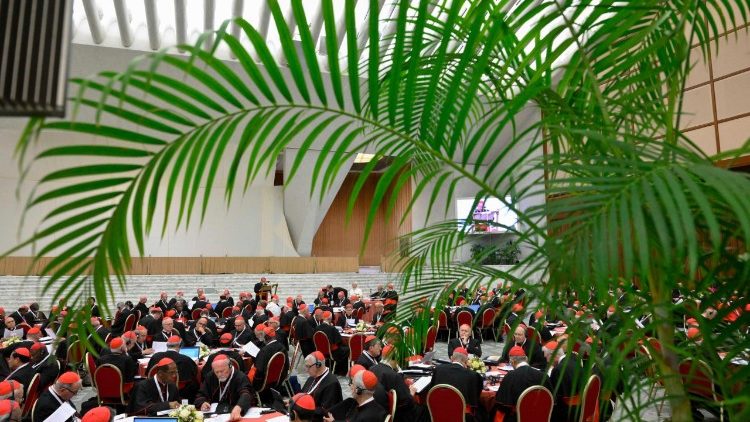
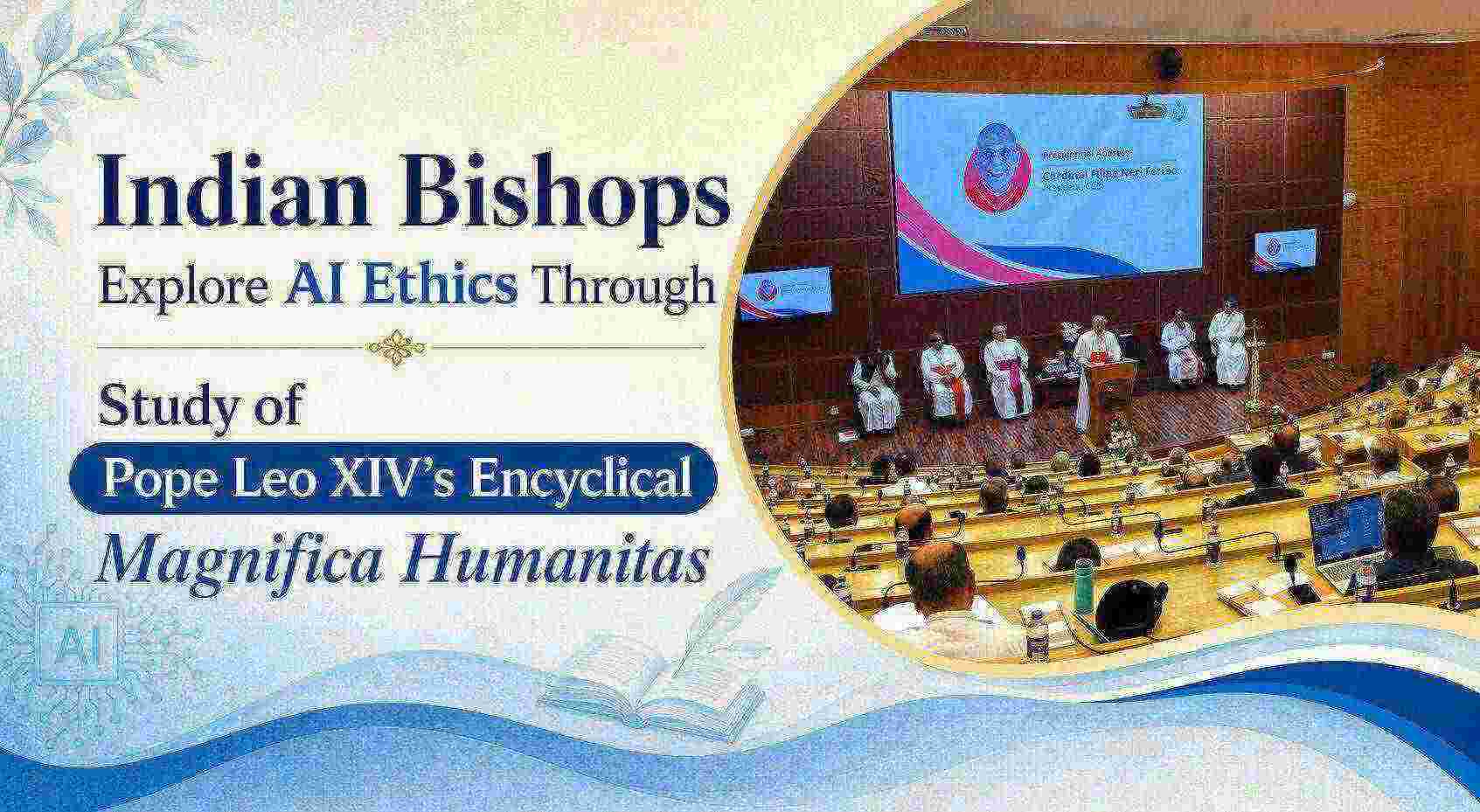
Vatican, June 27, 2026: A renewed call for peace and a "civilisation of love" marked the conclusion of the first day of the Extraordinary Consistory on June 26, as cardinals urged the Church to move beyond the logic of the "just war" doctrine and instead affirm the right to proportionate self-defence. The afternoon session, held in the Paul VI Hall, focused on Chapter Five of Pope Leo XIV's encyclical Magnifica Humanitas .


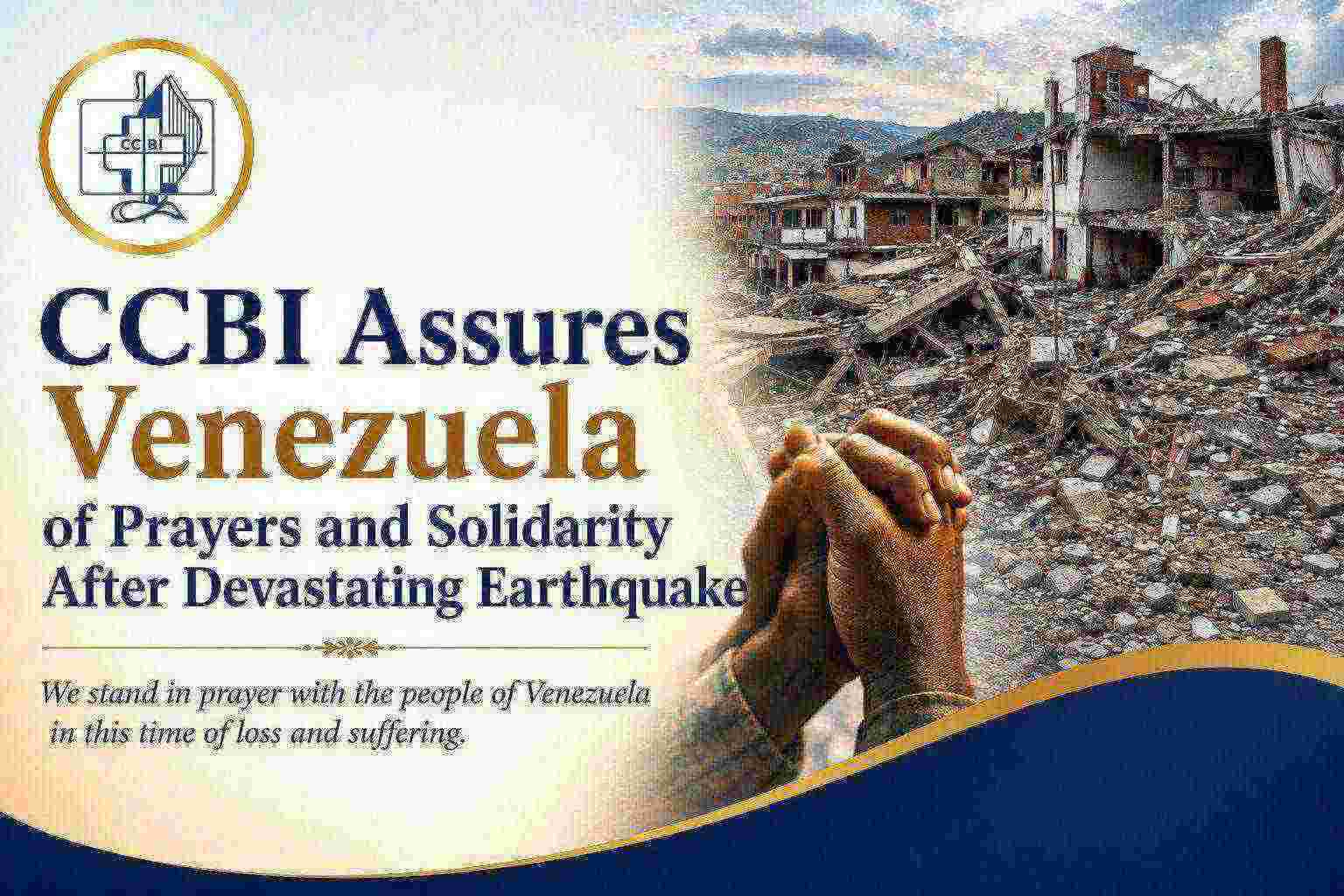
The session opened with prayers for the "painful situation in Venezuela" and for the victims of the recent earthquake. Moderated by Cardinal Pablo Virgilio Siongco David, it began with a common prayer before Cardinal Víctor Manuel Fernández, Prefect of the Dicastery for the Doctrine of the Faith, delivered the introductory address. Pope Leo XIV attended the opening of the session and later returned for the plenary meeting.
Church Called to Build a Civilisation of Love
The assembly heard reports from 11 discussion groups—eight from the first set and three from the second—which reflected on today's global challenges. According to a statement released by the Holy See Press Office, the groups highlighted "the dehumanising force of the culture of power, its universal reach, the temptation to conform to the logic of the powerful, and the normalisation of war and polarisation, which lower society's tolerance for violence and encourage dangerously simplistic approaches to resolving conflicts."


Against this backdrop, the participants stressed the Church's responsibility to build peace and foster a civilisation of love. They emphasised the need for the Church to offer a credible witness through a language rooted in listening, forgiveness, reconciliation, restorative justice and concrete gestures. Such an approach, they said, can reach those affected by conflict, acknowledge the wounds caused by war and encourage unity within the Church.
The discussions also underlined that unity within the Church is essential to its credibility. Participants highlighted the importance of dialogue with other faiths and religions, particularly Islam, and noted that in a world increasingly marked by the globalisation of indifference, every person has a responsibility to help build peace.
The groups reaffirmed the central place of faith in Christ and the Gospel, emphasising that the Gospel transforms the world when it is lived rather than treated merely as theory. They also reflected on the Church's unique vocation, noting that some situations can only be addressed through God's intervention. Several groups pointed to the Church's work in the Holy Land and Eastern Europe as examples.
Cardinals Reflect on Peace, Evangelisation and the Church's Witness
The discussion also examined the role of political authority, calling for it to be freed from what participants described as its toxic relationship with economic power. Other topics included the family, education, the challenge of moving beyond demands for immediate solutions and the need for bold evangelisation. Several groups also highlighted the contribution of the Holy See's diplomacy and papal nuncios in ensuring that the Church's voice continues to be heard.
Many participants stressed the need to move beyond the logic of just war, noting that the Gospel cannot be imposed by force and instead advocating for the right to proportionate self-defence.
The cardinals expressed deep gratitude to Pope Leo XIV for the encyclical, his condemnation of armed conflicts and his repeated appeals for peace. They also reflected on the Petrine ministry (munus petrinum) as a guarantee of the Church's independence from political authority and highlighted the importance of symbolic gestures that can visibly promote peace.
The session concluded with personal interventions from several cardinals. Some expressed appreciation for the opportunity for dialogue provided by the Consistory and reaffirmed the importance of working with leaders of other religions to promote a civilisation of love.
Others referred to the positive response generated by the Pope's acknowledgement in the encyclical of the Church's delayed condemnation of slavery, saying that his words had opened hearts.
The cardinals also observed that the encyclical calls the College of Cardinals to assume greater responsibility for promoting peace, including through symbolic initiatives such as the World Day of Prayer for Peace convened by St. John Paul II in Assisi in 1986.
At around 7:30 p.m., Pope Leo XIV returned to lead the closing prayer, bringing the first day's session of the Extraordinary Consistory to a close.
Courtesy: Vatican News

© 2026 CATHOLIC CONNECT POWERED BY ATCONLINE LLP