- 12 June, 2026

Japan, April 7, 2026: Discover the connection between Catholic missionaries and Japan’s famous tempura. Here is the surprising story of how Catholic fasting traditions shaped one of Japan’s most iconic dishes.


In a fascinating intersection of faith, culture, and cuisine, one of Japan’s most iconic dishes—Tempura—traces its origins back to Catholic missionaries, revealing a lesser-known story of how the Church influenced global food traditions.
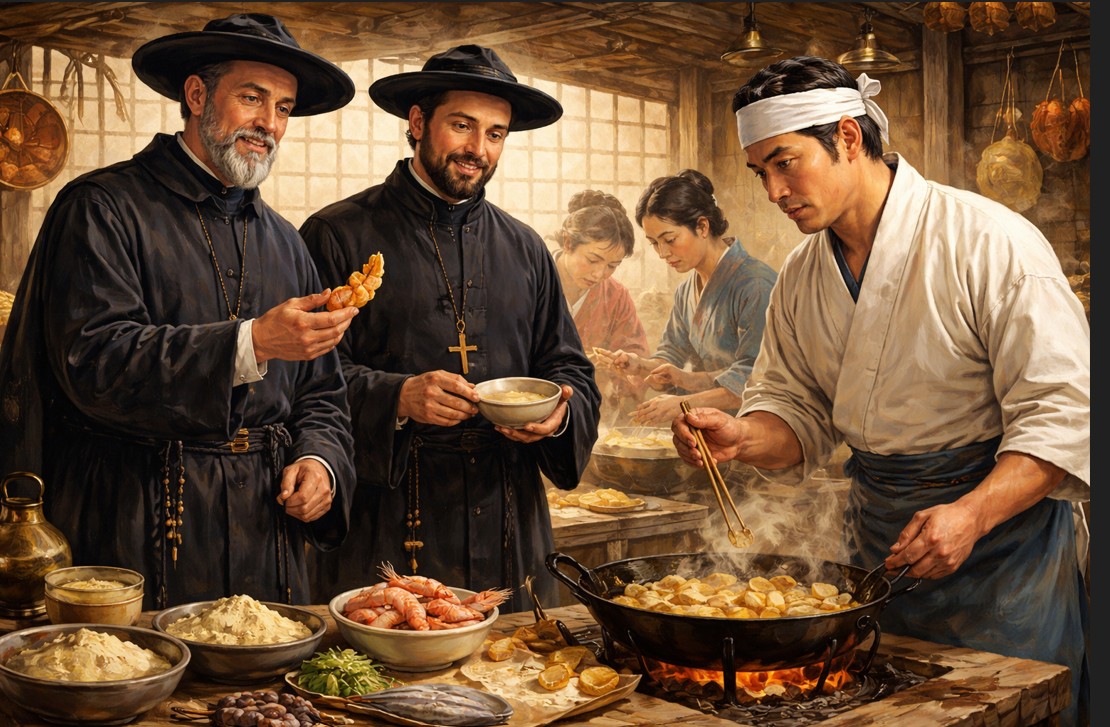
Historical evidence confirms that tempura was introduced to Japan in the 16th century by Portuguese Catholic missionaries who arrived in the port city of Nagasaki.
These missionaries brought with them not only the Christian faith but also culinary practices rooted in Catholic traditions—especially those linked to fasting and abstinence.


During seasons like Lent, Catholics abstain from meat and instead consume fish and vegetables. To make these simple foods more palatable, missionaries developed a method of coating them in batter and frying them—a technique that would later evolve into what we now know as tempura.
Interestingly, the word “tempura” itself is believed to come from the Latin term tempora, referring to specific times of fasting in the Catholic liturgical calendar.
This linguistic connection further strengthens the link between Catholic practices and the dish’s origin.
What began as a simple Lenten meal—similar to the Portuguese dish peixinhos da horta (fried vegetables)—was gradually embraced by the Japanese people.
Over time, Japanese cooks refined the recipe:
By the Edo period, tempura had transformed into a popular street food and eventually into a celebrated part of Japanese cuisine.
For the Catholic Church, this story is more than culinary history—it is a reminder of how faith travels through unexpected paths.
Missionaries who arrived to preach the Gospel also shared aspects of daily life, including food. In doing so, they became part of a cultural exchange that continues to shape societies even today.
Today, tempura is enjoyed across the world—from street stalls in Tokyo to fine dining restaurants internationally. Yet few realize that its roots lie in Catholic fasting traditions and the missionary presence in Japan.
This remarkable story stands as a quiet testimony to how the Church has influenced not only spiritual life but also cultural and social traditions across continents.
The journey of tempura—from a modest Lenten meal prepared by Catholic missionaries to one of Japan’s most beloved dishes—highlights a powerful truth:
Faith does not remain confined within church walls. It travels, adapts, and sometimes even finds expression in the most unexpected places—even on a dinner plate.
By Catholic Connect Reporter
__________________________
Relevant Keywords: Catholic priests Japan tempura history, Catholic missionaries Japan food, tempura origin Catholic Church, Nagasaki Christian history Japan, Catholic influence Japanese cuisine, Lent fasting food history, Church cultural influence Japan
© 2026 CATHOLIC CONNECT POWERED BY ATCONLINE LLP