- 06 April, 2026
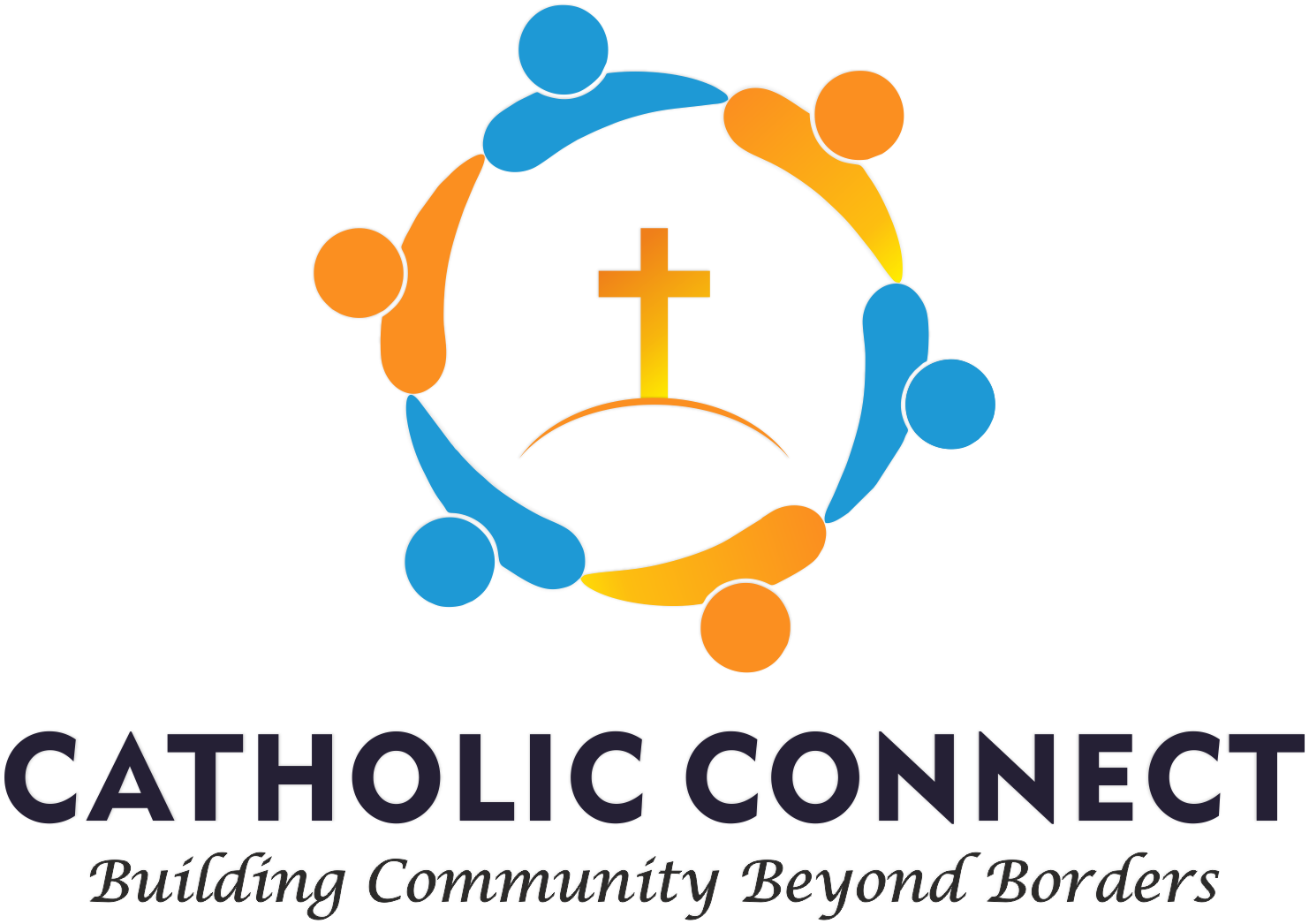

April 6, 2026: On the occasion of the launch of the Artemis II mission on April 1, 2026, the Caritas in Veritate Foundation released a video reflecting on space exploration and humanity’s responsibility toward it. In an interview with Vatican Media, Archbishop Ettore Balestrero shared insights on why space must remain a common good.

Q: Why is it important to think about rules and policies for space right now?
Archbishop Balestrero: Space is part of God’s creation, and it follows His laws. It is not an empty place where anyone can do whatever they want. Today, humanity is already making important decisions about space, and these decisions will affect our future. They can either help build a better world or harm it. That is why the Church believes it cannot stay silent on this issue.


Q: What kind of questions should we be asking about space exploration?
Archbishop Balestrero: We should ask ourselves: just because we can do something technologically, does it mean we should do it? And if we do it, how should we do it? What kind of world are we trying to build? These are moral and ethical questions, and they are just as important as scientific progress.
Q: What actions are needed to ensure space is used responsibly?
Archbishop Balestrero: Space must remain a common good, meaning it should benefit all people, not just a few. We need clear and updated laws that ensure responsibility toward everyone, including future generations. When we presented our ideas at the United Nations, astronaut Michael Scott Hopkins spoke about the “overview effect.”
Q: What is the “overview effect”?
Archbishop Balestrero: It is the feeling astronauts get when they see Earth from space. The planet looks small, fragile, and without borders. It reminds us that we all share one home. Sadly, when we return to Earth, we still see division, conflict, and violence. As Pope Benedict XVI once said, it is clear how absurd it is that we fight each other when we all live on the same Earth.
Q: How can the Church’s teachings guide space exploration?
Archbishop Balestrero: The Church reminds us not to turn space into a “jungle.” Space gives humanity a second chance to do things better than we have on Earth. We must act with responsibility, cooperation, and respect, so that space benefits both present and future generations.
Q: What legal framework already exists for space?
Archbishop Balestrero: The Outer Space Treaty is very important. It states that space should be used for the benefit of all countries and calls it the “province of all humankind.” Around 120 countries have signed it. The Church encourages strengthening these laws, not ignoring them, and working together on issues like removing space debris.
Q: Is there a danger of conflict or militarization in space?
Archbishop Balestrero: Yes, there is a real risk. While nuclear weapons are banned in space, other types of weapons and activities like cyberattacks or signal interference are not clearly restricted. Some countries are already moving in this direction. If conflict reaches space, it could affect everyone on Earth. That is why many people believe space should remain peaceful.
Q: Can competition in space still be positive?
Archbishop Balestrero: Competition is not bad, but it must be balanced with cooperation. Without cooperation, competition can lead to conflict. When balanced properly, it can encourage research and innovation that benefits everyone. Space technology can help in areas like disaster response, communication, agriculture, and healthcare, especially for communities that are often left behind.
Q: How can science and faith work together in space exploration?
Archbishop Balestrero: Science explains how things work, while faith helps us understand why we do them. They do not contradict each other. Instead, they support each other. In space exploration, this means using science responsibly and ensuring that progress does not lead to harm or domination.
Q: What role can the Holy See play in this discussion?
Archbishop Balestrero: The Holy See can guide global discussions by promoting human dignity and responsibility. Through its presence in international forums, it encourages cooperation and ethical decision-making. It also supports dialogue through events and publications, reminding the world that space should remain a shared responsibility for all humanity.
As humanity looks toward missions like Artemis III, the message is clear: space exploration must not only advance technology but also protect the common good of all people.
Courtesy: Vatican News


© 2026 CATHOLIC CONNECT POWERED BY ATCONLINE LLP