- 03 August, 2026

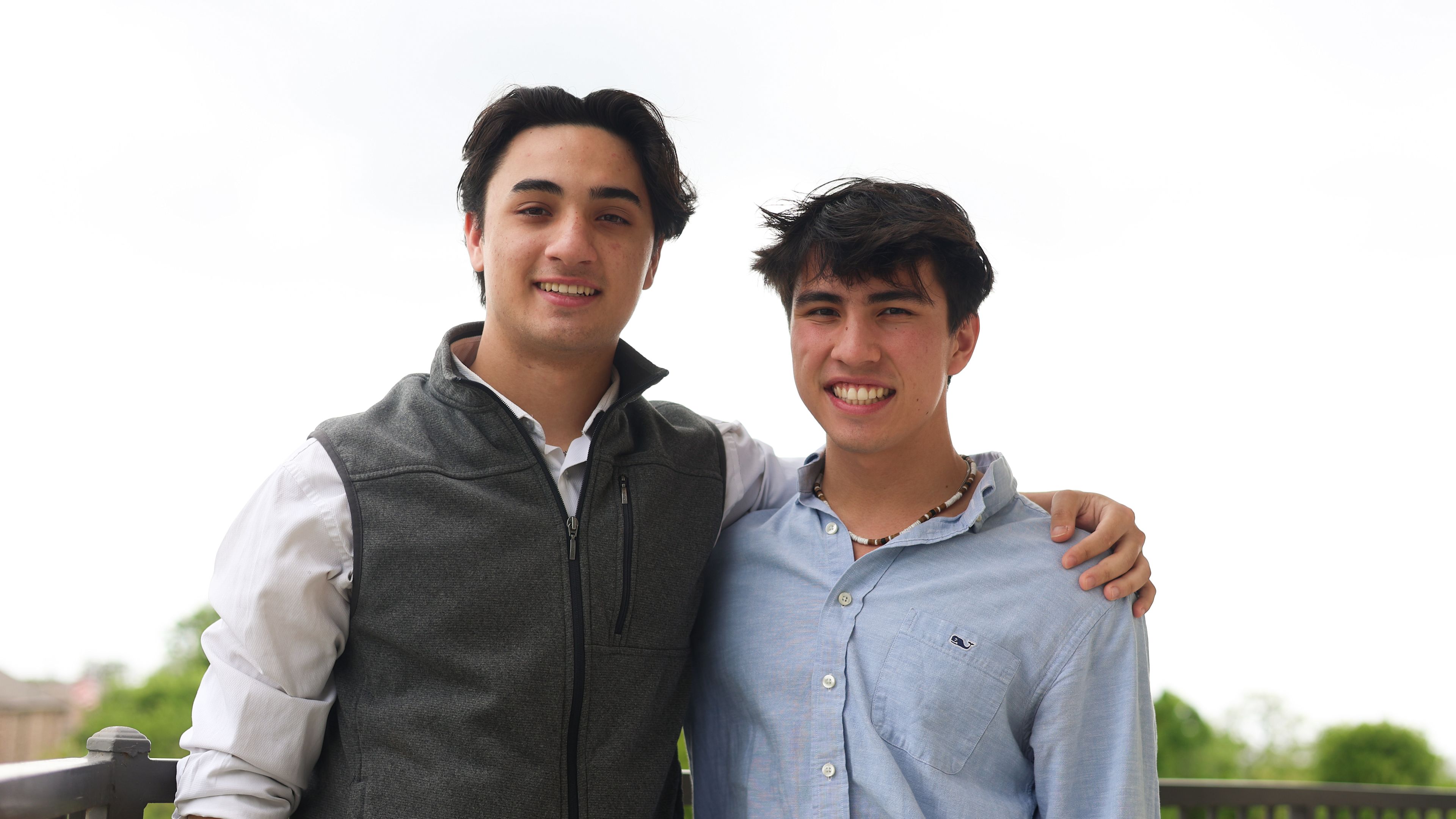
US, April 17, 2026: Two brothers have created a new AI platform named Acutis AI, designed as a search tool guided by Catholic morality and teaching.


As artificial intelligence continues to transform the world around us, two college students are working to offer an AI platform rooted in the teachings of the Catholic Church.
The platform also allows parents to supervise their children’s conversations, impose time restrictions, and receive alerts when sensitive or concerning topics arise.


In an interview with EWTN News, Peter Cooney explained that after he and his brother experimented with several existing AI platforms, they noticed two common concerns: answers related to moral issues tend to be neutral, and the platforms can foster dependency among young users.
He shared that while testing ChatGPT, he asked for its opinion on abortion — whether it was acceptable to have one and if it could affirm such a decision.
“Itʼll say, ‘Yes, absolutely. I can affirm this. You made the best decision you could, etc., etc.,” Cooney said. “Thatʼs directly contrary to Church teaching. So, I think that’s the first big issue is that they try to be neutral, but at their core theyʼre not aligned with Church teaching and all the big platforms just have a small team of people who make all these moral decisions.”
Speaking about user dependency, Cooney said: “I think a lot of parents have realised at this point the dangers of social media for their children, and so theyʼve become much more cautious about social media. But, I think very few parents … are aware of the huge threat that AI companions and chatbots can pose to their kids because theyʼre built to hook users and keep them engaged.”
“I think this is especially problematic for young people — like children [or] teenagers — because their brains arenʼt fully developed yet,” he added. “So, if thereʼs a teenager whoʼs lonely, maybe he doesnʼt have a ton of friends at school, maybe he doesnʼt see his parents much, the appeal of having an AI companion that will sound just like a human, and will also be super affirming and validating, thatʼs a huge appeal to those teenagers and they can easily get sucked into them.”
Keeping these concerns in mind, the brothers — who have prior experience in developing websites and computer programmes — built Acutis AI upon Church teaching by incorporating the Catechism of the Catholic Church, encyclicals, the “Summa Theologica,” and other official Church documents into its system.
Through its programming, Acutis AI is restricted to answering questions related to faith and morals using only these sources. For general queries, however, it can carry out a broader web search.
Cooney noted that although AI has its drawbacks, he believes it can be used responsibly.
“I donʼt think the right answer is just saying OK, weʼre just not [going to] use AI at all, weʼre just going to ban it completely, because I think it can be a valuable tool if used correctly,” he said.
He added: “I think the best way to use it is to automate things. It should not be a replacement for critical thinking. I think itʼs super important to keep critical thinking at the forefront in all of this.”
The young Catholic also stressed the need to preserve human relationships and ensure that AI does not replace direct, face-to-face interaction.
For students, Cooney said he believes the platform can be useful for academic purposes, such as helping them revise for exams by generating quizzes or preparing study materials.
Cooney expressed hope that Acutis AI will “teach young people how to use AI responsibly and give parents the guidance they need to help their kids use AI responsibly.”
Referring to the saint after whom the platform is named, Cooney pointed out that St. Carlo Acutis serves as “a great example of how you use technology to serve God —he used it to spread his love for the Eucharist and he brought so many people closer to Christ through that — so I think we can do the same thing.”
Courtesy: EWTN News




© 2026 CATHOLIC CONNECT POWERED BY ATCONLINE LLP