- 22 January, 2026
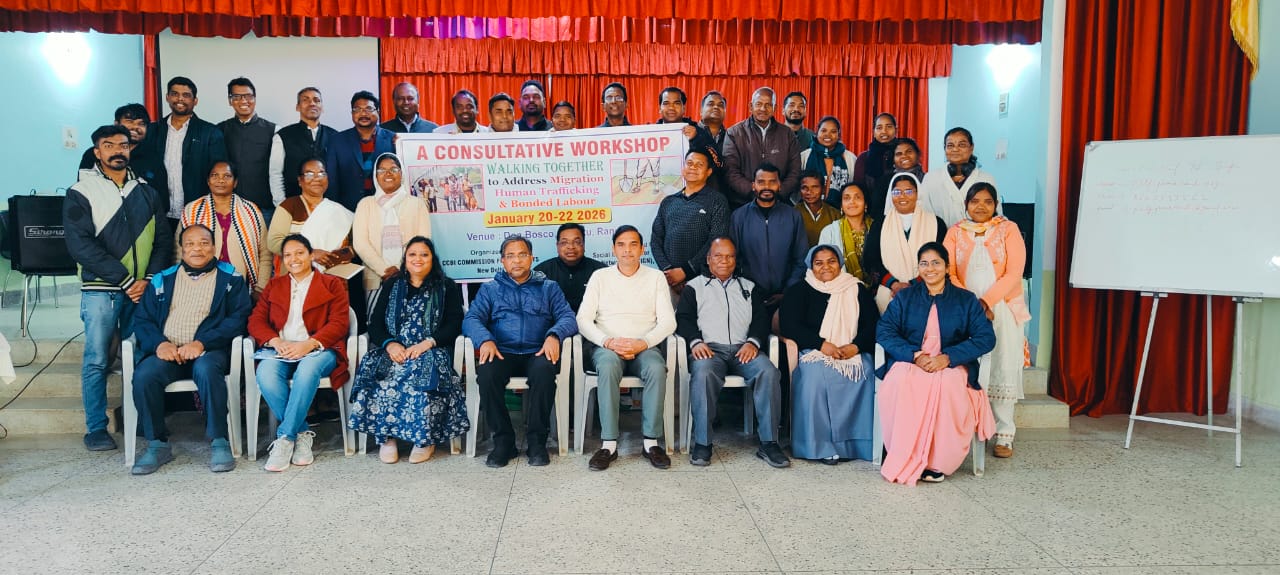
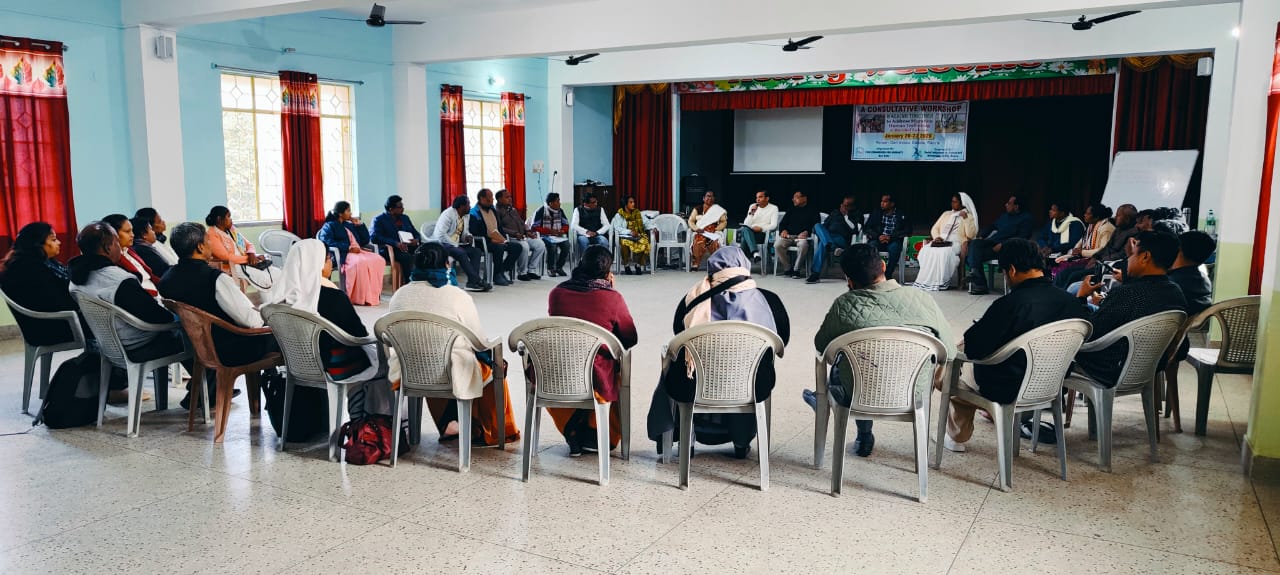
Ranchi, January 22, 2026 — Representatives of faith-based organisations and civil society groups came together in Ranchi this week for a three-day training and consultative workshop aimed at addressing migration-related challenges, with a focus on human trafficking and bonded labour.


The programme, titled “Walking Together to Address Migration, Human Trafficking and Bonded Labour,” was held from January 20 to 22 at Don Bosco Youth and Educational Services, Bariatu. It was organised by the Conference of Catholic Bishops of India (CCBI) Commission for Migrants in collaboration with the Ranchi-based organisation Social Initiatives for Growth and Networking (SIGN), and was locally coordinated by Fr. Bipin Pani.
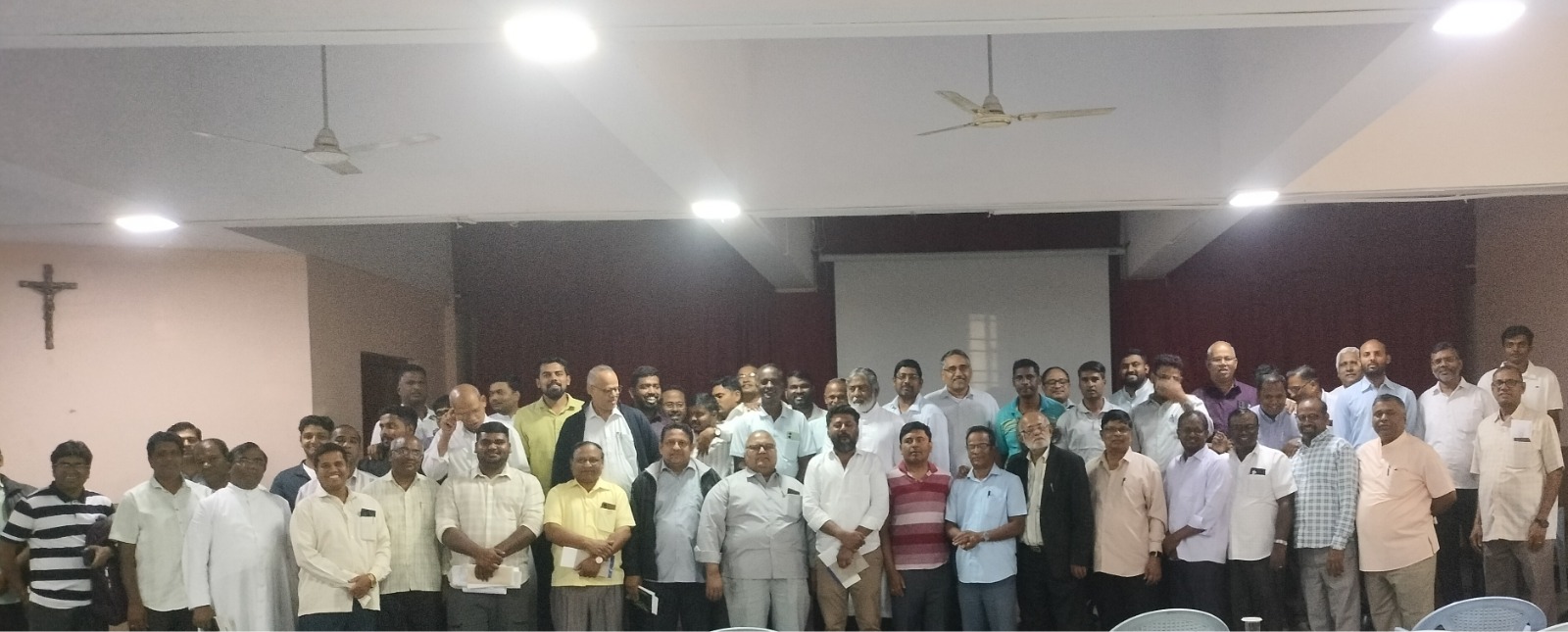
A total of 42 participants representing eight dioceses, Church-run institutions and civil society organisations took part in the workshop. The participants included social workers, grassroots organisers and community leaders engaged with migrant populations in Jharkhand and neighbouring states.




Sessions during the workshop examined the growing risks faced by migrant workers, particularly undocumented migration, trafficking networks and exploitative labour practices. Discussions highlighted how seasonal migration, poverty and lack of information continue to expose workers to deception, debt bondage and unsafe working conditions.
In a reflective session, Fr. Charles Leon from Bengaluru introduced the SOAR framework—Strengths, Opportunities, Aspirations and Results—urging participants to build responses that recognise the resilience and capacities of migrant communities rather than focusing only on their vulnerabilities.
Addressing the issue of bonded labour, Mr. Nirmal Gorana Agni of the National Campaign Committee for Eradication of Bonded Labour, New Delhi, said the practice often remains hidden and adapts to new economic realities. He stressed that rescue operations must be accompanied by rehabilitation, legal action and long-term community monitoring to prevent re-trafficking.
Offering a government perspective, Dr. Shikha Lakara of the Jharkhand Labour Department outlined welfare and social security schemes available to migrant workers. She noted that poor awareness, lack of documentation and non-registration continue to prevent workers from accessing benefits. She encouraged outreach programmes in source villages to promote safe migration and assured departmental cooperation for community-based initiatives.
The workshop also resulted in specific action plans. Participants committed to expanding skill-training programmes, strengthening village-level registration of migrants, conducting awareness campaigns, and improving coordination between civil groups and government agencies.
Organisers said the consultation marked an important step towards building a broader support network to protect migrant workers’ rights. The meeting concluded with a shared resolve to continue advocacy, data collection and public awareness efforts aimed at reducing trafficking and bonded labour and improving safety for migrant families.
By Sr. Rani
Migrants Commission
© 2026 CATHOLIC CONNECT POWERED BY ATCONLINE LLP