- 21 May, 2026

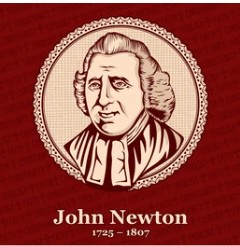
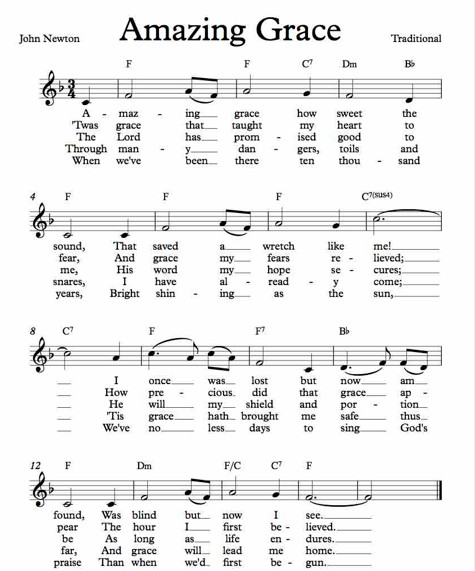
Written in 1772 by Anglican clergyman John Newton, “Amazing Grace” has endured for more than two centuries as one of the most widely sung and cherished Christian hymns. Rooted in personal repentance and profound faith, the hymn reflects Newton’s own transformation from a life marked by moral excess to one shaped by an abiding trust in God’s redeeming grace.


Born in London in 1725, Newton spent his early years at sea, eventually becoming a captain involved in the Atlantic slave trade. Known for his coarse language and reckless lifestyle, he experienced a defining moment in 1748 when a violent storm threatened to sink his ship. Confronted with the possibility of death, Newton cried out to God for mercy—an experience he later recognised as the beginning of his conversion. Although he continued sailing for several years, the incident marked a decisive inner change that gradually led him away from the sea and toward Christian faith and service.
Newton was ordained an Anglican priest in 1764 and appointed curate of Olney, England. There, in collaboration with poet William Cowper, he began composing hymns designed to help ordinary believers engage more deeply with Scripture. “Amazing Grace” was written to accompany a sermon preached on New Year’s Day in 1773 and was first published in 1779 in the collection Olney Hymns. Its verses draw directly from Newton’s personal experience, evoking the journey from spiritual blindness to sight and from being “lost” to being “found” through grace.


Initially published without a musical setting, the hymn acquired its most familiar tune decades later in the United States. In 1835, Newton’s text was paired with the melody known as “New Britain,” a combination that helped propel the hymn into widespread use. Through revival meetings, camp gatherings, and congregational worship—particularly in the American South—“Amazing Grace” spread across denominations and cultural boundaries.
Over time, the hymn moved beyond its ecclesial origins to become a universal song of consolation and hope, often sung in moments of personal loss and national tragedy. Its enduring appeal lies in its simplicity and its message of redemption, which has resonated across generations and even beyond Christian communities. From churches and funerals to civil rights rallies and memorial services, “Amazing Grace” continues to speak of mercy, transformation, and hope.
What began as the testimony of one man’s conversion has become a global anthem, reminding humanity that grace can reach even the darkest corners of life and open pathways toward renewal and peace.
By Catholic Connect Reporter
© 2026 CATHOLIC CONNECT POWERED BY ATCONLINE LLP