- 05 June, 2026
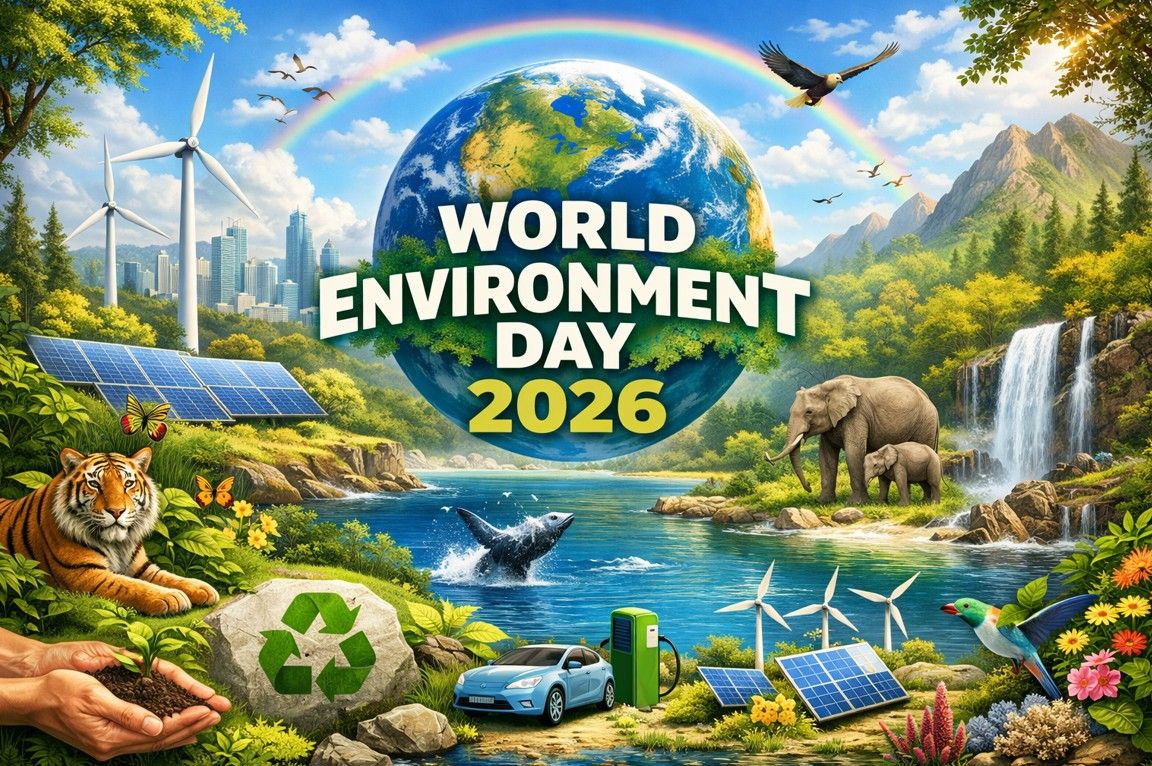
New Delhi, June 5, 2026: Every year on June 5, the world observes World Environment Day, the United Nations' largest global platform for environmental awareness and action. Established in 1972 during the Stockholm Conference on the Human Environment and led by the United Nations Environment Programme (UNEP), the day encourages governments, organizations, communities, and individuals to work together to protect the planet.


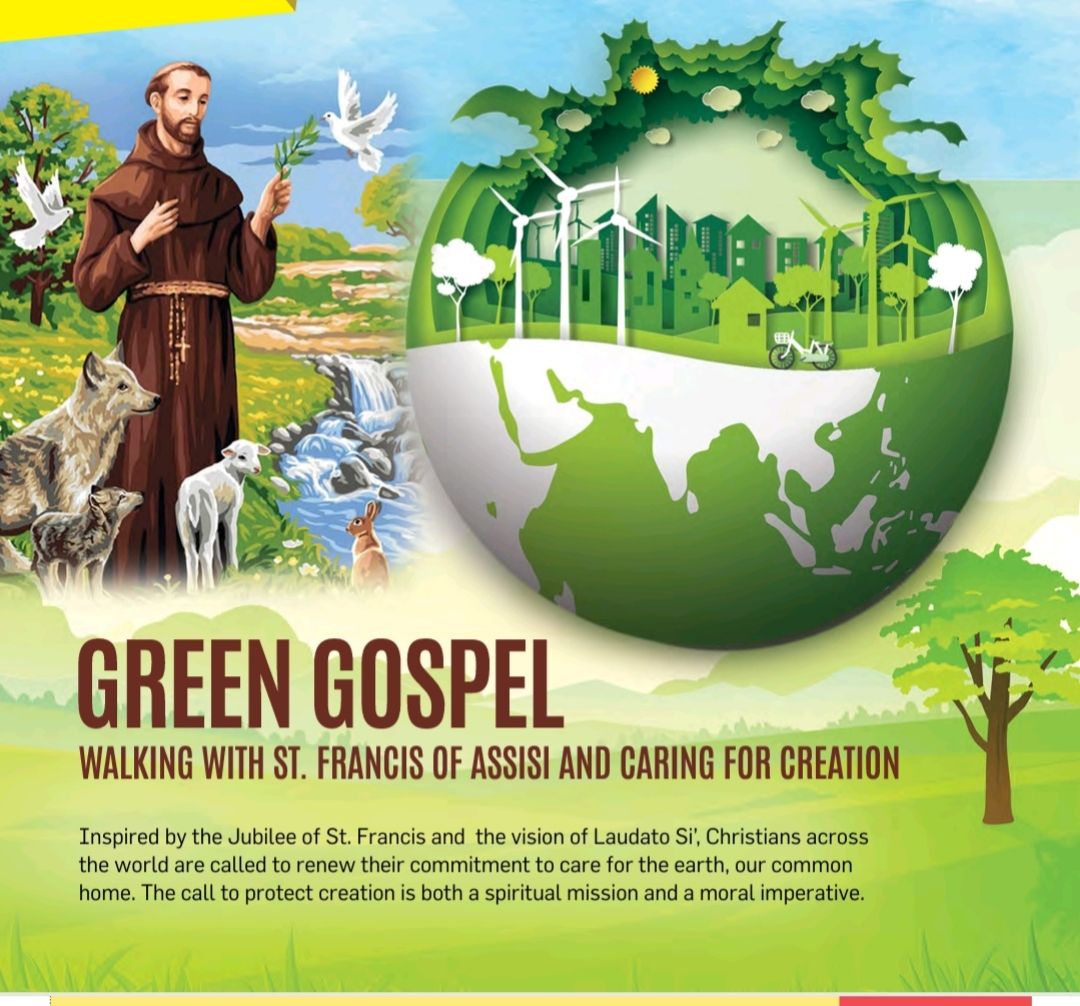
For Catholics, caring for the environment is not simply a social or political concern—it is a spiritual and moral responsibility. The Earth is viewed as God's gift to humanity, entrusted to our stewardship rather than our exploitation. As environmental challenges such as climate change, pollution, deforestation, and biodiversity loss continue to threaten the world, the Catholic Church has increasingly emerged as a strong advocate for ecological responsibility.
The 2026 World Environment Day theme, "Inspired by Nature. For Climate. For Our Future," resonates deeply with the Church's call to protect creation for present and future generations.
World Environment Day was created by the United Nations in 1972 following growing global concern about environmental degradation. The first celebration took place in 1973 and has since grown into the world's largest environmental outreach initiative, involving millions of people across more than 150 countries.


Its purpose is simple yet urgent: to raise awareness and inspire action to address environmental challenges facing humanity.
Interestingly, the rise of environmental awareness has paralleled the Catholic Church's increasing emphasis on ecological stewardship. Over the past five decades, successive popes have called attention to humanity's responsibility to care for creation, making environmental protection an important aspect of Catholic Social Teaching.
The Church's concern for the environment did not begin with recent climate debates. In 1971, even before World Environment Day was formally launched, Pope Paul VI warned that reckless exploitation of nature could lead humanity toward ecological disaster.
His successors continued to build upon this foundation.
Pope John Paul II frequently emphasized that human beings are stewards rather than owners of the Earth. He introduced the concept of "ecological conversion," encouraging people to examine their relationship with nature and adopt lifestyles that respect creation.
He reminded the faithful that care for human life and care for the environment are inseparable responsibilities.
Pope Benedict XVI earned the nickname "The Green Pope" because of his practical commitment to environmental sustainability. During his pontificate, solar panels were installed in the Vatican, and environmental initiatives became a visible part of Vatican operations.
He stressed that protecting the environment and protecting human dignity are part of the same moral mission.
The most significant Catholic contribution to modern environmental thought came in 2015 with Pope Francis' encyclical Laudato Si': On Care for Our Common Home.
The document transformed environmental stewardship into a central concern of the global Church. Pope Francis introduced the concept of "Integral Ecology," teaching that environmental destruction, poverty, social injustice, and economic inequality are interconnected challenges.
His famous appeal to hear both "the cry of the earth and the cry of the poor" continues to inspire Catholics around the world to engage in environmental action.
Continuing this tradition, Pope Leo XIV has emphasized the need to move beyond discussion and embrace concrete action.
"We must shift from collecting data to caring and from environmental discourse to an ecological conversion," he said, calling Catholics to protect what is fragile and wounded while caring for our common home together.
His message reflects the Church's growing commitment to transforming environmental concern into practical action at every level of society.
Across the world, Catholic dioceses, parishes, schools, and religious congregations have embraced environmental initiatives.
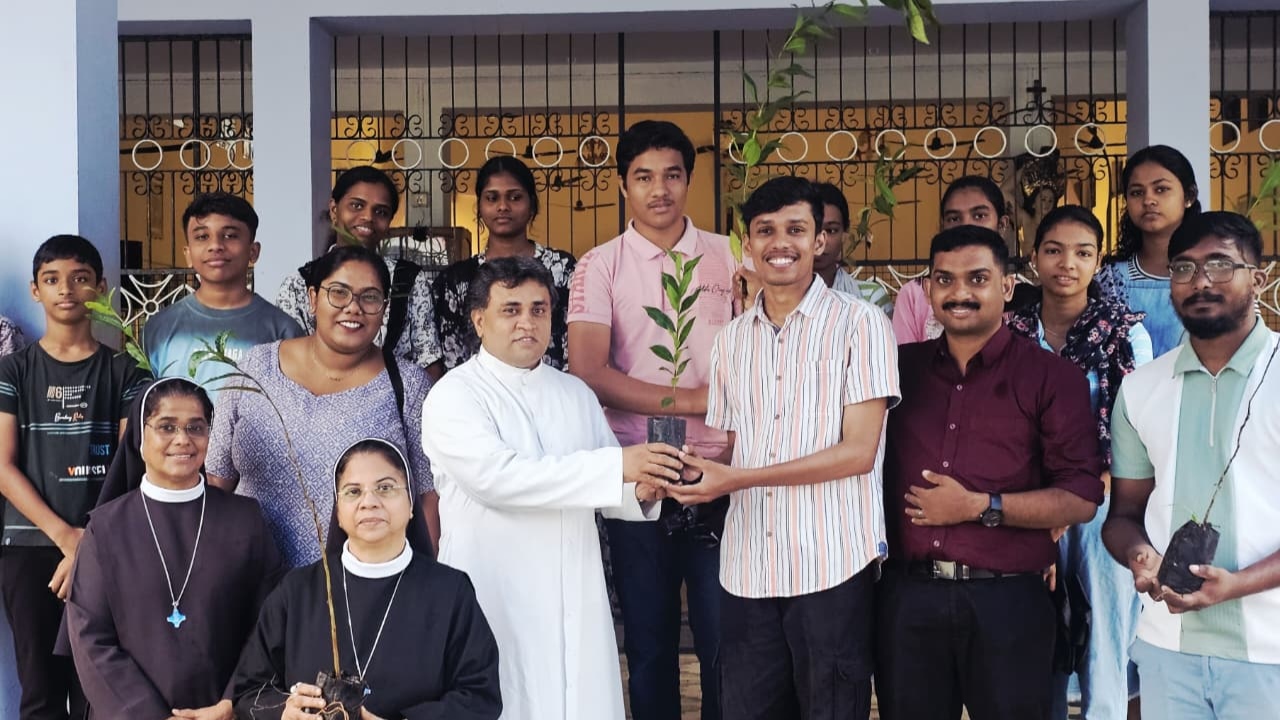
Many Church institutions have adopted renewable energy, tree-planting programs, water conservation projects, waste management systems, and environmental education initiatives. Catholic universities and schools increasingly integrate ecological awareness into their curricula, helping young people understand their responsibility toward creation.
The Vatican's Laudato Si' Action Platform encourages families, dioceses, educational institutions, healthcare facilities, and religious communities to undertake a seven-year journey toward sustainability.
In India, numerous dioceses actively promote environmental awareness through parish-based programs, ecological campaigns, and social action projects that combine care for creation with concern for vulnerable communities.
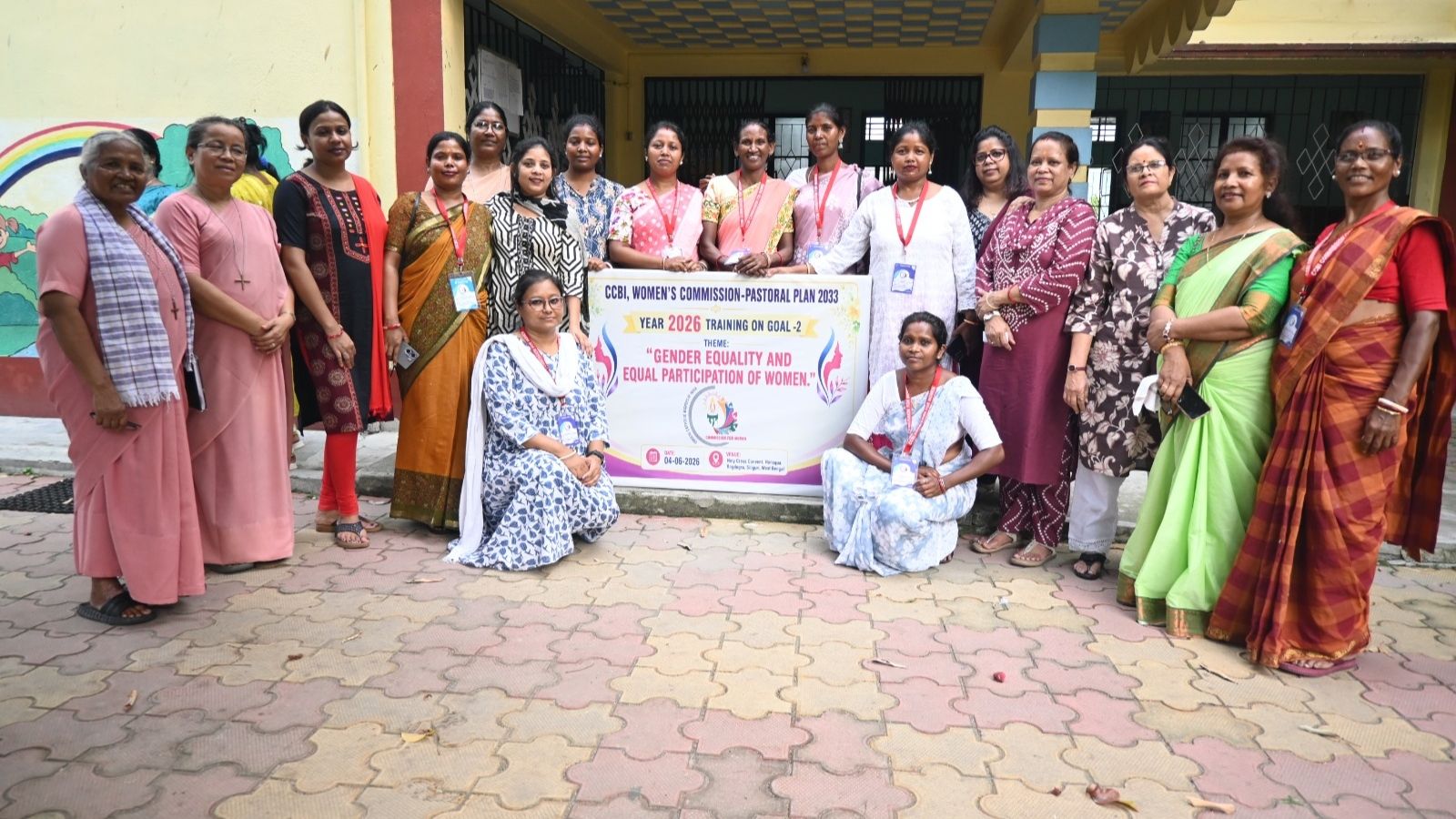
Within the Indian Church, the Conference of Catholic Bishops of India (CCBI) has consistently promoted ecological responsibility through its commissions dedicated to social concerns, justice, peace, and environmental stewardship.
The CCBI's initiatives encourage dioceses and parishes to celebrate environmental awareness days, undertake tree-planting drives, promote sustainable living, and educate the faithful about the ecological teachings found in Laudato Si'.
These efforts align closely with the goals of World Environment Day by fostering environmental responsibility rooted in faith and Catholic Social Teaching.
As World Environment Day continues to inspire global action, the Catholic Church sees environmental stewardship as an essential part of its mission. The challenge ahead is not merely technological or political—it is deeply moral and spiritual.
Future efforts will likely focus on strengthening ecological education, expanding sustainable practices within Church institutions, and helping communities understand the connection between faith, justice, and care for creation.
World Environment Day reminds humanity that the Earth is our shared home and shared responsibility. For Catholics, this responsibility is grounded in faith and expressed through stewardship, gratitude, and action.
From Pope Paul VI's early warnings to Pope Francis' Laudato Si' and Pope Leo XIV's call for ecological conversion, the Church has consistently urged humanity to care for creation with wisdom and compassion.
As environmental challenges continue to grow, Catholics are called not only to celebrate World Environment Day but to live its message every day—protecting God's creation, supporting vulnerable communities, and building a sustainable future for generations yet to come.
By Catholic Connect Reporter
© 2026 CATHOLIC CONNECT POWERED BY ATCONLINE LLP