- 04 May, 2026

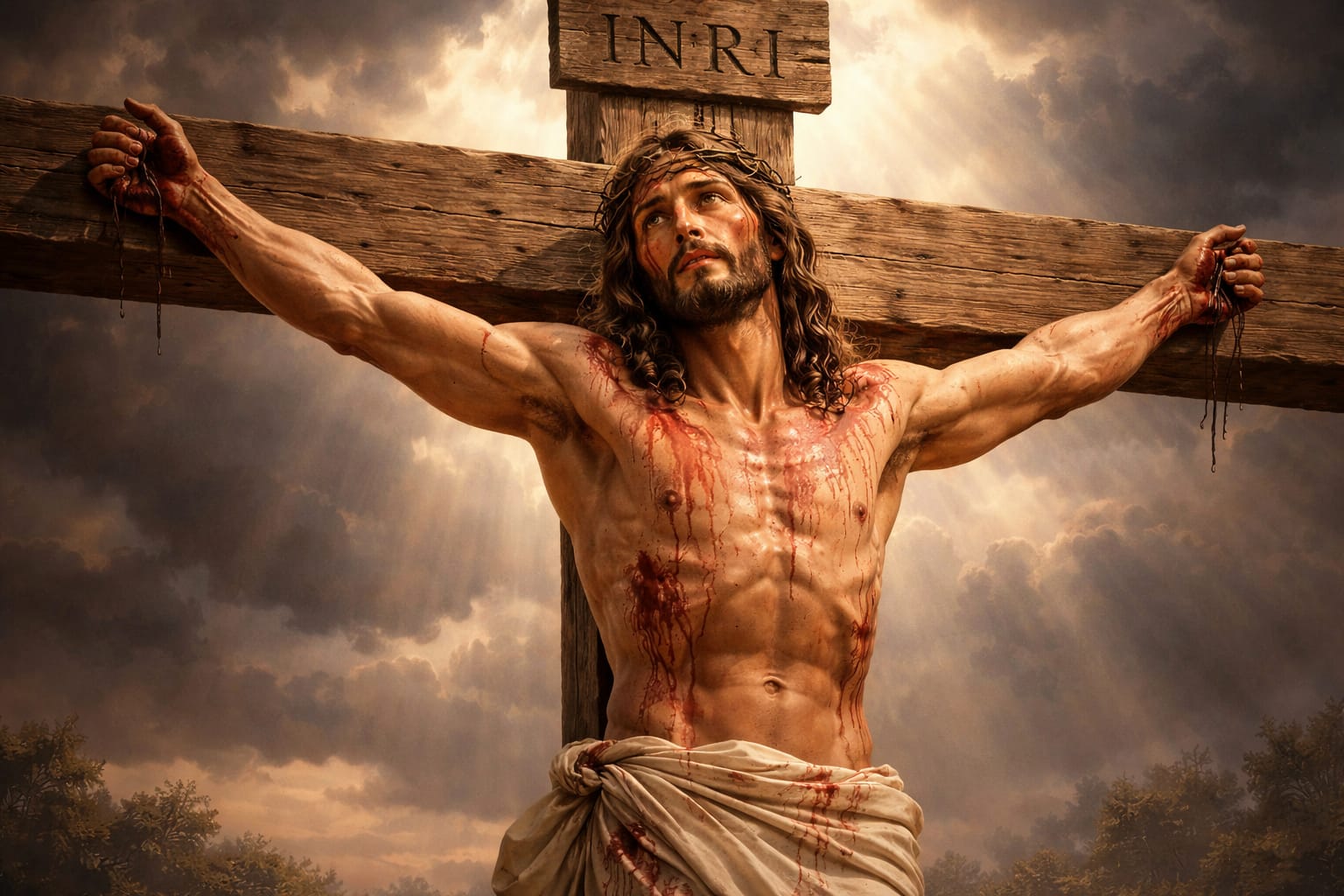
April 2, 2026: The Seven Last Words from the Cross reveal Christ’s divine love and offer a path for Christian living, calling Catholics to move beyond reflection and embody the Gospel in everyday life and discipleship.

The first word, “Father, forgive them, for they know not what they do” (Luke 23:34), reveals the boundless mercy of Christ. Even in agony, He intercedes for His persecutors. The Catechism of the Catholic Church teaches that “there is no offense, however serious, that the Church cannot forgive” (CCC 982). This word calls us to forgive as Christ forgives. In daily life, it challenges us to overcome resentment, to seek reconciliation, and to pray for those who hurt us, embodying the command of Jesus: “Love your enemies” (Matthew 5:44).
The second word, “Today you will be with me in Paradise” (Luke 23:43), addressed to the repentant thief, reveals the immediacy of God’s mercy. The Church teaches that conversion is always possible: “There are no limits to the mercy of God” (CCC 1864). This word invites us to continual repentance and trust. As St. John Paul II wrote in Reconciliatio et Paenitentia, true repentance is a “radical reorientation of the whole life.” In our daily lives, this means regular examination of conscience, sincere confession, and a renewed commitment to holiness.


The third word, “Woman, behold your son… Behold your mother” (John 19:26–27), reveals both filial love and a profound ecclesial reality. Jesus entrusts Mary to the beloved disciple and, in him, to the whole Church. The Catechism affirms: “She is truly ‘Mother of the members of Christ’” (CCC 963). This word calls us to honour our earthly parents and to embrace Mary as our spiritual Mother. As Lumen Gentium teaches, Mary continues to intercede for us as a mother in the order of grace (LG 62). Daily, we are invited to grow in filial devotion and Marian trust.
The fourth word, “My God, my God, why have you forsaken me?” (Matthew 27:46; cf. Psalm 22:1), reveals the depth of Christ’s suffering as He enters human abandonment. The Catechism teaches that He “assumed the state of our separation from God” (CCC 603). Yet, even in desolation, He still says, “My God,” expressing unwavering trust. This word calls us to persevere in faith amid trials. As Pope Francis notes in Gaudete et Exsultate (GE 32), holiness often passes through darkness. We are invited to trust God, even when He seems distant.
The fifth word, “I thirst” (John 19:28), reveals both physical suffering and a deeper spiritual longing. Jesus thirsts for the salvation of souls. As He had earlier proclaimed, “Whoever thirsts, let him come to me” (John 7:37). St. Teresa of Calcutta often reflected that this thirst is Christ’s longing for our love. The Church teaches that human desire ultimately finds fulfillment in God (CCC 27). This word calls us to cultivate a thirst for holiness, for prayer, and for the salvation of others, especially through works of charity and evangelization.
The sixth word, “It is finished” (John 19:30), proclaims the fulfillment of the Father’s will. Christ completes the work of redemption. The Catechism affirms that His sacrifice is “the unique sacrifice of Christ, the ‘one mediator between God and men’” (CCC 618). This word challenges us to live faithfully our vocation. In daily life, it means carrying out our duties with perseverance and integrity. As Dei Verbum teaches, Christ’s mission reveals the fullness of God’s plan (DV 4), and we are called to cooperate in that plan through faithful living.
The seventh word, “Father, into your hands I commend my spirit” (Luke 23:46; cf. Psalm 31:5), is the prayer of total surrender. Jesus entrusts His life completely to the Father. The Catechism teaches that Jesus’ filial trust is the model of our prayer (CCC 2606). This word invites us to abandon ourselves to God’s will in all things. In daily life, this surrender is expressed in prayer, in acceptance of trials, and in trustful obedience to God.
The Seven Words form a path of Christian living; meditating and living them transforms us through the mystery of the Cross.
Br. Malvino Alfonso OCD
© 2026 CATHOLIC CONNECT POWERED BY ATCONLINE LLP