- 29 May, 2026
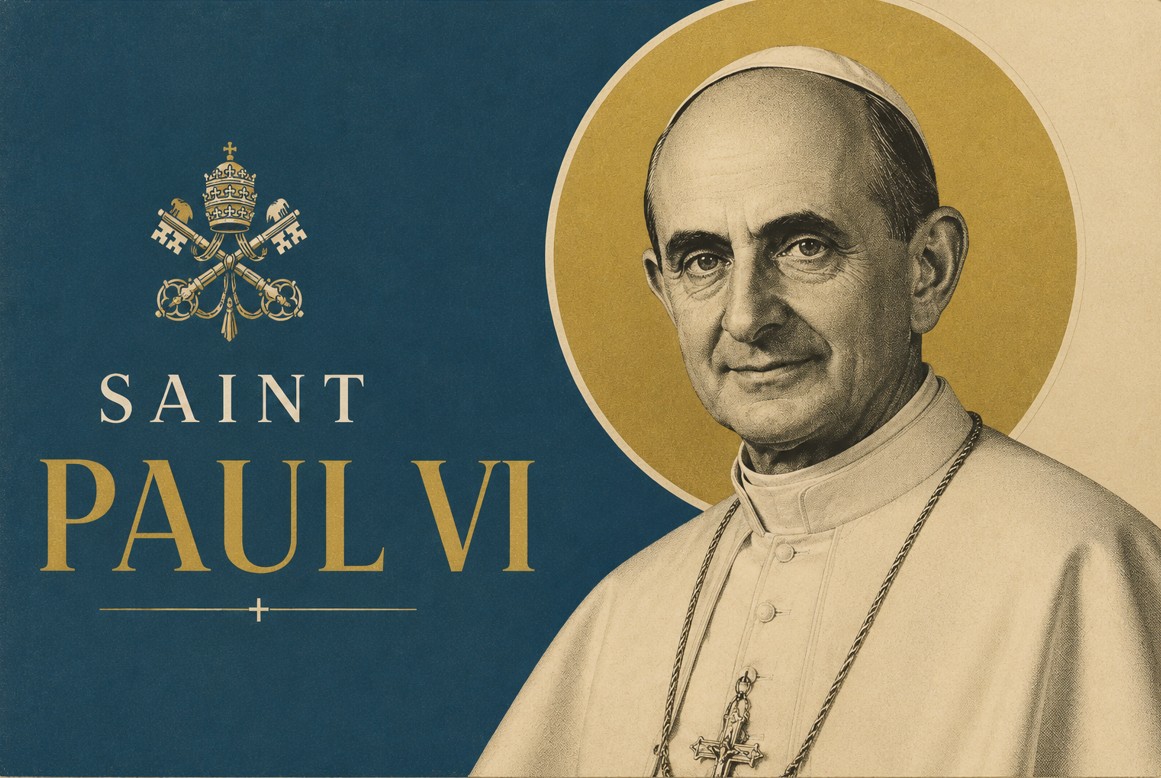
Italy, May 29, 2026: Discover Saint Paul VI, the pope who guided the Catholic Church through enormous change after the Second Vatican Council. Learn about his feast day, historic reforms, global influence, and enduring spiritual legacy.

Feast Day: May 29
Born: September 26, 1897, Concesio, Italy
Died: August 6, 1978, Castel Gandolfo, Italy
Known for: Leading the Church through the Second Vatican Council reforms


Title: Pope Paul VI
Major Contribution: Promoting spreading the good word and modernising Church outreach
Canonised: October 14, 2018, by Pope Francis
What happens when centuries of tradition collide with a rapidly changing modern world?
That was the challenge facing Paul VI when he became pope in 1963.
The Catholic Church stood at a historic crossroads during the Second Vatican Council, a gathering that aimed to address how the Church would engage with the modern age.
He inherited immense pressure, global expectations, and deep internal divisions.
Yet he became the pope who guided the Church through one of the most transformative periods in Catholic history.
Born Giovanni Battista Montini in northern Italy, he was known for intelligence, humility, and deep spirituality from an early age.
He served for years in Vatican diplomacy and Church administration before eventually becoming Archbishop of Milan.
When elected pope, many saw him as thoughtful and cautious rather than dramatic.
But beneath his reserved personality was remarkable determination.
He understood that the Church needed to speak to modern people without abandoning its core beliefs.
One of Paul VI’s greatest achievements was completing the Second Vatican Council after the death of John XXIII.
The council introduced major developments in Catholic life, including:
Greater use of local languages in the Mass
Renewed focus on Scripture
Dialogue with other Christian communities
Increased global missionary outreach
Stronger engagement with the modern world
He carefully implemented these reforms during a period of intense disagreement and confusion.
Many criticised him from both conservative and progressive sides.
Yet he remained committed to preserving unity within the Church.
In 1968, he issued Humanae Vitae, a document defending Catholic teaching on marriage and human life.
The encyclical generated worldwide controversy and opposition.
Despite enormous pressure to change Church teaching, he stood firmly by his convictions.
The decision brought him criticism, isolation, and personal suffering.
Yet supporters admired his willingness to defend what he believed was spiritually true, even when unpopular.
Unlike earlier popes who rarely left Rome, he became a global missionary pope.
He travelled internationally to preach peace, spreading the good word, and human dignity.
His journeys included visits to:
The Holy Land
India
Africa
The United States
The Philippines
These historic visits helped reshape the papacy into a truly global ministry.
His life continues to teach important lessons:
Faith requires courage during times of change
Leadership often involves sacrifice and misunderstanding
The Church must engage the modern world without losing truth
Holiness can exist alongside deep personal struggle
He carried the weight of enormous historical change on his shoulders.
He faced criticism, uncertainty, and conflict, yet remained faithful to his mission.
This May 29, his feast reminds Catholics that true leadership is not measured by popularity, but by fidelity, courage, and perseverance through difficult times.
To know about more saints please visit the spiritual section.
By Catholic Connect Reporter
__________________________
Saint Paul VI, Feast of Saint Paul VI May 29, Pope Paul VI, Vatican II pope, Catholic Church reform, modern Catholic saints, Humanae Vitae, Catholic saints biography

© 2026 CATHOLIC CONNECT POWERED BY ATCONLINE LLP